
The DA received R43 million from online gambling tycoon


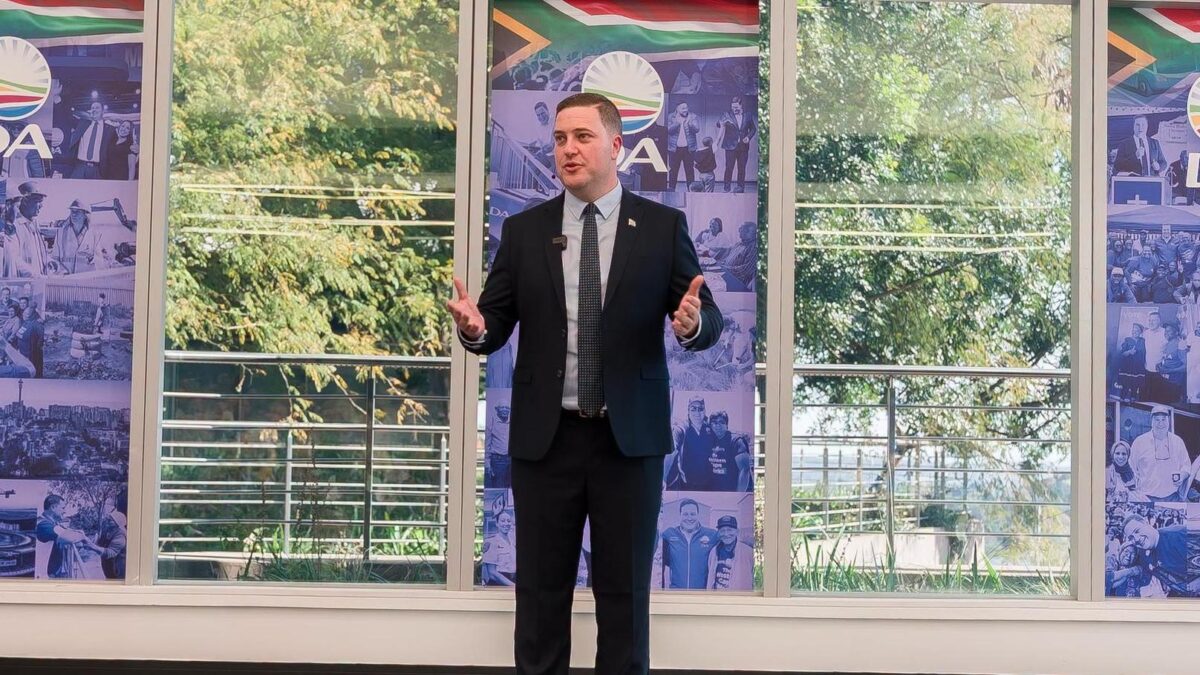
The Democratic Alliance (DA) has received R43 million from online gambling billionaire Martin Moshal, and the party would not answer questions about the issue.
This funding was revealed in the Electoral Commission’s (IEC’s) political party funding disclosure reports, which are required by the Political Funding Act (PFA).
They showed that Moshal was one of the largest political donors in South Africa, despite living overseas.
Over the last five years, he made 4 donations to the DA. This included two R15-million donations, one of R8 million, and one of R5 million.
The two largest donations of R15 million each, the maximum any person was allowed to donate to a political party at the time, were made in 2021 and 2022.
This is noteworthy as the DA’s Dean Macpherson introduced and promoted a bill to legalise online gambling in South Africa in September 2022.
The party argued that the government’s long-standing prohibition on online gambling must end and that it should be allowed.
The DA further said that the prohibition on online gambling was unfeasible and that it eroded the rule of law.
It added that banning online gambling exposed citizens to criminal elements and stripped the country of billions of Rands in potential tax revenue and jobs.
The DA also advocated that online gambling licences must be controlled by provincial authorities, not the centralised national gambling board.
It is also noteworthy that Raging River Trading is licensed and regulated by the Western Cape Gambling and Racing Board. The DA runs the Western Cape.
Raging River Trading is the South African subsidiary and operational engine behind Betway South Africa, with close links to Moshal.
Moshal is one of the largest economic beneficiaries behind Betway’s global operations, including Betway South Africa.
The issue of online gaming, particularly casino games, has become controversial and has caused headaches for authorities.
The National Gambling Board (NGB) maintains that interactive gambling remains illegal in South Africa, except for online sports betting through licensed bookmakers.
However, these games are available in South Africa through platforms like Hollywoodbets and Betway, which are backed by Moshal.
They argue that patrons bet on game outcomes, placing these products under bookmaker licences rather than casino-style interactive gambling.
This is the loophole at the heart of South Africa’s online gambling fight, because it has allowed casino-style games to be presented as betting contingencies.
The DA would not answer questions about online gambling
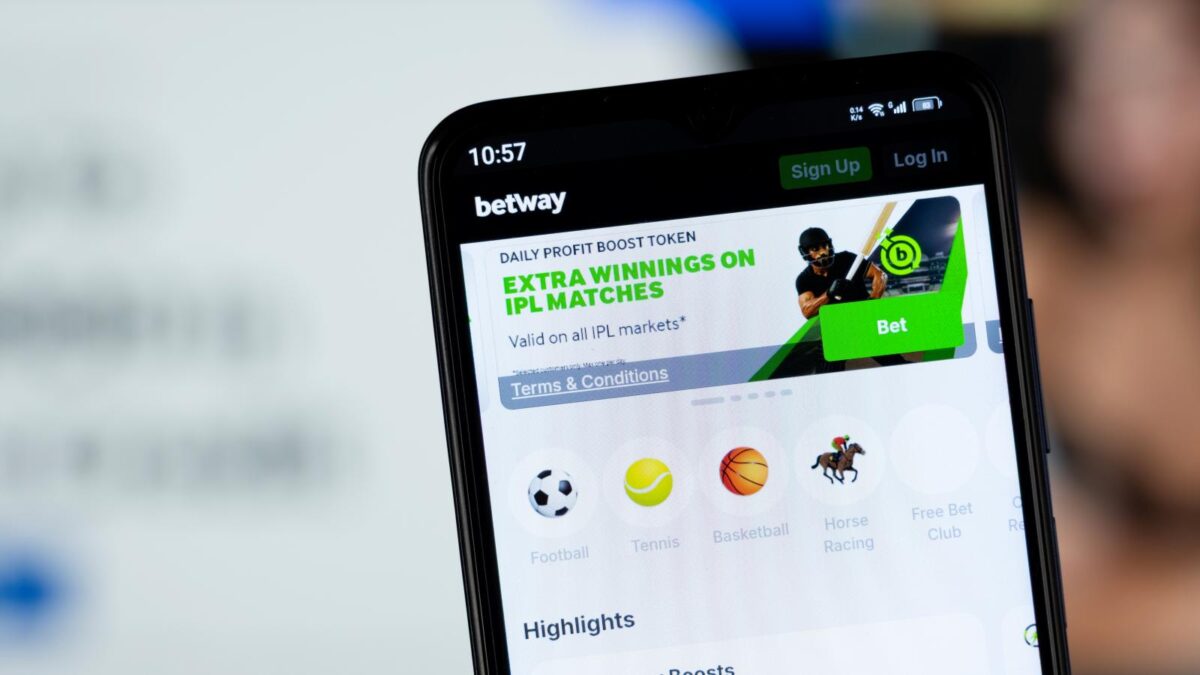
Online gambling is a controversial service which is widely seen as detrimental to South Africa’s society.
Over 85% of the country’s total betting Gross Gambling Revenue (GGR) now comes from digital platforms, driving a surge in industry turnover to roughly R1.5 trillion.
It causes many social problems, including gambling addiction, household financial strain, and the resulting pressure on social services.
It has become so severe that the chief executives of many top South African companies warned that it is taking food out of people’s mouths.
Shoprite CEO Pieter Engelbrecht said people are wasting money on online gambling, which should have been spent on food.
Absa’s CEO Kenny Fihla said that gambling trends are a predictor of loan delinquency, which is a growing problem in South Africa.
“The more clients become indebted, the more they gamble, and the bigger the hole becomes. This is a massive problem, and we’re worried about it,” he told Bloomberg.
Pick n Pay CEO Sean Summers called for a ban on gambling advertising, which he warned contributed to financial distress among poor households.
Oscar Bishop, ambassador of the South African Responsible Gambling Foundation, said the pandemic of online gambling is out of hand.
“People are blowing their salaries on online gambling before they pay rent, school fees, transport,” said Bishop.
Economic expert Frans Cronje argues that the people behind online gambling in South Africa are evil, as they cause tremendous hardship and societal problems.
Cronje said the betting companies are exploiting the desperate poverty in South Africa, where people hope they can improve their financial situation through online gambling.
“Betting is addictive. People become addicts. It is like letting heroin run wild in the streets,” Cronje said.
The result is that many South Africans are losing a significant portion of their money through betting, leaving them desperate.
Given these social ills, Newsday asked the DA whether it favoured an outright ban on online gambling in South Africa. It did not answer this question.
The party would also not say whether it was in favour of a ban on online casino games in South Africa, as stipulated by the National Gambling Board.



 Loading ...
What us the scoop here. What about the Mpumalanga Gambling Board? What about the National Lottery? Bad, lazyand stupid journalism bashing one party. Gambling is legal. But Gambling has always been there in South Africa before 1994. No one is forced to gamble