
South Africa on the brink of widespread municipal collapse


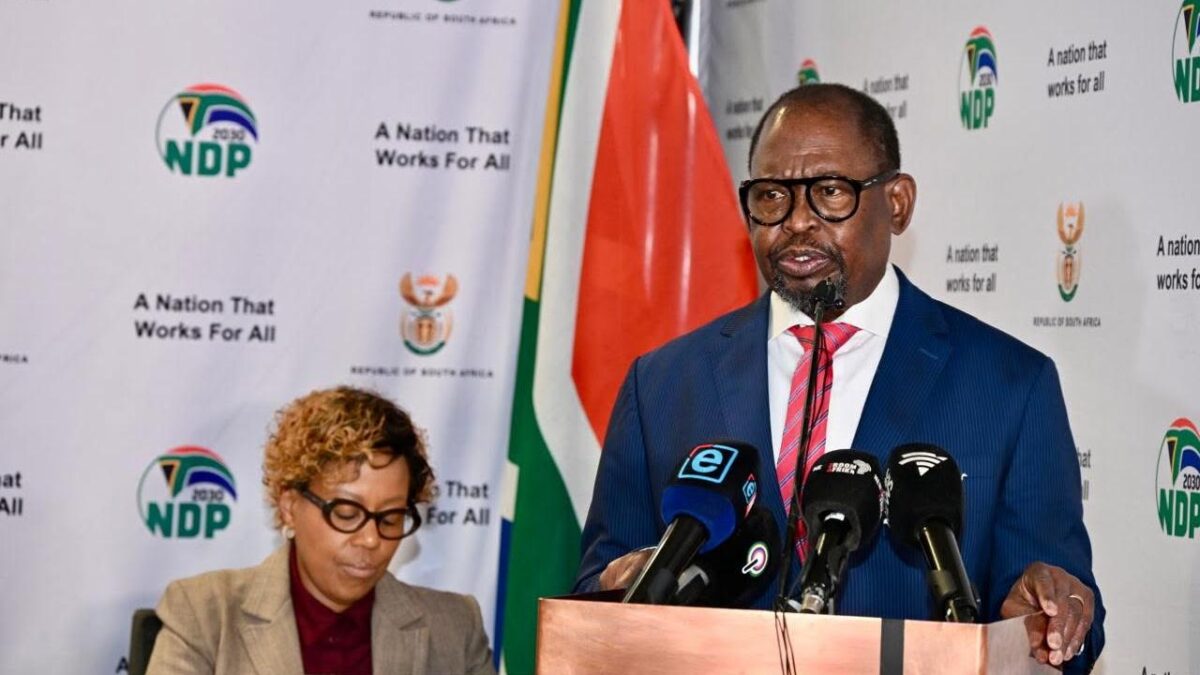
BLSA CEO Busisiwe Mavuso said that South Africa is on the brink of widespread municipal collapse, with Johannesburg’s financial situation particularly alarming.
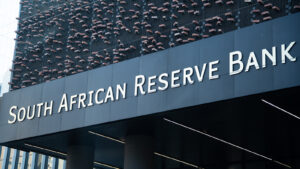
Her statement followed the National Treasury’s decision to withhold R13.5 billion from the July equitable share transfer from 69 municipalities.
This decision was executed under Section 216(2) of the Constitution and Section 38 of the Municipal Finance Management Act (MFMA).
This decision, the National Treasury explained, was an aggressive intervention to force structural financial reform in poorly governed municipalities.
The intervention followed persistent non-compliance by these municipalities with the Municipal Finance Management Act.
In June 2026, the National Treasury warned 99 municipalities of the possible consequences if they did not improve their governance.
30 municipalities addressed the Treasury’s concerns. However, 69 failed to provide adequate justifications and were placed on the equitable share transfer freeze list.
Mavuso said that irregular expenditure, which is a strong indicator of corruption, increased year after year, with no effective measures taken to stop the rot.
“Municipal collapse directly reflects a failure of leadership and accountability. This includes Johannesburg, Mangaung, and Nelson Mandela Bay,” she said.
“Local government politicians have largely proven themselves to be a part of the problem rather than making any sort of progress in finding solutions.”
“Politicians focus on factional battles, power grabs and vested interests. Service delivery is the casualty, and that always hits underdeveloped areas the hardest.”
The auditor-general made the same argument, noting that irregular expenditure had roughly doubled.
Finance minister Enoch Godongwana stated that since the 2022 financial year, the affected municipalities have racked up R145.21 billion in irregular expenditure.
This includes R40.14 billion in the 2025 financial year, along with R118.13 billion in unauthorised expenditure and R24.12 billion in fruitless and wasteful spending.
Auditor-General Tsakani Maluleke shed light on the root causes of continued poor audit outcomes and municipal failures.
Maluleke explained that these problems can be traced to persistent failures in the accountability ecosystem at multiple levels.
“Accounting officers, senior managers, mayors, and councils are not doing their jobs, or they are not effective in performing their duties,” she said.
She recommends that political parties prioritise the capability and integrity of the candidates they put forward for councillor and mayoral positions.
She added that the calibre of elected leaders will determine whether the incoming administration succeeds where this one did not.
“Unfortunately, the bulk of the affected municipalities have largely ignored similar calls being made for more than 10 years,” said Mavuso.
“Support can’t be in perpetuity. Something had to give, and now accountability must become the priority.”
Johannesburg is a national problem
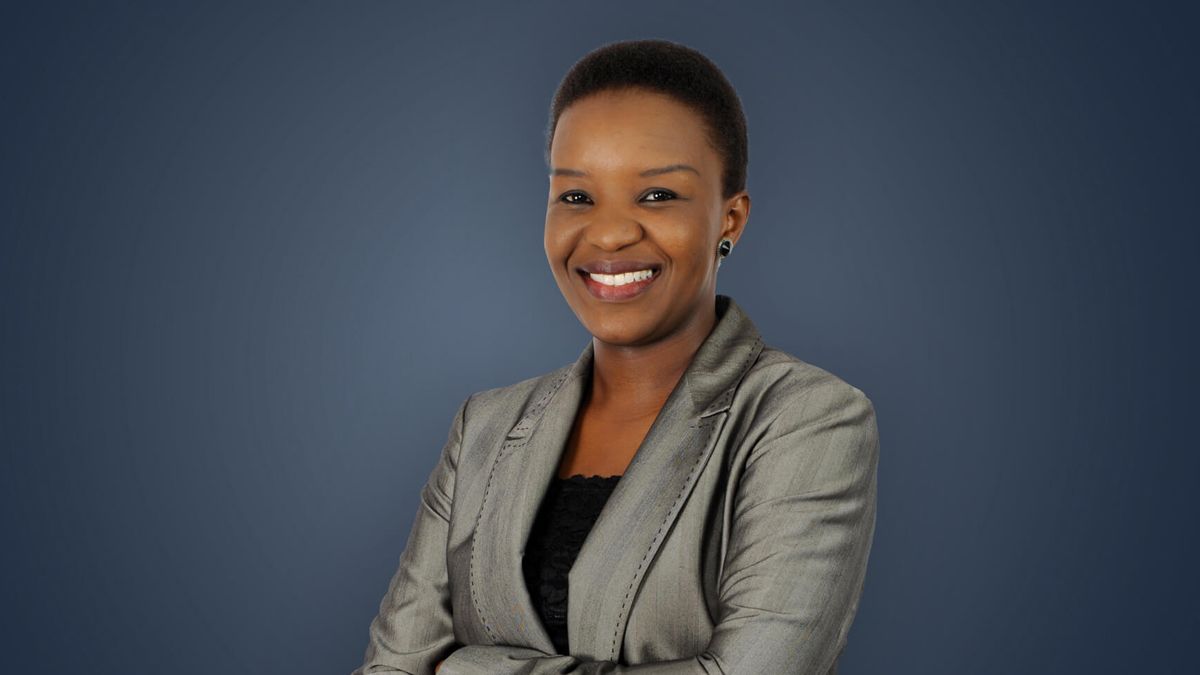
Mavuso said that business leaders and economists have repeatedly made the point that Johannesburg is a national problem.
If Johannesburg, as the country’s economic powerhouse, fails, the consequences ripple through the entire South African economy.
Johannesburg’s mayor, Dada Morero, acknowledged that more needs to be done to manage the city’s cash flow and revenue performance.
He said that the 2026/27 budget had been certified as funded. However, he also said the city was not in crisis.
“That is hard to square with the numbers. National Treasury (NT) requires municipalities to hold 32 days of cash cover, and Johannesburg currently has only 12,” Mavuso said.
Its historical backlog of unauthorised, irregular, fruitless and wasteful expenditure stands at about R23 billion.
“That is an emergency situation, especially in the face of the city’s arrears of about R3.7 billion to Eskom and R1.2 billion to Rand Water,” she said.
She explained that the cost of municipal failure falls hardest on those least able to carry it, which is poor households and small businesses.
“Larger businesses can install generators, sink boreholes and buy insurance against the risk of state failure. This is costly but often necessary,” she said.
“Smaller businesses often cannot bear such costs, and some have had to close or are at risk of doing so due to interrupted electricity or water supplies.”
She said that South Africa cannot build a competitive economy on the back of collapsing municipalities.




 Loading ...
Disgusting plundering of the fiscus by a self-serving useless bloated government. #ANCmustfall