
Small seaside town close to Cape Town became a hotspot for illegal drugs and weapons smuggling



The Global Initiative Against Transnational Organised Crime’s Western Cape Gang Monitor revealed Hout Bay is a hotspot for drugs and weapons smuggling.
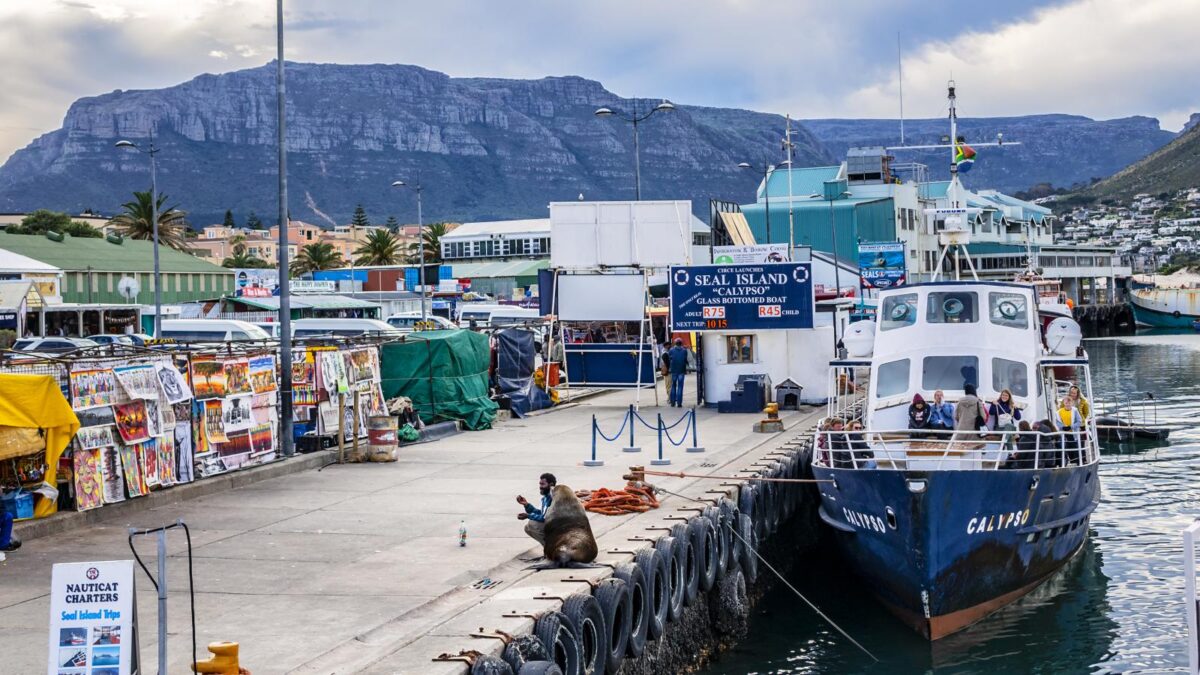
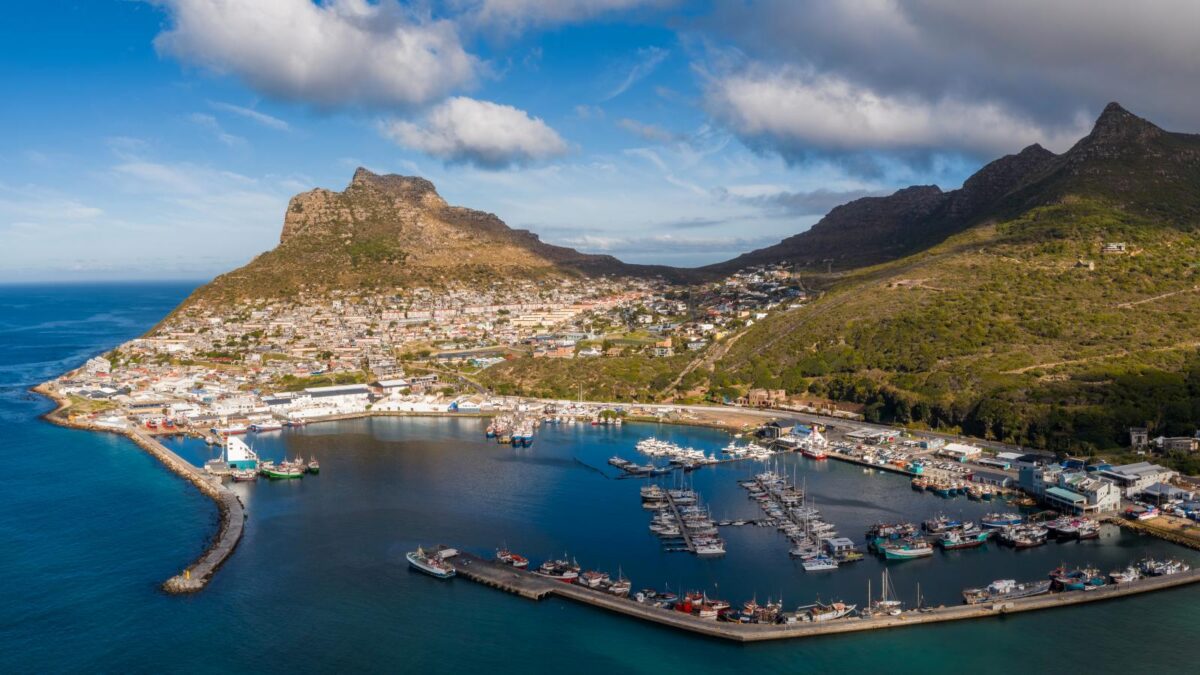
Hout Bay is a seaside and harbour town in a valley of the Cape Peninsula and is part of the City of Cape Town metropolitan area.
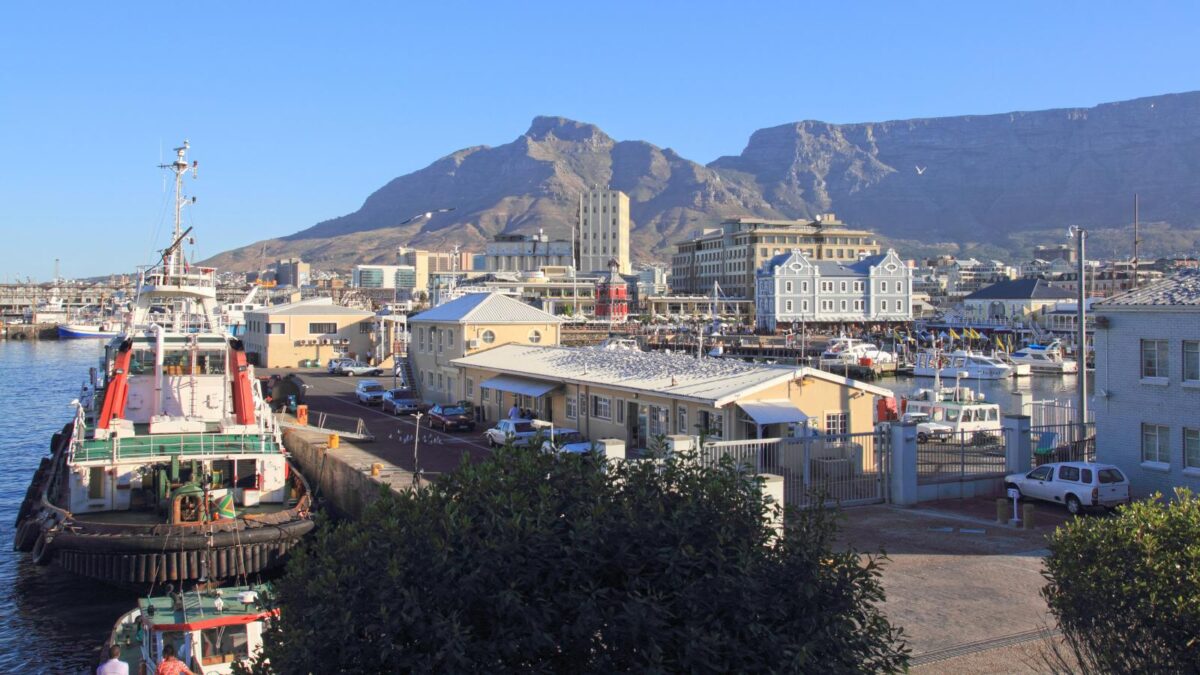
The suburb is enclosed by mountains on three sides and the Atlantic Ocean on the fourth, with a vibrant working harbour.
The town was originally named Houtbaai by Dutch settlers who used its dense forests to build the early Cape colony.
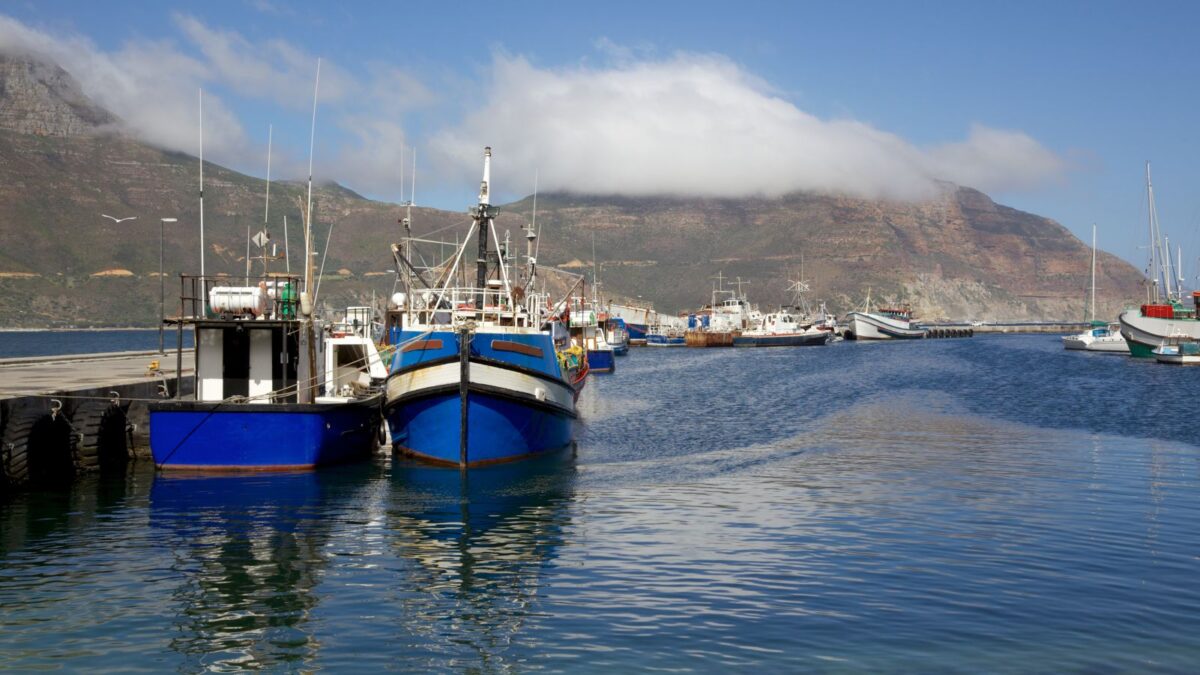
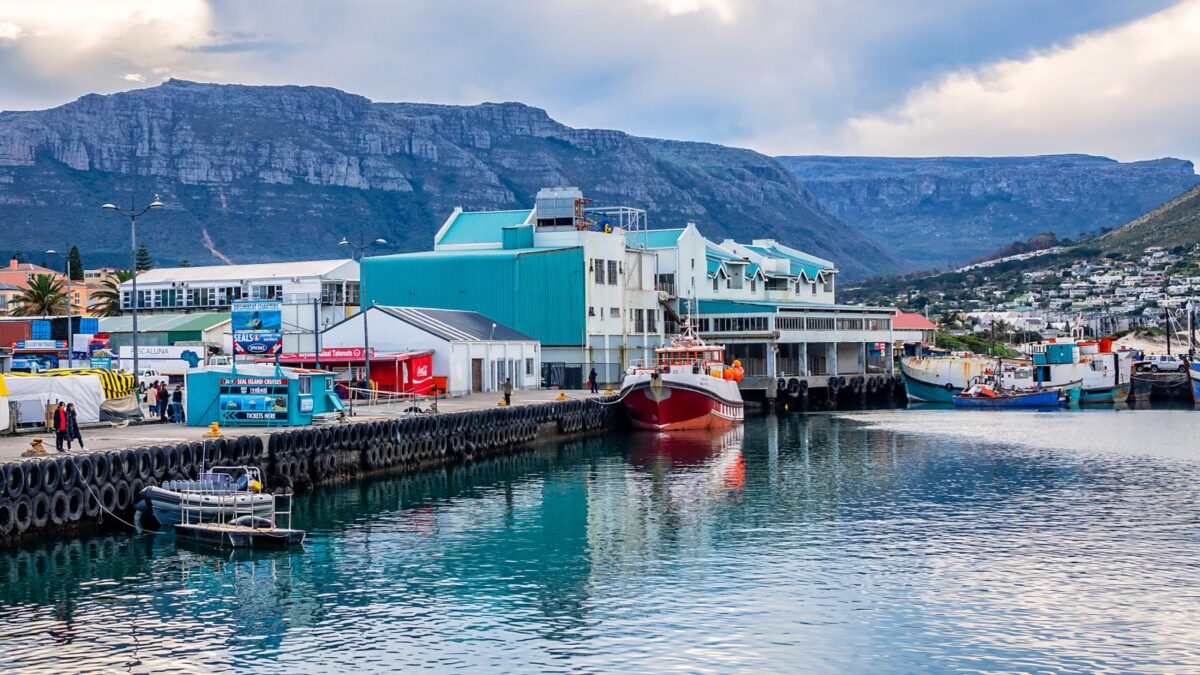
Hout Bay is closely associated with its busy fishing harbour, which supports the tuna, snoek, and crayfish industries.
However, this harbour is also a source of criminal activity, helping make the town a logistics node within the Western Cape’s criminal economy.
Hangberg, a community adjacent to the harbour, is an important point for illicit firearms, drugs, and poached marine wildlife.
Central to these operations is the Terrible Josters. The gang holds a near-monopoly over criminal markets in Hangberg.
It operates alongside affiliated criminal entrepreneurs with links to international trafficking syndicates.
Together, these groups are shaping broader gang dynamics in the Western Cape, contributing to shifts in drug markets, particularly cocaine sales.
Hout Bay Harbour is a major entry point for illicit goods, particularly cocaine and poached marine wildlife.
Hangberg serves as a storage and distribution hub for this contraband, as well as illegal firearms.
Over time, these interconnected activities have expanded significantly, with consequences felt across the Western Cape.
Hout Bay smuggling networks
The Global Initiative Against Transnational Organised Crime’s Western Cape Gang Monitor shed light on the gang operations in Hout Bay.
Hout Bay forms part of a network of secondary ports used by gangs and trafficking syndicates to move cocaine into the country.
Using the harbour in the small seaside town enables them to bypass larger, more heavily monitored entry points.
Hout Bay is used as a launch and coordination point for vessels collecting cocaine, which are offloaded at smaller ports and slipways along the coastline.
This is a good strategy as the Hout Bay harbour lacks effective port control, allowing traffickers to move freely.
Efforts to strengthen security at the harbour have been undermined by local residents with gang sympathies.
“Surveillance cameras are being damaged, and security guards are being intimidated and even robbed,” the report said.
Once onshore, the drugs are moved into Hangberg and stored in an area known as ‘The Zone’. The site is located deep within the neighbourhood.
It is protected by the Terrible Josters and the broader community, making it difficult for the police to access.
A path called ‘Die Sloot’, running along the back of Hangberg, serves as a concealed smuggling route into and out of the area.
These dynamics are reshaping local drug consumption, with demand for powder cocaine increasing.
SA Police Service officials have noted a surge in cocaine use, with similar trends reported in Ottery and the Terrible Josters strongholds of Hawston and Delft.
The same drug-smuggling routes are used for firearm trafficking and to smuggle abalone in the opposite direction.
How Hout Bay became a crime hotspot
The current situation in Hout Bay has its roots in apartheid-era forced relocations, which disrupted people’s economic stability and livelihoods.
These relocations led some people to turn to poaching abalone and crayfish as a means of subsistence.
Over time, these activities became organised, with gangs and criminal entrepreneurs taking control of the market.
By the mid-2000s, poaching operations had developed into a structured illicit economy, supported by specialised equipment and driven by rising demand.
The industry has also established links with international actors. Abalone has been traded with Chinese criminal groups.
The Chinese groups provided them with drug precursor chemicals used in the production of tik and mandrax, embedding Hangberg within global trafficking circuits.
This has contributed to the growth of the synthetic drug market in communities across the Western Cape.
Gang dynamics in Hangberg are unique within the Western Cape context. The area is widely regarded as neutral turf, with no clearly demarcated gang territories.
These local dynamics are reinforced by partnerships between the Terrible Josters and a broader network of criminal actors.
These networks include poaching syndicates and foreign organised crime groups involved in drug and firearm trafficking.
A Namibian criminal organisation based in Hangberg and the broader Hout Bay area is also involved in cross-border firearm smuggling.
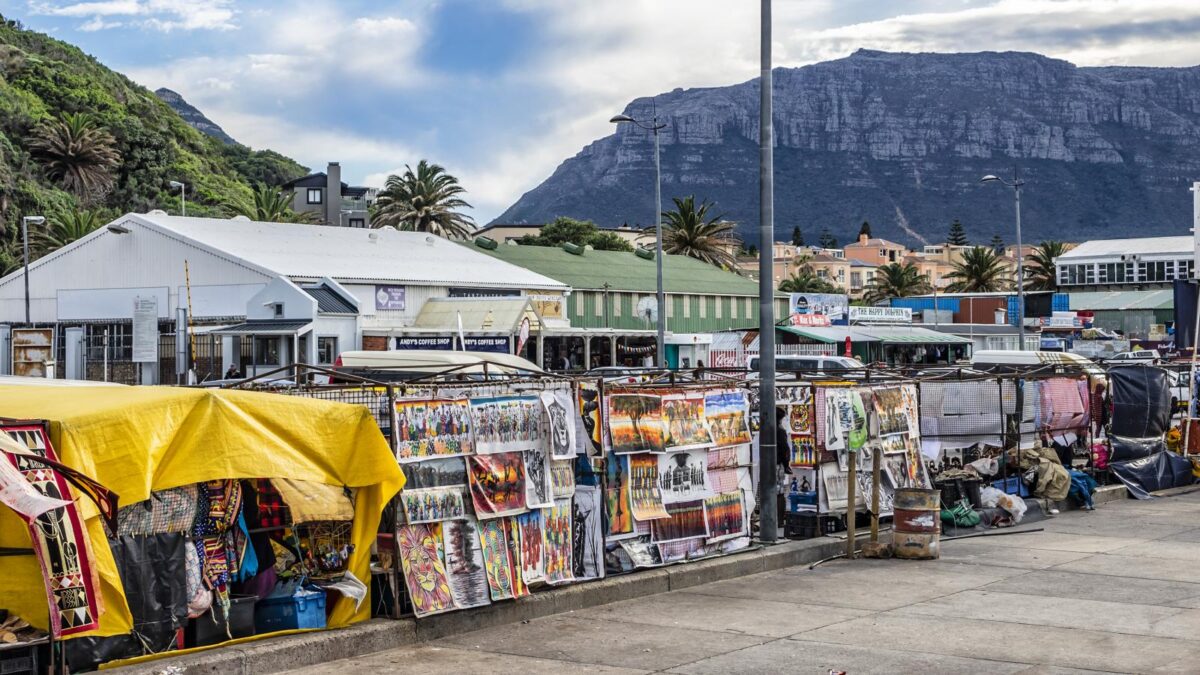
Hout Bay photos






 Loading ...
For every life ruined by drugs these people will be held accountable one day. Its not a but, it’s a sure thing. You may get away with your crime in life but you will have to answer for it when you have to defend your actions before God one day.