
This is the property causing political chaos in South Africa’s capital


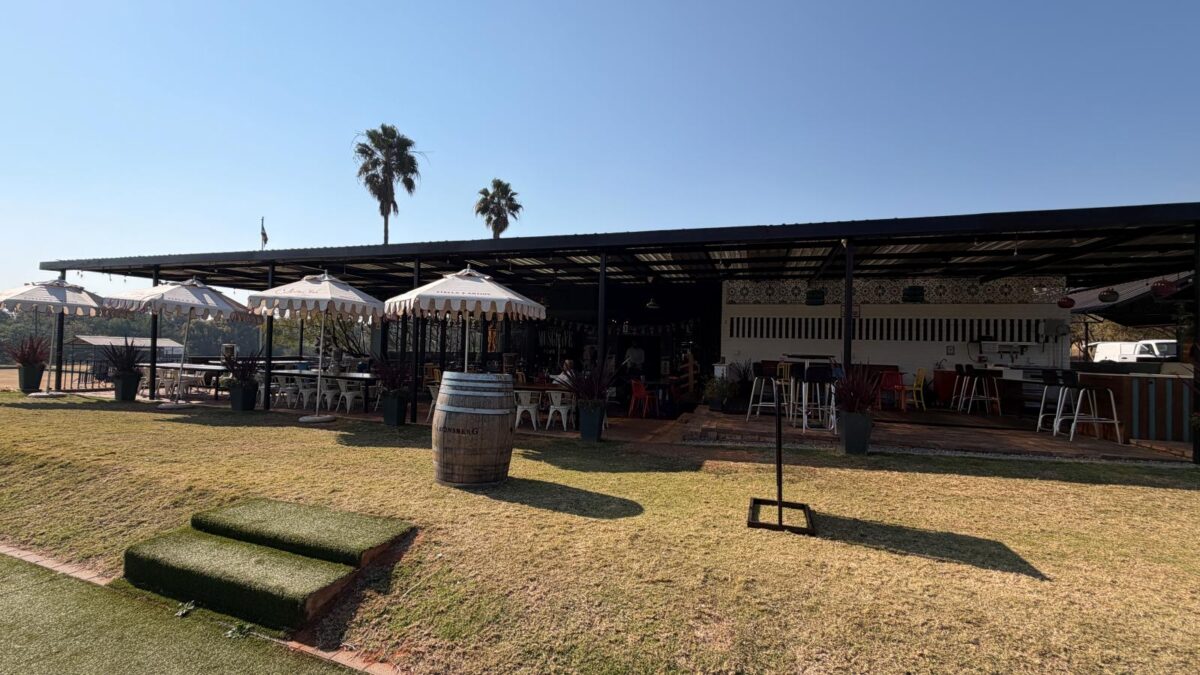
Groenkloof Bowls Club, previously known as Pretoria Vriendekring, has been thrust into the spotlight by a controversial development and the political wrangling surrounding it.
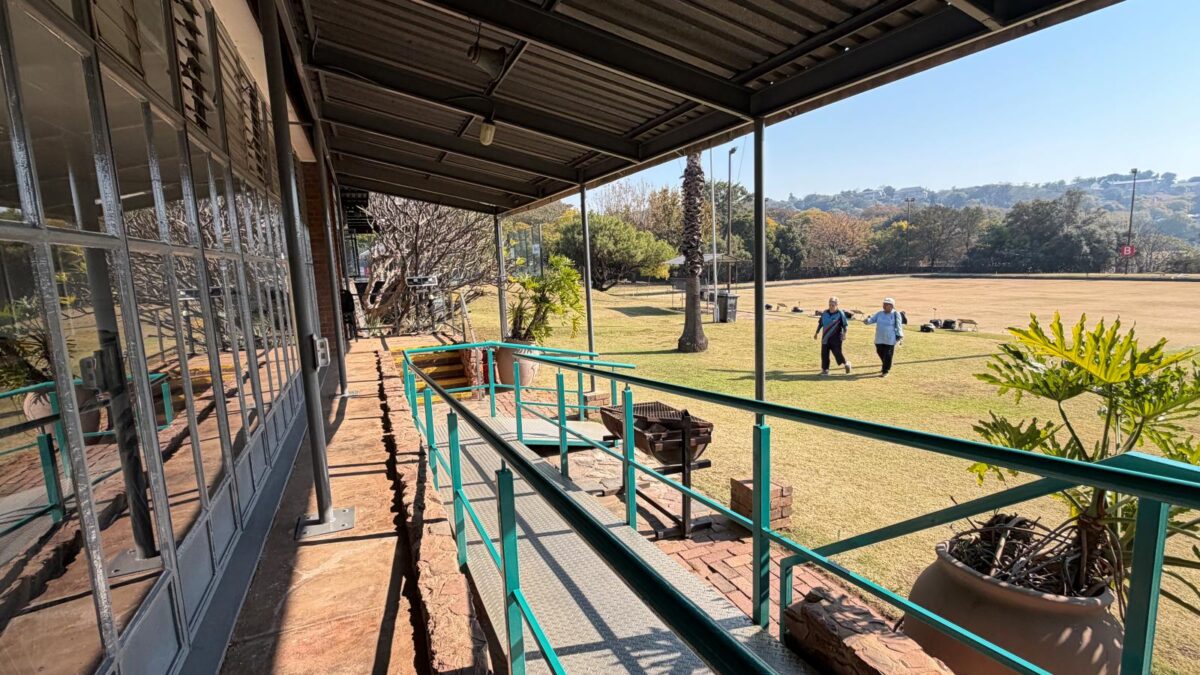
Groenkloof Bowls Club was established in 1960, and the clubhouse was originally built in 1966. Since then, there have been many developments.
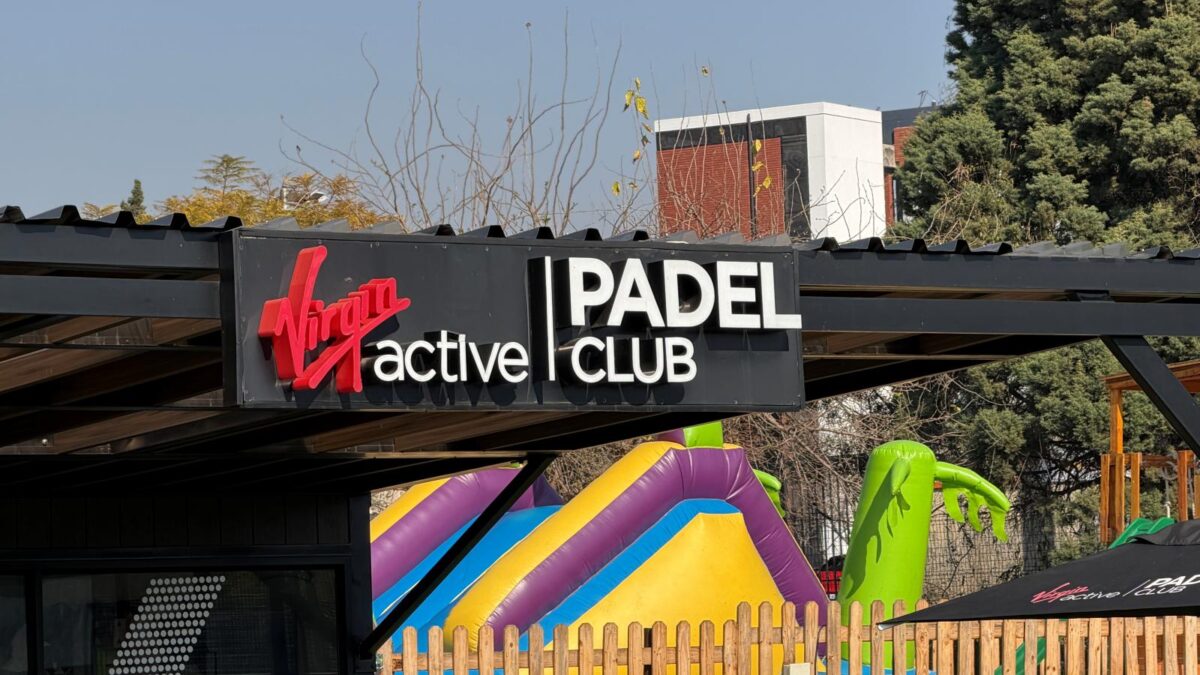
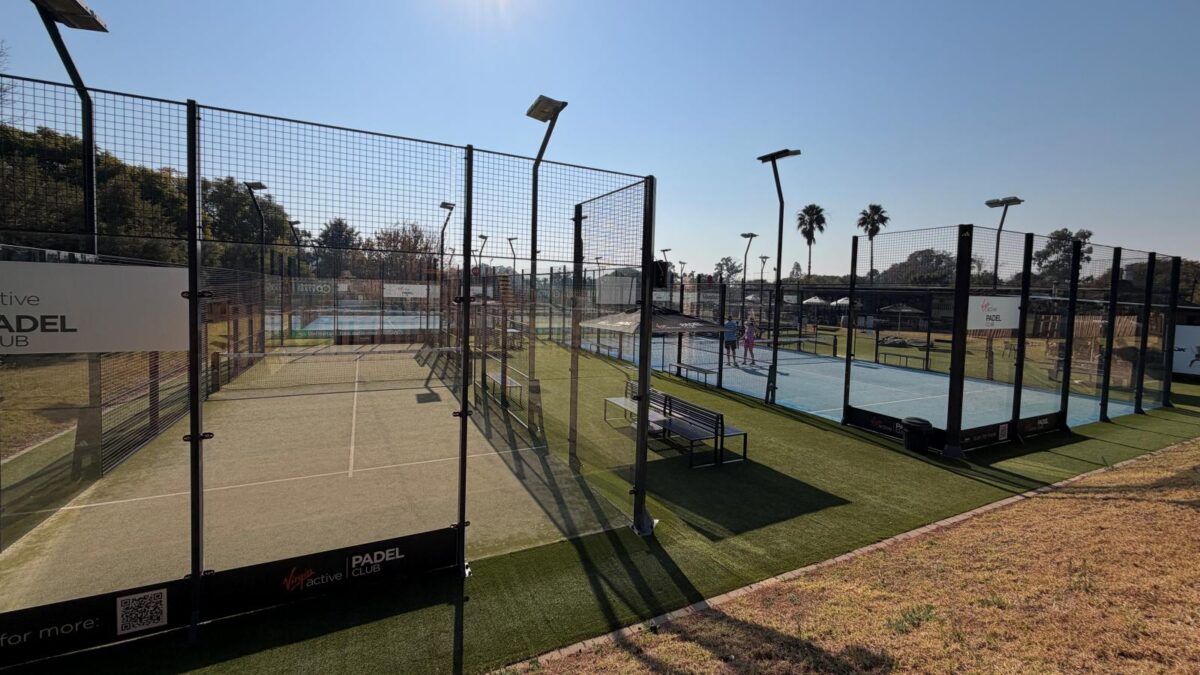
Padel courts have been built on the grounds, increasing the number of people visiting the club and its facilities.
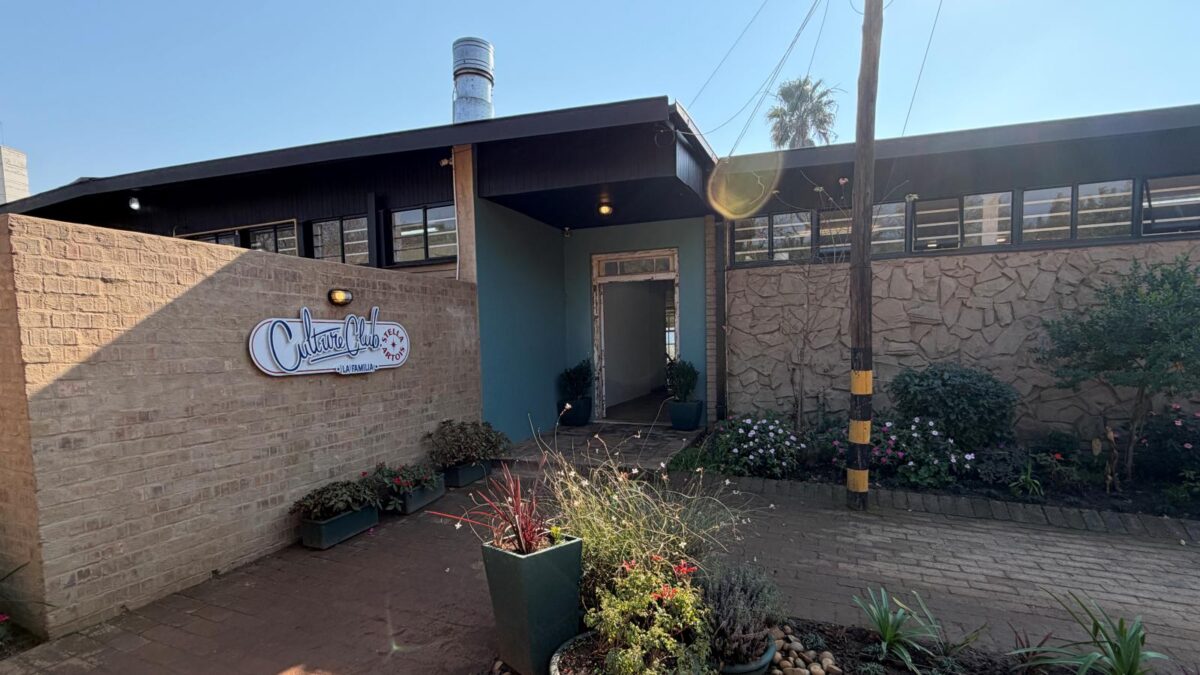
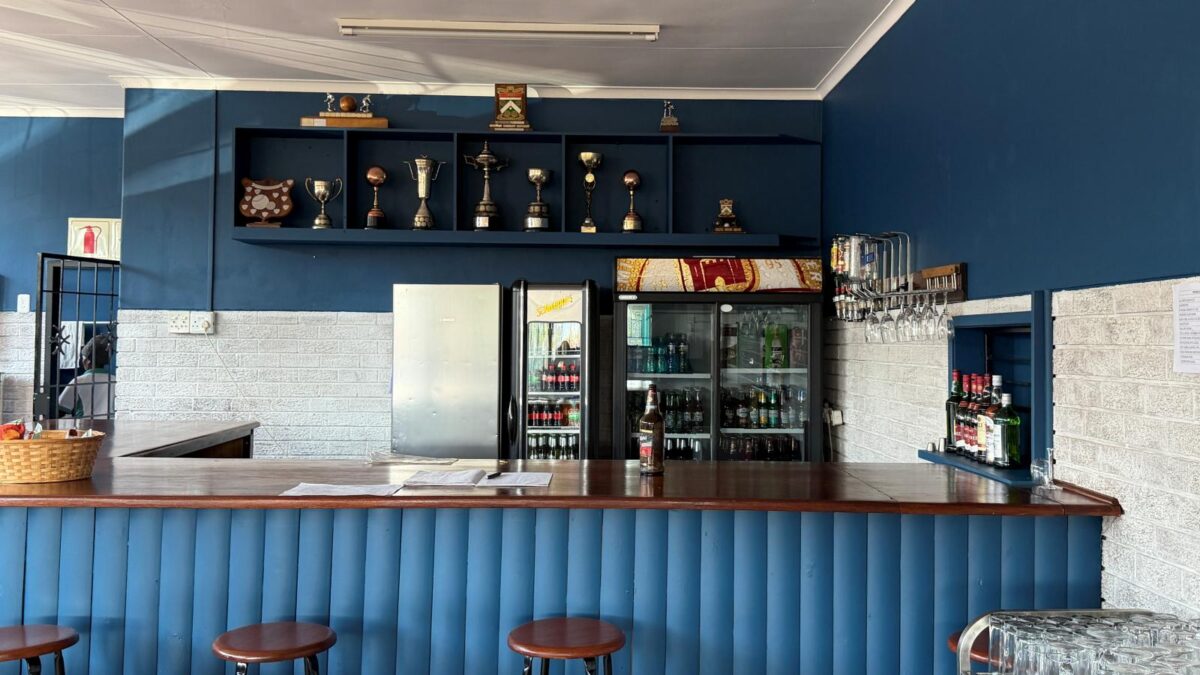
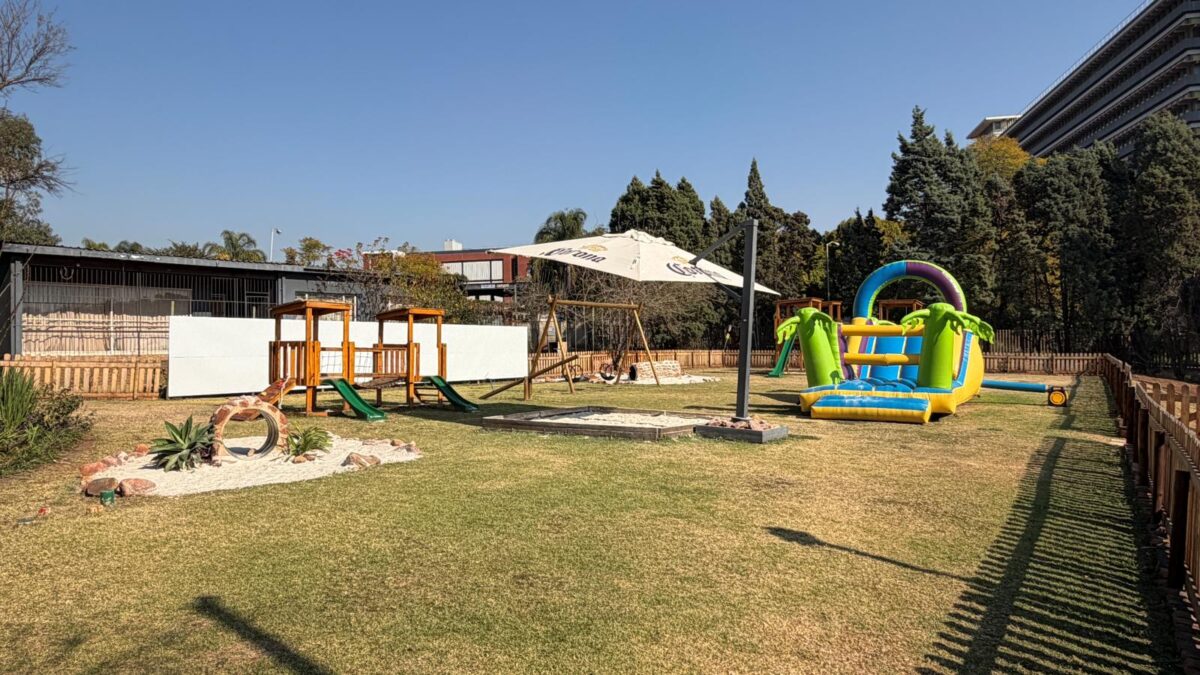
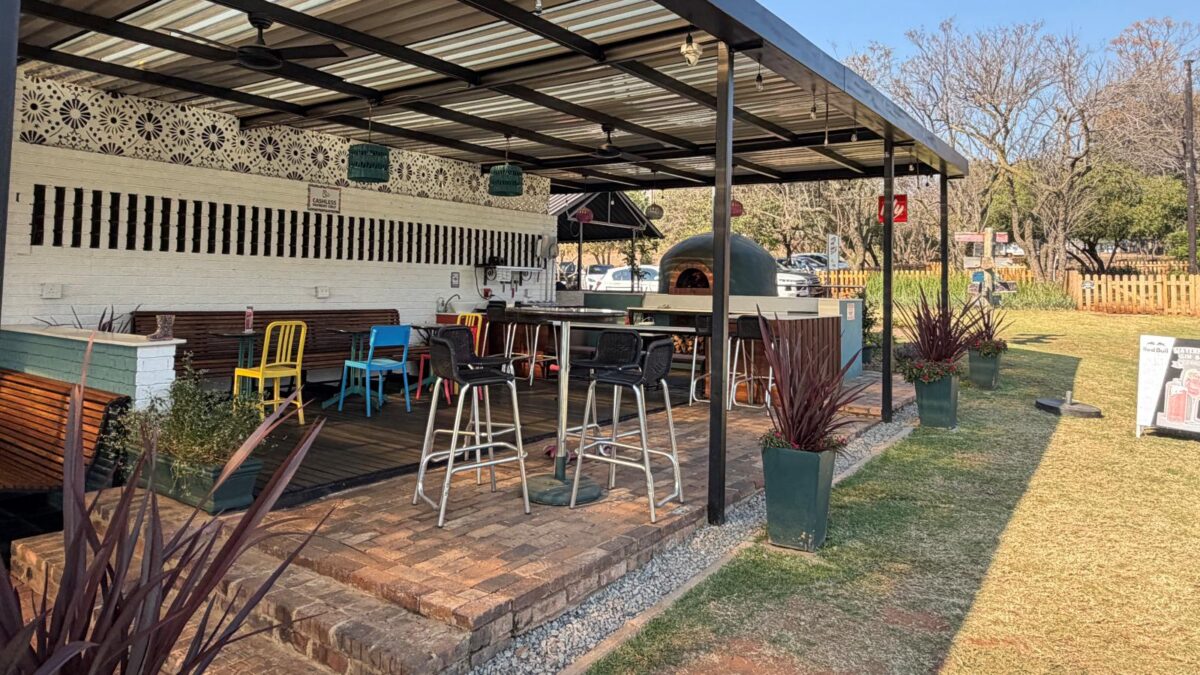
One of these facilities is the Culture Club bar and restaurant, which offers visitors a relaxed environment to enjoy a cup of coffee or a cold beer.
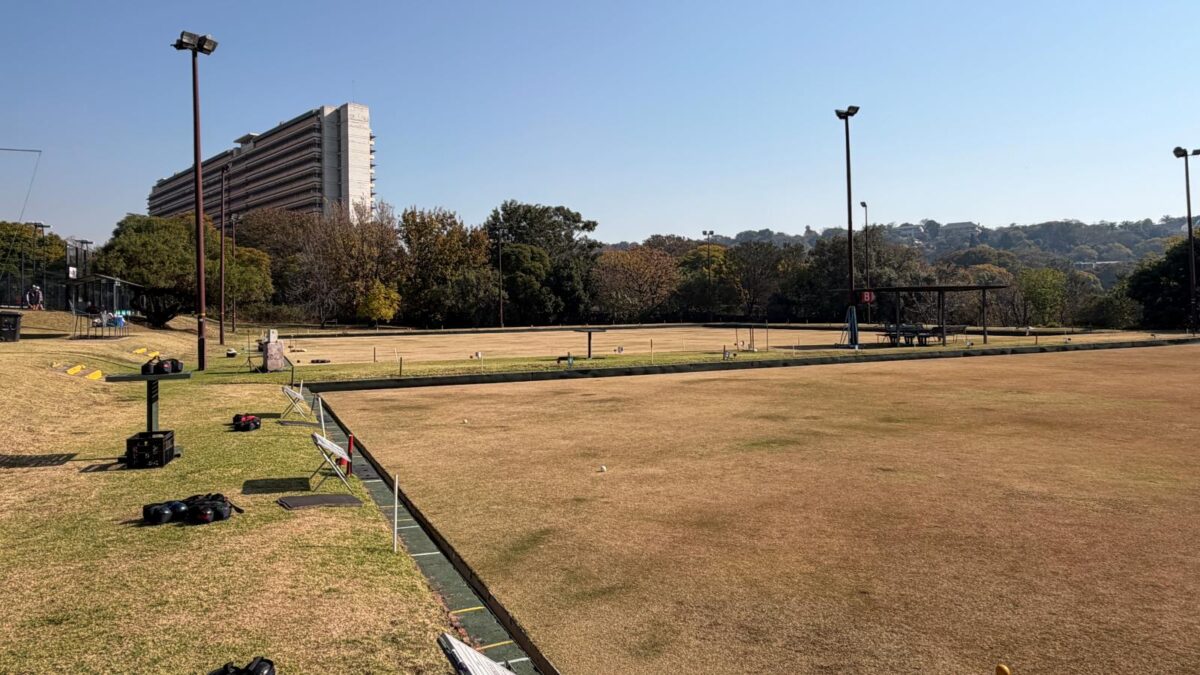
These sports fields and bowling greens are iconic landmarks in Pretoria, and have become an important social point in the community.
During a recent Newsday visit to the Groenkloof Bowls Club, there was a lot of social activity beyond the usual sporting activities.
The sports club holds a 99-year lease with the City of Tshwane, which remains legally valid until 2056.
However, the 99-year lease does not mean the Groenkloof Bowls Club is secure, or that business will be as usual for the next three decades.
The City of Tshwane has unveiled plans to construct a high-density residential development and other facilities on these grounds.
According to a statement from the Freedom Front Plus, the metro is planning to sign a new long-term agreement with commercial developers.
The proposed development includes a shopping centre, an office complex, and a 12-storey apartment building with approximately 1,800 low-cost residential units.
The city said that it plans to subdivide the property for development. However, many people are concerned that it would eventually take over the full grounds.
Groenkloof Bowls Club President, Frikkie van Rensburg, told Newsday that they are opposed to the new planned development.
He explained that there is no certainty of what would happen to the club and its facilities, and that they have not been consulted.
Battle around the Groenkloof Bowls Club grounds
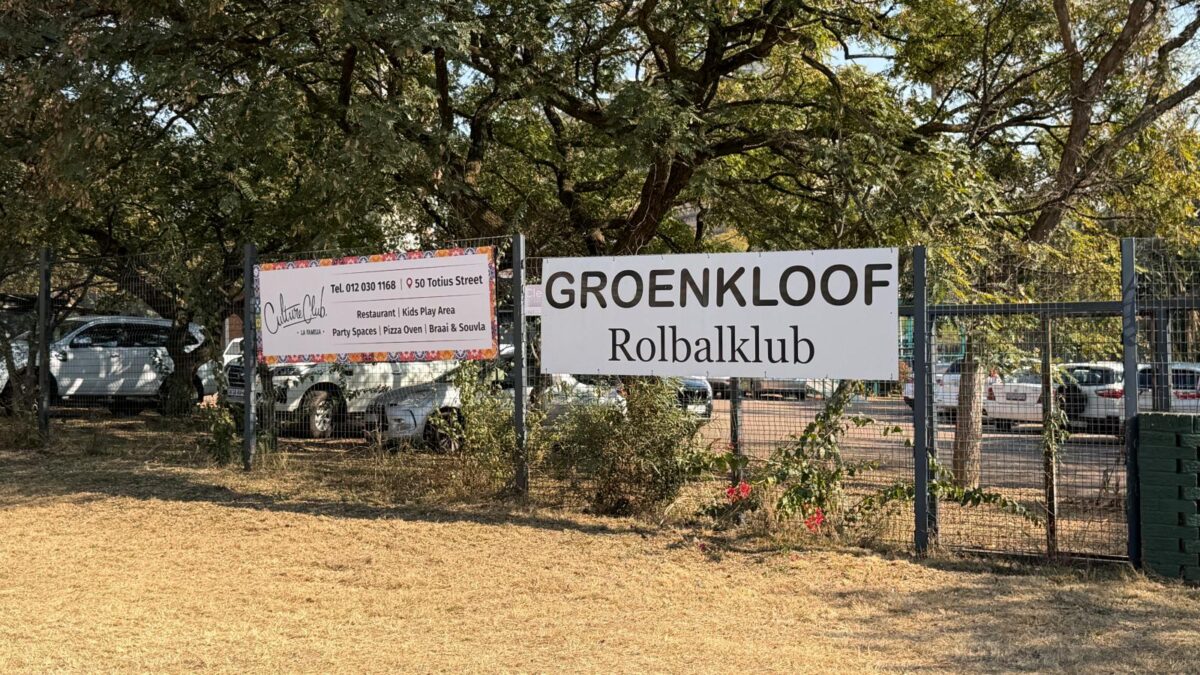
On 23 June 2026, the Groenkloof Residents’ Association wrote to Mncedi Ndzwanana, the Speaker of the Tshwane Council, about the issue.
It requested that the proposed notarial lease of a portion of the Groenkloof Bowls Club, also known as Vriendekring, be withdrawn from the council agenda.
It said there should be a further administrative review on procedural fairness grounds and for incomplete consideration of public participation inputs.
It raised concerns about compliance with the procedural fairness requirements under the Promotion of Administrative Justice Act 3 of 2000 (PAJA).
The Groenkloof Residents’ Association also pointed to problems related to the public participation obligations under SPLUMA and applicable municipal by-laws.
Ndzwanana responded, saying that the initiator of the report, in this case, the Executive Mayor, can withdraw the report from the council agenda.
“The Executive Mayor is the only one authorised to withdraw a report by the executive,” he explained. This did not happen.
In the City of Tshwane Council meeting held on 25 June 2026, the council approved the long-term lease of 2.422 hectares for the mixed-use development.
It also approved the amendment of the existing Pretoria Vriendekring lease to allow the bowling club to remain on a smaller portion of the property.
“This is a significant decision because it commits the city to making the land available for the proposed development under a 50-year notarial lease,” the association said.
It highlighted that the City of Tshwane Council has not approved the actual development itself.
“No rezoning, building plans, environmental approvals or construction approvals have yet been granted,” it said.
“Those processes must still follow and will each require compliance with the relevant planning legislation.”
Concerns about the new mixed-use development
The Groenkloof Residents’ Association, together with many residents and organisations, raised concerns about the development.
These concerns include increased traffic and congestion, and the capacity of existing municipal infrastructure, including water, sewer and electricity.
There will also be a loss of valuable green and recreational space, and it will impact nearby hospitals, care facilities, and surrounding residential properties.
There will be a cumulative effect of increased densification within Groenkloof, which negatively impacts the community.
The Groenkloof Residents’ Association also questioned whether this type of development is appropriate for the location.
The association’s secretary, Mia Geringer, said that the council acknowledged that these concerns had been raised.
However, many of the responses indicate that these issues will only be assessed during future land-use application processes.
“We remain committed to protecting the character, sustainability and long-term interests of Groenkloof,” Geringer said.
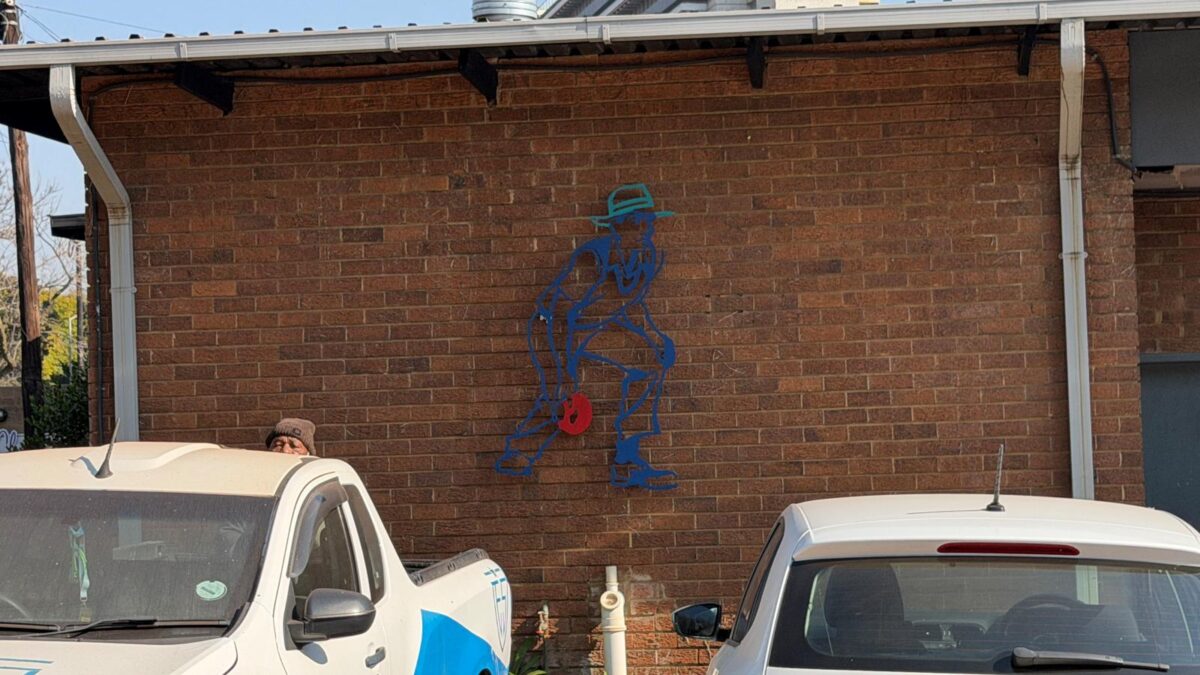
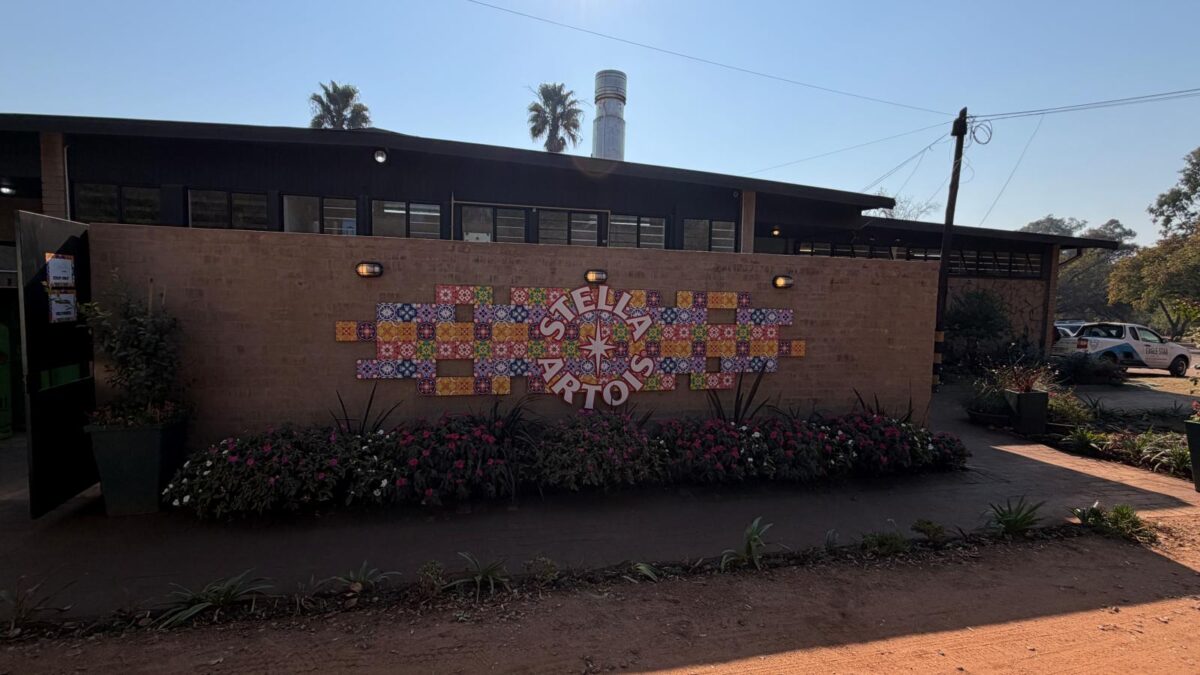
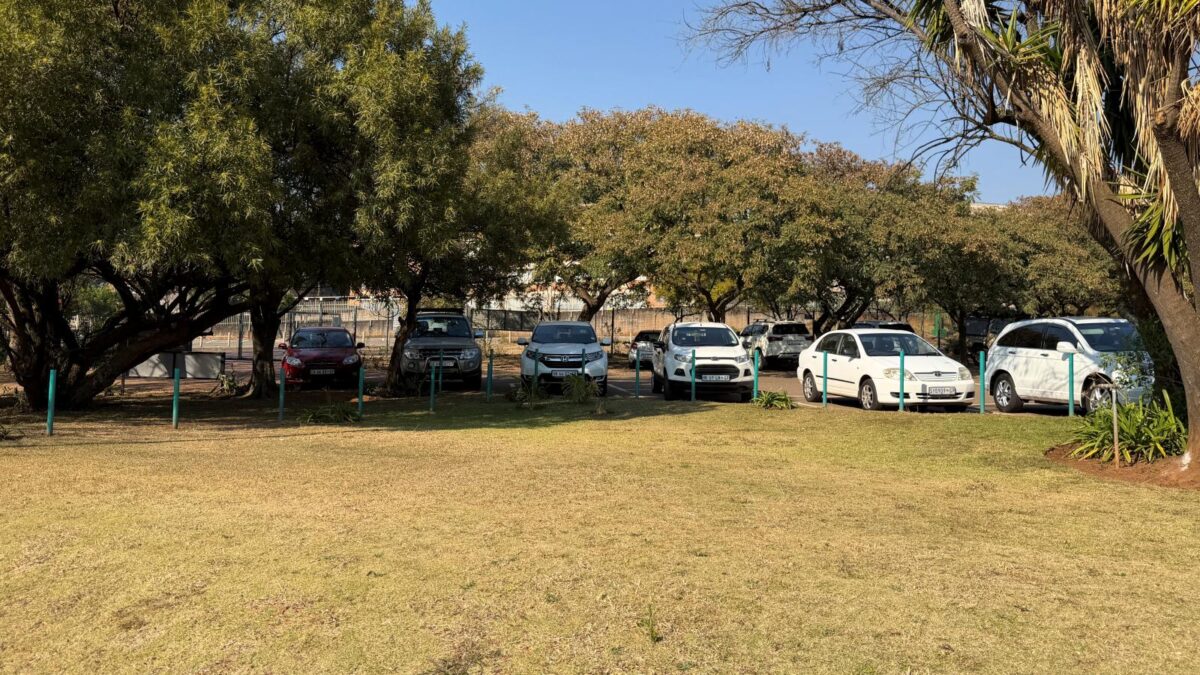
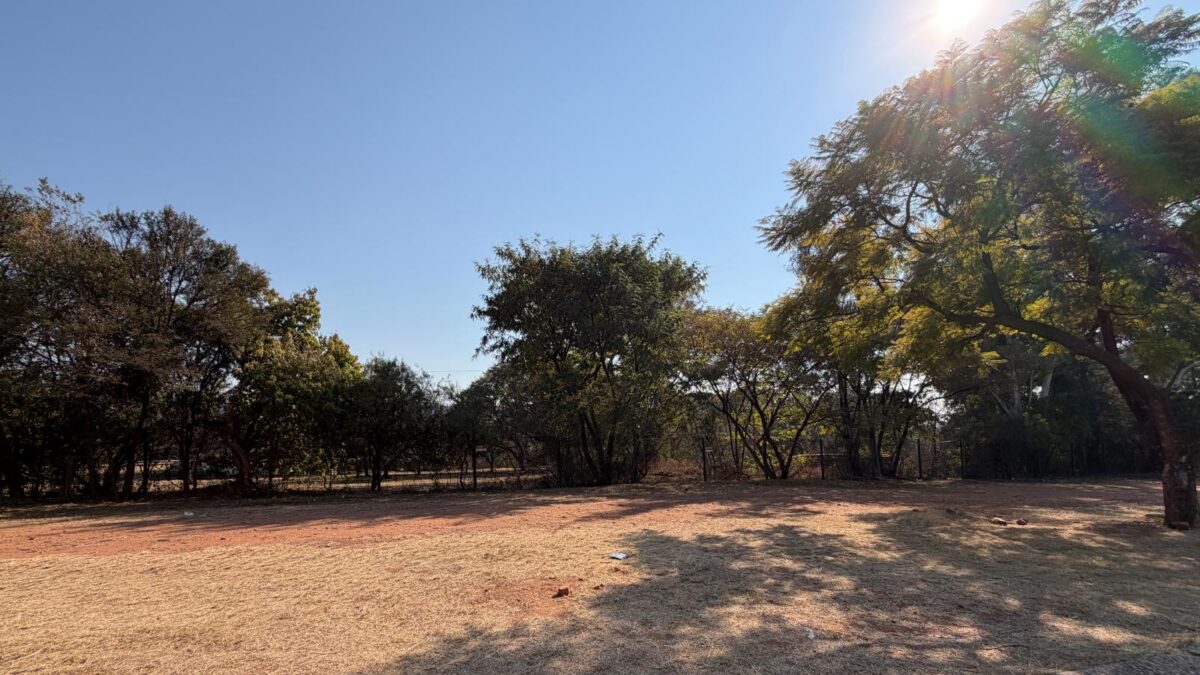
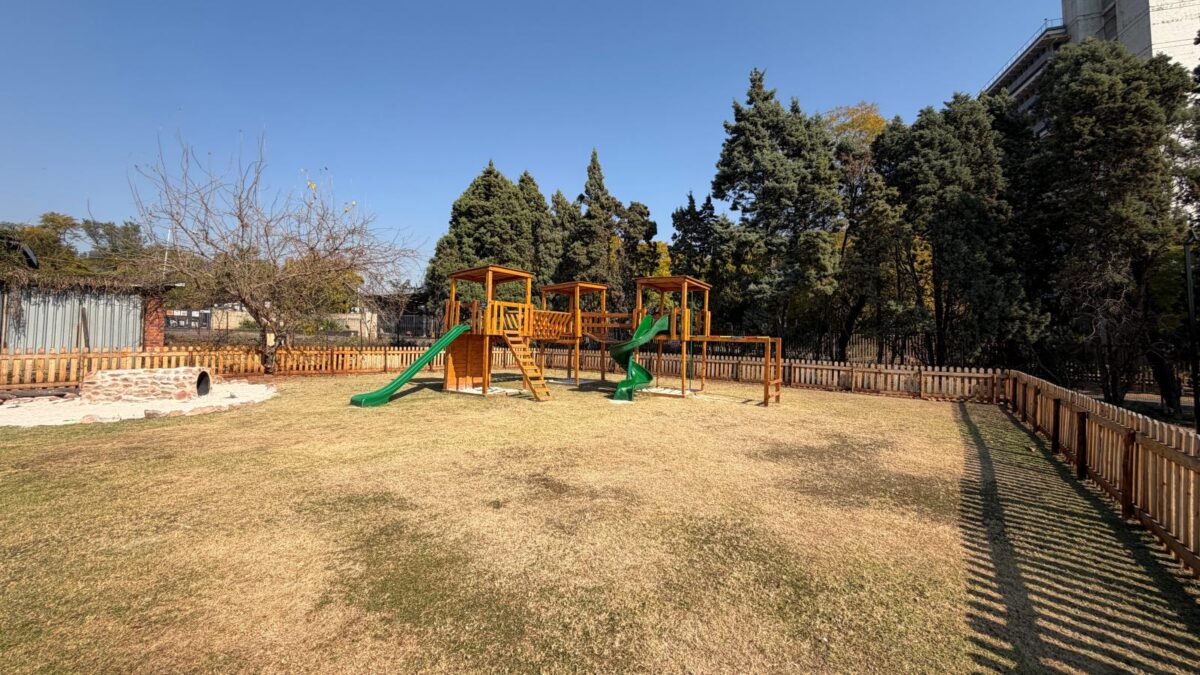
Groenkloof Bowls Club photos








 Loading ...
The country is following the same path as the UK in the 50’s – 60’s for low cost housing by building Tower Block of apartments.
Although tower blocks helped address the post-war housing crisis, many suffered from poor design, construction problems, social isolation, crime, and high maintenance costs. As a result, many were later demolished or extensively renovated, and by the 1970s the UK had largely moved away from high-rise council housing as the preferred solution.
Why can’t SA learn from mistakes other countries have made.