
Expropriation without compensation process launched to take private land in major South African metro


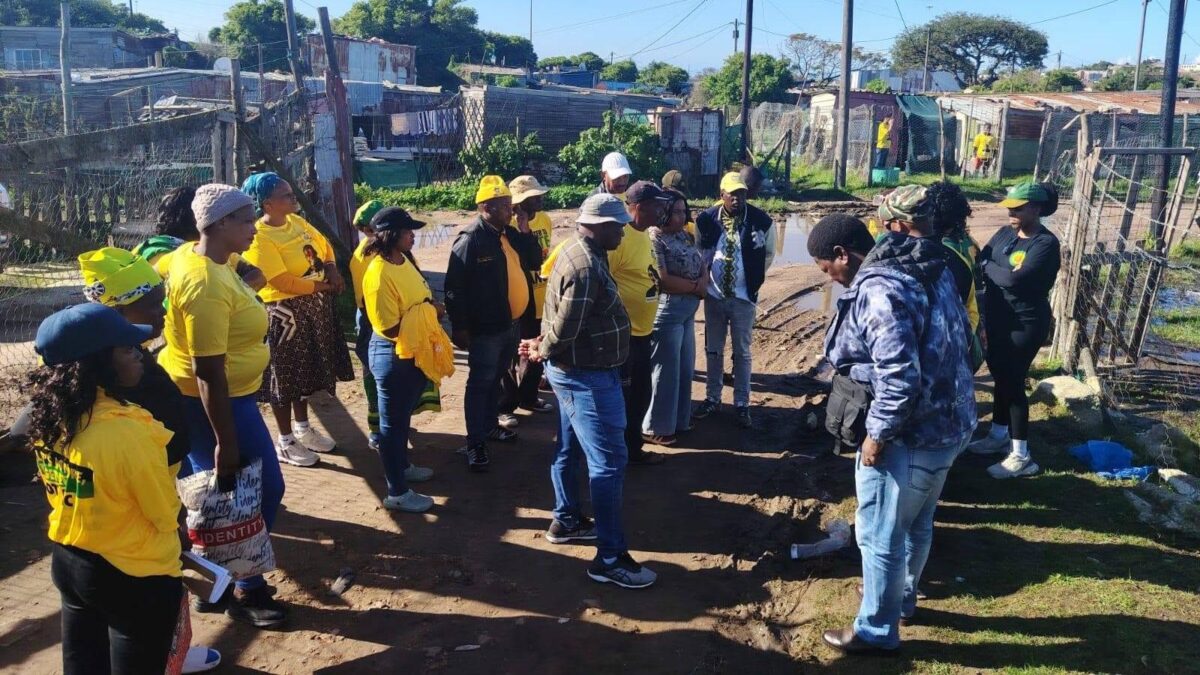
The ANC-led coalition government in Nelson Mandela Bay Metro started the process to expropriate private land without compensation.
Nelson Mandela Bay Metropolitan Municipality in the Eastern Cape is one of eight metropolitan municipalities in South Africa.
The municipality comprises the city of Gqeberha, formerly Port Elizabeth, the nearby towns of Kariega and Despatch, and the surrounding rural areas.
On 8 June 2026, a Special Sitting of Council convened and approved the initiation of a land expropriation process without compensation.
This, the ANC said, was done in accordance with Section 25 of the Constitution, to facilitate the implementation of the Kleinskool Housing Project in Bethelsdorp.
The Kleinskool Housing Project is a subsidised housing development in the Bethelsdorp area of Nelson Mandela Bay.
“Following unsuccessful attempts to reach an agreement with the landowner, Council resolved to proceed with the expropriation process,” it said.
“The expropriation process was to ensure the continued development of housing opportunities for residents.”
The ANC Nelson Mandela Region said that the matter was previously considered by the Mayoral Committee in May 2026 before being submitted to Council.
The Kleinskool settlement saga
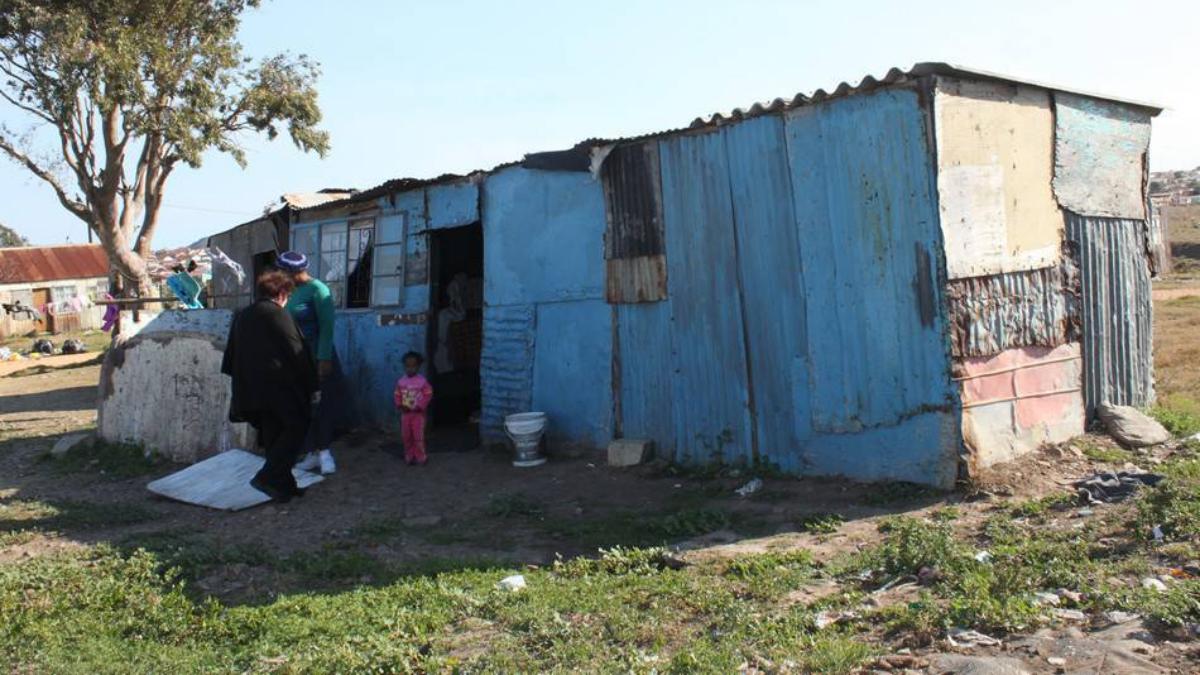
The Kleinskool settlement saga dates back to around 2010 during the initial township establishment and the rollout of Phase 1 of the housing project.
The ANC-led municipal administration allowed development and informal occupation to proceed without properly resolving or securing the land’s legal status.
Thousands of households were settled, and infrastructure was planned, on parcels of land that remained privately owned.
The local government later claimed that the rightful private landowners of these properties were untraceable, using this to justify an administrative intervention.
Opposition parties, particularly the Freedom Front Plus (VF Plus) and the Democratic Alliance (DA), have strongly countered this narrative.
They argue that the municipality failed to table a comprehensive land audit or provide concrete proof of thorough Deeds Office investigations.
As it pushed to launch Phase 2 of the Kleinskool Housing Project and issue title deeds to residents, it faced a legal problem because it did not own the underlying property.
To bypass this, the ANC-led coalition government in Nelson Mandela Bay moved to invoke expropriation processes.
The move was widely characterised as an attempt at expropriation without compensation of private land.
It faces resistance from political opponents and property rights advocates, who view it as a dangerous precedent of administrative dereliction.
Strong opposition from the Freedom Front Plus
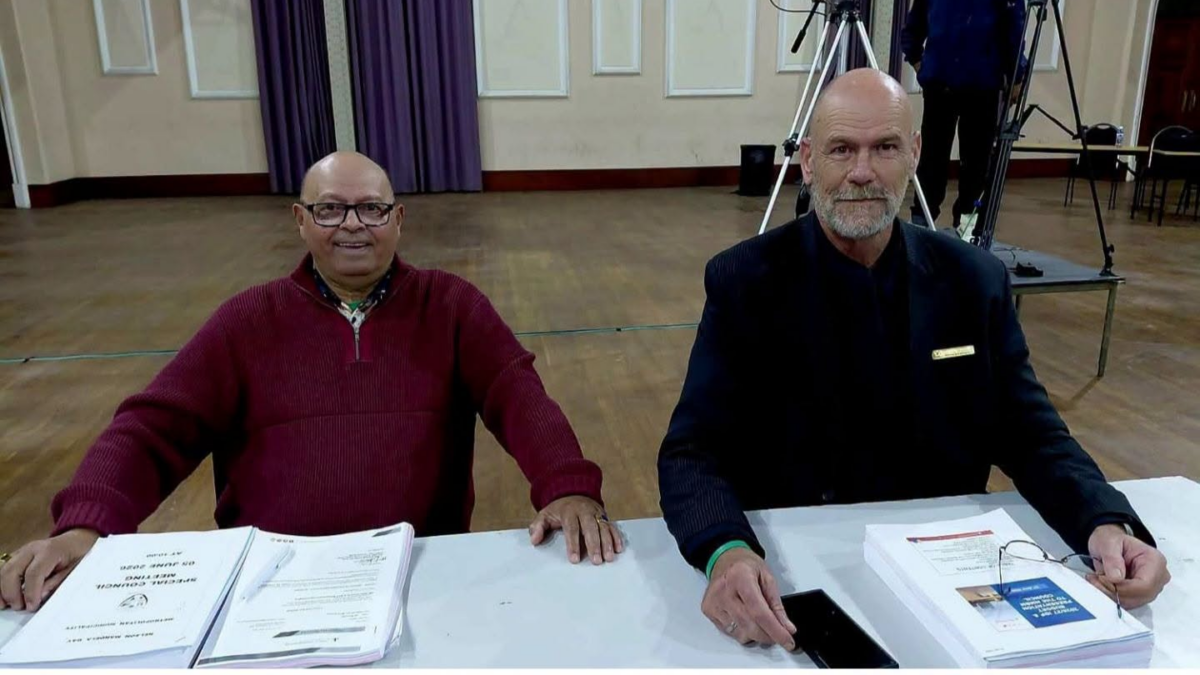
Bill Harington, Freedom Front Plus Provincial Chair in the Eastern Cape, is a strong opponent to the expropriation of private land without compensation.
He said this action is a desperate attempt to cover up the Nelson Mandela Bay Metropolitan Municipality’s years of administrative failures.
He said the crisis affecting the Kleinskool settlement is a direct consequence of the Metro’s own negligence.
“Official documents show that the Metro has been aware of the land ownership issue since the township establishment process began,” he said.
“Despite this, the ANC administration allowed the project to continue without resolving the land status.”
“The project has been dragging on since around 2010 due to poor planning. To this day, a comprehensive land audit has not been tabled before the Council.”
Harington said that resorting to expropriation to rectify these mistakes constitutes administrative dereliction, violates the law, and infringes on property rights.
“The coalition is attempting to take legal shortcuts that could jeopardise private property rights across the Metro,” he said.
“A hasty and unlawful expropriation process could expose the Metro to compensation claims amounting to millions and protracted litigation.”
He said that the only sustainable solution is a land audit, transparent negotiations with landowners, and a lawful process that protects the rights of residents and owners.
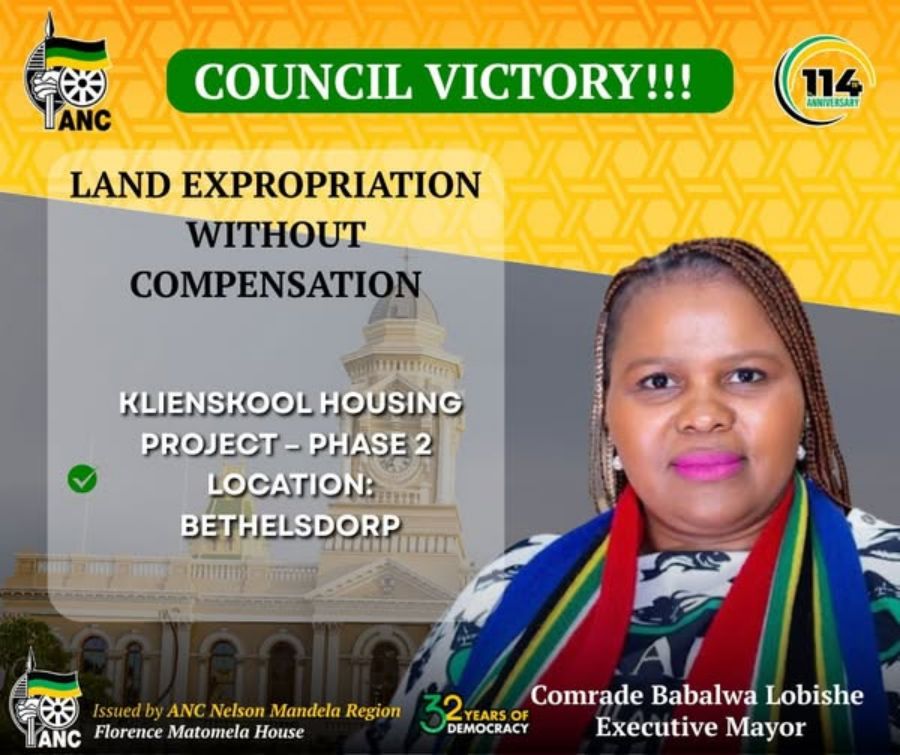
ANC Nelson Mandela Region post about expropriation without compensation




 Loading ...
Julle gaan julle gatte sien by die stembus…