
Historic citrus farm collapsed after it was given to black beneficiaries in a land restitution programme


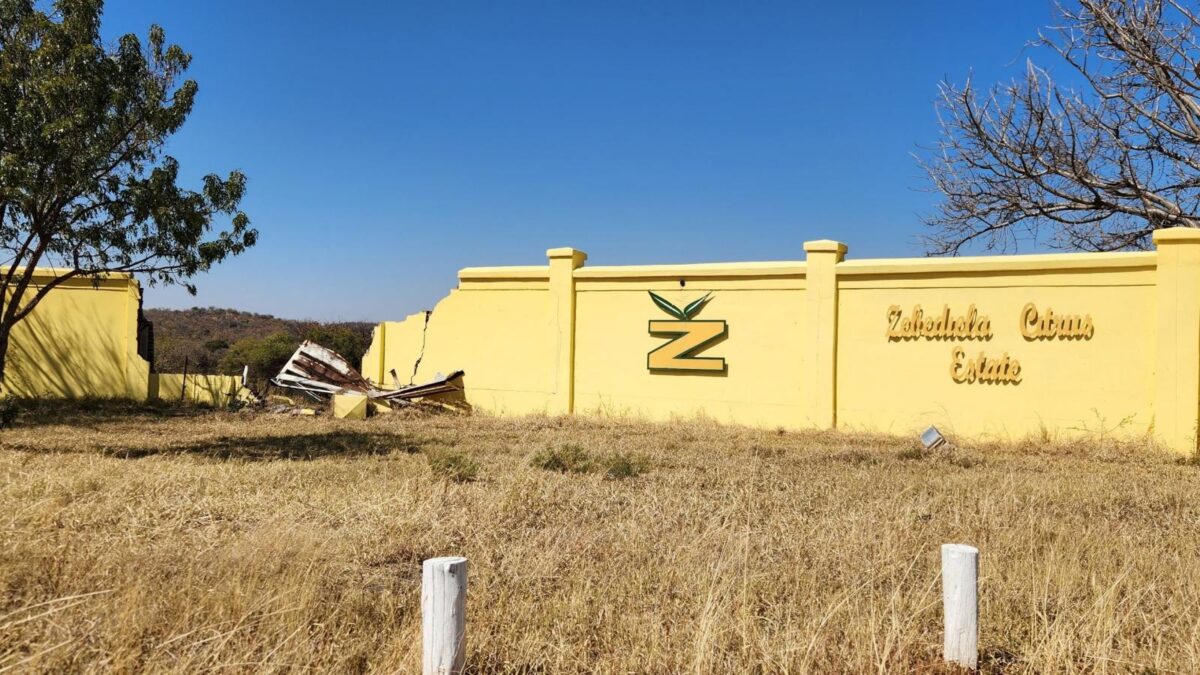
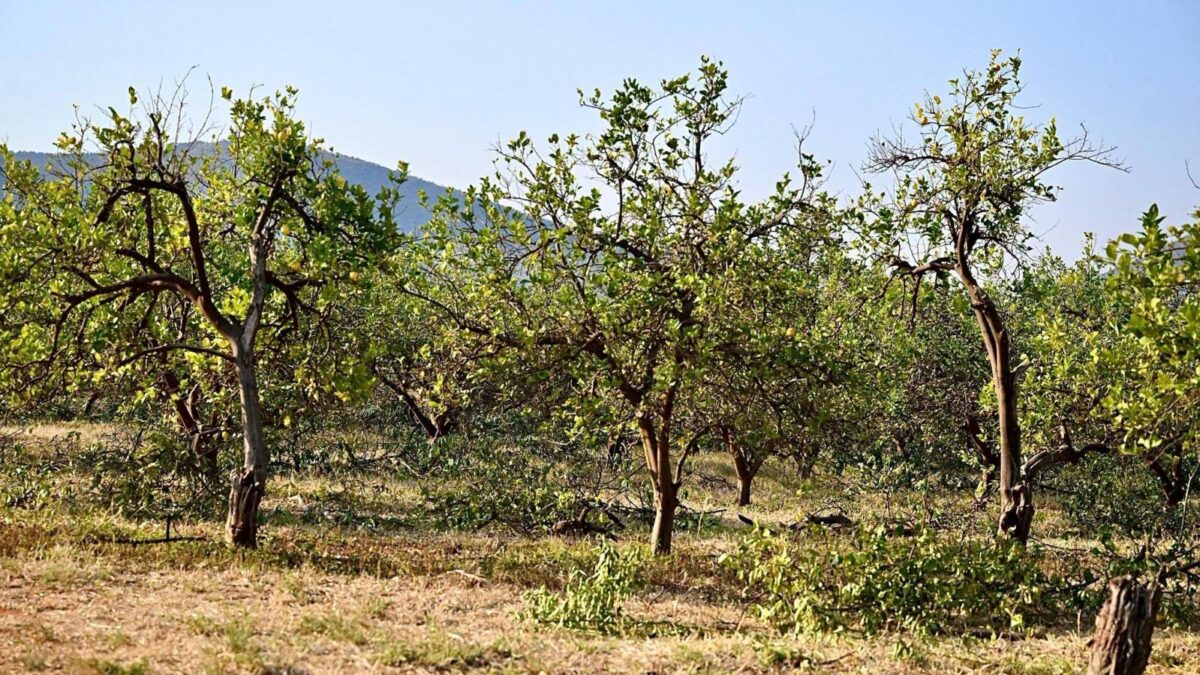
The Zebediela Citrus Estate in Limpopo, which was the largest single citrus producer in the Southern Hemisphere, collapsed after being handed over to new owners in 2003
The historic citrus farm rose to prominence again after the Limpopo Provincial Government unveiled plans to resurrect the estate earlier this year.
To understand the debacle, it is important to look at the estate’s history and what happened after the property changed ownership.
Zebediela Citrus Estate in the Lepelle-Nkumpi Local Municipality was founded in 1917 and grew to 13,000 hectares at its peak.
It was the largest citrus estate in the Southern hemisphere, producing three million cartons of citrus annually for export markets.
The estate supplied premium fruit to Europe and positioned itself as a global benchmark in citrus production.
It was a major regional economic engine south of Polokwane, employing hundreds of permanent staff and thousands of seasonal workers.
It also funded local schooling and put generations of community members through professional studies.
In 2003, as part of South Africa’s post-1994 land restitution programme, ownership of the estate was transferred to the Bjatladi Communal Property Association (CPA).
The Bjatladi Communal Property Association represented 400 local households and thousands of beneficiaries.
Over the next two decades, the estate spiralled into operational collapse due to several compounding factors.
The problems included a breakdown in internal governance, factionalism, financial mismanagement, and corruption.
The Zebediela Citrus Estates debt ballooned to between R170 million and R180 million, forcing the operating entities into voluntary liquidation.
To add to the misery, a fire in 2023 destroyed a primary packhouse, which was left unguarded and unfenced.
The farm suffered severe vandalism, including the stripping of irrigation gear, the cutting of trees for firewood, and open cattle grazing.
Former Shoprite CEO White Basson warns about the expropriation of farms

Former Shoprite CEO Whitey Basson said that the Zebediela Citrus Estate serves as a warning against expropriation without compensation.
“Expropriation without compensation would be the most foolish policy imaginable because it violates fundamental global economic principles,” he said.
He said that people simply don’t grasp the real-world consequences of taking productive land from farmers.
“Look at the failed examples like the Zebediela Citrus Estate, or the property adjacent to my hunting farm,” he said.
“The beneficiaries aren’t even living in the farmhouse. They’re living in shacks on the property because none of them was trained farmers.”
He said that the people who received the farms were just local residents who happened to be at the front of the queue for land reform.
He said that he genuinely believes people should have access to land and ownership. However, it must be done through a model that actually functions.
“The current redistribution model is broken. I’m not saying the objective is wrong, but we need a practical, working framework,” he said.
“Government needs to sit down at the table, admit the current strategy has failed, and implement an approach that actually creates sustainable commercial farming.”
Limpopo Provincial Government plans to resurrect the Zebediela Citrus Farm

In March 2026, the Limpopo Provincial Government said that it planned to resurrect the Zebediela Citrus Farm.
Limpopo Premier Phophi Ramathuba said the resurrection of Zebediela Citrus Farm Estate is an economic priority to develop the province.
The estate’s revival is a community-driven initiative, with a master plan currently under consideration.
Once revived, a steering committee will be established to manage the estate, with a technical committee to support it.
This committee will include representatives from the Office of the Premier and the Department of Economic Development, Environment, and Tourism (LEDET.
The National Department of Land Reform and Rural Development will also have a representative on the committee.
“Zebediela Citrus Estate remains a strategic asset in our mission to drive inclusive economic growth and restore the pride of our agricultural sector,” Ramathuba said.
“We are encouraged by the progress achieved through focused interventions and strengthened partnerships.”
“Our commitment is to ensure that this revitalisation translates into sustainable jobs, skills development and meaningful opportunities.”
Ramathuba has assured the community members that things will be done differently to keep the farm afloat this time around.
“The government will ensure that the farm stands as a symbol for Limpopo’s booming agriculture,” she said.
“When the success of the farm declines, its impact goes beyond agriculture but touches the lives of those who depend on it for survival.”
“This farm produced doctors, engineers, teachers and nurses in the past. If you meet any professional from Zebediela, they will tell you it was because of this farm.”
The revitalisation will be implemented in phases, with current plans to double production from 1,500 hectares within the next few years.
Once fully operational, the project is expected to create 2,000 permanent jobs, a boost for a region grappling with high unemployment.
In addition to restoring citrus orchards, the partnership intends to establish a processing facility to produce orange juice and related products.
This move towards value addition is expected to unlock further employment opportunities and strengthen the estate’s commercial viability.
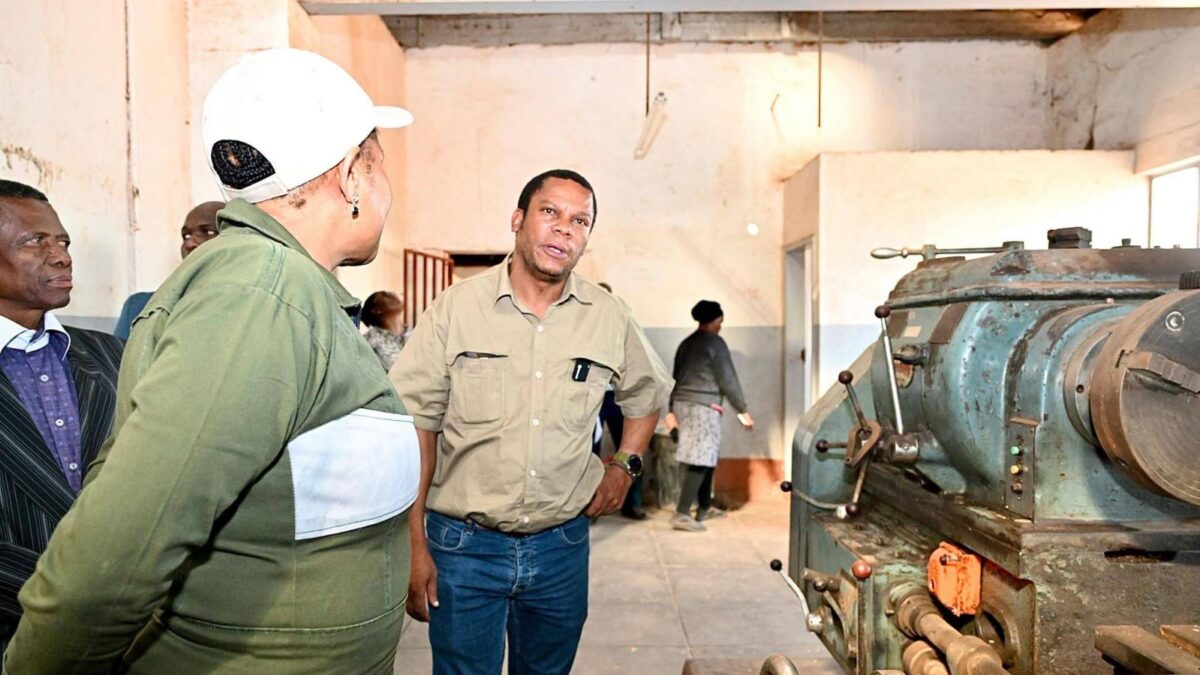
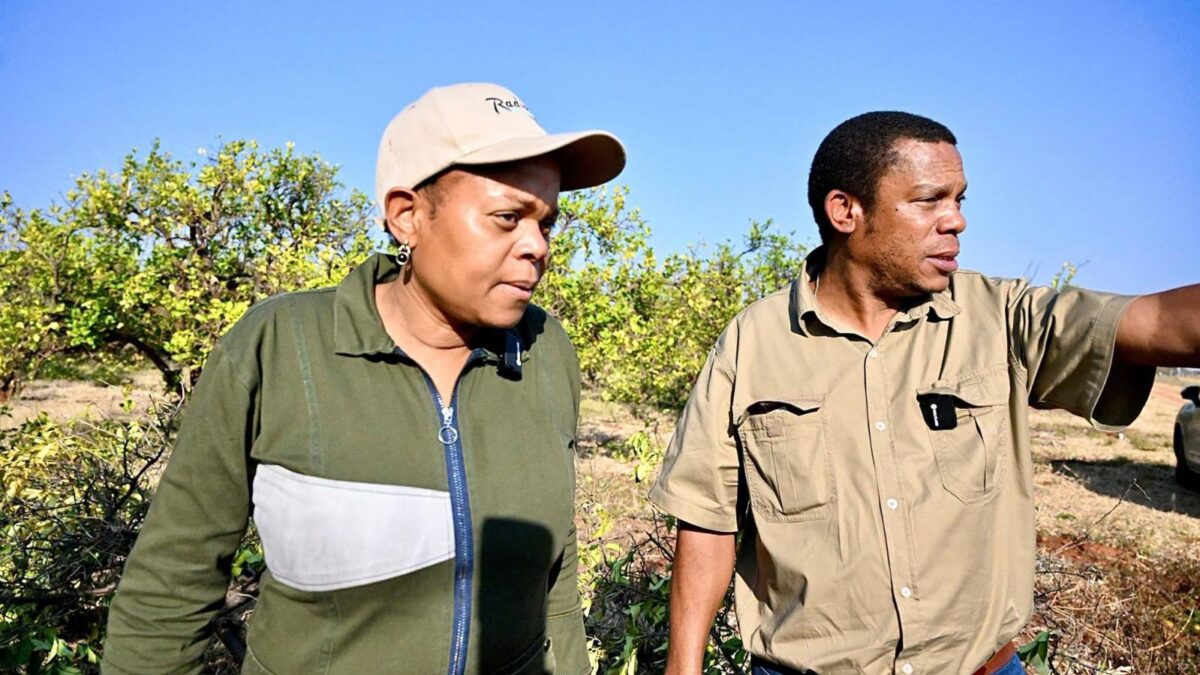
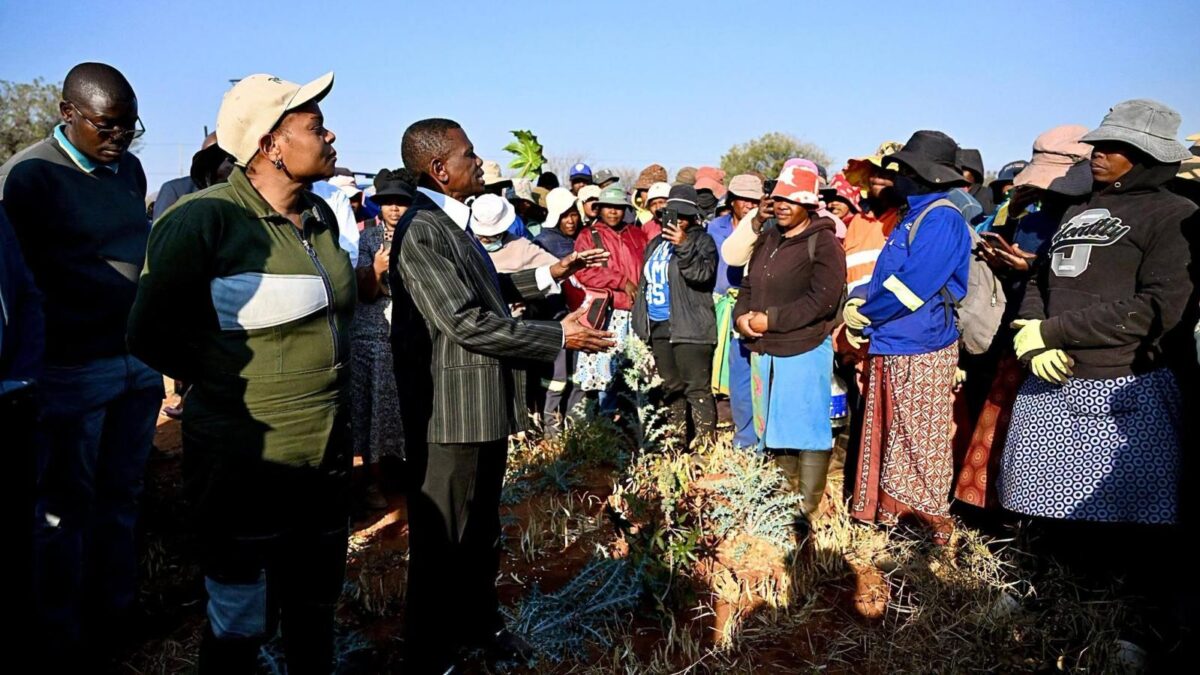
Photos of the Limpopo Premier Phophi Ramathuba’s visit to Zebediela Citrus Farm













 Loading ...
This outcome was never going to be different. That lot only know theft and destruction.