
The 153-year-old town in South Africa that created a R1.4 million coin


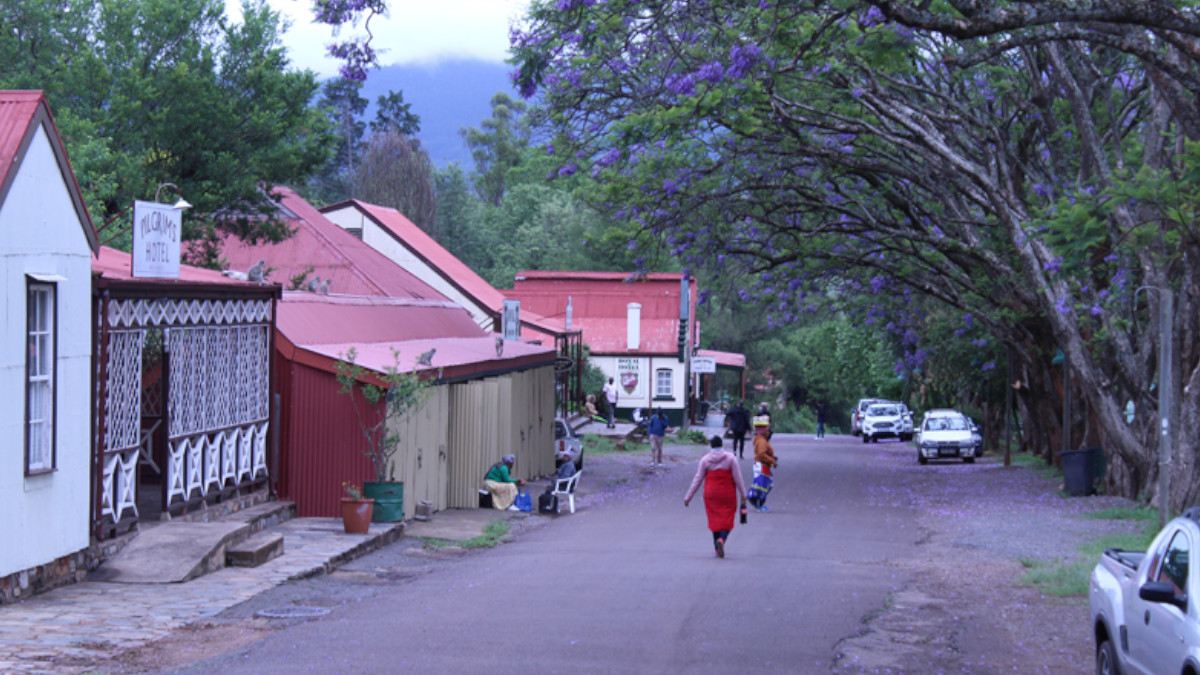
Pilgrim’s Rest in Mpumalanga was created during the nineteenth-century gold rush and is where the rare veld pond coins originate, which can command R1.4 million at auction.
The town’s history dates back to 1873, when payable gold was discovered on the farm Geelhoutboom near the town of Sabie on the Mpumalanga escarpment, with the camp referred to as MacMac.
One of the diggers at MacMaC, Alec Patterson, left the crowded camp to prospect in the nearby areas and was able to find rich gold deposits in the Pilgrim’s Creek.
While Patterson attempted to keep the discovery a secret, a second prospector also found gold in the creek. This triggered the first major gold rush in South Africa, with Pilgrim’s Rest declared a gold field in 1873.
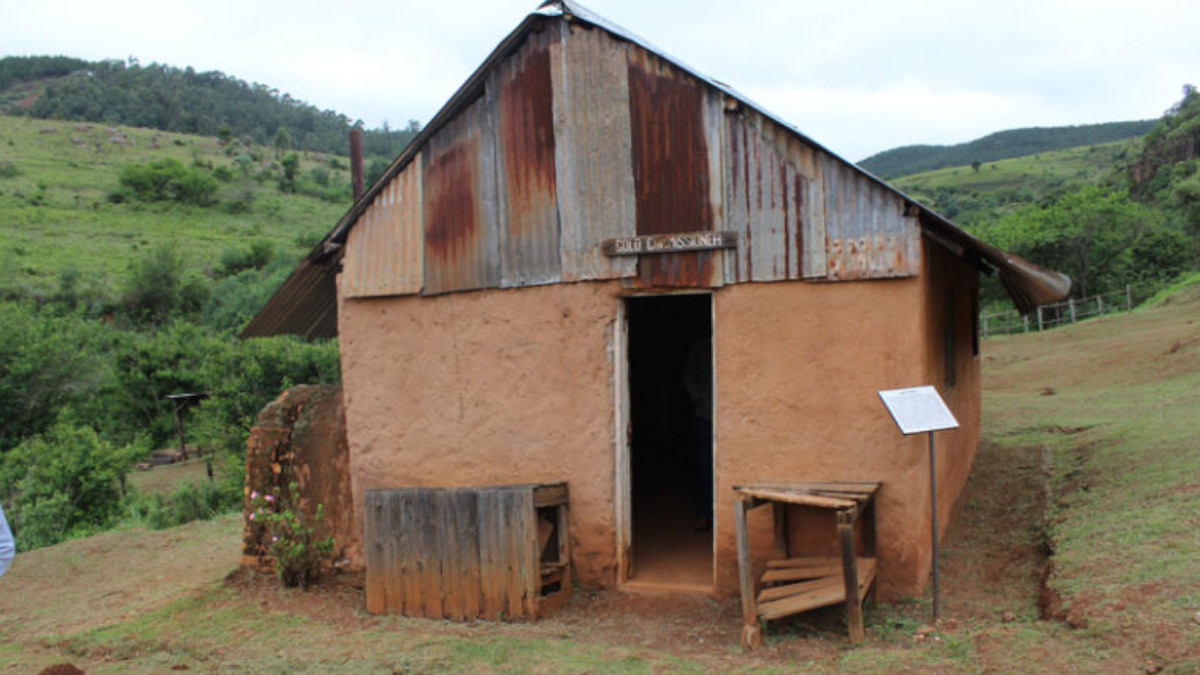
By the end of the year, there were 1,500 diggers working 4,000 claims in and around Pilgrim’s Rest. The gold commissioner is also moving to the area, given the area’s mineral wealth.
During the first decade of mining, most activity focused on alluvial gold. Gold was recovered from streams, the banks of rivers and creeks by means of sluice-boxes and cradles.
It is estimated that R2 million worth of gold was retrieved during the first seven years of alluvial mining in the Pilgrim’s Rest valley. Given its wealth, many tents in the area had been replaced by more permanent structures by the end of the century.
Following the Transvaal War of Independence, the Zuid-Afrikaansche Republiek government instituted a policy to grant concessions to companies to boost economic growth.
A London financier, David Benjamin, moved to the area and obtained all of the mining rights to Pilgrim’s Rest and the surrounding area in 1881. He settled the remaining claims of the diggers and formed the Transvaal Gold Exploration Company.
In 1885, Benjamin’s company, along with several smaller companies, merged to form the Transvaal Gold Mining Estates. The town’s history would remain intrinsically linked to the area’s gold fortunes.
300,000 tons of ore were mined per annum from the 1930s to the 1950s. By the 1950s, ore production fell to 50,000 tons per year, and the last mine closed in 1972.
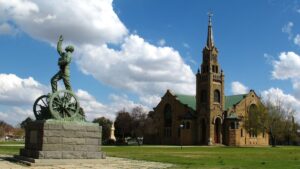
The town has survived and become a Provincial Heritage Site and a living museum. The small town is now famed for its tin roofs and churches.
A literal goldmine
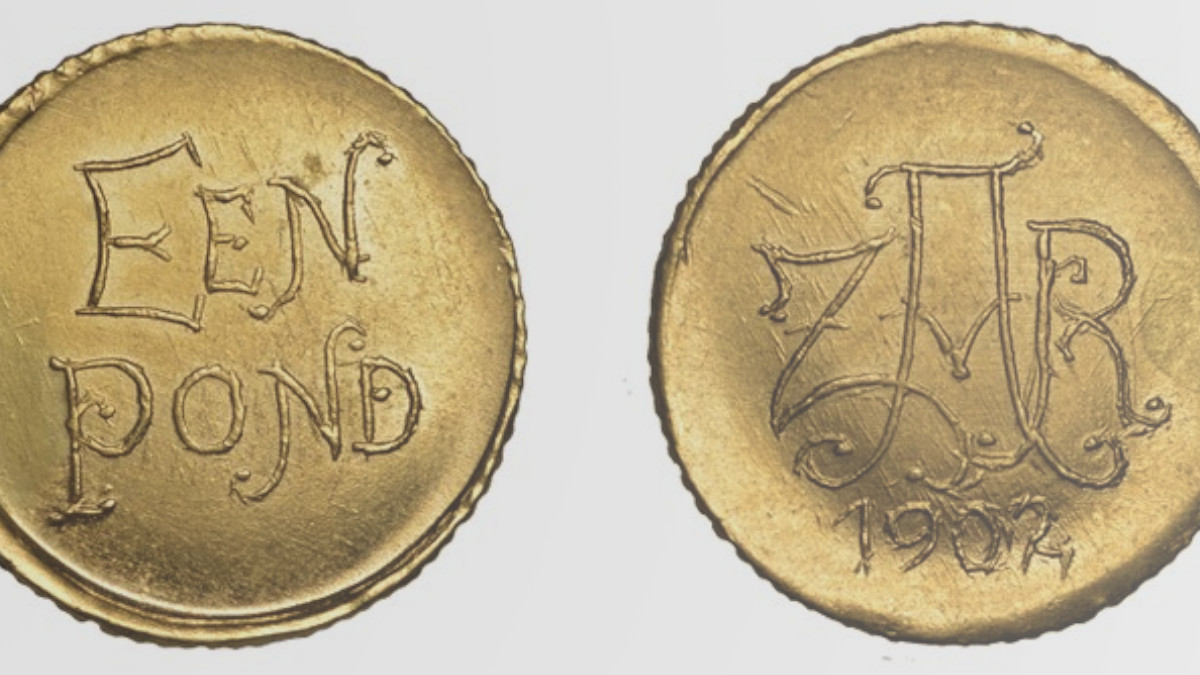
The town was also where the rare veld pond, or “field pound” in English, was created during the South African War between 1899 and 1902.
During the war, the two Boer republics were at war with the British Empire, which had gained control of the Transvaal’s gold fields and the national mint.
Soldiers took refuge at Pilgrim’s Rest, without provisions or money to acquire them. Money was already scarce, as new currency could not be minted due to the war.
While the Boer leaders needed to buy food supplies from local tribes, they would not accept paper money, preferring gold coins instead.
Gold was then discovered at Pilgrim’s Rest, and the mine was scraped for gold. A sufficient amount was found to establish a mint, with the president of the Transvaal granting permission for a field mint.
An improvised mint was then established in the abandoned Transvaal Gold Mining Estates workshops, with the Boers adapting old equipment from the mine workshops to produce coins.
Coins were manually engraved with the monogram ZAR (Zuid-Afrikaansche Republiek) and the date 1902 underneath. On the other end, the words Een Pond, meaning one pound, were chiselled.
While the number of these gold coins remains unknown, different sources estimate it between 530 and just under 970. Given that the war ended in 1902, the coin is incredibly rare.
The coins are so rare that they can easily reach hundreds of thousands. According to Landon Coleske of Bassani’s Auction House, a veld pond coin in perfect condition has sold for over R1.4 million.
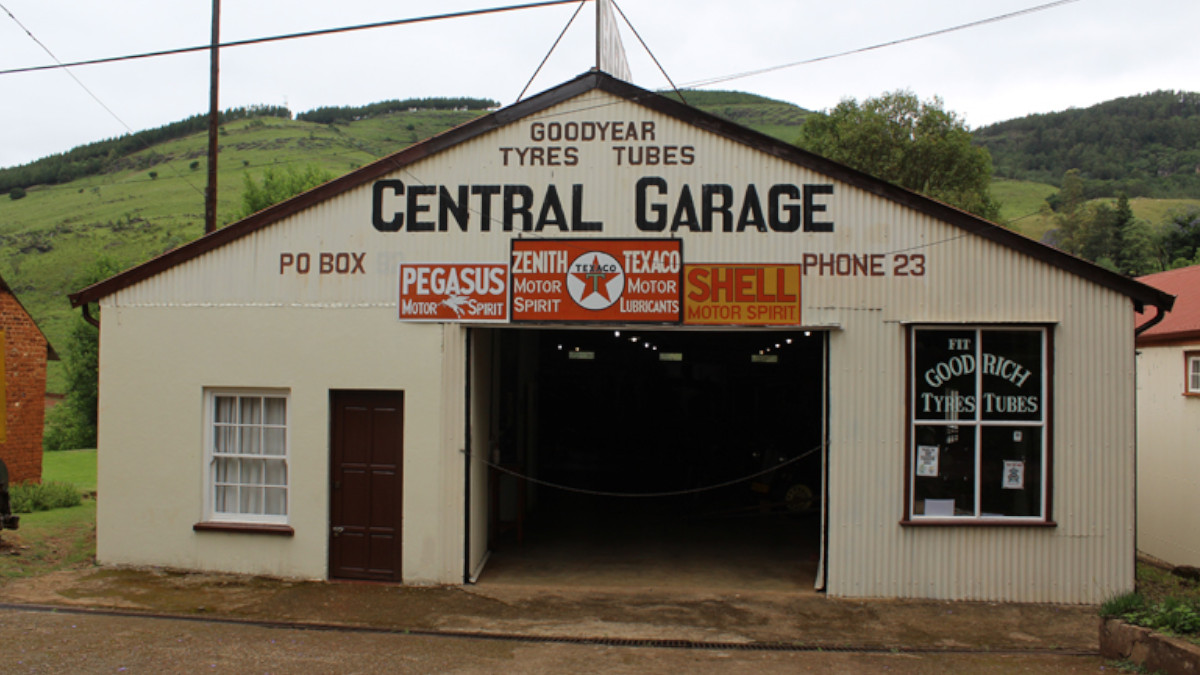
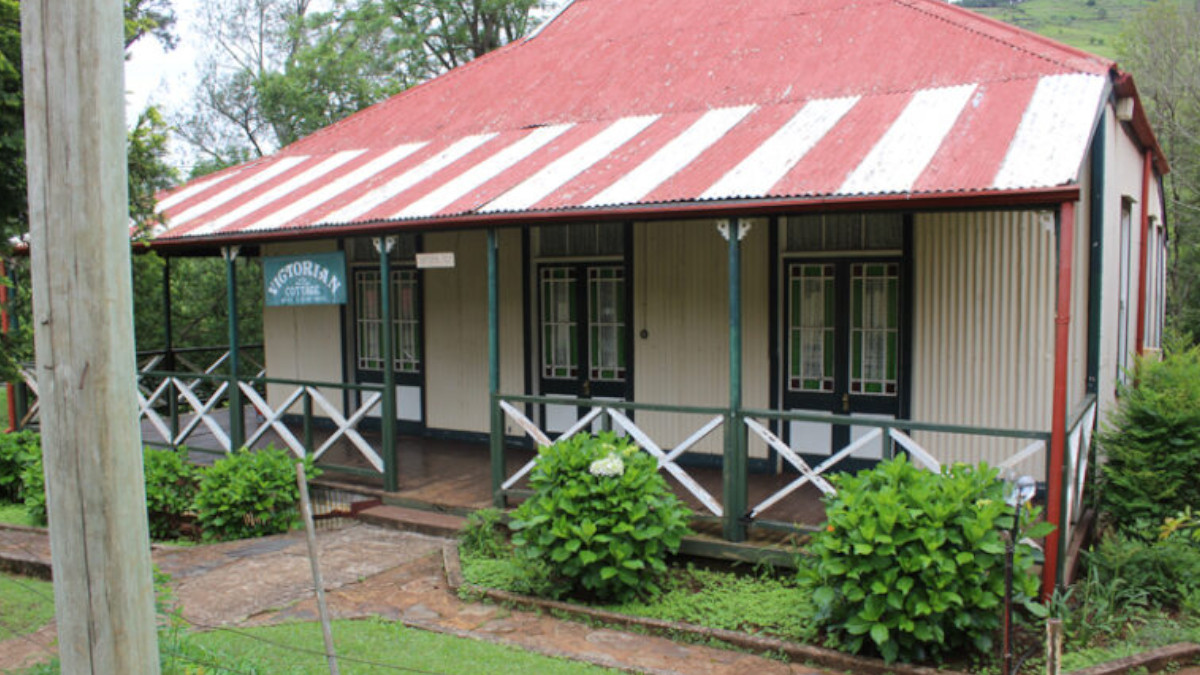
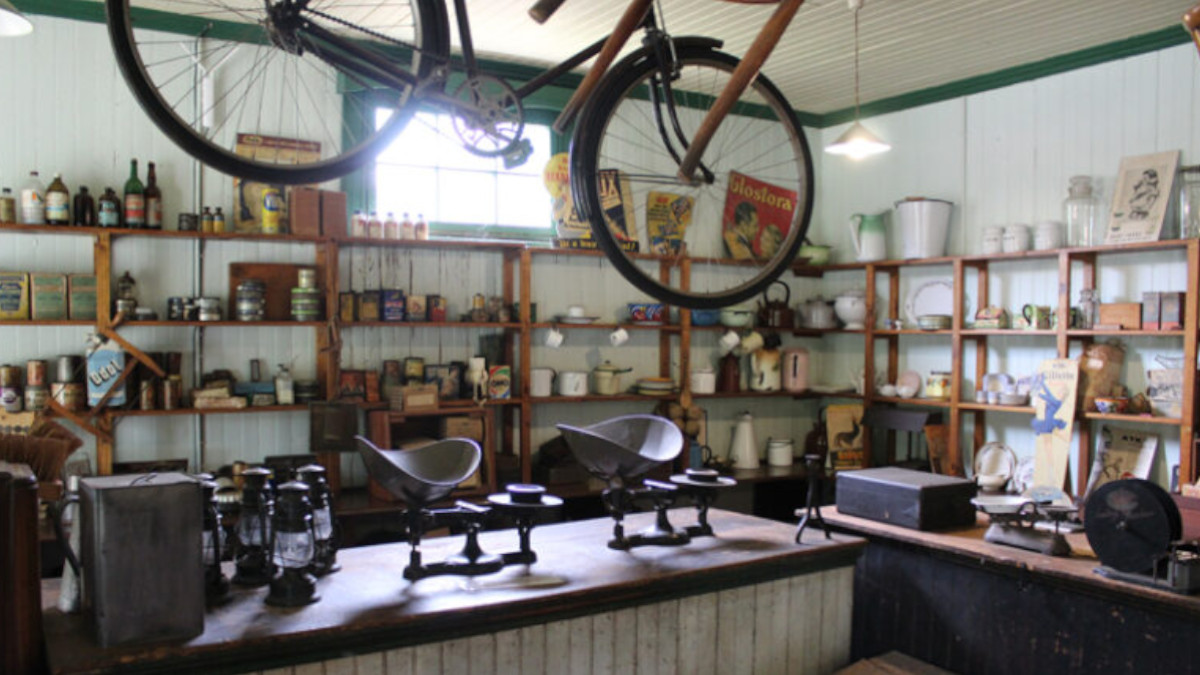
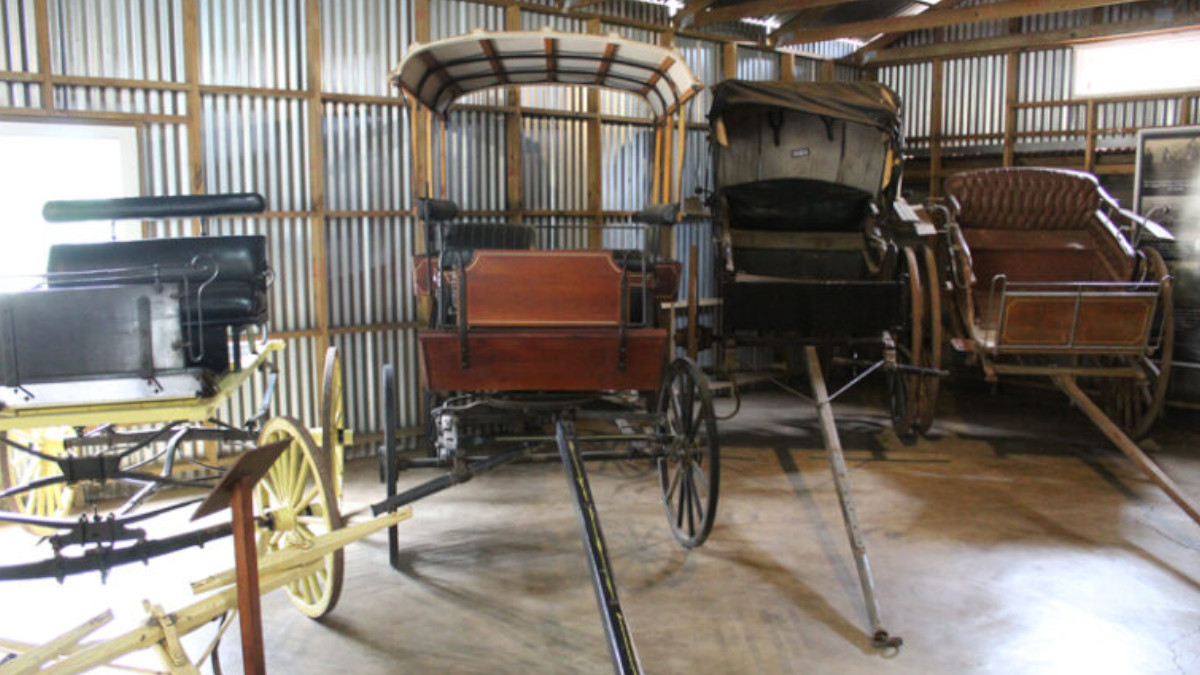
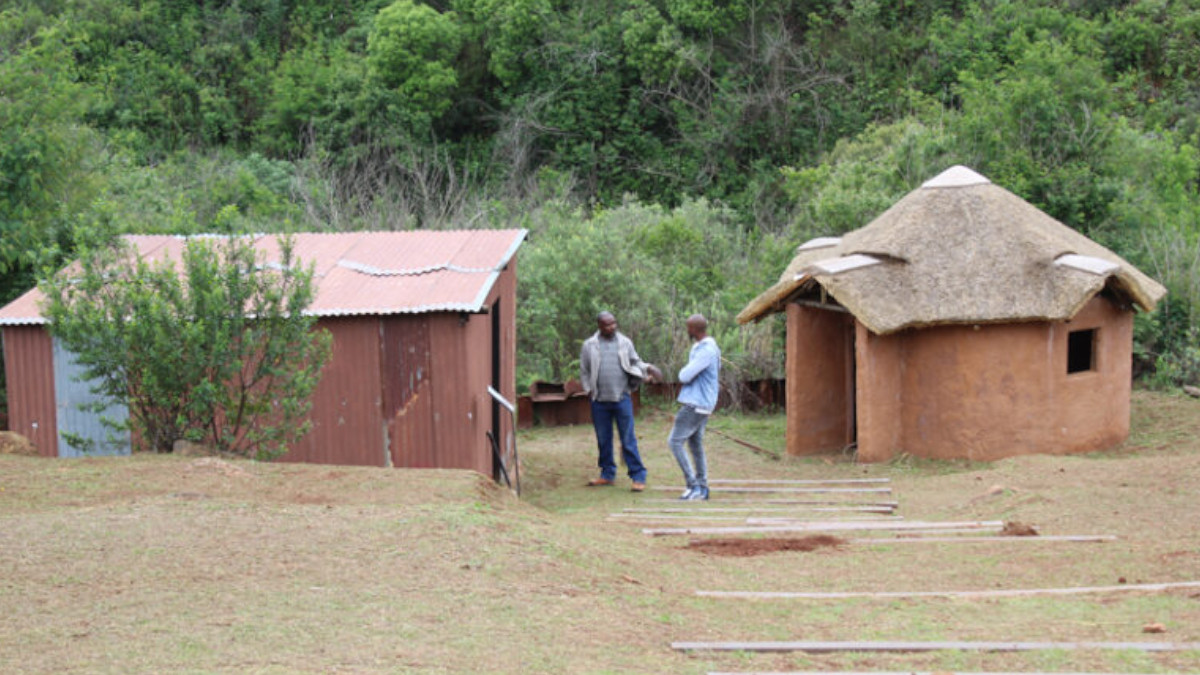
Pilgrim’s Rest Photos








 Loading ...
We visited the town last weekend, And the Zama zamas were clearly doing their thing. Our SA government are dragging their feet about this. Grant these MFS mining licenses with the condition that they can only sell to the government. Will keep the criminal element at bay. Meantime the hills and streams are polluted by Mercury that is used during the extraction process.