
85% of schools in South Africa are dysfunctional


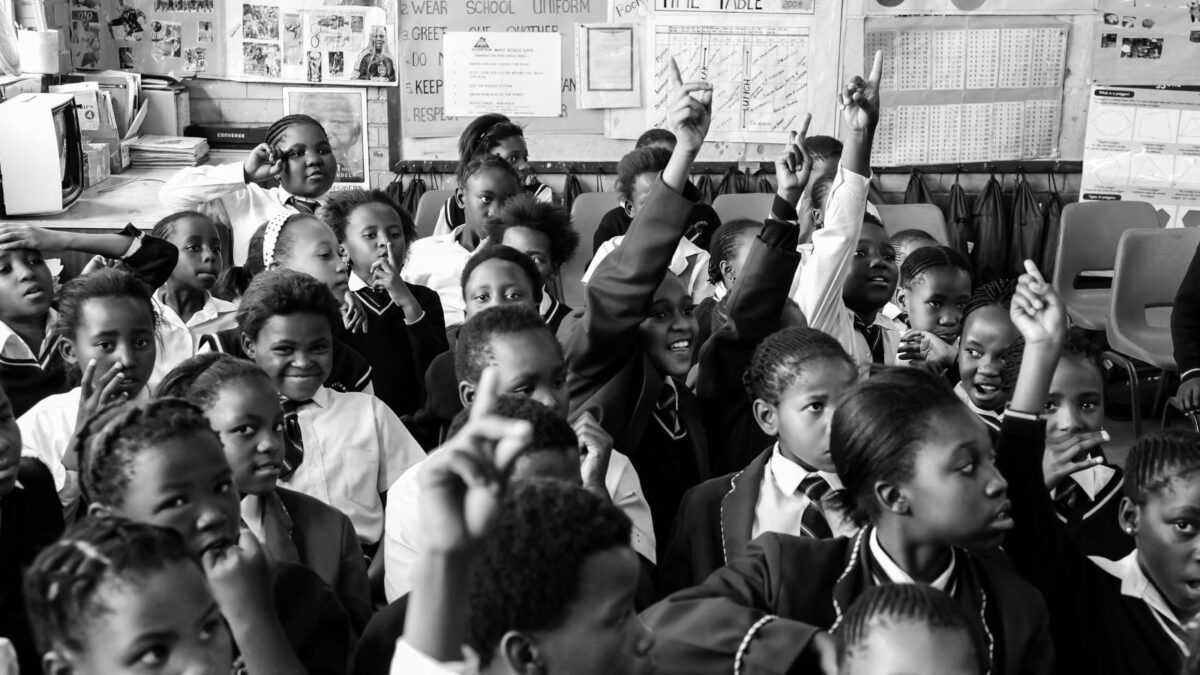
Dr Azar Jammine, chief economist and director at Econometrix, said that 85% of South African schools are largely dysfunctional, providing poor education to learners.
Jammine is one of South Africa’s most respected economists and has become an important source of analysis and forecasting for corporate and institutional clients.
He has served as a director of numerous companies, including JSE-listed entities such as Netcare, York Timbers, and Federated Employers Mutual.
Jammine has a deep personal interest in South Africa’s educational development, viewing it as crucial to economic upliftment.
He serves on the executive committee and as an executive director of the General Council of the Independent Schools Association of South Africa (ISASA).
He has been a long-serving board member of institutions such as St Mary’s School, the Saheti Trust, and the Wits University Foundation Board.
In an interview on Palatable Politics, he said that South Africa faces an educational standards crisis due to its poor schooling system.
“85% of South African schools are largely dysfunctional. We are very fortunate we’ve got 15% of excellence taken up both by the private independent schools,” he said.
South Africa has approximately 24,850 ordinary public and independent schools, which means that there are over 21,000 dysfunctional schools.
This means that most of South Africa’s 13.4 million learners receive a subpar education, which, in turn, hurts the economy.
He explained that the problem is not a lack of funding. The government is already spending a high proportion of the budget on education.
However, this money is not spent effectively. “Instead of delivering quality schooling, fiscal resources are swallowed up by public servant salaries and administrative waste,” he said.
This situation creates a highly unequal split. “Only a 15% pocket of excellence exists, made up of private schools and former Model C schools,” he said.
“The remaining 85% of schools fail to function, keeping the vast majority of the population trapped by poor educational outcomes.”
The system fails to develop essential problem-solving skills
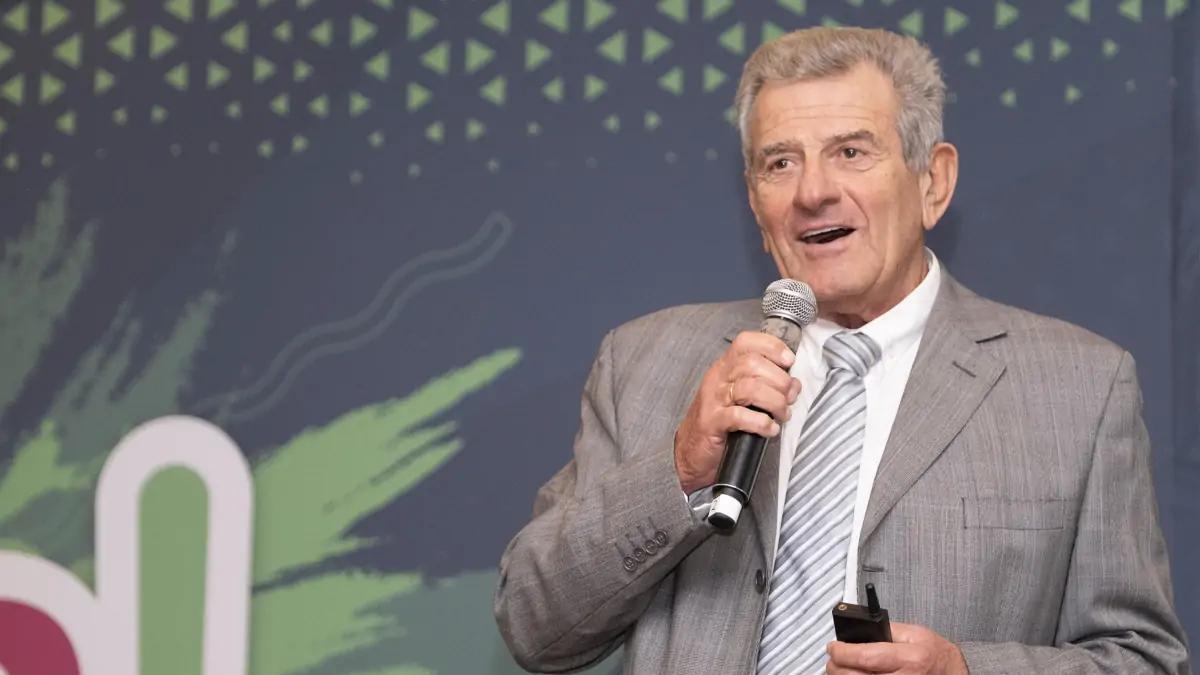
Jammine said that because the educational foundation is so weak, the system fails to develop essential problem-solving skills.
“Children become intimidated by math and science, missing out on the mental processes needed to handle high-tech environments and AI,” he said.
Last year, South Africa’s Department of Basic Education (DBE) revealed that 464 public schools do not offer Mathematics to their learners.
The department explained that learners must select subject streams in Grade 10 that align with their interests and prospective career paths.
“While Mathematics remains a high-priority subject, schools may not have sufficient resources or demand to offer both Mathematics and Mathematical Literacy,” it said.
Another problem is the obsession in South Africa to obtain a university degree, which is often in a field which does not teach valuable skills.
“The dysfunction feeds into a cultural obsession with obtaining academic university degrees, even when standards are lowered to pass students,” he said.
“This comes at the direct expense of technical, hands-on training, like producing mechanics, plumbers, and electricians, that the economy desperately needs.”
Another red flag, he said, is the quality of higher education, where suspicions arise that different standards apply to different racial groups.
“There are strong suspicions that the standards required to pass degrees are not exactly equally spread across different races,” he said.
“As a result, institutions are graduating people who are ultimately not equipped to add real value to the marketplace.”






 Loading ...
Many thanks to Verwoerd and his religion-based Bantu Education BS, backed up by Apie Treurnicht trying to force black scholars to have lessons in Afrikaans. We’re now seeing the results.