
WeBuyCars goes from hero to zero


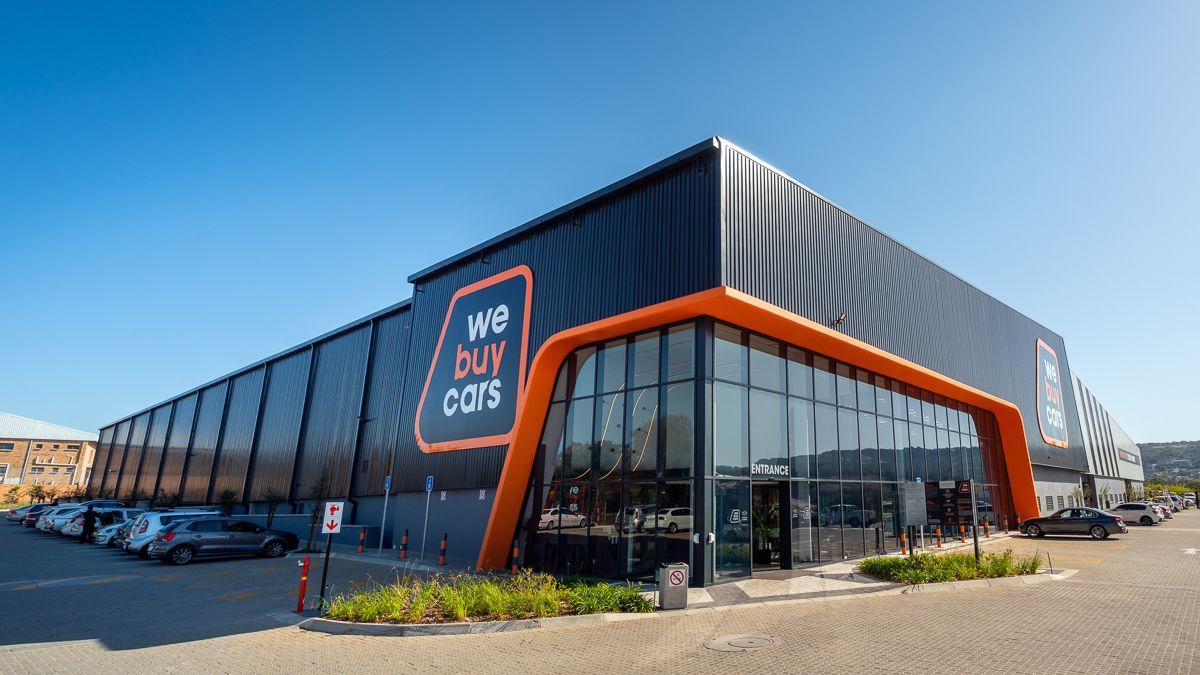
WeBuyCars lost R9 billion in value over the past year amid numerous headwinds, including competition from affordable Chinese cars and slow economic growth.
WeBuyCars was founded in 2001 by brothers Faan and Dirk van der Walt, who have been buying and selling cars from a young age.
Initially, they did everything themselves, which helped them gain a deep insight into the second-hand car business, marketing, and finance.
They created a website and launched advertising to promote the fact that they buy cars, using the company name ‘WeBuyCars’ as a service.
In 2010, the company’s growth accelerated, and WeBuyCars bought land and built its own car warehouse in Pretoria East.
Their national expansion continued, and in 2014, WeBuyCars appointed its first buyer in Cape Town. After that, they appointed buyers in all the major towns in South Africa.
Transaction Capital invested in WeBuyCars on 11 September 2020, concluding a deal to buy an initial 49.9% non-controlling stake for roughly R1.84 billion.
WeBuyCars performed so well that it exercised its options to increase its stake. By 2021, they had increased their holding to 74.9% and gained majority control.
When Transaction Capital faced financial challenges due to its taxi financing division suffering big losses, it decided to unbundle WeBuyCars.
It officially unbundled WeBuyCars and listed it on the Main Board of the Johannesburg Stock Exchange (JSE) on Thursday, 11 April 2024.
As a newly listed entity, WeBuyCars continued its strong growth and cemented its position as the dominant player in South Africa’s secondhand car market.
Today, WeBuyCars has 3,722 employees, 20 supermarkets with 15,614 parking bays, and 109 buying pods across South Africa.
WeBuyCars lost its shine on the JSE
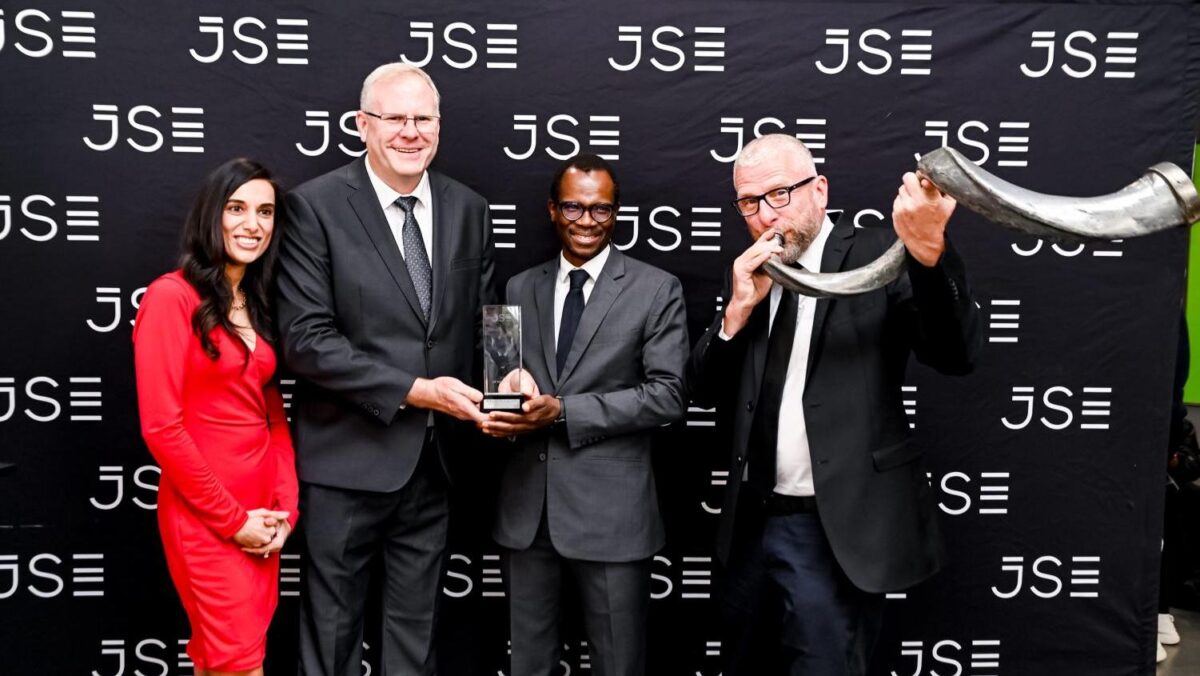
After WeBuyCars was listed on the Johannesburg Stock Exchange in April 2024, it quickly became a darling among investors.
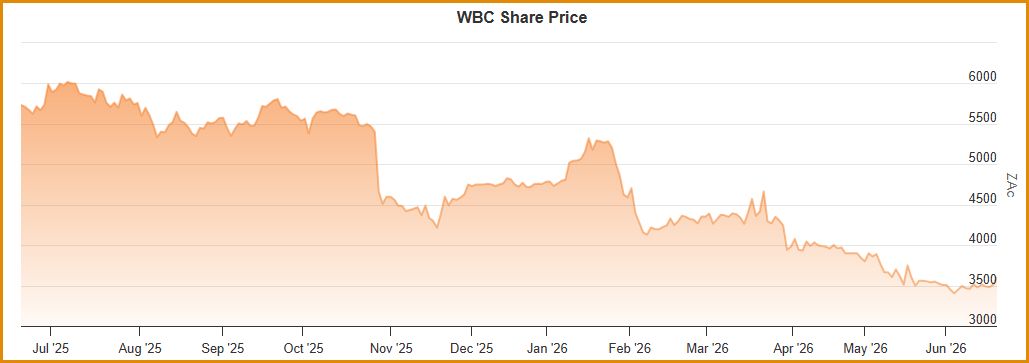
In the first fifteen months, WeBuyCars’ share price increased by 191%, from R20.50 per share to R59.75.
However, since then, the company has struggled to maintain this momentum. Over the last year, the share price declined by 40%.
This decline means that WeBuyCars lost approximately R9 billion in value over the last year. This destroyed significant shareholder value.
The reasons for this share price decline are varied, ranging from increased competition to inflated investor expectations.
The main reason is the rise in aggressively priced Chinese and Indian vehicles in South Africa, which has caused a structural shift in the market.
Many consumers who would historically buy a mid-tier used car can now purchase a new Chinese car at a similar or lower price.
To compete with these affordable new cars, WeBuyCars had to proactively reduce its prices, which created price deflation and lower profit margins.
Another reason is shareholder expectations. As WeBuyCars traded at a high multiple, its results could not disappoint. This is what happened.
Earnings Before Interest, Taxes, Depreciation, and Amortisation (EBITDA) declined 1.3% to R789.5 million, and operating profit was down 4% to R701 million.
Headline earnings were 1.6% lower at R500 million, and headline earnings per share declined 1.7% to 120 cents per share.
A particularly concerning figure for investors was net cash generated from operating activities, which declined 77% to R65 million.
Equally concerning was the company’s net interest-bearing liabilities, which increased 56% to R2.1 billion.
This represents a rapid and significant escalation in debt compared to R1.3 billion in 2025 and R1.2 billion in 2024.
Over the last year, WeBuyCars’ Return on Invested Capital (ROIC) declined by 21%, while Return on Equity (ROE) declined by 30%.
The company’s ROE has declined significantly over the last three years. The ROE of 30.1% in 2026 was down from 47.6% in 2025 and 52.2% in 2024.
Another concern is that vehicles are sitting on the floor for longer before being sold. Inventory days increased to 33.2 in 2026 from 28.9 in 2025.
Investors did not like what they saw in WeBuyCars’ latest results, and the share price declined after the results were released.
FNB’s opinion about WeBuyCars
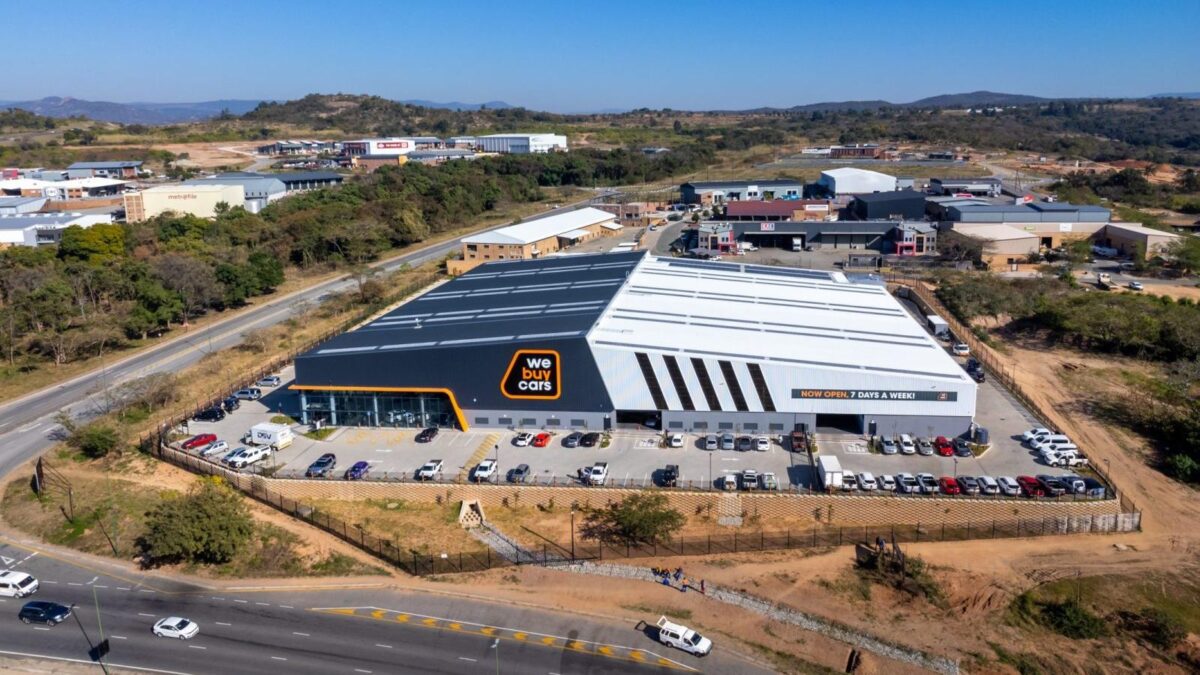
After the WeBuyCars results were released in May 2026, FNB released a statement in which it analysed the company, listing many positives and negatives.
On the positive side, it said that the used-vehicle market in South Africa is much more defensive than the new-vehicle segment.
“Used vehicle dealers are agnostic to imports and currency volatility, eliminating another cyclical component relative to local listed peers,” it said.
It added that there is still extensive growth available in the financed sale space, which bodes well for WeBuyCars.
The company’s digital real estate is also a key competitive advantage. “The technology is proprietary, easily scalable, and provides extremely valuable insights,” it said.
The WeBuyCars brand is also widely known and trusted, giving it an advantage in a sector which has historically been marred by a trust deficit with consumers.
On the negative side, WeBuyCars is heavily exposed to cyclical downturns as well as the interest rate environment.
“Periods of severe economic distress could have an adverse impact on demand and sales,” FNB said.
There is also a high execution risk if the management’s aggressive expansion strategy does not materialise.
Another risk is that consumers have grown increasingly wary about the condition and quality of vehicles being sold.
“There have been numerous complaints about mechanical and electrical issues arising after sales have been completed,” it said.
A major concern has been the company’s after-sales service, with many consumers left unsatisfied after purchasing their vehicles.
Lastly, competition in South Africa tends to pick up from time to time. There is a significant risk that one of the emerging competitors gains meaningful traction.
WeBuyCars (WBC) share price








 Loading ...
I always walk into WBC with high hopes, just to realise that i should have listened to that voice that said, dont go there there sell crap cars.(Personal experience) Dont give the new chinese cars the blame, them too will be second hand, and one of these days be sold there…