
Top South African dam is so polluted it looks like a rubbish dump on top of a hyacinth mat


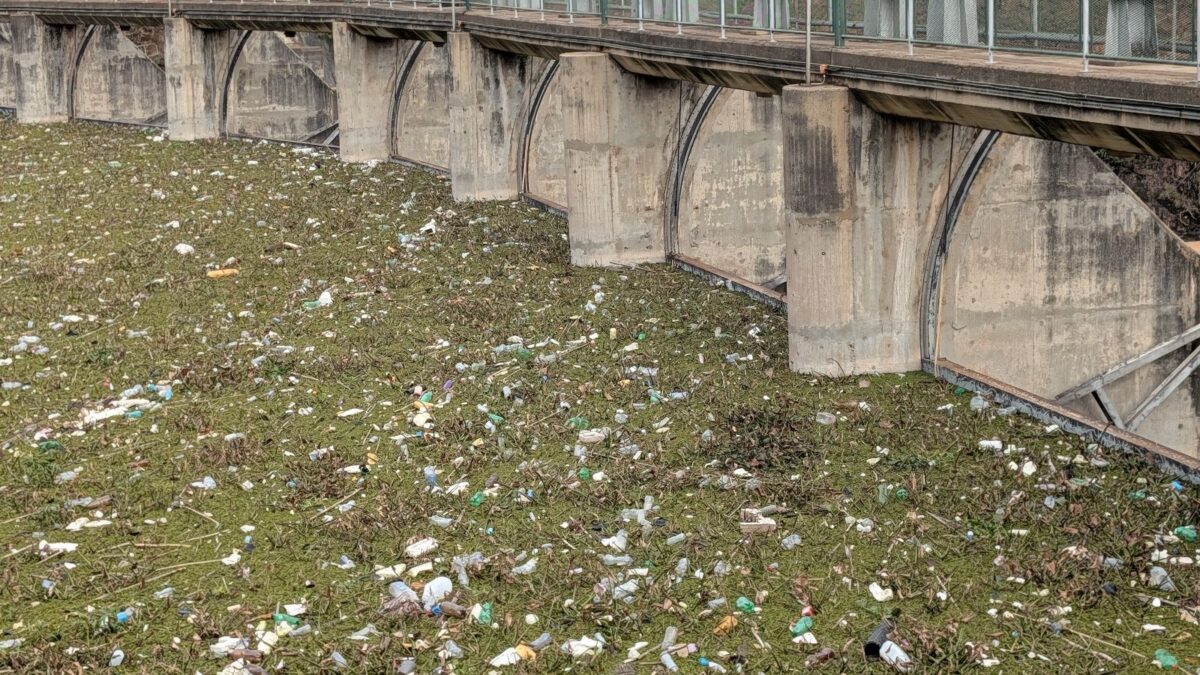
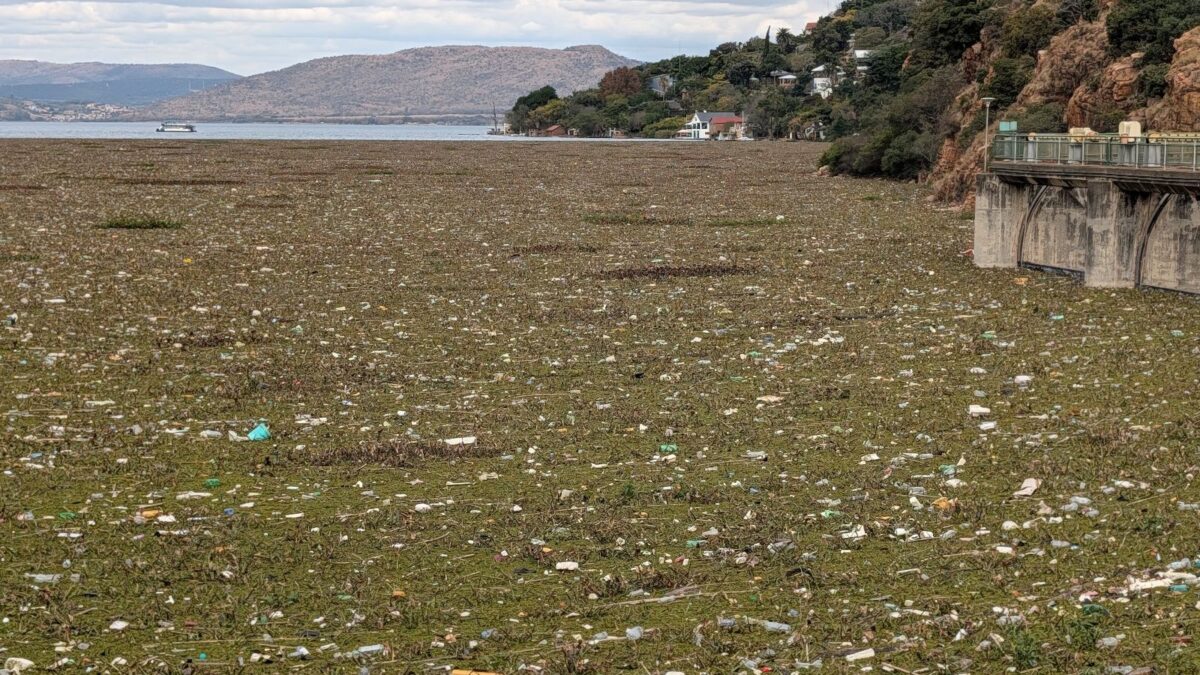
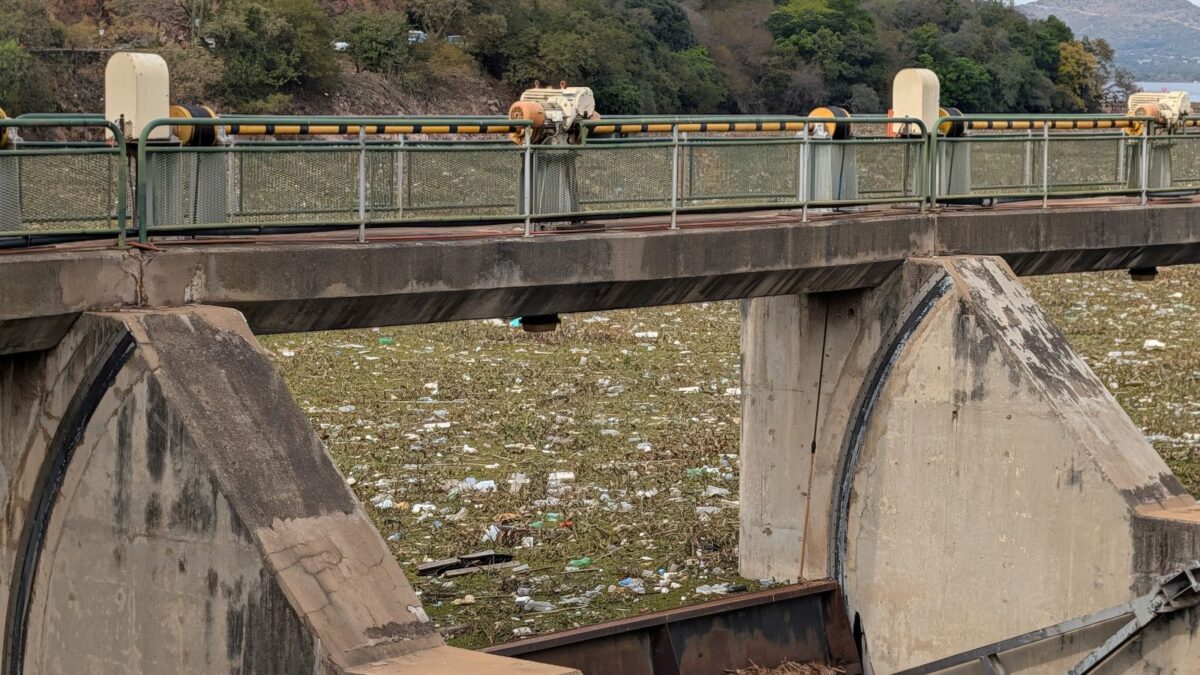
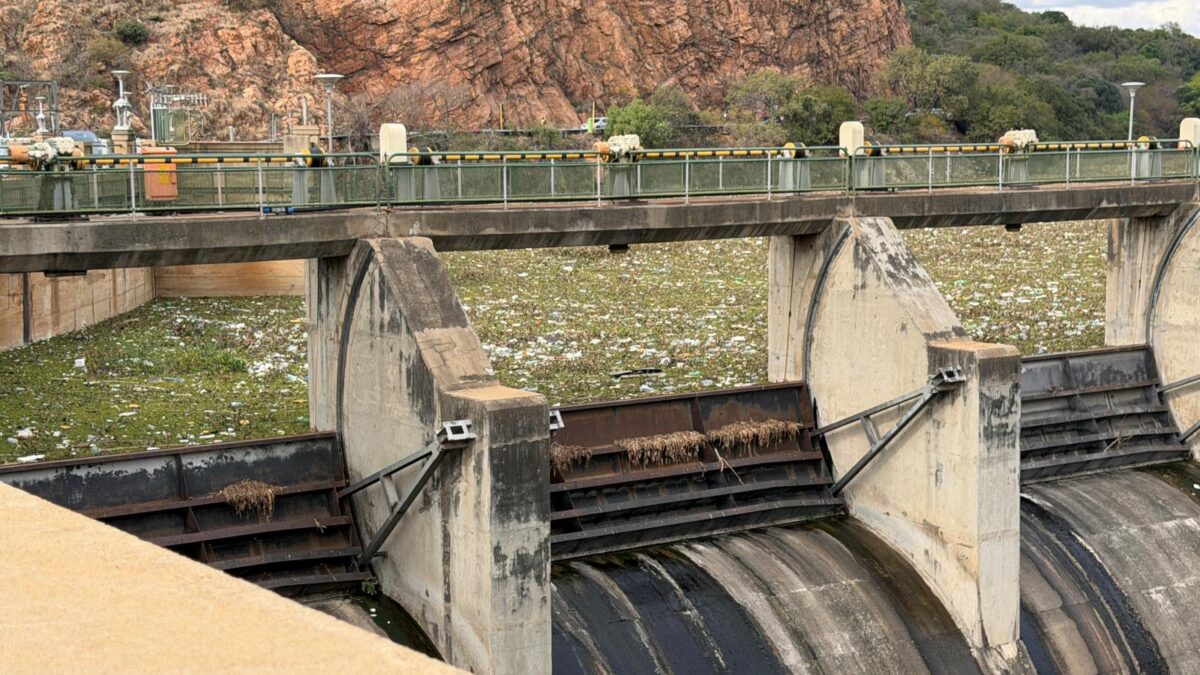
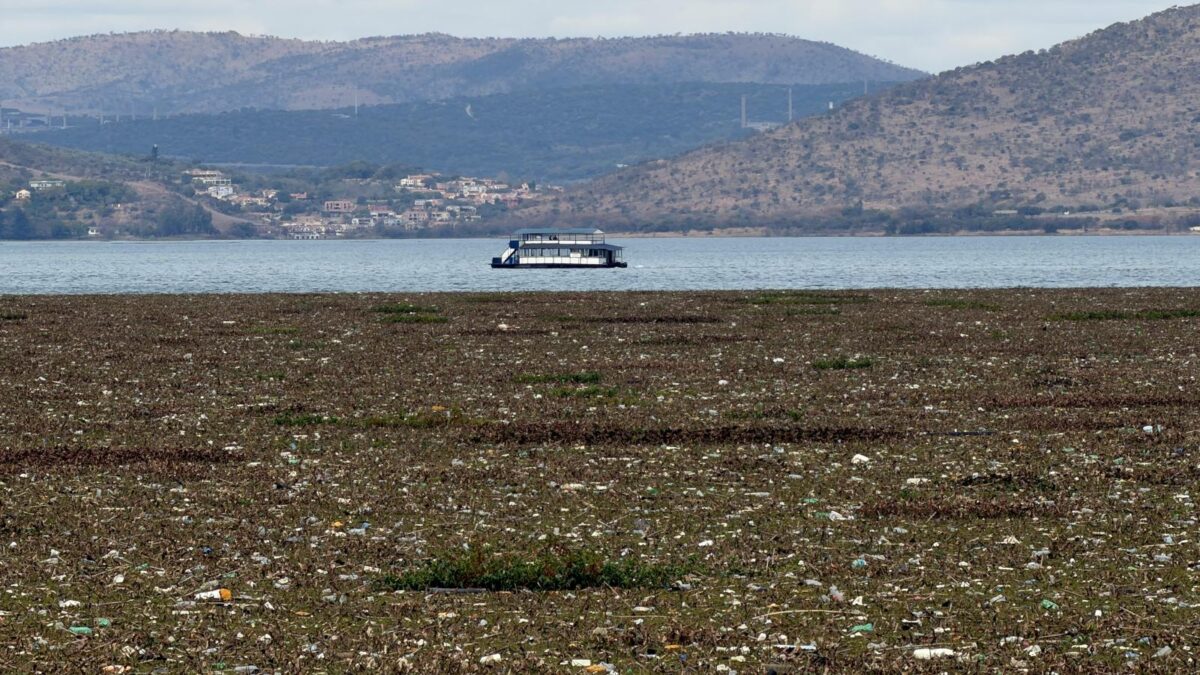
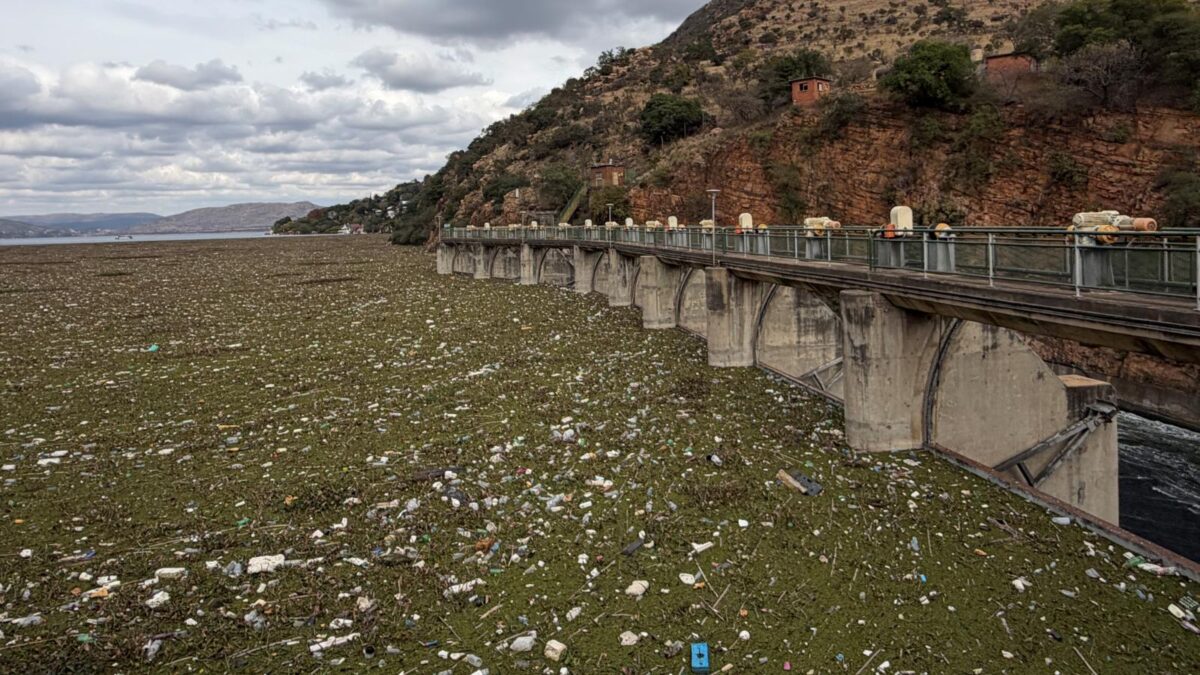
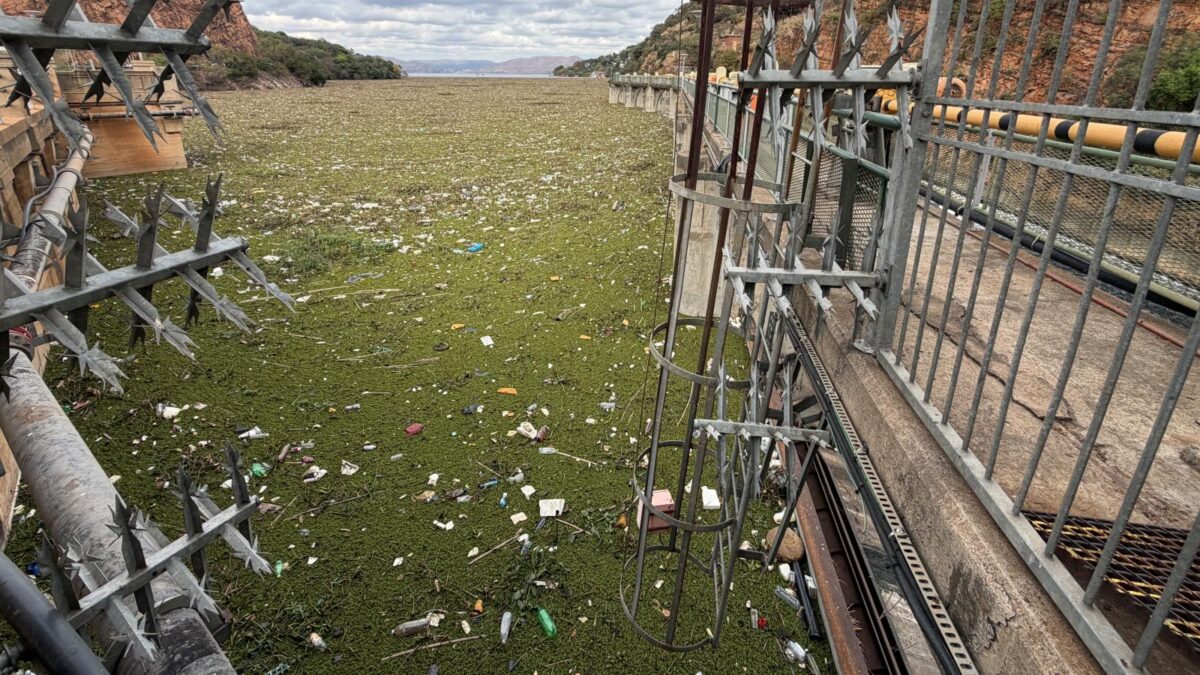
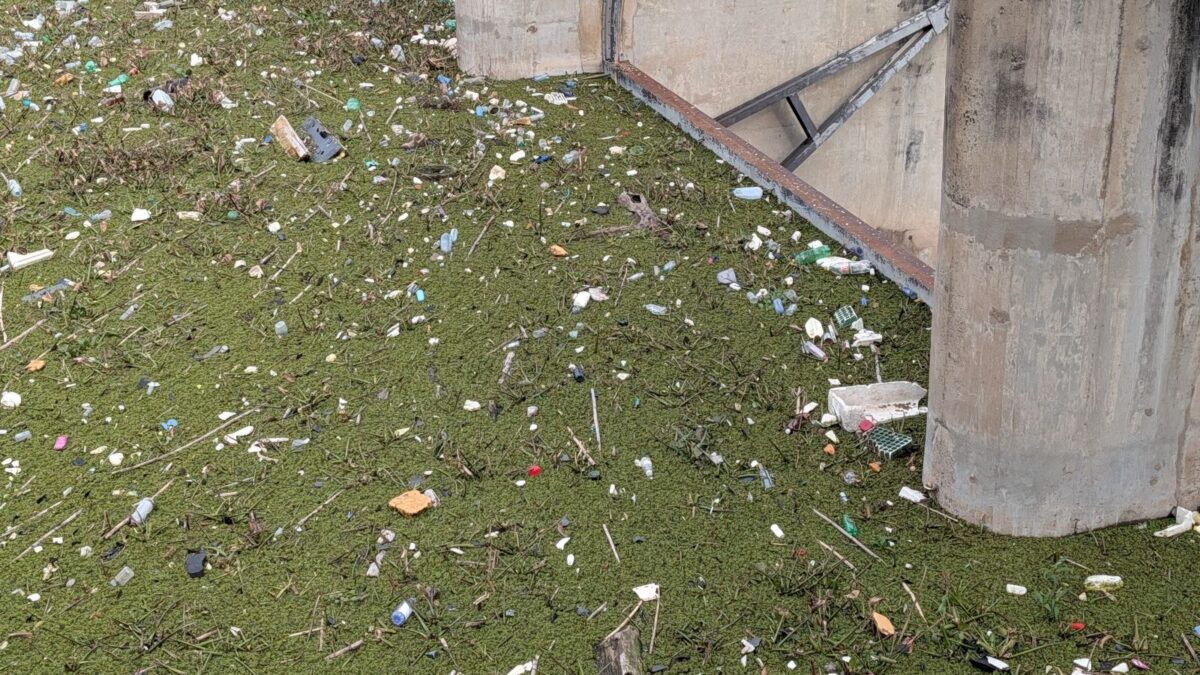
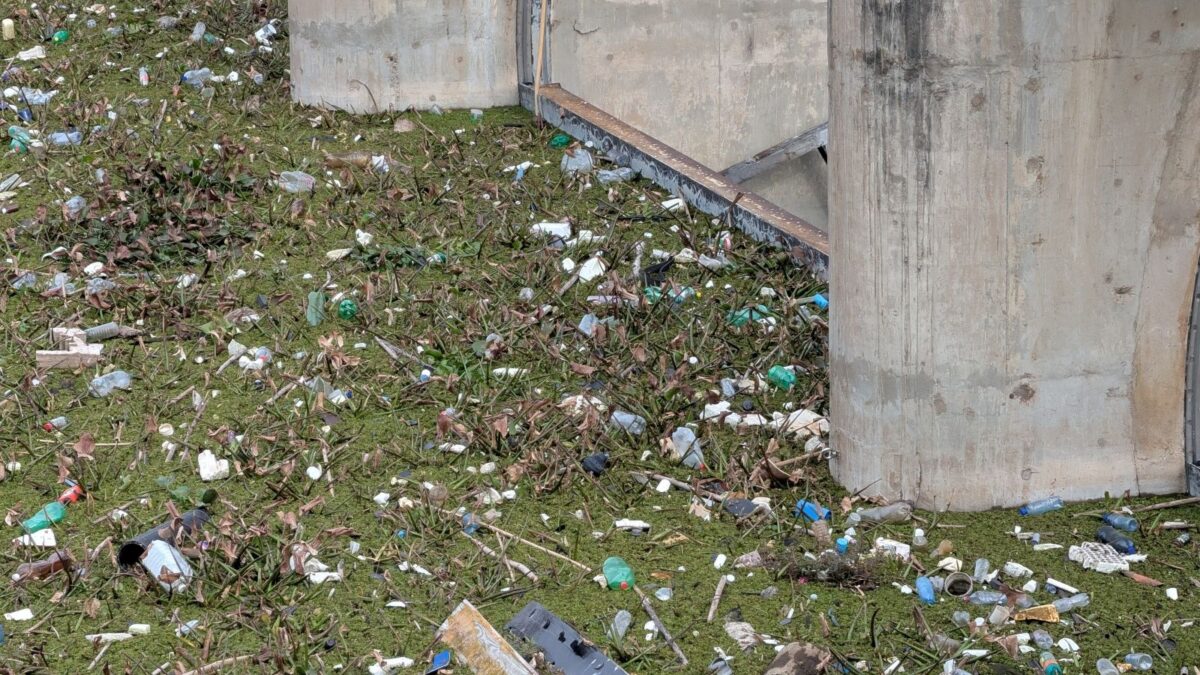
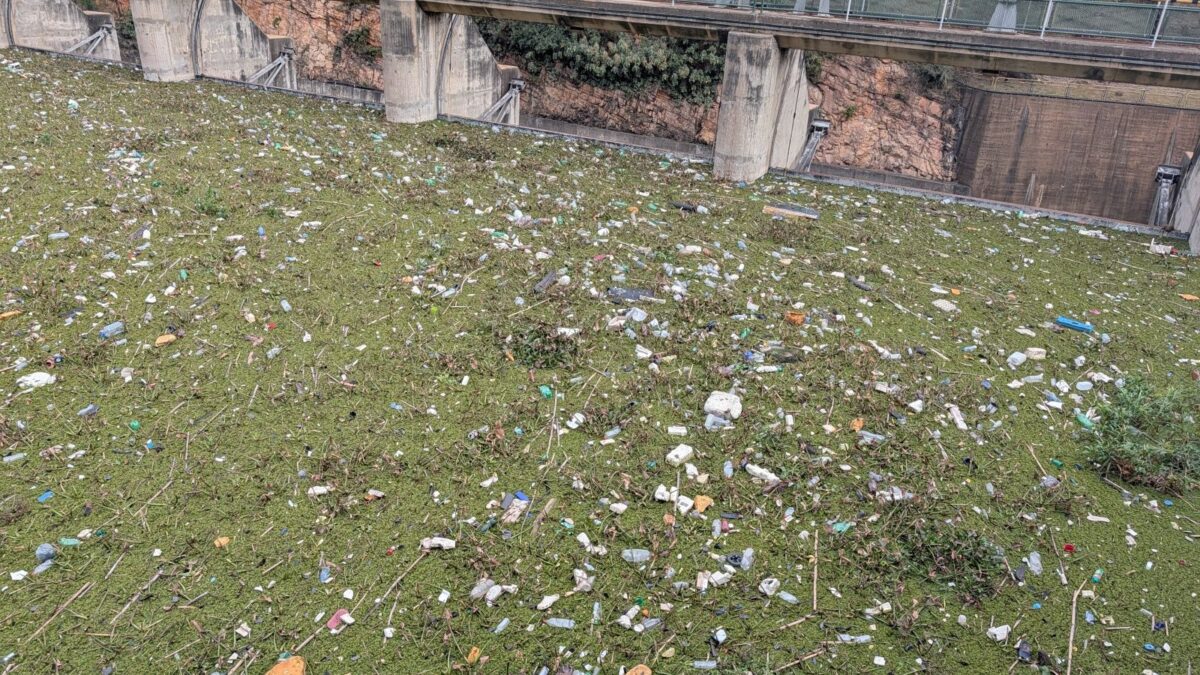
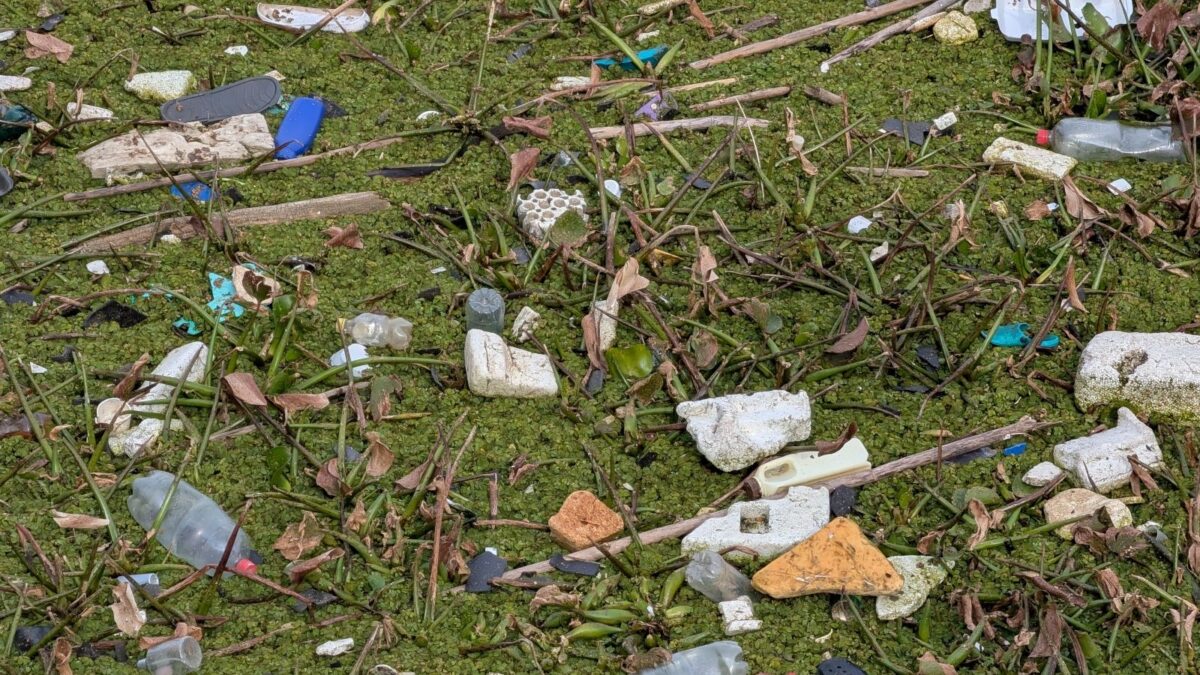
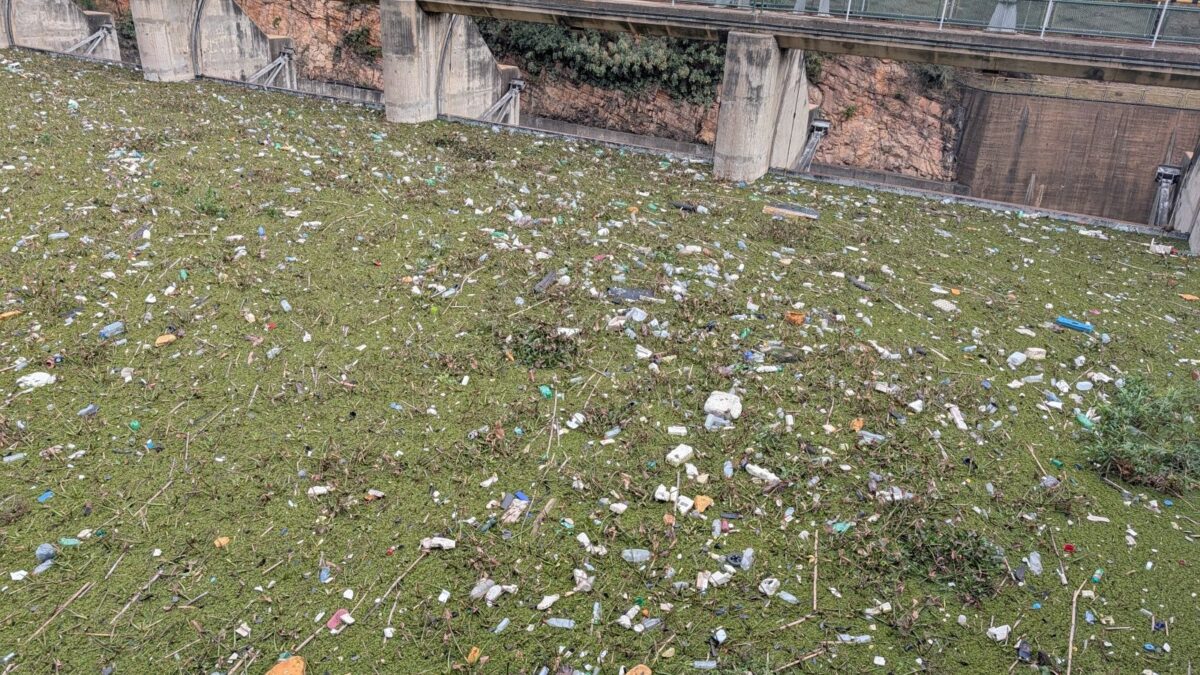
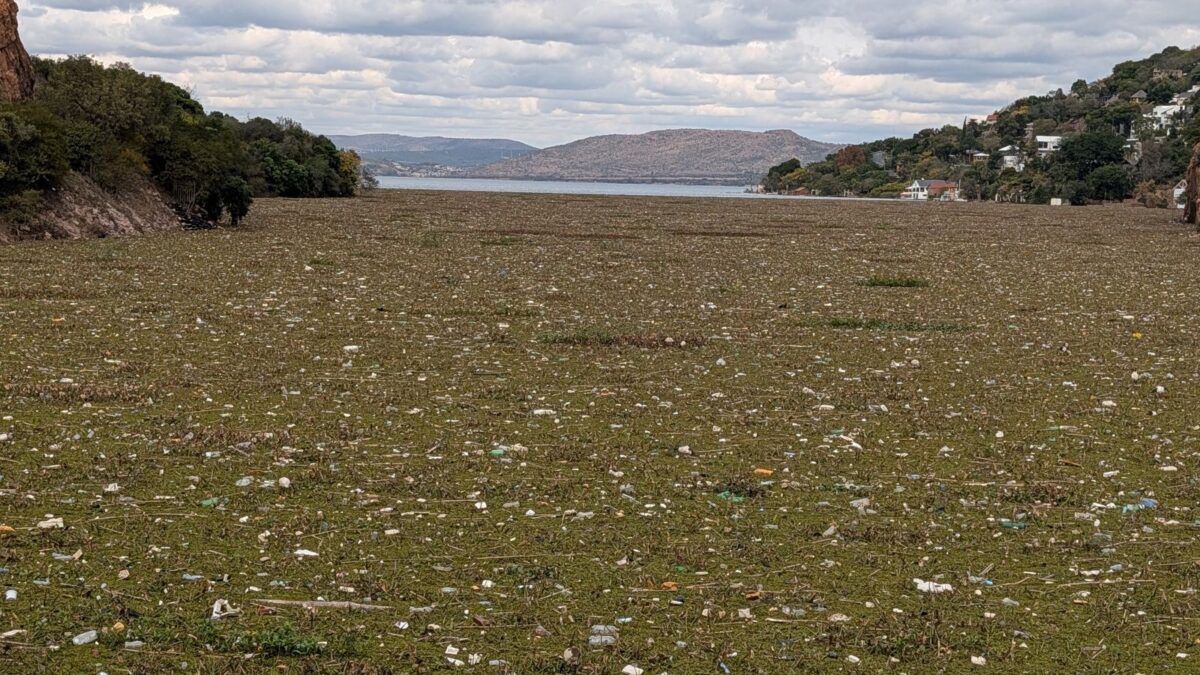
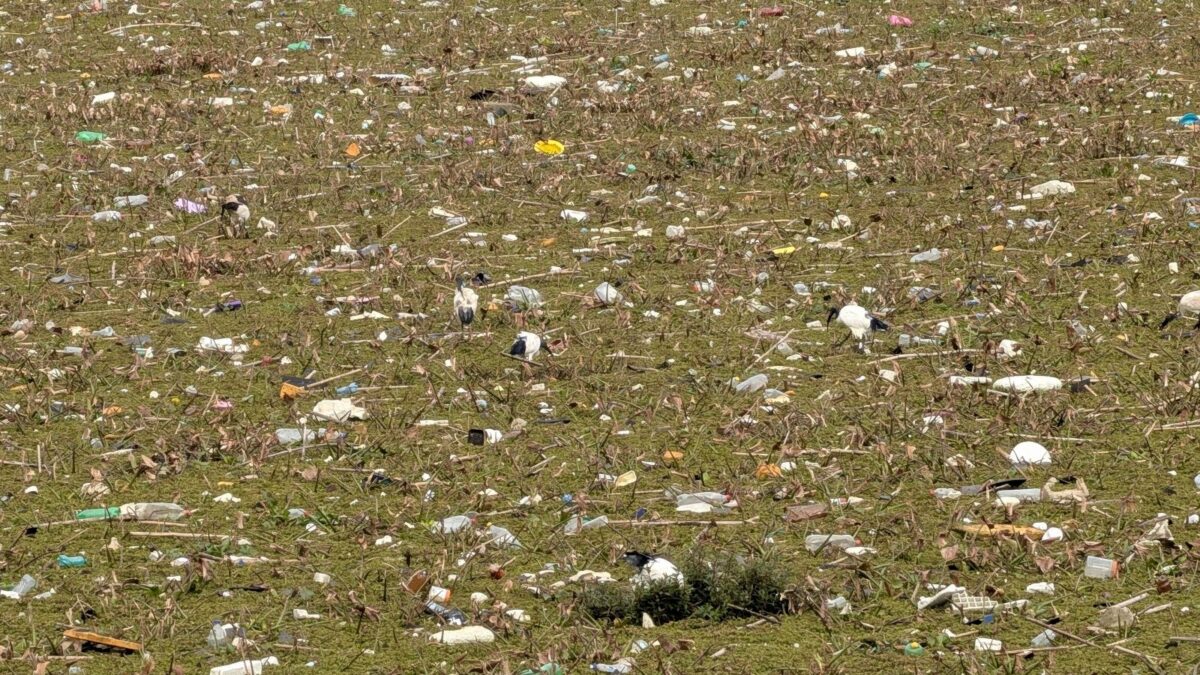
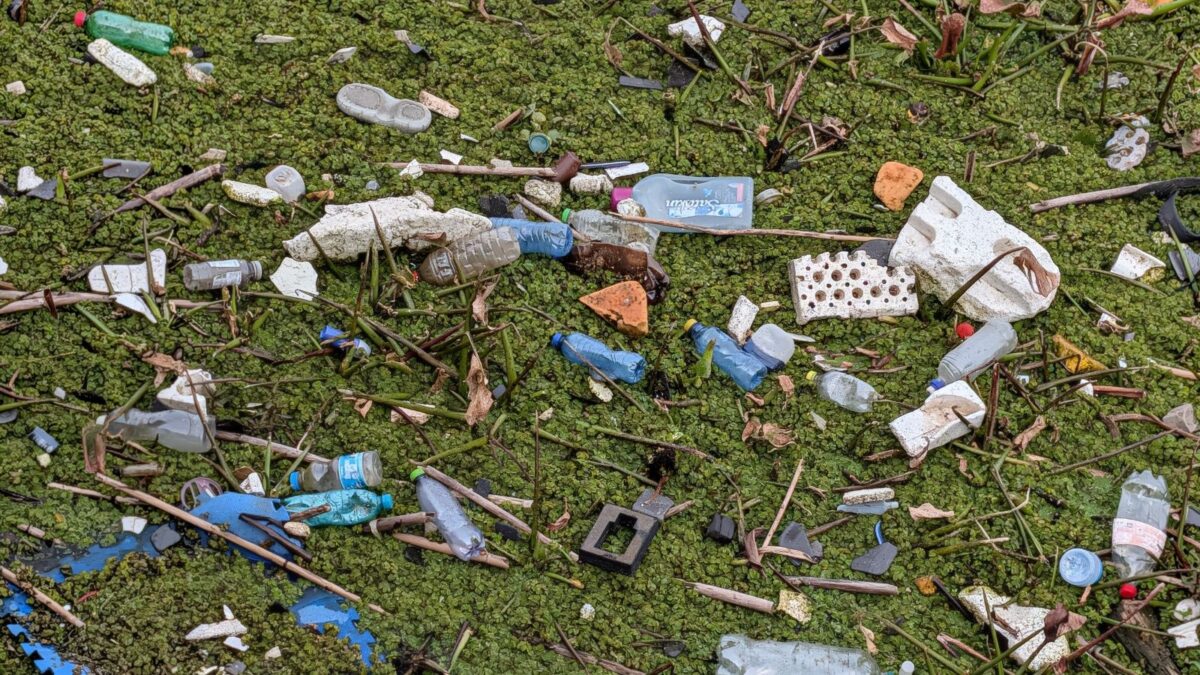
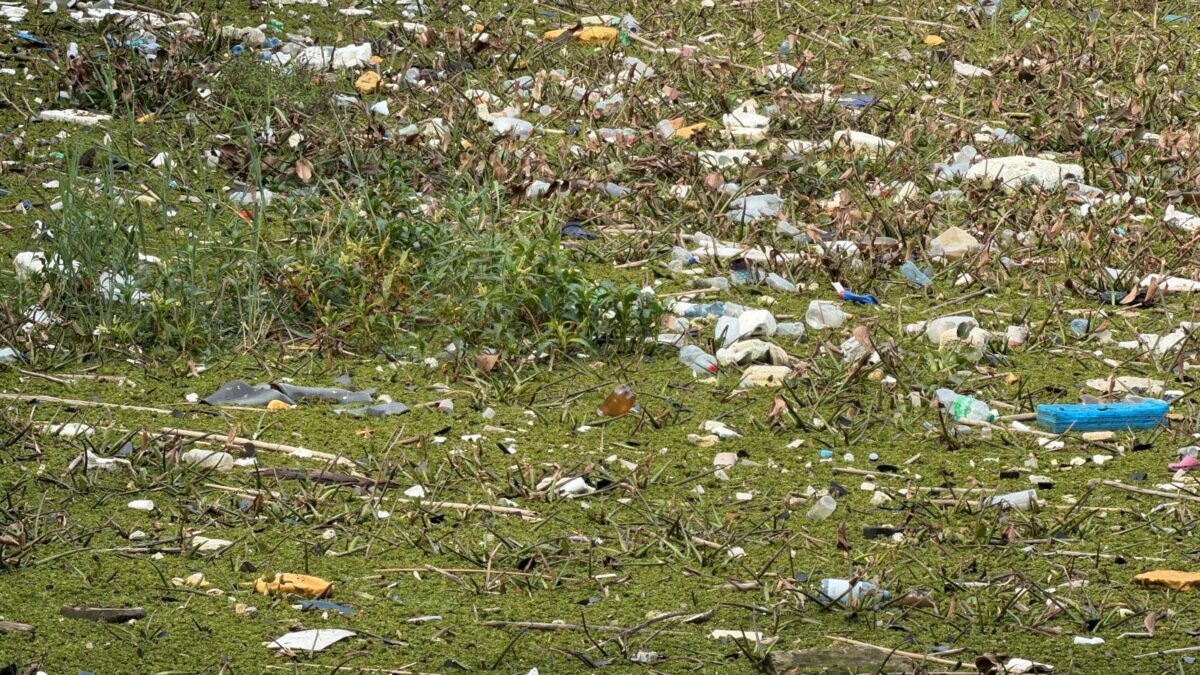
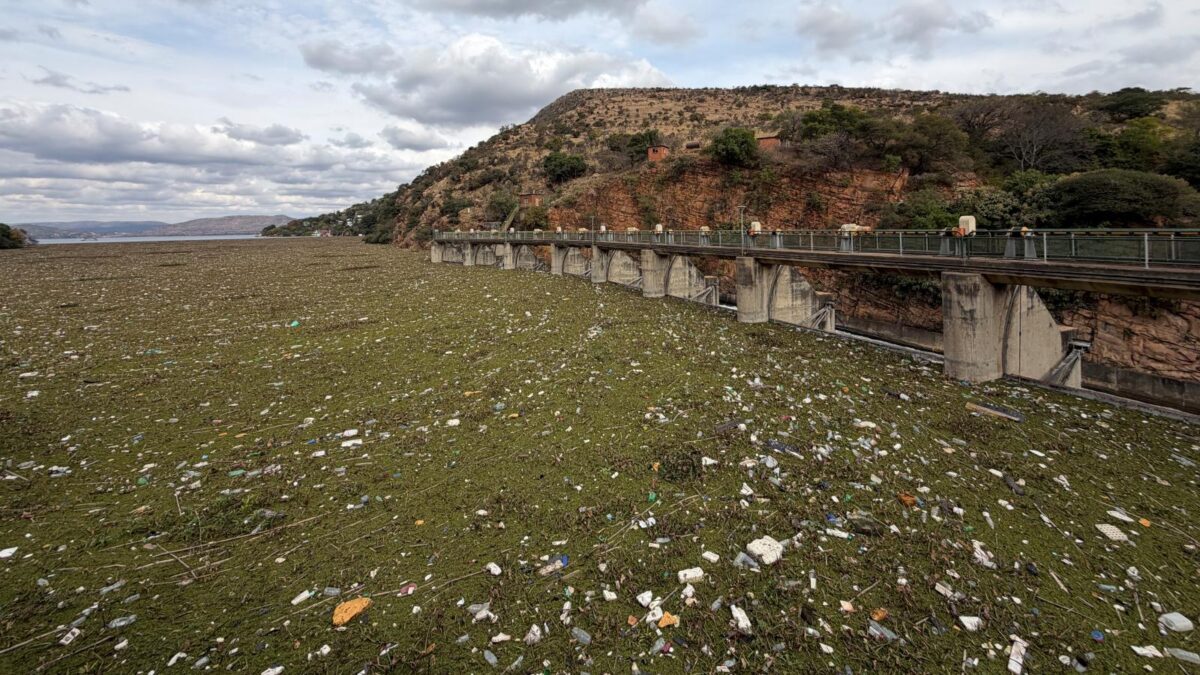
Hartbeespoort Dam is so polluted that a hyacinth mat covers the surface, with plastic bags, bottles, polystyrene, and even old shoes piling up on top.
This has been a significant deterioration over the last few months, when hyacinths covered the surface, but no significant litter or rubbish was visible.
Newsday visited the Hartbeespoort Dam on Saturday, 20 June 2026, and it was hard to imagine that this was previously a place which supported watersports and related activities.
The hyacinth mat at the dam wall resembles a poorly maintained rubbish dump rather than one of South Africa’s most important dams.
The Hartbeespoort Dam, also known as Harties, was constructed 100 years ago and was renovated in 1969. It can store 195 million cubic metres of water.
It is built across a gorge cutting through the Magaliesberg, and the Crocodile and Magalies Rivers feed the dam.
Hartbeespoort Dam supplies water through a network of canals to farms which grow tobacco, wheat, lucerne, fruit, and flowers.
It is also a popular holiday and weekend destination for people in Johannesburg and Pretoria, thanks to its proximity to both cities.
For decades, water sports enthusiasts have used the dam. The TYC Yacht Club has operated at the dam since its construction in 1923.
However, poorly maintained wastewater treatment plants in the Hartbeespoort Dam catchment area have caused havoc with the ecosystem.
Sewage from Johannesburg and the surrounding towns flows into Hartbeespoort Dam, causing excess nutrients in the water.
This leads to an overgrowth of algae and hyacinths, harming the environment and people and animals using the water.
Water hyacinth, known as the world’s worst water weed, is an invasive plant that grows in polluted water and further compromises water quality.
The situation has reached a level where the Hartbeespoort Dam is no longer safe for water sports.
The National Sea Rescue Institute has issued a warning to water sports enthusiasts and asked boaters to refrain from navigating through the water hyacinth mat.
Hartbeespoort Dam pollution problems
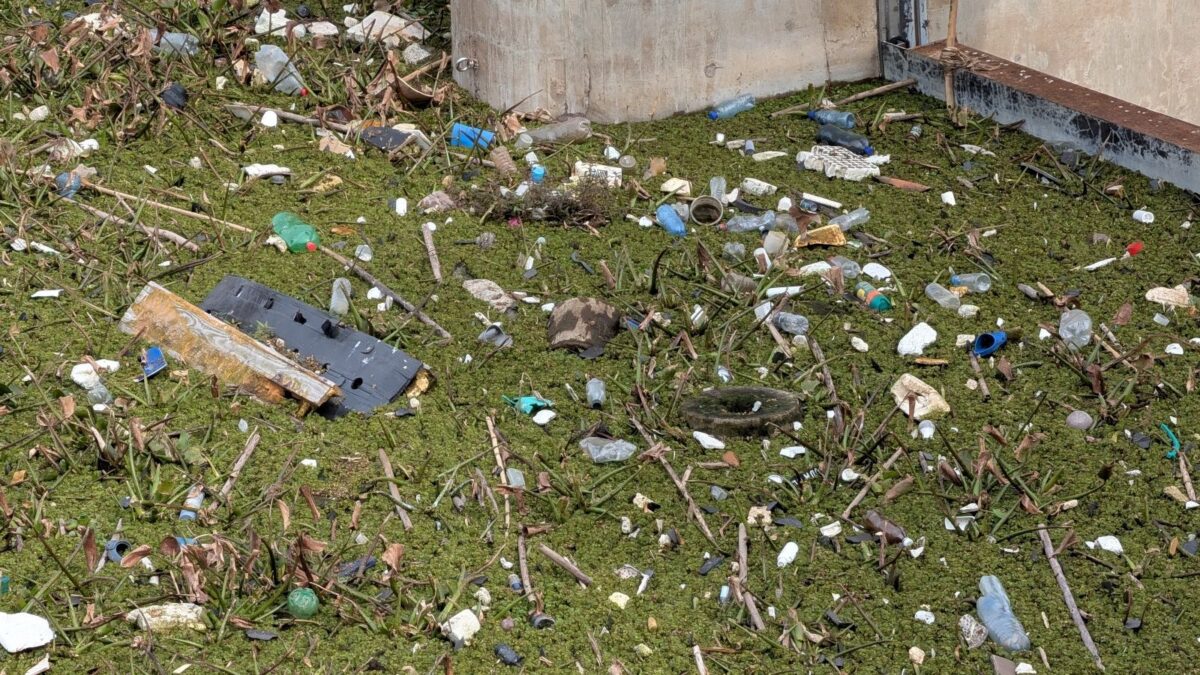
The pollution of the Hartbeespoort Dam is caused by hypereutrophication, where it has become overly enriched with nutrients, leading to structural ecological collapse.
The biggest driver of pollution is the collapse of municipal wastewater management in Gauteng, with untreated sewage flowing into rivers and ultimately the dam.
Informal settlements in Johannesburg and Pretoria drain directly into rivers like the Jukskei, Hennops, and Swartspruit.
These rivers feed into the Crocodile River, which is the primary inflow for the Hartbeespoort Dam.
Poorly maintained, malfunctioning, or vandalised wastewater treatment works routinely discharge poorly treated or completely raw sewage.
On 3 June 2026, the Environmental Affairs Oversight Committee revealed the extent of the wastewater problem in the city.
Three of the City of Johannesburg’s wastewater treatment works are responsible for approximately 90 million litres of untreated sewage entering rivers each day.
In addition to severe maintenance backlogs, six wastewater treatment plants in Johannesburg no longer have the capacity to process the growing volume of sewage.
Because Johannesburg is situated on a watershed, untreated sewage is carried southwards via the Klip River.
The bulk flows northwards via the Jukskei River before entering the Hartbeespoort Dam. This explains the hyacinth problem in the dam to a large extent.
The Hartbeespoort Dam is the canary in the coalmine
Willie Spies, the Freedom Front Plus’s (VF+’s) mayoral candidate for Tshwane, said that South Africa is incubating an international disaster.
The problem of collapsing wastewater treatment infrastructure extends well beyond the pollution at the Hartbeespoort Dam.
Spies said the Rooiwal Wastewater Treatment Plant, north of Pretoria, has a serious challenge with capacity.
“That plant is out of operation for 75% of its capacity, and it has been out of operation for more than 10 years already,” he said.
The collapse of the Rooiwal Wastewater Treatment Plant has resulted in catastrophic pollution into the Apies River.
The Apies River flows into the Crocodile River, which feeds the Limpopo River. It, in turn, flows across South Africa’s borders into Mozambique, where it empties into the sea.
“We are at the moment incubating an international disaster. The E. coli outbreak that we saw in Hammanskraal about a year or two ago is going to increase,” he said.
“I’ve actually seen footage this morning of additional breakages that happened after the recent flooding and high rainfall.”
Spies said that as a result of cable theft and generators that don’t work, where there was 25% operation previously, the remaining capacity was also lost.
“What you see is this huge stream of raw sewage flowing into the Apies River. That’s just one place, and there are other plants that are similar,” he said.
“For some reason or another, the City of Tshwane was not able to get around it and turn this thing around.”
Hartbeespoort Dam pollution photos from 20 June 2026 (this should be clean water)
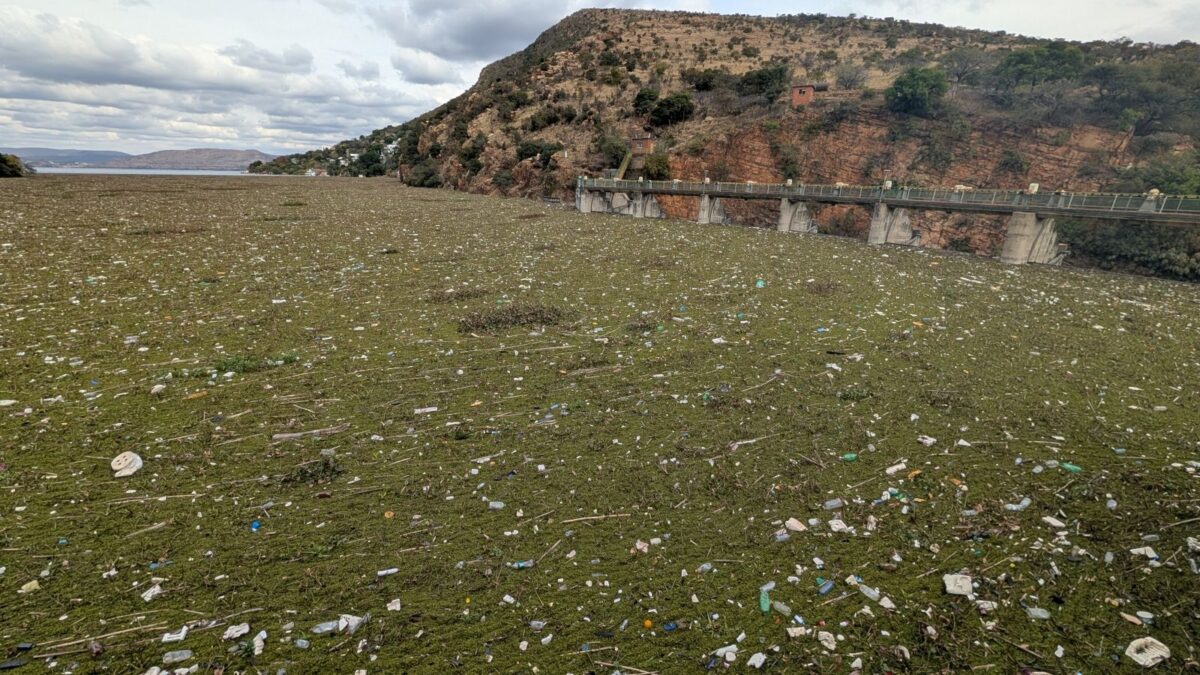
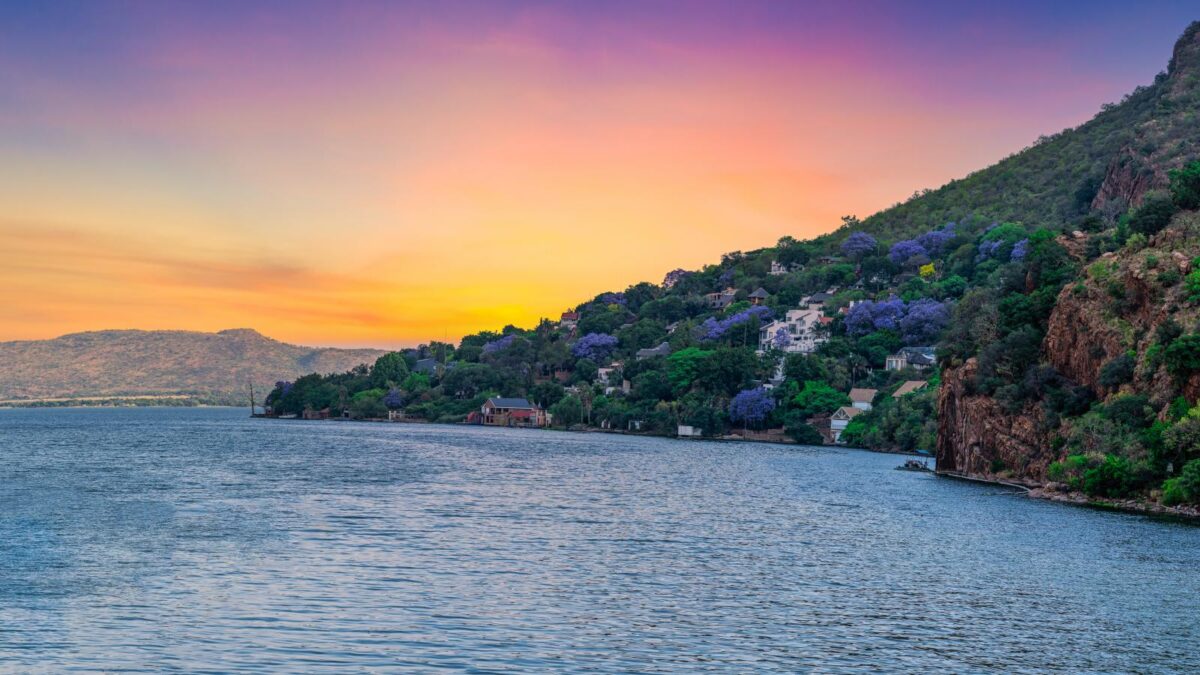
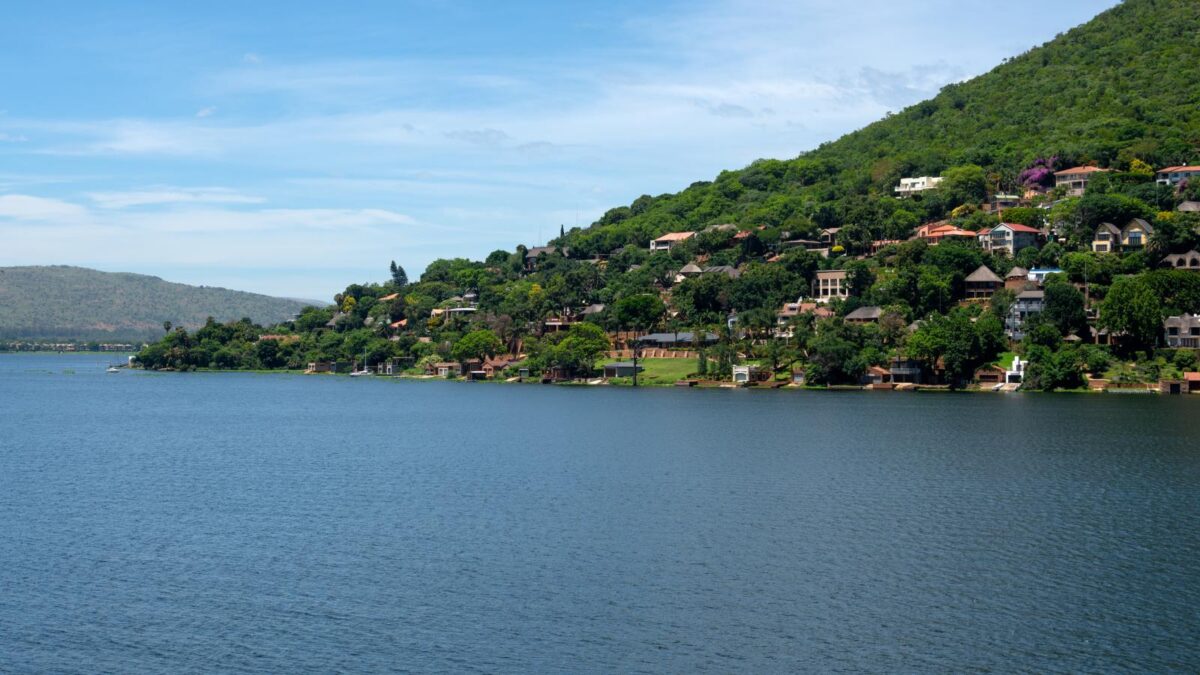
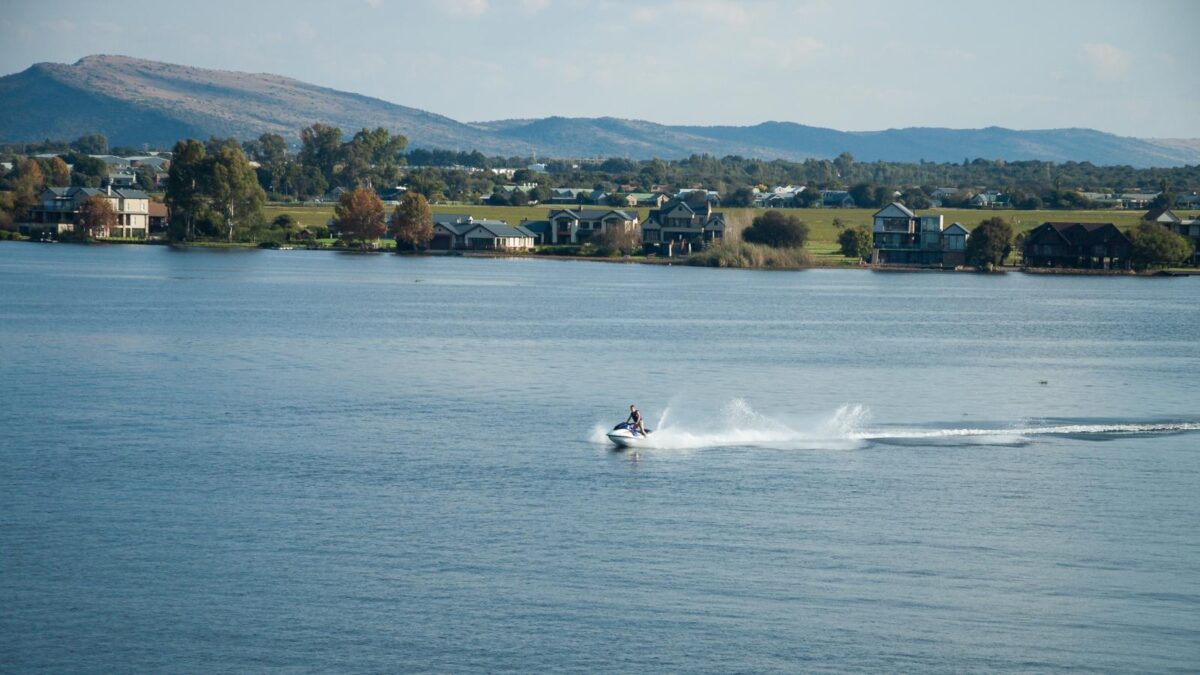
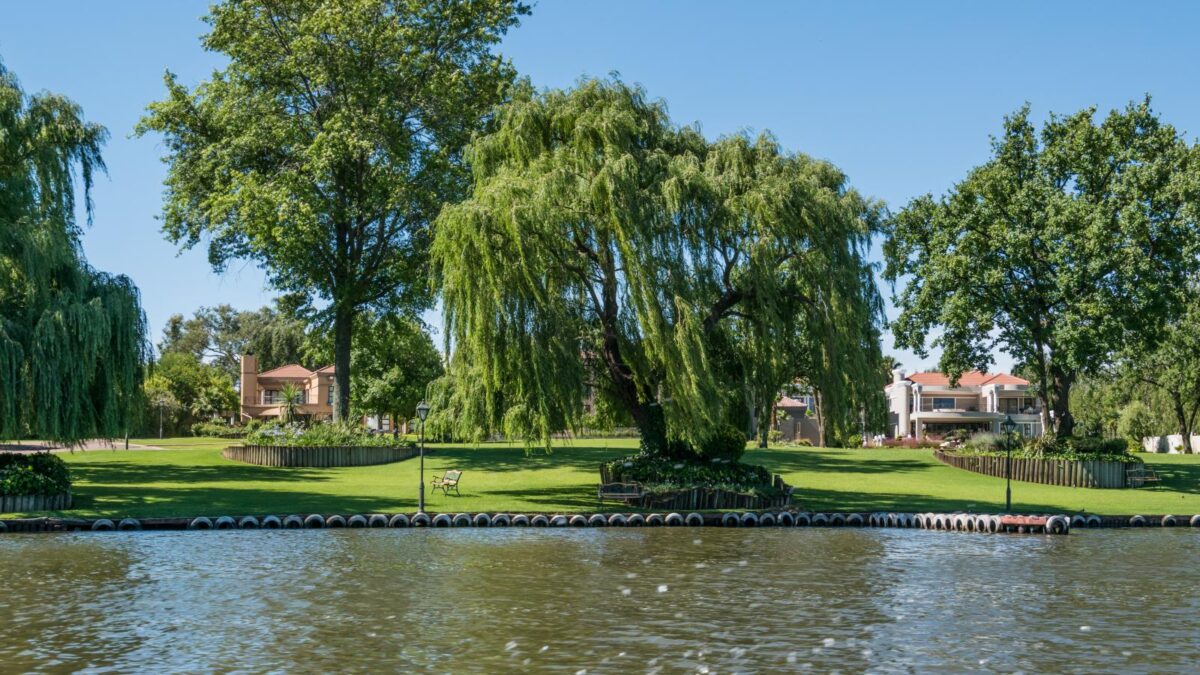
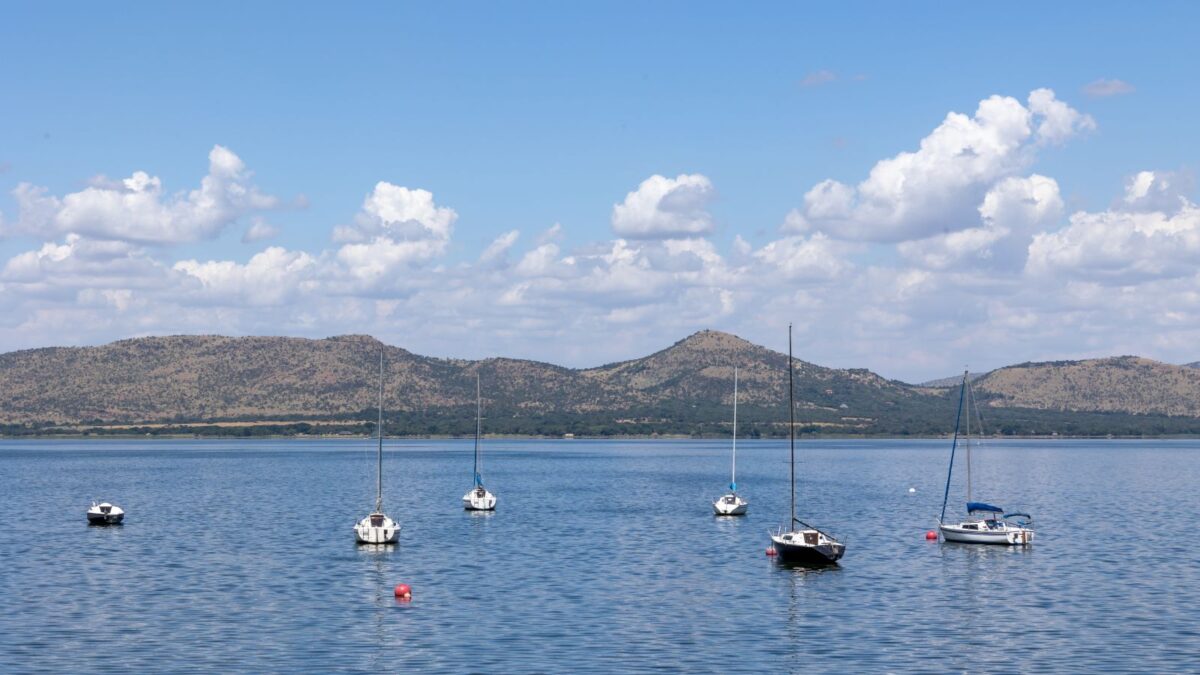
What the Hartbeespoort Dam looked like previously








 Loading ...
Did no one think to introduce natural predators such as water hyacinth weevils? This is a diabolical mess. I remember being up at Harties years ago and it was a stunning dam. This is so sad.