
Bad news for South Africans who received cheap weight-loss medicine


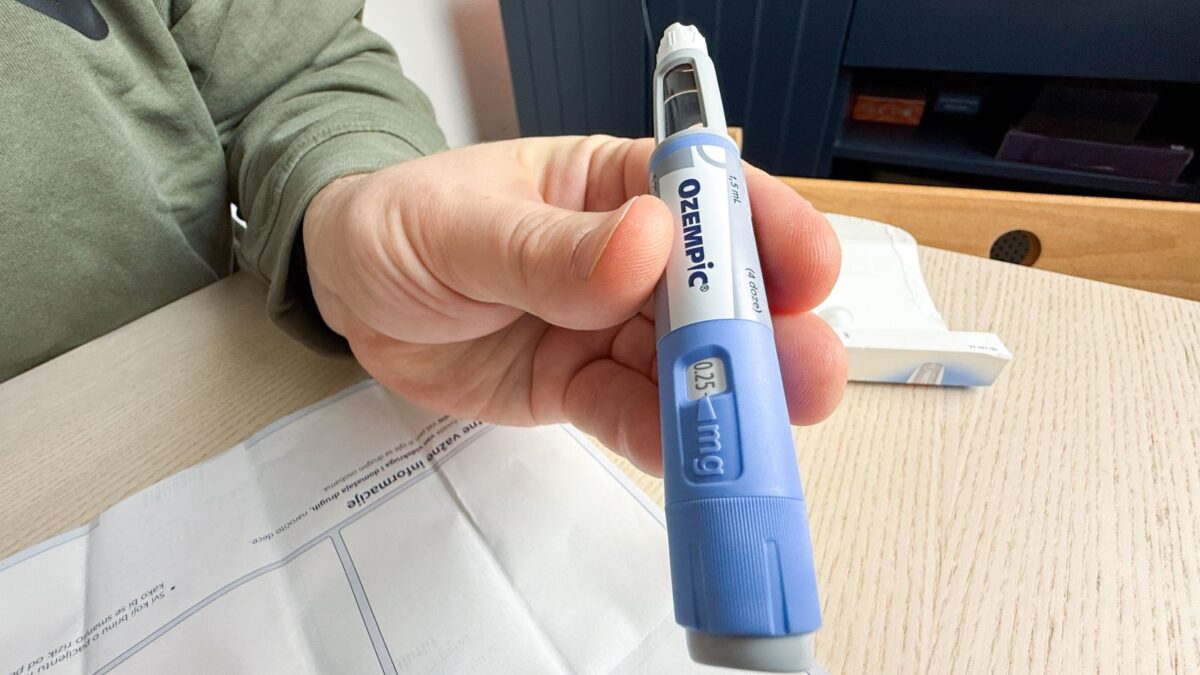
South Africa’s High Court has granted Novo Nordisk an interim interdict barring a local pharmacy group from manufacturing and selling weight-loss medicines.
Novo Nordisk has registered two medicines containing semaglutide in South Africa: Ozempic for the treatment of type 2 diabetes and Wegovy for weight loss.
However, no generic versions have been registered by the South African Health Products Regulatory Authority (SAHPRA).
Novo Nordisk accused iDexis of illegally compounding and selling a knock-off version of its drugs that poses a public health risk.
It added that the semaglutide base in iDexis’ product is chemically synthesised and therefore differs from that in its registered medicines.
iDexis, according to Novo Nordisk, was using an unregistered and illegal form of semaglutide in its products.
The Gauteng Division of the High Court in Pretoria ruled on Monday that iDexis and its director must immediately stop their activities.
This includes compounding, supplying and marketing semaglutide-based products pending the outcome of regulatory processes and potential review proceedings.
Novo Nordisk, the Danish drugmaker behind blockbuster brands Ozempic and Wegovy, had argued that iDexis was unlawfully selling unregistered semaglutide medicines.
It said that iDexis was competing in the lucrative weight-loss market without complying with South Africa’s Medicines Act.
iDexis is a prominent South African pharmaceutical group specialising in compounded medicines, third-party manufacturing, and sterile formulations.
It is headquartered in Silverton, Pretoria, and primarily operates an ordering platform exclusively to registered healthcare providers.
iDexis made headlines in recent months due to legal and regulatory battles surrounding the compounding of GLP-1 weight-loss medications, like semaglutide and tirzepatide.
The South African Health Products Regulatory Authority (SAHPRA) ordered a recall of its compounded weight-loss products.
iDexis disputed the regulator’s findings, defending its processes and stating that its raw ingredients are sourced globally from approved manufacturers.
The company added that hundreds of thousands of patients had safely used their products in South Africa.










 Loading ...