
134-year-old South African bridge loved by bungee jumpers now decaying in front of everyone’s eyes


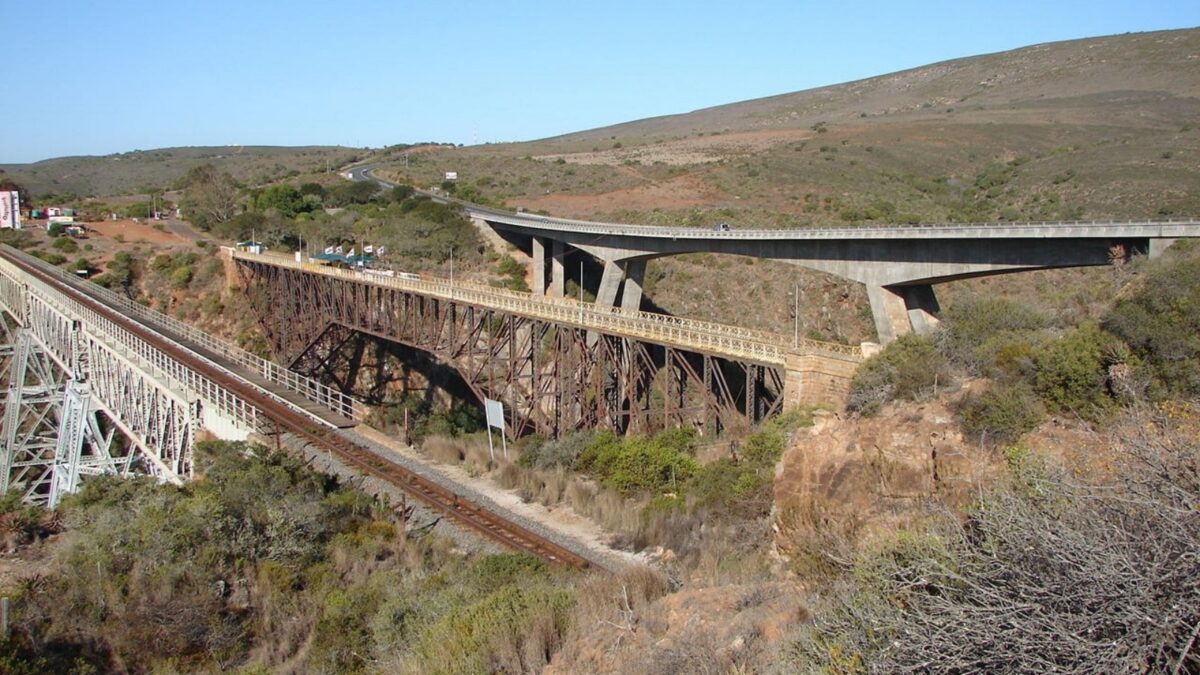
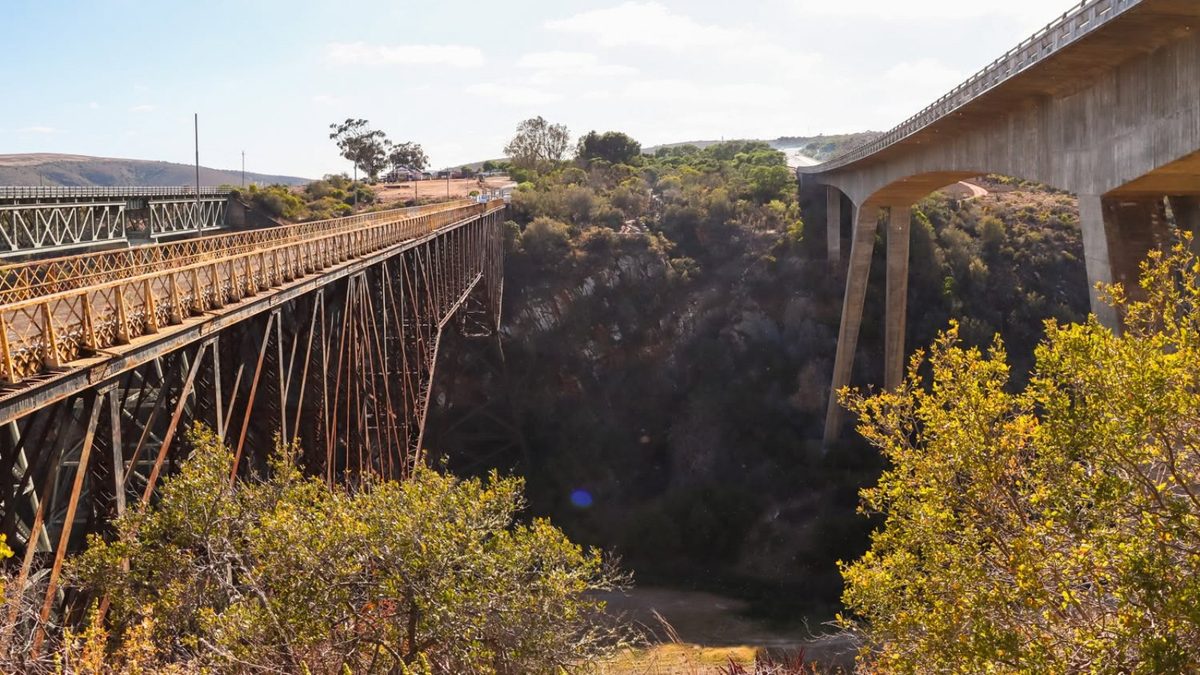
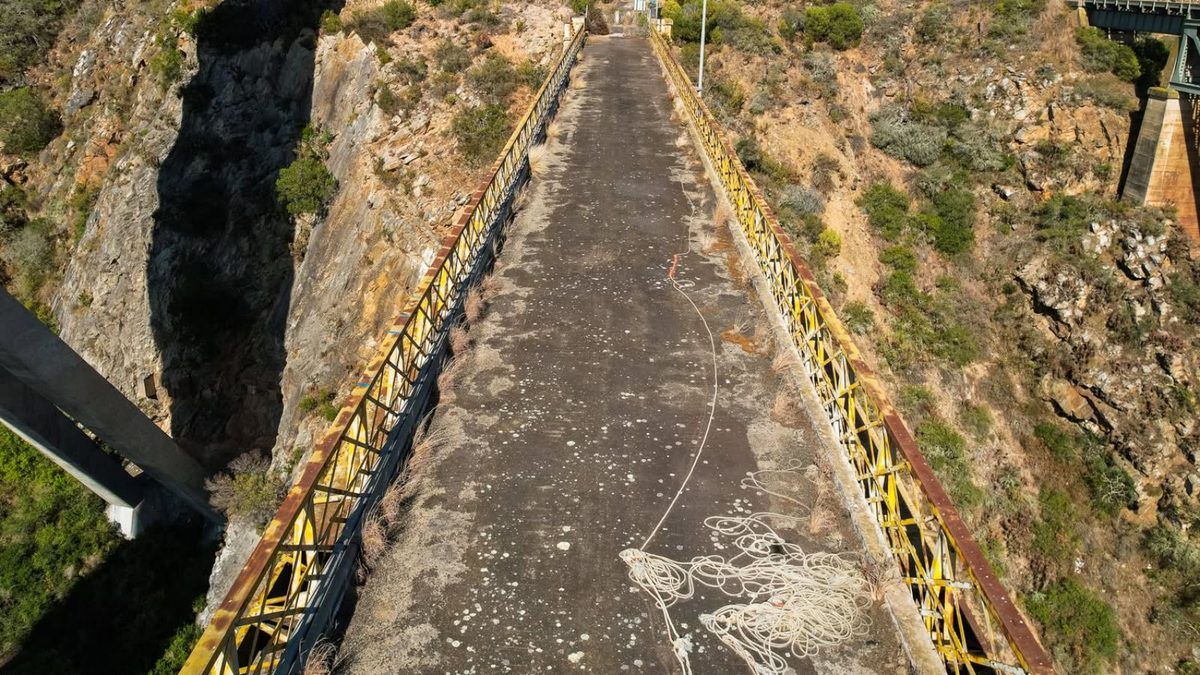
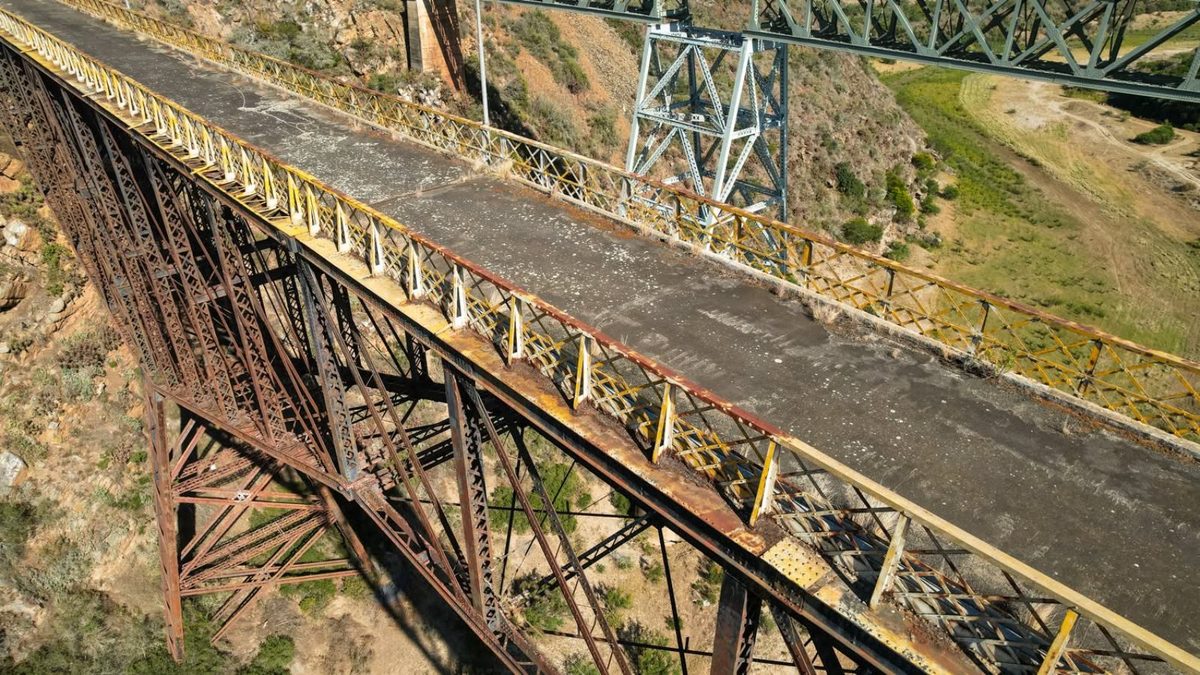
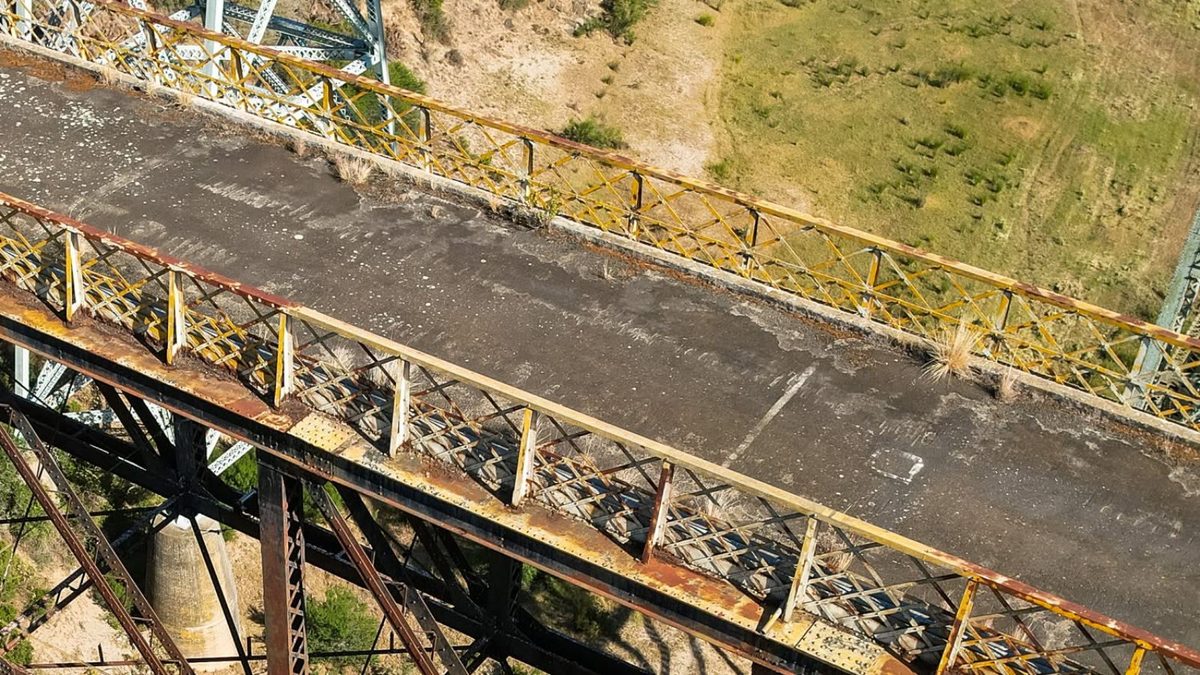
The old Gouritz River Bridge, once loved by bungee jumpers all over South Africa, has been left to rust and decay over the past few decades.
The bridge spans the Gouritz River in the Western Cape and is situated 34 kilometres west of Mossel Bay and 15 kilometres east of Albertinia.
Construction of the bridge began in 1891, following an extensive investigation of the Gouritz River Valley to determine the ideal site for a bridge.
The final location was chosen by William Grier, a civil engineer who served as the Chief Inspector of the Public Works Department for the Cape Colony.
Grier would go on to oversee the bridge’s construction, with English civil engineer Sir Benjamin Baker being brought on to design the cantilever bridge.
Construction commenced under James Chadwick, who served as the clerk of works, while Wilhelm Westhofen was hired as the site engineer.
The bridge’s ironwork was fabricated by Andrew Handyside and Company from Derby, England, including the two 79-metre-long identical cantilever and anchor arms.
The bridge officially opened on 30 March 1892, stretching 240 metres across the Gouritz River gorge and sitting 60 metres above the riverbed.
While initially designed as a road bridge, the Cape Government authorised the use of the Gouritz River Bridge for dual road and rail purposes in 1903.
The South African Railways and Harbours Administration then took over operations of the rail line in 1925, adding a rail line to the existing road bridge over the river.
This served as the only railway crossing of the Gouritz River until 1 August 1931, when a new rail bridge was opened right next to the old bridge as its replacement.
The new railway bridge stood 63 metres above the riverbed, with a length of 236 metres between its abutments.
From bungee jumping to rust
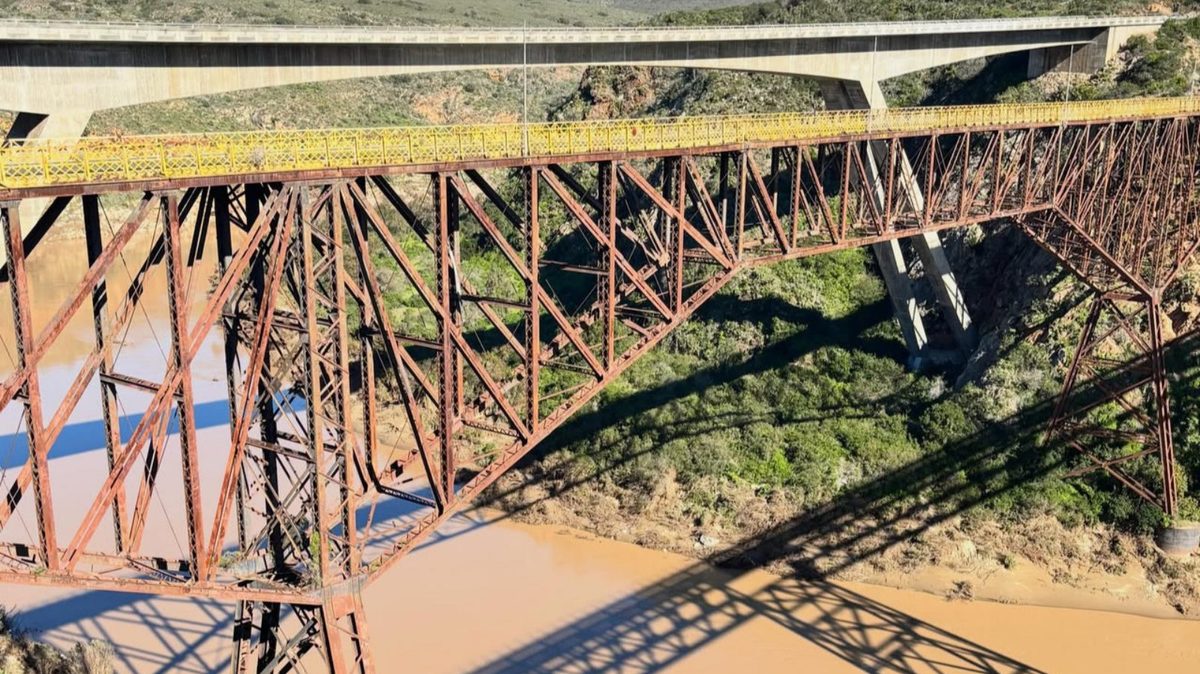
With the new railway bridge now open, the Gouritz River Bridge returned to carrying only road traffic, serving as the main road for travellers between Port Elizabeth and Cape Town.
This lasted until 1978, when a new rigid-frame concrete bridge was opened next to the old bridge and the active rail bridge.
The new Gouritz River Bridge, at a total length of 270 metres with a main span of 105 metres, formed part of the N2 highway.
With this, the old bridge fell completely out of use for both road and rail traffic and would remain idle for over a decade.
In 1989, new life was breathed into the old Gouritz River Bridge when it became South Africa’s first commercial bungee-jumping site.
Operated by FACE Adrenalin, the bridge offered both a standard bungee-jumping experience and one that would swing jumpers out over the riverbed below.
The bridge’s height of around 60 metres above the riverbed made it ideal for beginner jumpers, in comparison to other popular bridges such as the Bloukrans Bridge, which has a height of 216 metres.
Bungee jumping would continue on the old Gouritz River Bridge until December 2008, when FACE Adrenalin temporarily suspended operations due to the deteriorating condition of the bridge.
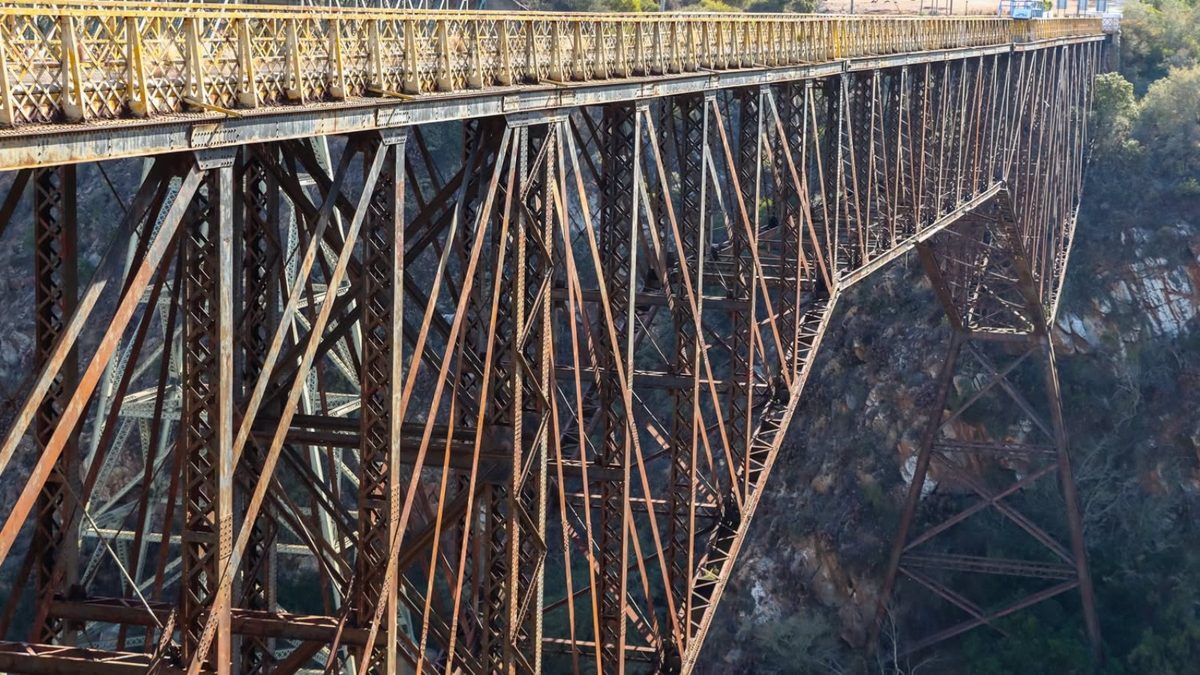
A safety audit conducted by the company at the time found that parts of the old bridge were severely rusted and in poor condition.
“We’ve sent a number of applications asking for permission to improve aspects such as spectator safety and crowd control, but we’ve never had any response,” FACE Adrenalin CEO Devon Touhey said.
“Because they’re our landlords and we’re still operating on a month-by-month permit system, we can’t be expected to incur the costs of maintaining the bridge and de-rusting and painting the struts.”
The following year, authorities completely shut down FACE Adrenalin’s bungee jumping operations on the old Gouritz River Bridge over safety concerns, leaving the bridge to continue decaying.
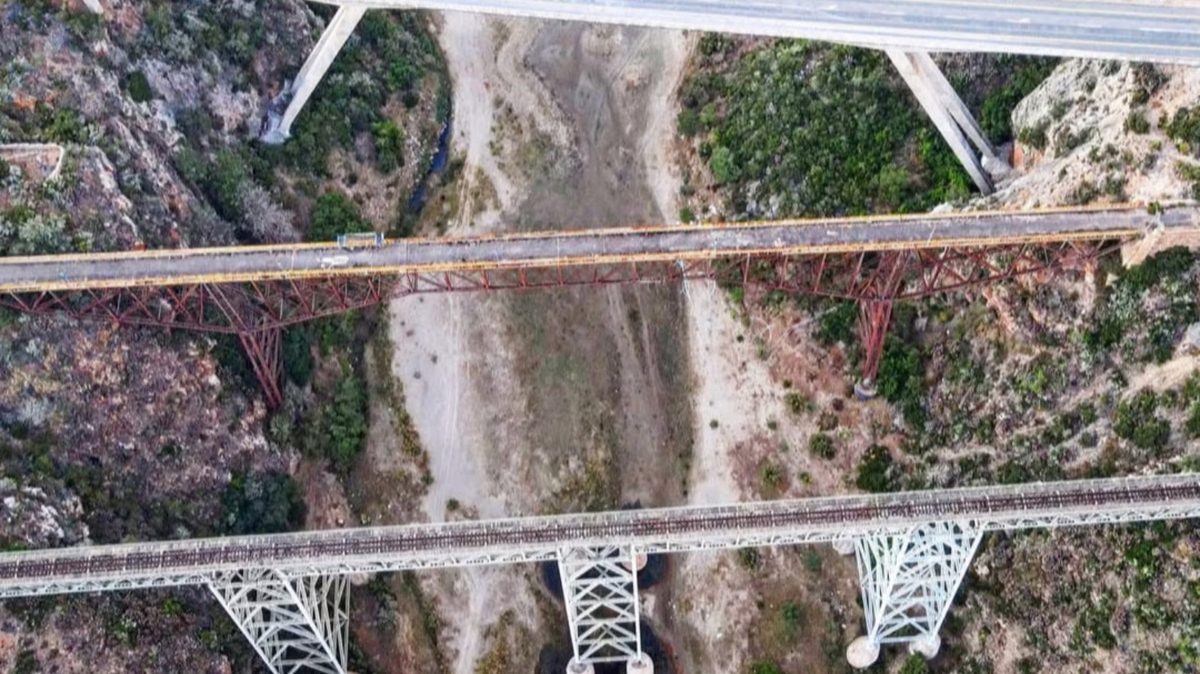
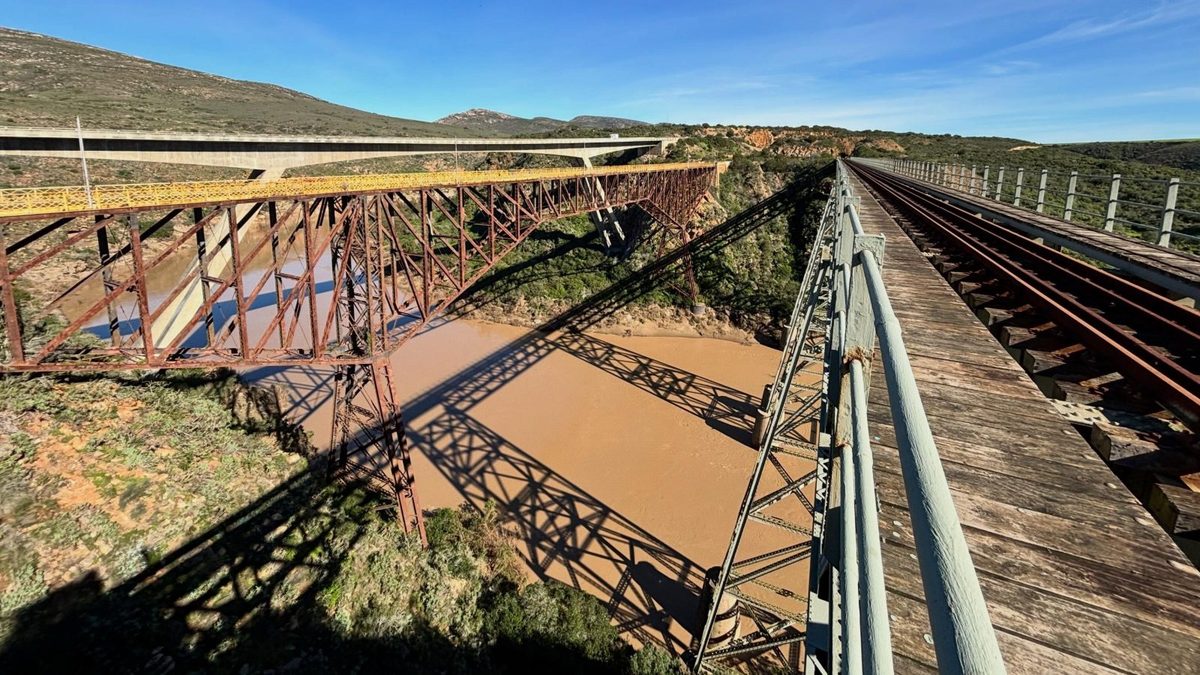
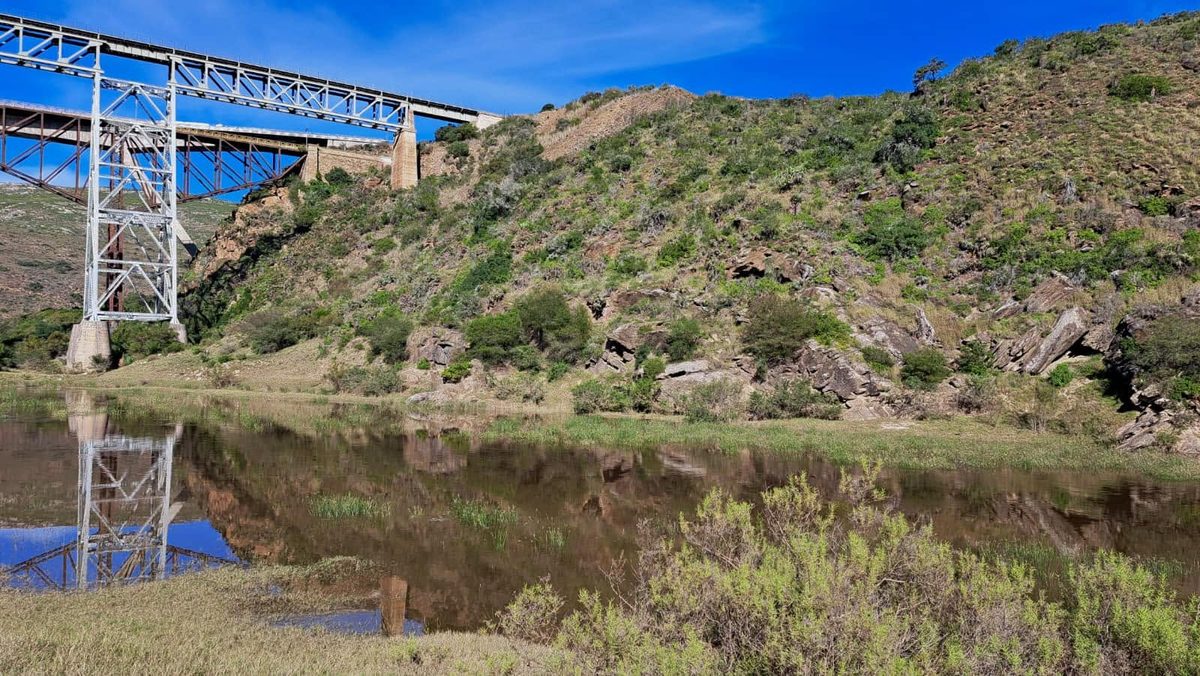
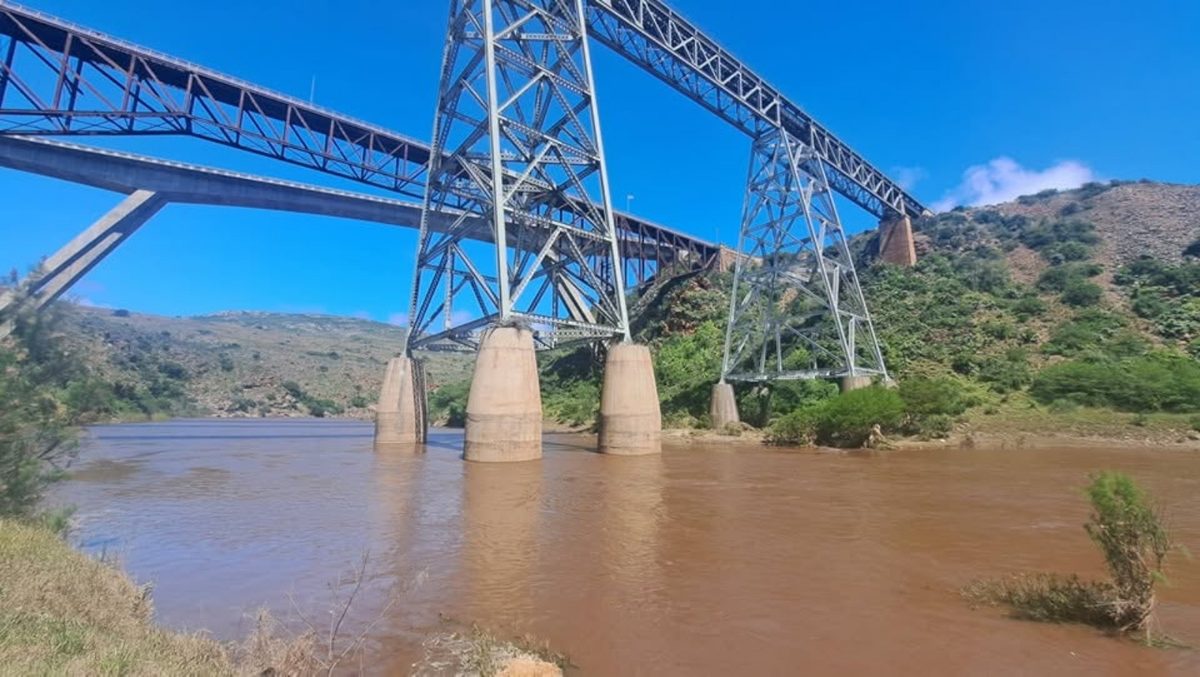
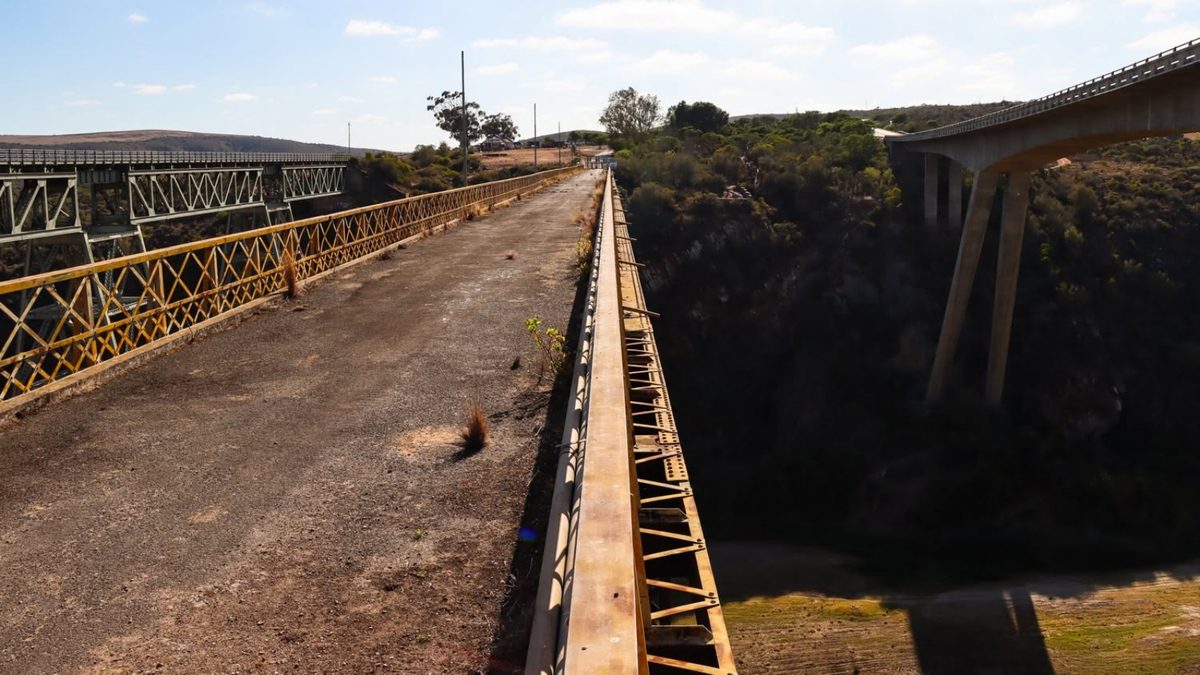
Photos of the old Gouritz River Bridge








 Loading ...
Whoever is concern about the collapse of the bridge; take it further for correction of measures.