
Top South African airport that served 250 million passengers is now completely abandoned and deteriorating in plain sight


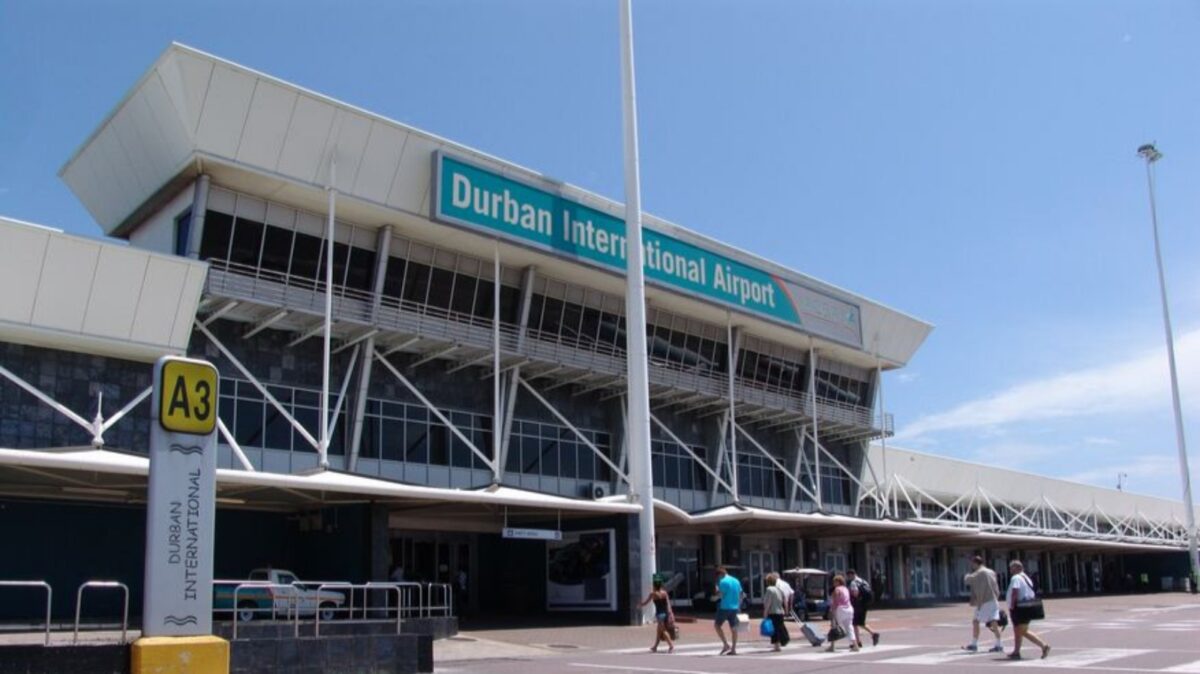
The Durban International Airport, which served as the city’s main air travel hub for almost sixty years, has been abandoned and is deteriorating.
The airport first opened its doors in 1951 as the Louis Botha International Airport, replacing the Stamford Hill Aerodrome as Durban’s major aviation centre.
The airport was renamed Durban International Airport in 1994, following the country’s first democratic elections.
Situated to the south of the city, the airport served a large number of domestic flights travelling to and from the city and its surrounding areas.
At its peak, the airport was the third-busiest airport in South Africa and served over 250 million passengers over its 59-year lifetime.
However, the airport’s 2.4-kilometre runway was deemed too short for Boeing 747s and other large aircraft, reducing its appeal for international flights.
As a result, the airport lost most of its international traffic, with most of these travellers landing at OR Tambo International Airport in Johannesburg instead.
Plans to move the airport to the area of La Mercy, 60 kilometres to the north of Durban International, had been suggested as far back as the 1970s.
In September 2007, construction officially began on King Shaka International Airport, which would replace Durban International as the area’s main air travel hub.
The new airport boasted 34 airport bays over Durban International’s 24, while its 3.7 kilometre runway could better accommodate larger aircraft.
Additionally, King Shaka International has 16 airport bridges, something which Durban International lacked entirely.
While the old airport could handle up to 4.4 million passengers annually, the new airport has an annual capacity of around 7.5 million passengers.
Durban International hosted its final flight on 30 April 2010, with King Shaka International opening its doors to passengers the next day.
Since then, Durban International has remained largely abandoned, with redevelopment plans in limbo.
The SIU investigates the airport
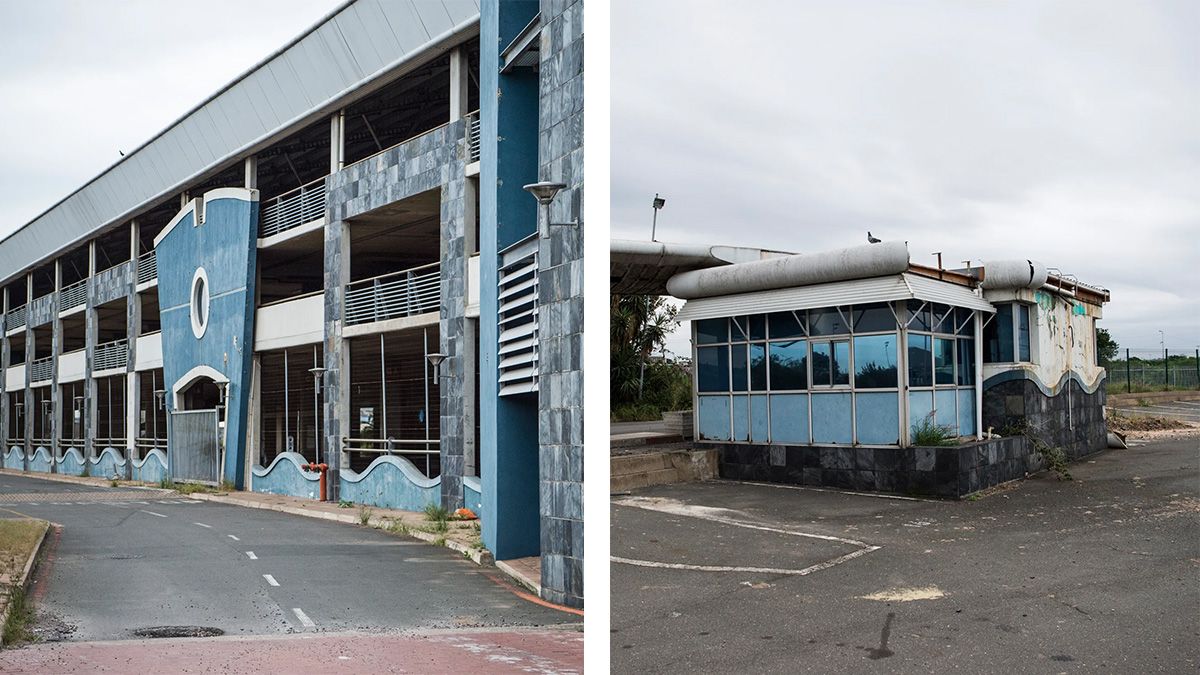
The Special Investigating Unit (SIU) is currently investigating matters related to controversial leasing arrangements made at the old Durban International Airport.
This forms part of a wider investigation by the SIU into allegations of maladministration at Transnet, which it launched in August 2024.
In 2012, Transnet purchased the Durban International Airport’s terminal building, runways, and 800 hectares of open fields from the Airports Company South Africa for R1.85 billion.
At the time, Transnet planned to develop the former airport into a dig-out port. In 2017, however, Transnet put these plans on hold, saying it would revisit them later.
That same year, Transnet began leasing the airport to Seaworld Aviation, with plans to redevelop it into a secondary airport to supplement King Shaka International.
Transnet cancelled this lease the following year, alleging that SeaWorld had broken its lease agreement by subletting portions of the site to non-aviation commercial tenants.
These tenants repurposed aviation fuel tanks and caused significant damage to airport property, including one tiling company that supposedly cut a large hole in the terminal building.
SeaWorld disputed these claims, arguing that Transnet had failed to remove existing tenants from the property and filing a multi-million-rand counterclaim with the South African courts.
By 2022, it was reported that Transnet had failed to evict SeaWorld from the premises of the old Durban Airport, even after cancelling the lease four years earlier.
President Cyril Ramaphosa authorised the SIU investigation into Transnet in August 2024, requesting the recovery of financial losses linked to irregular lease agreements.
The dispute between Transnet and Seaworld also halted a R20 billion logistics hub redevelopment plan for the airport by Amabhubesi Property Holdings.
Amabhubesi managing director, Kwazi Mbili, said this plan was turned down by Transnet in favour of Seaworld’s plan to revive Durban International and create a second airport for the region.
With the protracted court battle between Transnet and Seaworld, neither of these plans is likely to be completed, and the airport remains idle.








 Loading ...