
Small municipality spent R9.1 million to build a stadium which is not completed 12 years after construction started


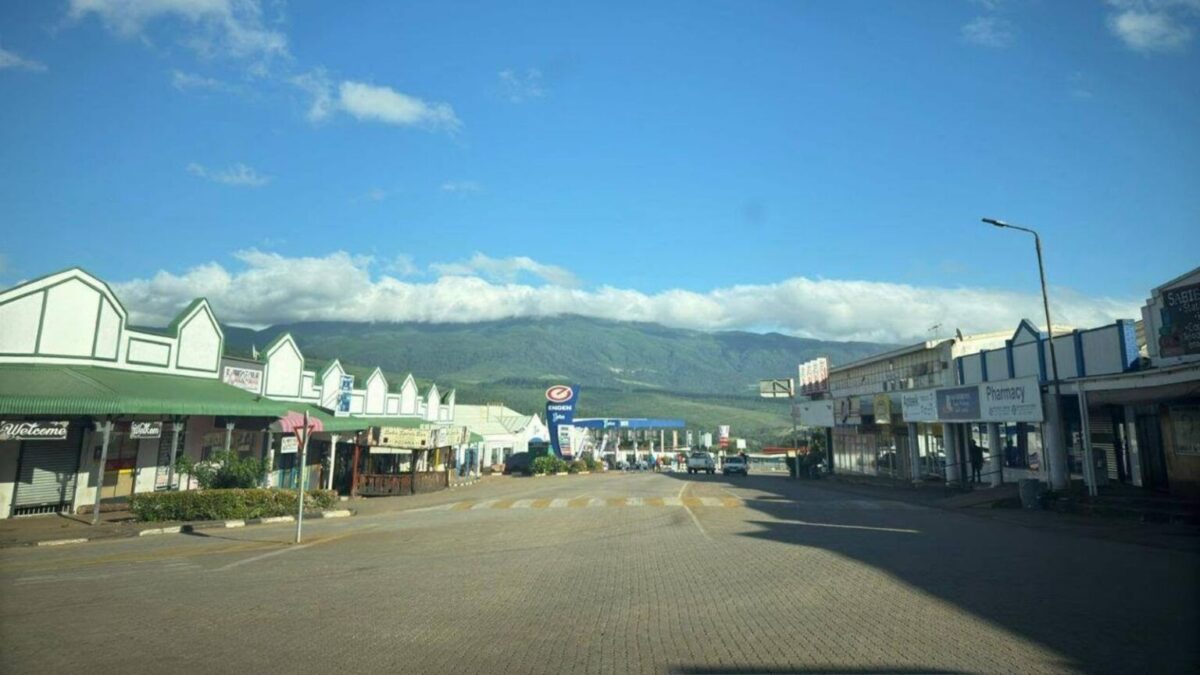
The Thaba Chweu Local Municipality spent R9.117 million on the Sabie Stadium, which remains incomplete 12 years after construction started.
The Sabie Stadium was developed by the municipality to serve the sports and community needs of Simile and the greater Sabie area.
The Thaba Chweu Local Municipality is responsible for the planning, procurement, implementation, and contract management of the project.
It was planned and rolled out across multiple capital budgets to provide pitch, perimeter, seating, and ablution facilities.
However, it has faced delays, vandalism, and completion challenges, drawing scrutiny regarding contractor payments and the issuing of completion certificates.
The development’s funding was overseen by the Department of Cooperative Governance and Traditional Affairs (CoGTA).
The Minister of Cooperative Governance and Traditional Affairs, Velenkosini Hlabisa, has now provided an update on the project.
He revealed that the approved project budget for the construction of Sabie Stadium was R10.276 million.
The Municipality spent R9.117 million of this budget, inclusive of VAT, on the project, leaving a balance of R1.159 million.
Despite the Thaba Chweu Municipality spending 88.7% of the approved project budget, the facility remained incomplete.
“As such, no completion certificate was issued because the construction works were not completed,” Hlabisa said.
The municipality also reported that theft and vandalism subsequently affected the incomplete infrastructure.
Velenkosini Hlabisa says they will take action
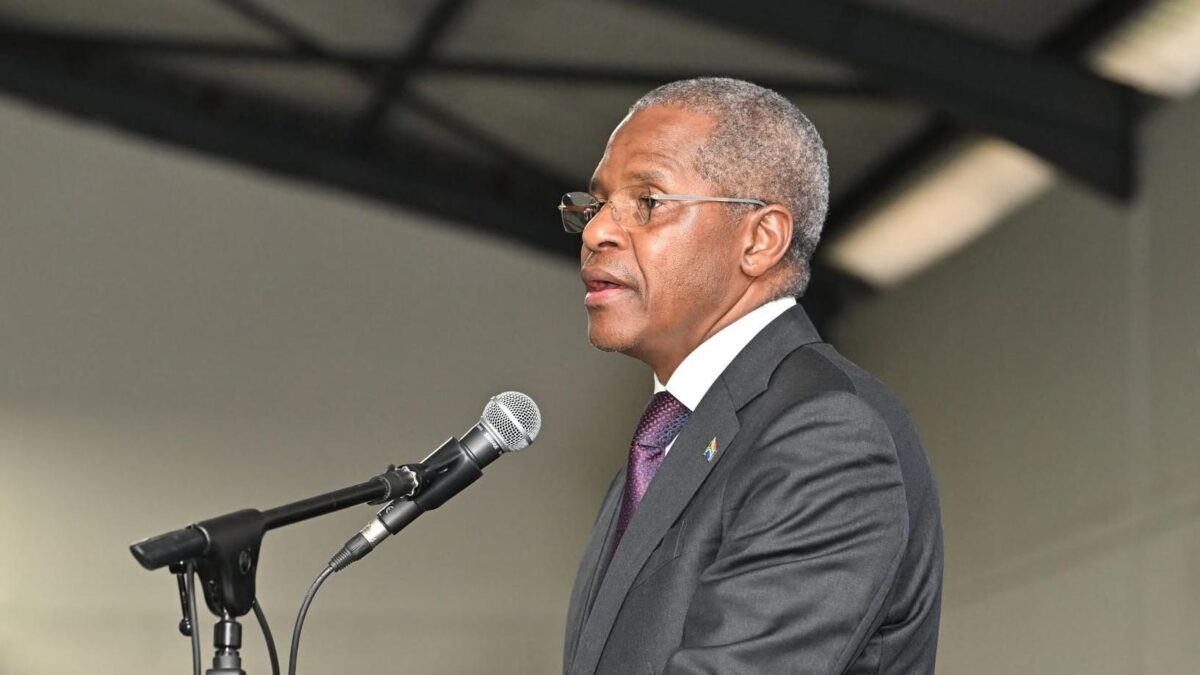
Hlabisa said that they will, through the Mpumalanga Department of Co-operative Governance, Human Settlements and Traditional Affairs, take action.
They will request the Thaba Chweu Municipality to verify that the work reflected in each interim payment certificate was executed.
It must also reconcile the certified work and payments and determine the remaining scope and the project’s contractual status.
The municipality must also report the outcome of corrective actions and the disciplinary proceedings arising from this process.
“Disciplinary proceedings arising from this process fall within the authority of the Municipality and its municipal council,” he said.
The Minister was asked whether his department intends to refer the matter to law-enforcement agencies.
Although there is mismanagement, Hlabisa said there are no verified findings of fraud, corruption, theft, or payment for work not performed.
“Therefore, the Department has no verified basis at this stage to refer the matter directly to a law-enforcement agency,” he said.
However, his department will, through the provincial department, request that the Municipality obtain legal advice on the contract’s status and enforceability.
He added that an investigation could reveal suspected fraud, corruption, theft, payment for work not performed, or other criminal offences.
“Should this happen, the accounting officer must report the matter to the South African Police Service in accordance with the applicable legislation,” he said.
“The Department of Cooperative Governance and Traditional Affairs will monitor the matter through the provincial department.”
“If the municipality fails to act despite evidence of maladministration, fraud, and corruption, the matter may be referred to the Member of the Executive Council.”
Payments for the Sabie Stadium construction
| Consolidated position | Amount |
| Professional fees | R1,092,685.02 |
| Construction payments | R8,024,288.57 |
| Total expenditure | R9,116,973.59 |
| Balance against the approved project budget | R1,158,911.85 |



 Loading ...