
24% of provincial police officers in South Africa do not have driver’s licences


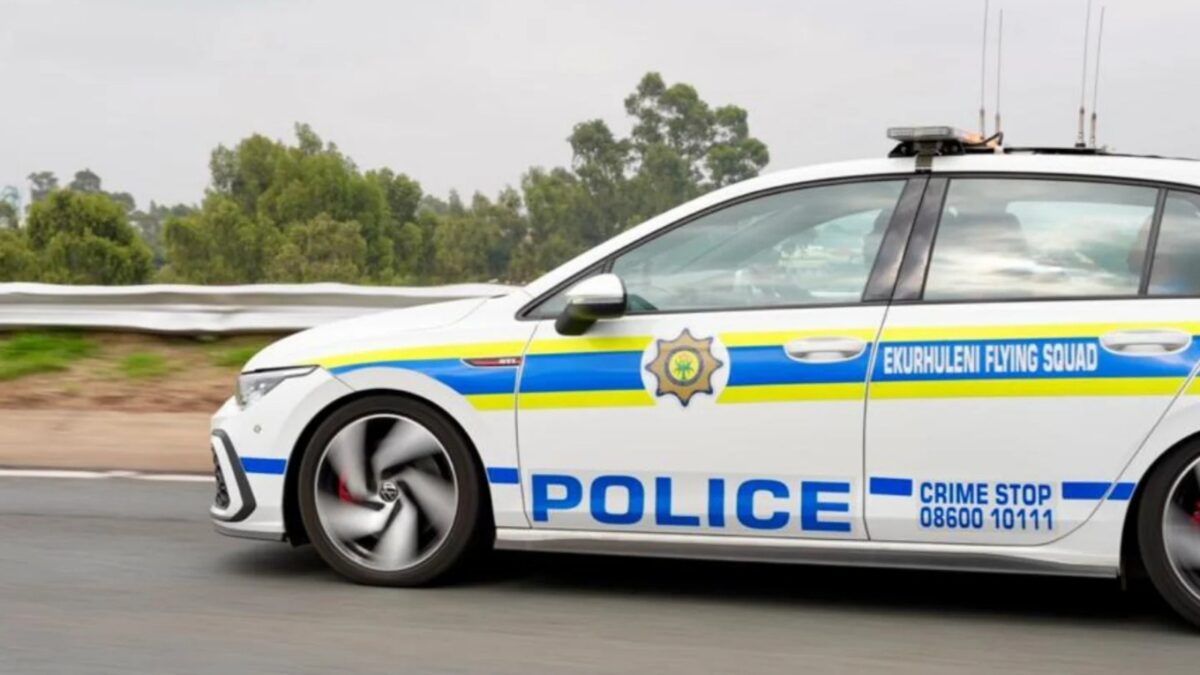
Almost a quarter of provincial police officers working for the South African Police Service (SAPS) do not hold valid driver’s licences.
This was revealed by the acting Minister of Police, Firoz Cachalia, in response to a parliamentary question from Member of the National Assembly Christiaan Smit.
Smit had asked the Minister to disclose the total number of sworn SAPS police officers by province, as well as how many of these were currently on active duty.
He also asked the Minister for the current ratio of operational police officers to vehicles in each province, and the number of officers with valid driver’s licences versus those without.
Finally, Smit asked the Minister if SAPS had identified any provinces where a shortage of officers had affected policing operations, response times, or visible policing.
In his response, Cachalia revealed that SAPS currently had 111,182 sworn officers in accordance with the SAPS Act, reporting to the various Provincial Police Commissioners.
This included 329 Senior Management Service (SMS) members on salary level 13 or higher, in addition to 110,853 officers on salary level 12 or lower.
Of this, SAPS has 135 SMS members and 101,222 officers on active duty. This excludes deceased members, those who have absconded, and those in the process of terminating their service.
The Western Cape recorded the lowest ratio of officers to vehicles at 1:3.25, while the North West recorded the highest at 1:5.35.
According to Cachalia, the number of provincial SAPS officers with the authority to operate state vehicles was 50,837, while the number of officers without valid driver’s licences was 26,126.
This means that 23.5% of the total number of officers sworn in under the SAPS Act do not currently hold valid driver’s licences.
“Effective policing operations are dependent on the availability of vehicles and the allocation of personnel,” Cachalia said.
“Policing demands, measured against the availability of policing capabilities, fluctuate on a daily basis and are addressed accordingly.”
Cachalia said this was managed through prioritising police responses, the provision and management of fleet vehicles, and the allocation of personnel within SAPS’ financial constraints.
He said the same operational and financial considerations, such as the availability of vehicles and personnel, also applied to response times and visible policing.
The Minister did not reveal whether the SAPS had identified a specific province in South Africa which had been affected by shortages of qualified officers.








 Loading ...
Compulsory body-cams, independent lifestyle audits, verified credentials, and continuous AI monitoring of conduct are non-negotiable for a credible police service.
Those who refuse compliance must be dismissed immediately. Honest officers gain protection; the corrupt lose cover. Low cost, high accountability—this is the minimum standard South Africa’s citizens deserve.