
A pack of 20 cigarettes for R5 in South Africa


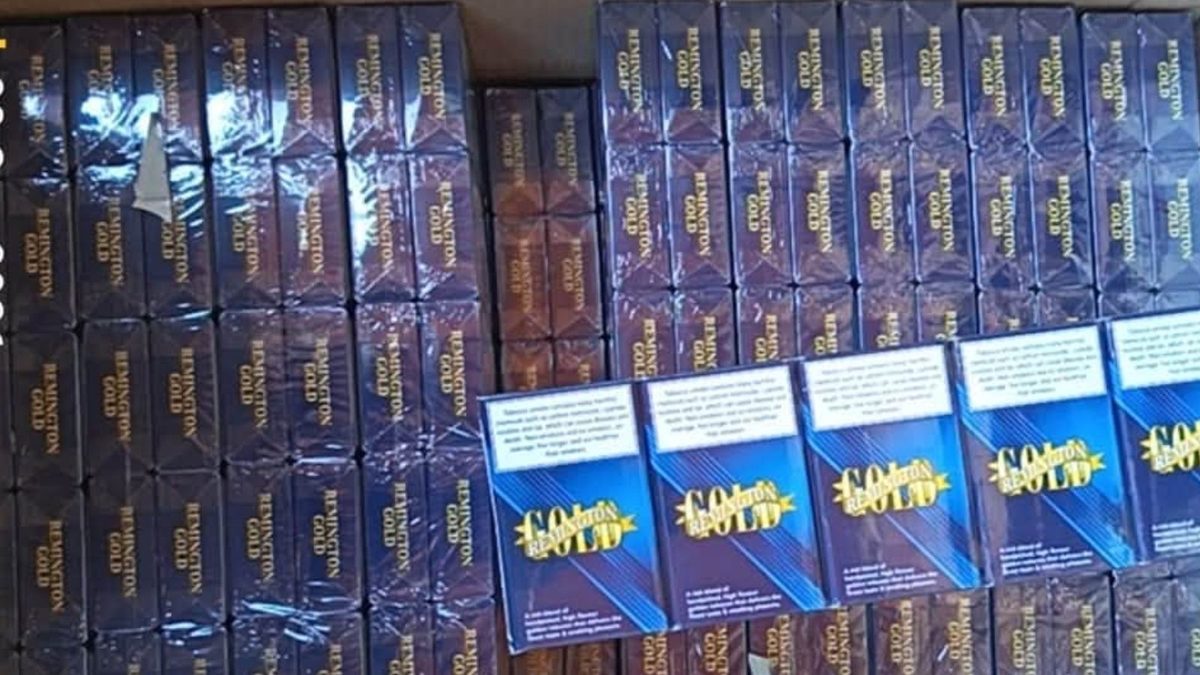
A pack of 20 illicit cigarettes sells for as little as R5 in South Africa. This is R32 cheaper than the most affordable legal cigarette pack.
This is because the excise tax levied on a pack of legal cigarettes is set at a minimum of R27.12, which illicit cigarette producers don’t pay.
This was revealed in a presentation by the National Treasury and the South African Revenue Service to the Standing Committee on Finance (SCOF) in October.
The two government agencies presented this in response to stakeholder comments on the 2026 Draft Tax Bills.
One of these Bills relates to the excise duties, sometimes called “sin taxes”, charged on products such as alcohol and cigarettes in South Africa.
Stakeholders were allowed to comment on these Bills, and one pointed out a significant price disparity between legal and illicit cigarettes in South Africa.
They said the price for a pack of 20 illicit cigarettes can be as low as R5, as illegitimate sellers do not include taxes in their prices.
South Africa’s illicit cigarette market has skyrocketed in recent years, to the point that 75% of the local cigarette market is now illicit.
Some industry stakeholders have suggested that high taxes are one reason for the illicit industry’s rapid growth.
Wits University professor Alex van den Heever said in 2024 that the high taxes levied on tobacco products in South Africa are counterproductive.
He said it benefits the illegal cigarette trade by making legitimate sellers’ products less competitive.
“Illegal manufacturers simply do not charge the excise tax, giving them a significant price advantage over legal manufacturers,” he said.
“Not surprisingly, the higher the prevailing tax, the greater their price advantage.”
The government’s lockdown regulations during the Covid-19 pandemic also played a role in South Africa’s illicit cigarette market boom.
The government banned alcohol and cigarette sales during the pandemic for five months in the interest of public safety, with the hope that demand would decrease.
However, this did not happen. Instead of buying from legitimate sellers, consumers turned to their illicit alternatives.
In a 2023 report, Oxford Economics found that, during the pandemic, 90% of smokers were able to purchase cigarettes despite the complete ban on tobacco sales.
It said almost all sales shifted from formal outlets to informal channels,
SARS is losing out on billions
The expansion of South Africa’s illicit cigarette market is dangerous to consumers, as well as to the local fiscus.
Since illicit cigarette sellers do not charge or pay taxes on the products they sell, SARS is missing out on billions in potential excise tax revenue.
Oxford Economics has estimated that the cumulative taxes evaded due to the illicit cigarette trade between 2019 and 2022 amounted to R85.6 billion.
The firm also found a 69% increase in duty-not-paid (DNP) cigarette volumes over that period, from 13.6 billion sticks in 2019 to 23 billion in 2022.
“These shifts mean that the DNP segment has maintained a dominant market share of above 60% from 2020 onwards,” Oxford Economics said.
“Unfortunately, fears that illicit operations and sales channels would become more entrenched now seem to have become the reality.”
The firm explained that this is of great concern to South Africa’s economy, as the tobacco industry contributed R48.4 billion to GDP in 2019.
“The tobacco industry supported a total of 160,924 jobs in 2019, equivalent to 39.1% of all jobs in the mining sector that year,” it said.
“Since then, however, the industry, mainly the duty-paid segment, has struggled to regain the jobs it supported as illicit trade gained the upper hand.”










 Loading ...
Thank you Mrs Zuma and the ANC for R5 cigarettes. Saved the consumers billions in unnecessary taxes !