
The coldest town in South Africa known as the gateway to the universe


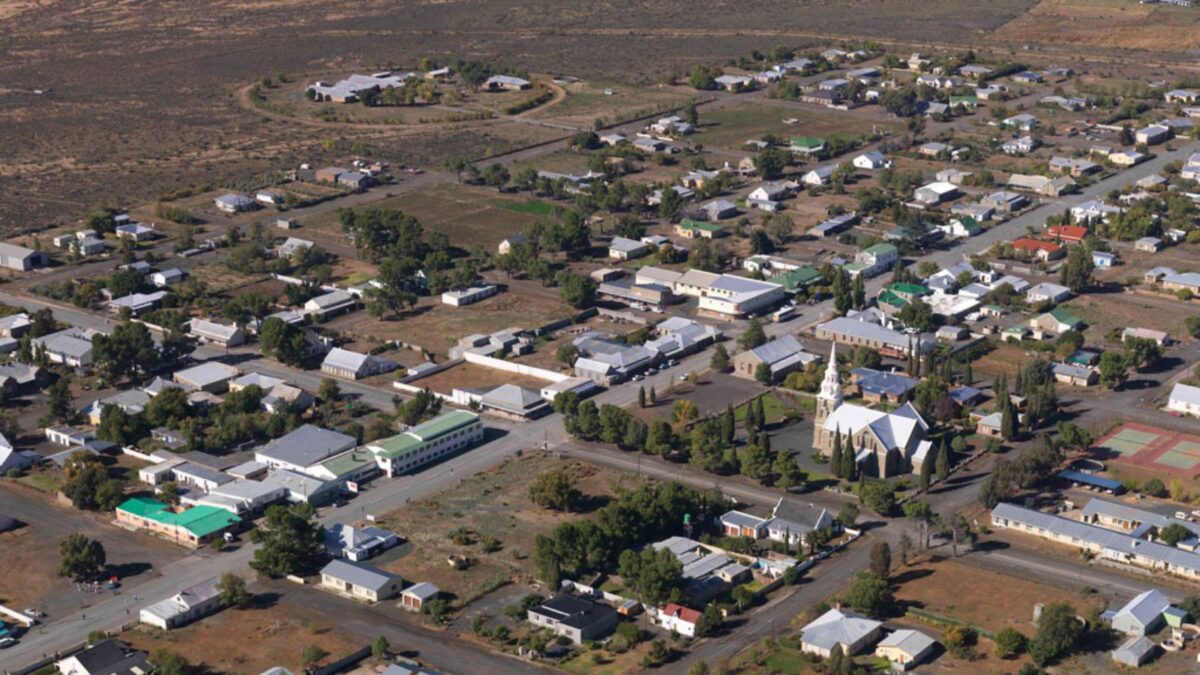
The small town of Sutherland in South Africa’s Northern Cape province is famous for its frigid climate and as a popular attraction for stargazers.
The town was founded in 1855 on the De List farm and was named after Reverend Henry Sutherland, who travelled annually to the area from Worcester to hold church services.
Because these trips could take weeks, it was decided that a local congregation was needed in the area, which then became the town of Sutherland.
Three years later, 30 of the 50 plots of land had been sold, and the town recorded a population of 138 residents by the year 1872.
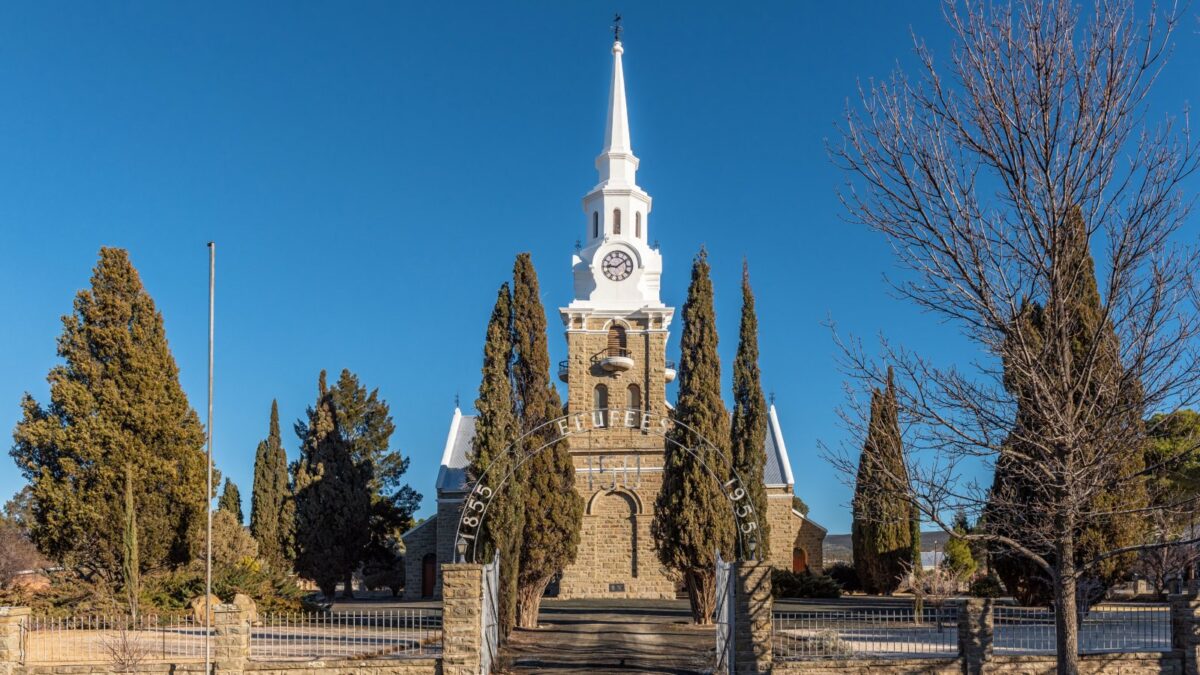
The Dutch Reformed Church in the centre of Sutherland was built in 1899, and was even used as a garrison by British troops during the Second Anglo-Boer War.
Today, the town is known as the coldest in South Africa, with winter temperatures dropping to -11 °C.
The town is situated in a remote area of the western Roggeveld Mountains in the Karoo, at approximately 1,450 meters above sea level.
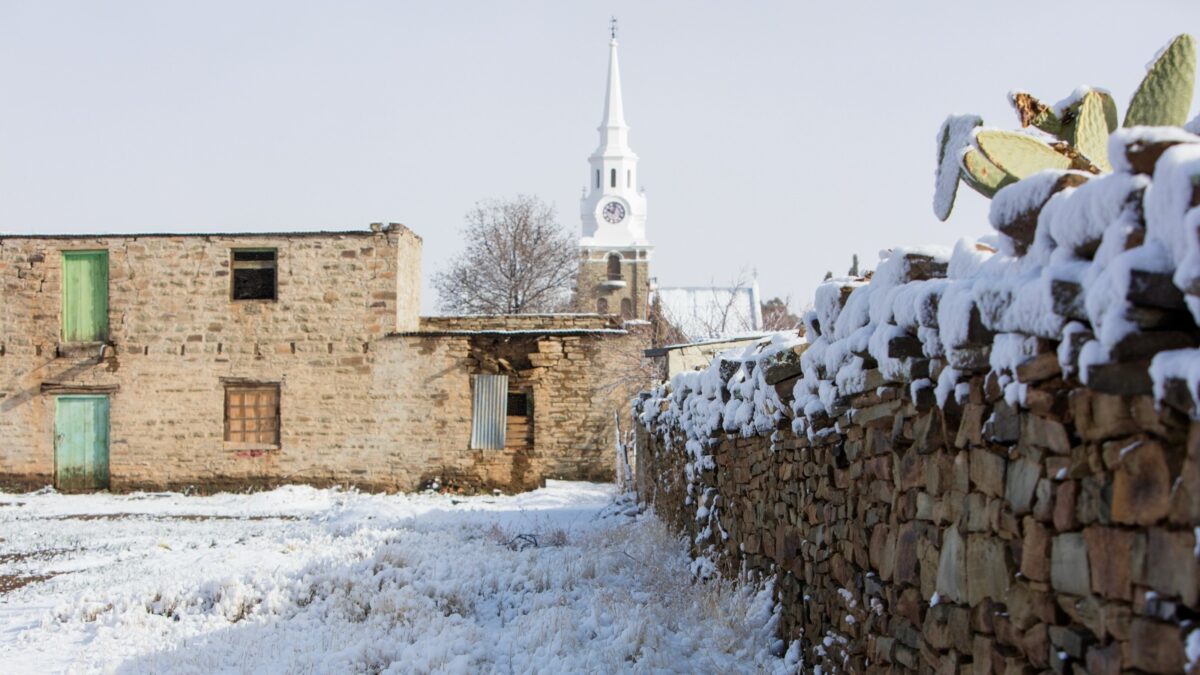
This has given the town its characteristically cold, semi-arid climate, with snowfall being a common sight in Sutherland during the wintertime.
The coldest temperature ever recorded in Sutherland was -16.4°C, which it reached on 12 June 2003, while its lowest daytime temperature was recorded on 2 August 2012 at -6°C.
Sutherland’s population today is estimated to sit anywhere between 3,600 and 6,500 people, with the town’s economy mainly centred around sheep farming.
The town is home to an 18-hole golf course and tennis courts, and it hosts numerous bed-and-breakfast accommodations for visitors.
It is also situated just north of the Rogge Cloof Private Nature Reserve, which holds the southernmost extinct volcano in South Africa, Salpeterkop.
South Africa’s top astronomy hotspot
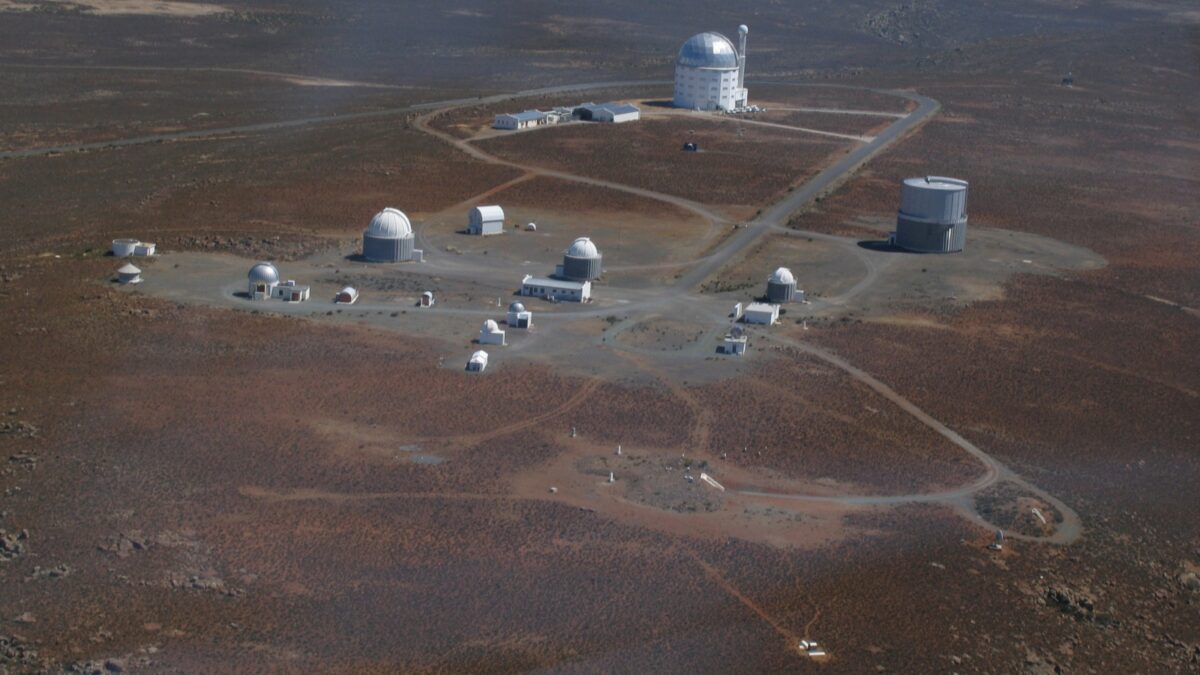
Aside from its famously cold winters, Sutherland is well-known as a prime destination for astronomers and stargazers.
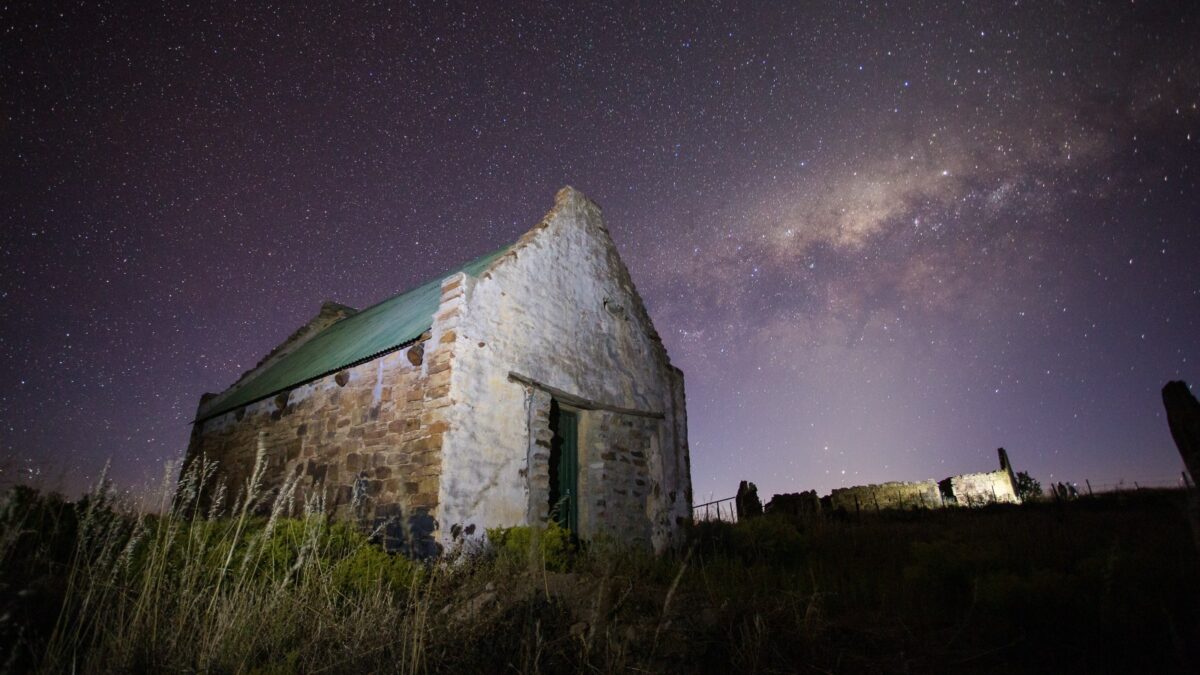
Since the town is situated so high above sea level in the Roggeveld mountains, its night skies are among the darkest and clearest in South Africa.
The town receives little annual rainfall and has low air and light pollution due to its low development, leaving its skies clear for most of the year.
The town’s own tourism agency, Visit Sutherland, has nicknamed it “the gateway to the universe” on account of its high potential for astronomical observation.
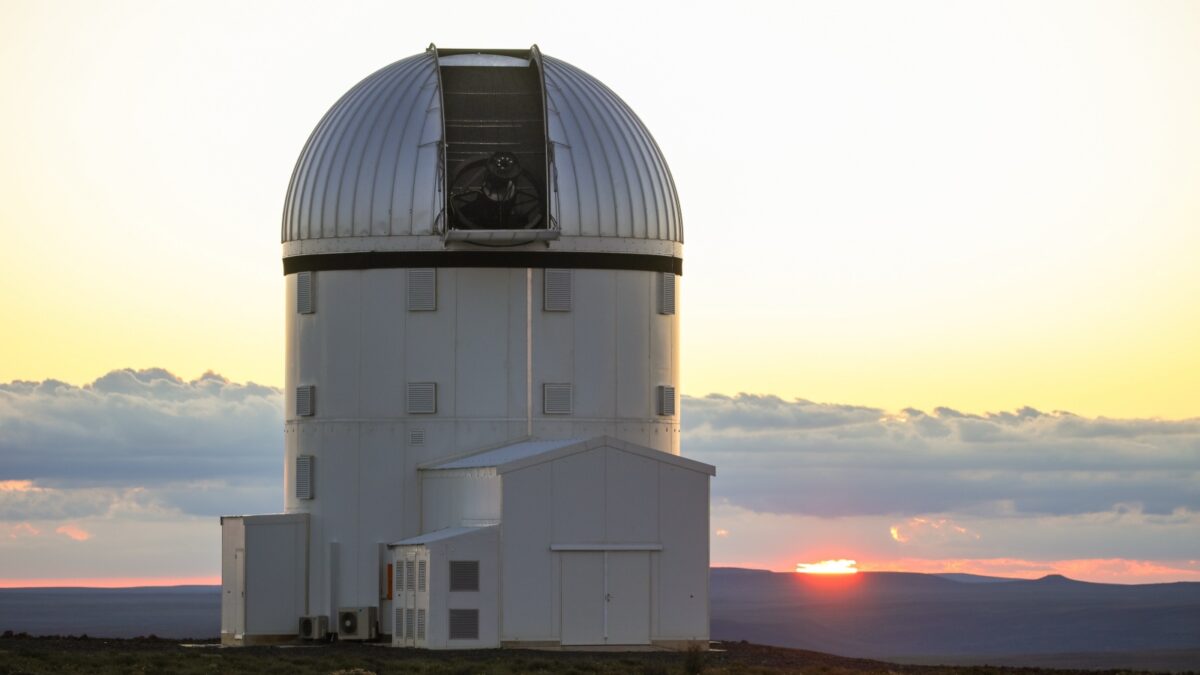
Sutherland is home to the primary telescopes for South Africa’s national astronomy institution, the South African Astronomical Observatory (SAAO).
Established in 1972, SAAO was formed from the merger of the Republic Observatory in Johannesburg and the older Royal Observatory in Cape Town.
Headed by the National Research Foundation of South Africa, SAAO’s headquarters are situated 370 kilometres away from Sutherland, in the Cape Town suburb of Observatory.
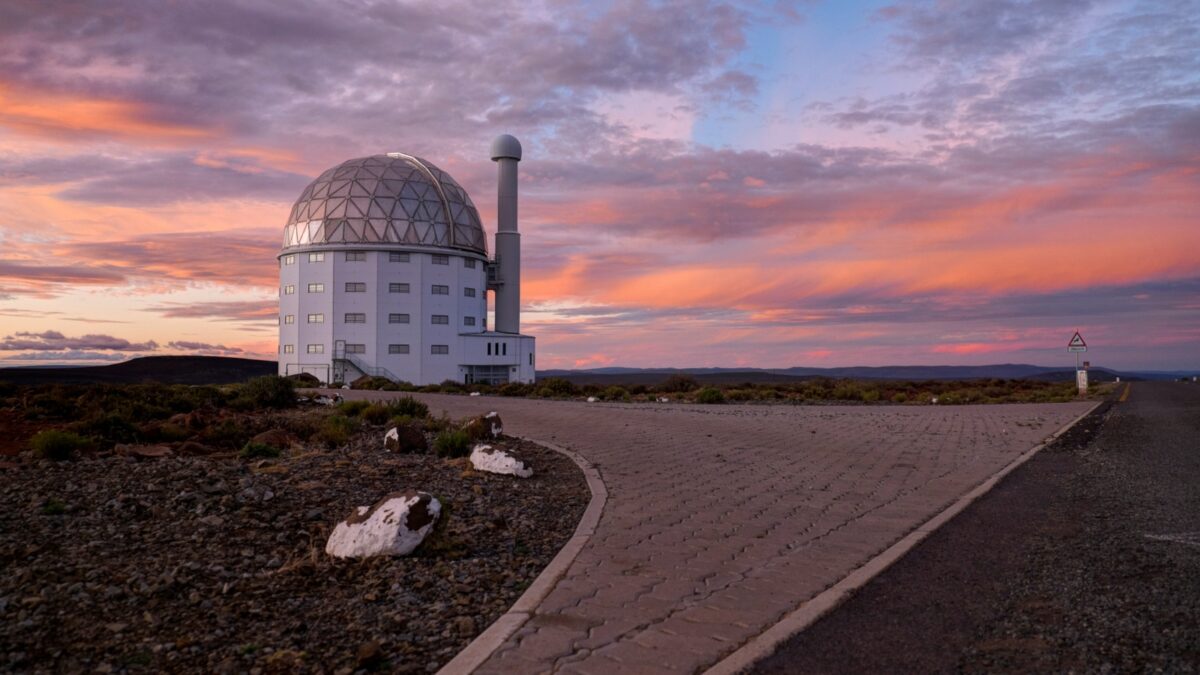
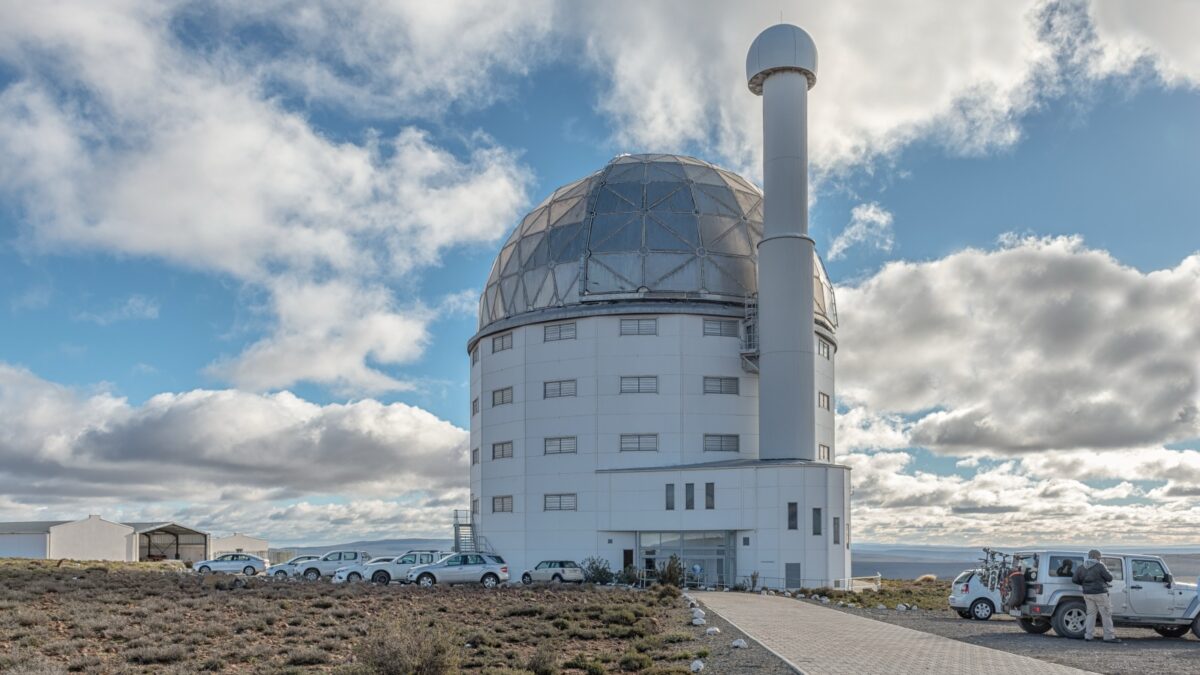
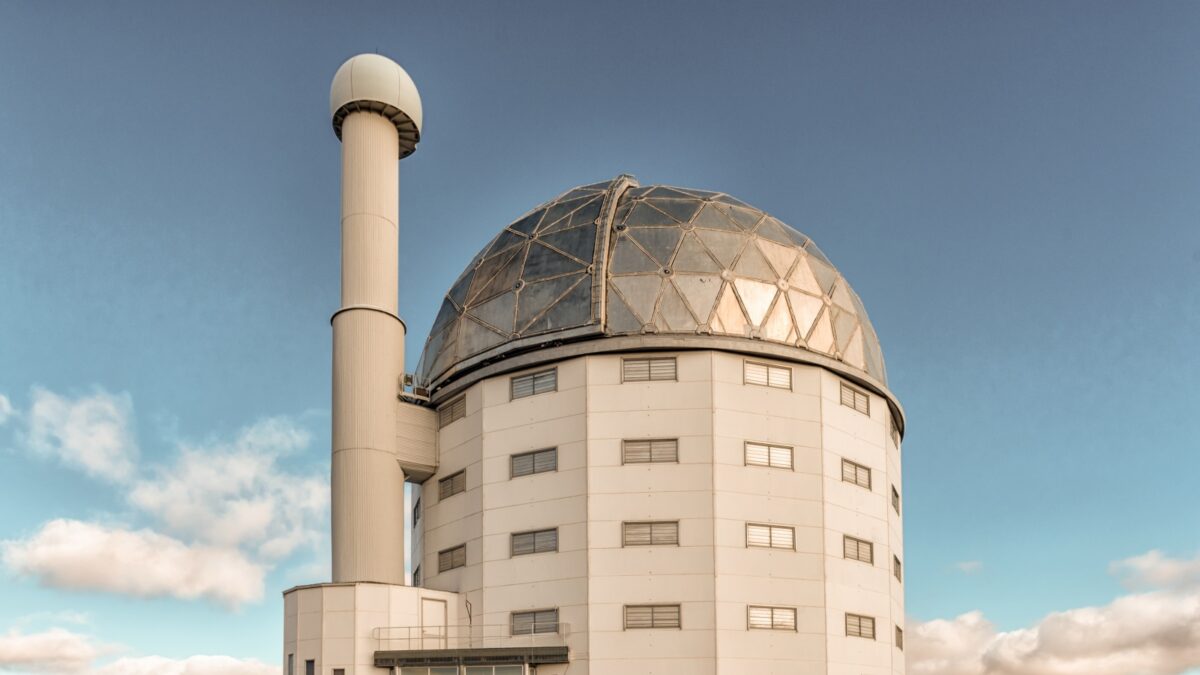
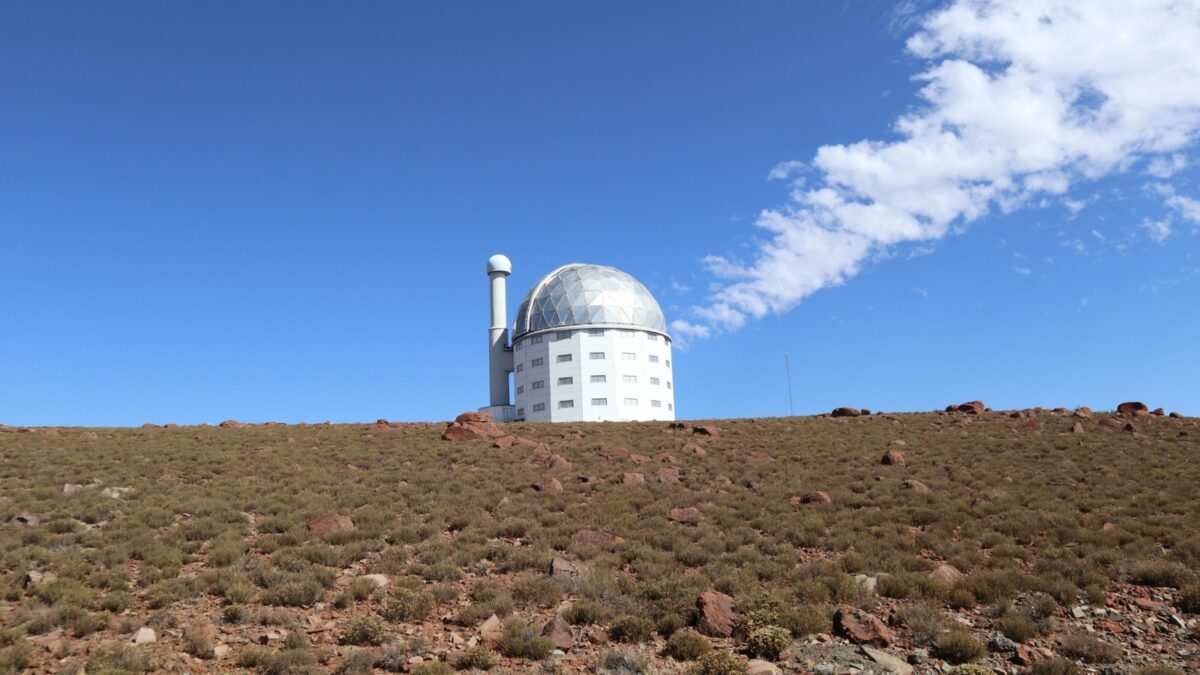
Included amongst SAAO’s telescopes in Sutherland is the Southern African Large Telescope (SALT), which is the largest optical telescope in the Southern Hemisphere.
Built mainly for spectroscopic purposes, which is the study of light, SALT is 78 square metres in size with a 9.2 metre aperture.
The telescope was financed by a consortium of countries, including Germany, Poland, the United States, the United Kingdom, India, and New Zealand.
Construction on SALT concluded in 2005, with South Africa contributing a third of the R590 million needed for its first 10 years of operation.
While SAAO initially estimated that the opening of SALT would bring up to 30,000 tourists to Sutherland annually, only about 14,000 tourists were visiting the area by 2018.
This created over 300 jobs for Sutherland’s residents, a substantial number given the town’s small population.
Photos of the Southern African Large Telescope (SALT)
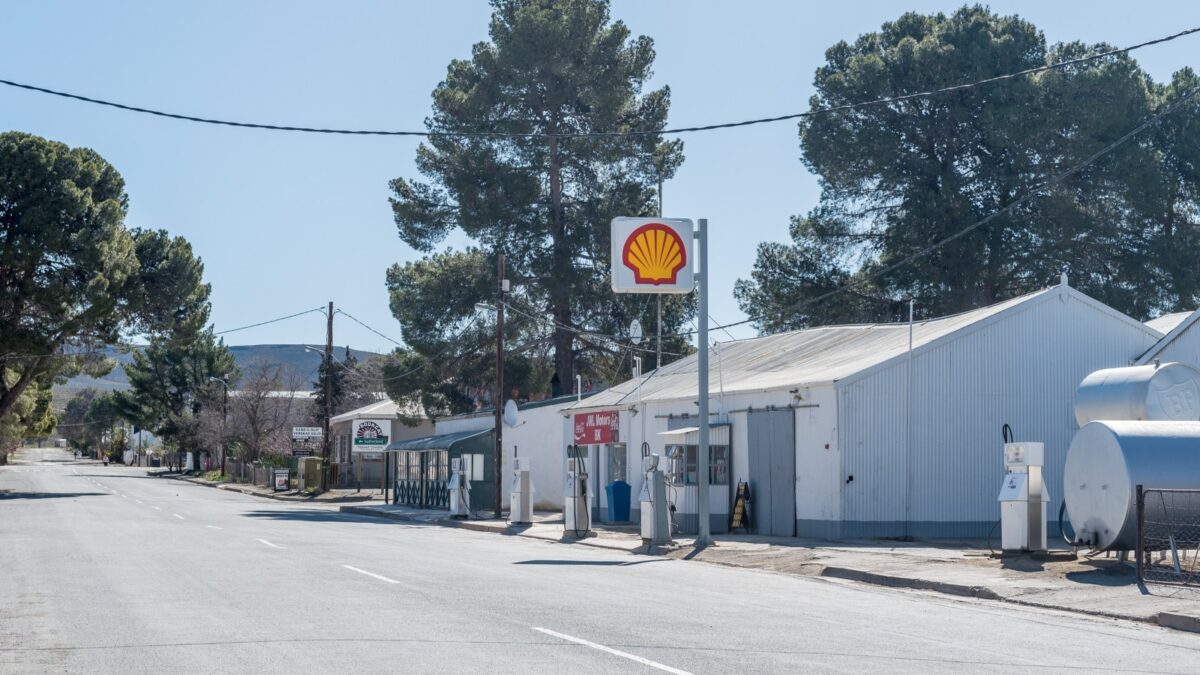
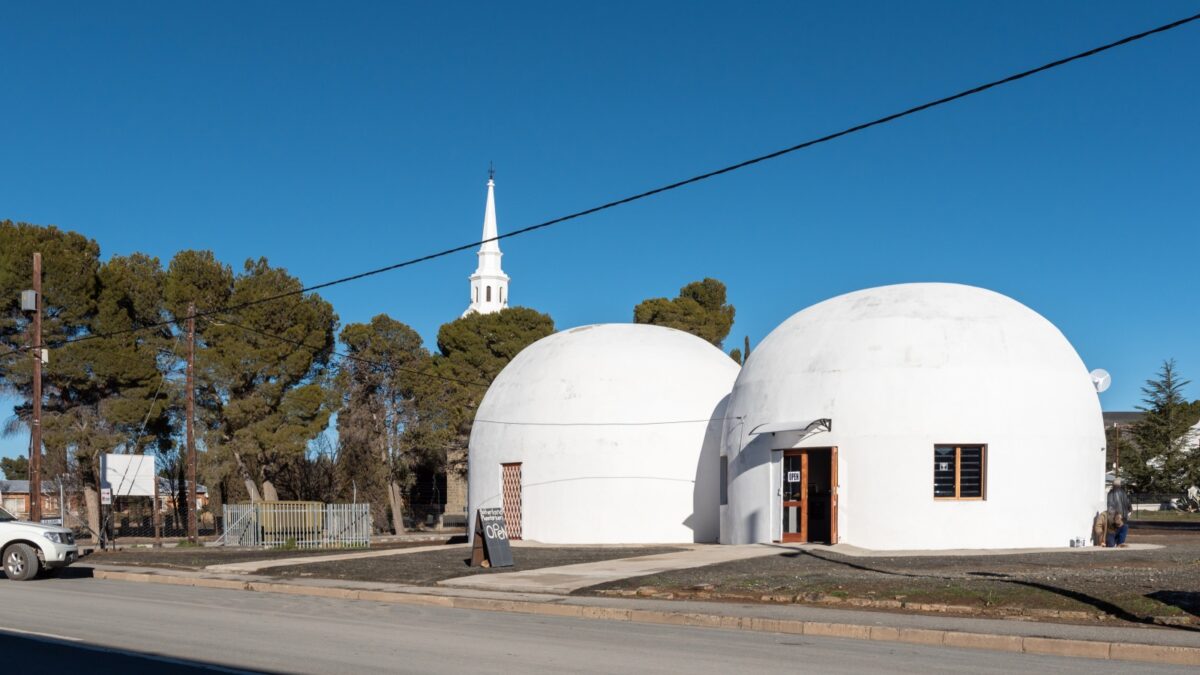
Photos of Sutherland town









 Loading ...
Molteno in EC is colder.