
ANC nightmare: Latest polling data shows that the DA is beating the ANC in most large South African cities


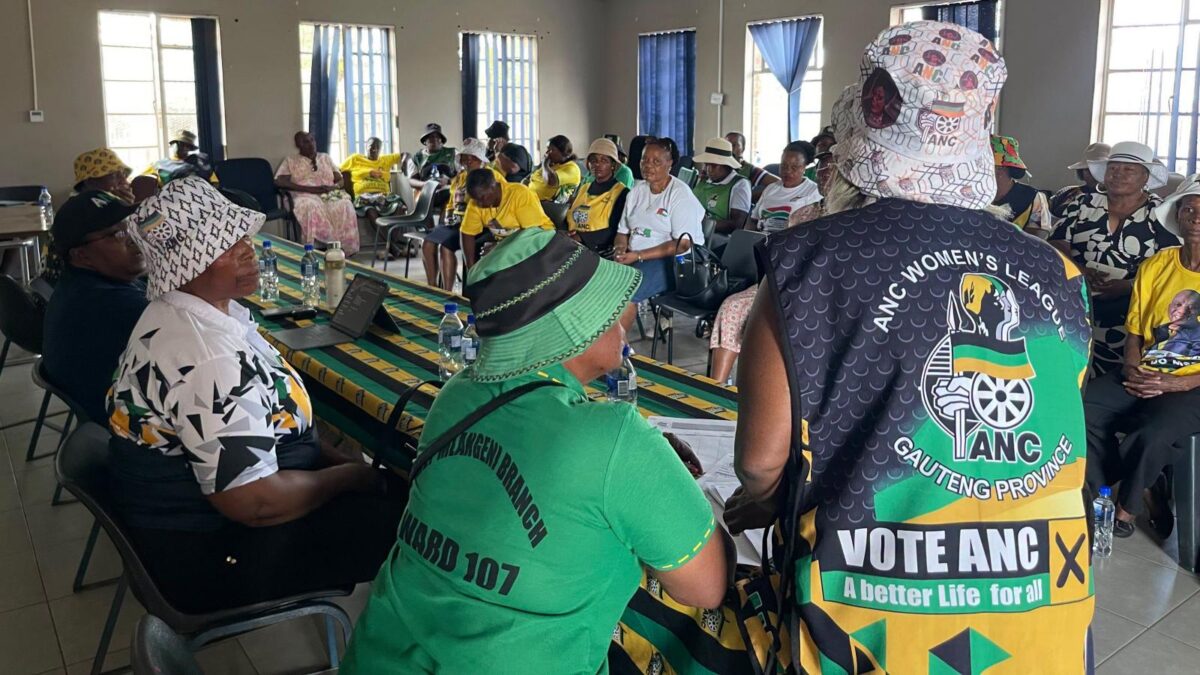
The latest polling data ahead of the local government elections on 4 November 2026 shows that the ANC has lost ground to the DA, MK, and other parties.
This, many experts said, is a result of poor service delivery, unstable local government coalitions, and rising costs associated with ANC-run local governments.
The Electoral Commission of South Africa (IEC) said that 136,790 candidates will contest 10,526 seats in the elections.
These seats are spread across 8 metropolitan municipalities, 44 district municipalities, and 205 local municipalities.
There was a big increase in registered candidates for the 2026 local government elections compared to five years ago.
In the corresponding election in 2021, with a similar number of available seats, there were 95,427 certified candidates, compared to 136,790 in 2026.
The biggest battlegrounds in this election are the metropolitan areas, notably Johannesburg, Tshwane, eThekwini, and Ekurhuleni.
This is also where there are the most political parties which will contest the elections next month.
75 parties will battle it out in Johannesburg, 70 in Tshwane, 69 in eThekwini, 67 in Ekurhuleni, and 55 in Cape Town.
The biggest story of the 2026 elections is the erosion of support for the African National Congress (ANC).
Most South Africans are tired of the corruption, incompetence, and mismanagement associated with the ANC and are looking to other parties as alternatives.
The biggest beneficiary in the large cities is the DA, which has shown growth in Johannesburg and Tshwane.
Another thing analysts are watching closely is the rise of Jacob Zuma’s MK Party, which has maintained the momentum it gained in the 2024 general elections.
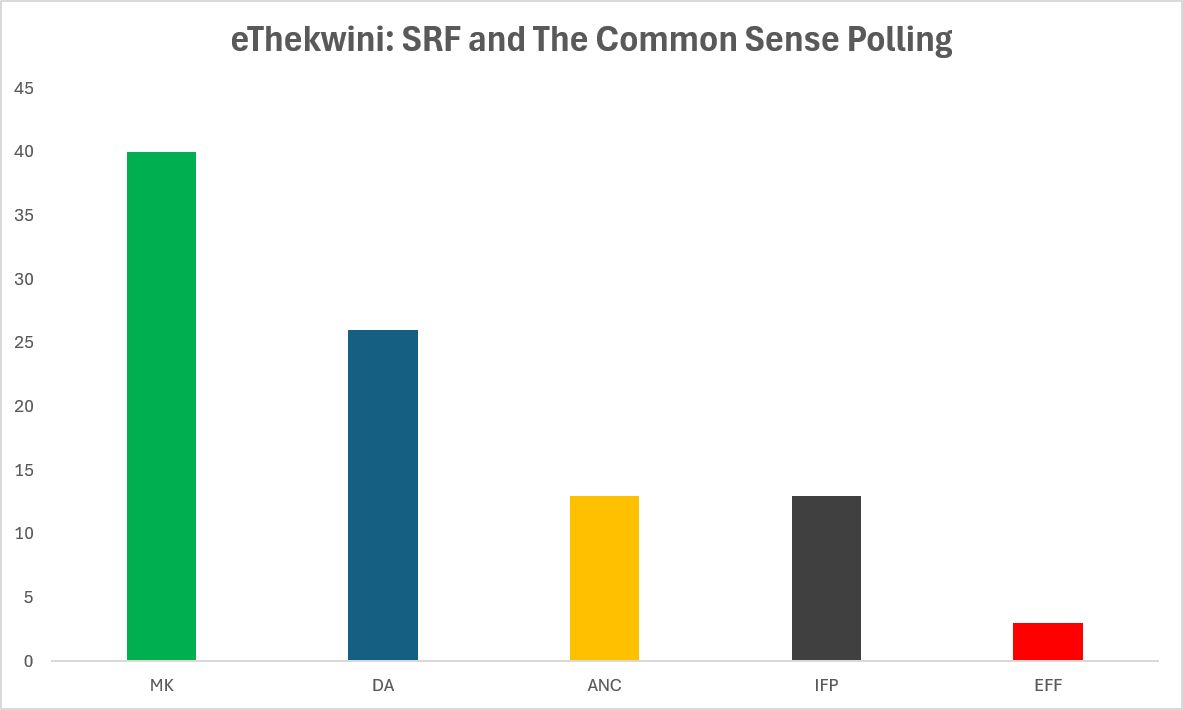
MK Party has a strong lead in eThekwini, also known as Durban, and it is set to win many municipalities across KwaZulu-Natal.
Here is a look at the biggest battlegrounds and what people can expect in the local government elections on 4 November 2026.
The polling data comes from The Common Sense and eNCA.
Johannesburg
Africa’s richest city has churned through seven mayors since the 2021 local elections as successive coalition governments have unravelled.
The pro-business Democratic Alliance (DA) gained an early advantage by naming former Cape Town mayor and Western Cape premier Helen Zille as its mayoral candidate.
The 75-year-old political veteran has run an energetic campaign focused on deteriorating infrastructure and poor service delivery.
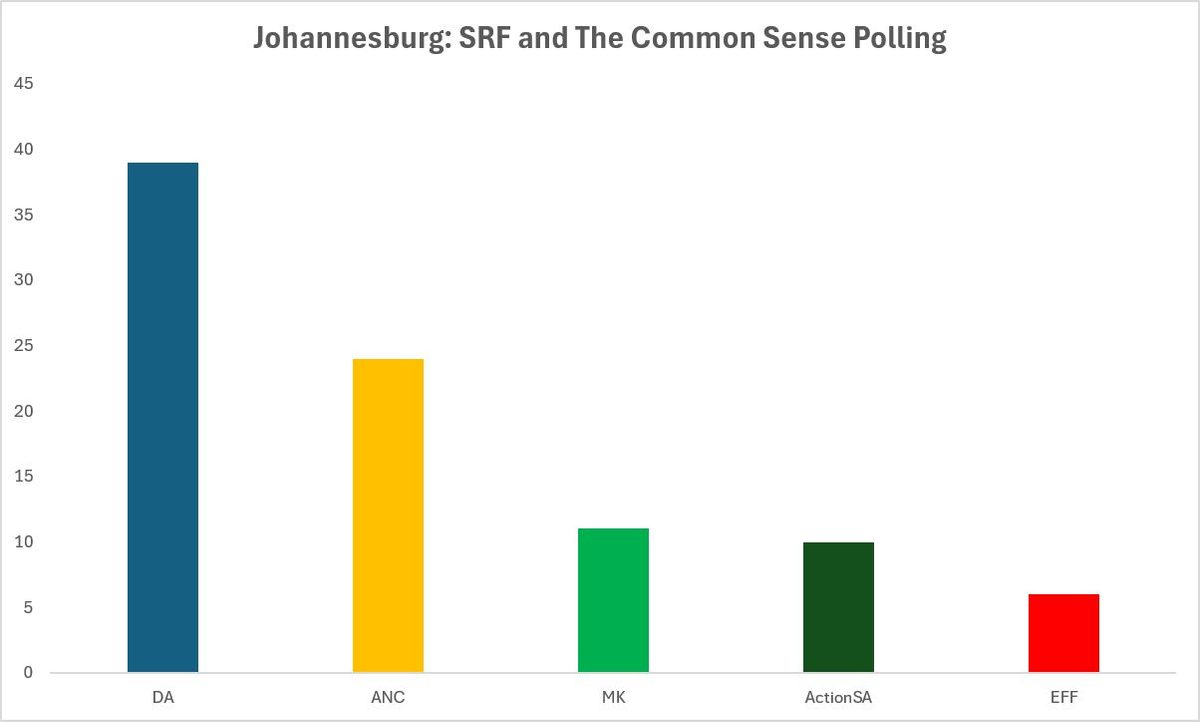
Recent polls put the DA above 30% and the ANC above 20%, raising the possibility of a coalition between the two parties.
Both parties could first seek deals with smaller parties rather than share power.
Tshwane
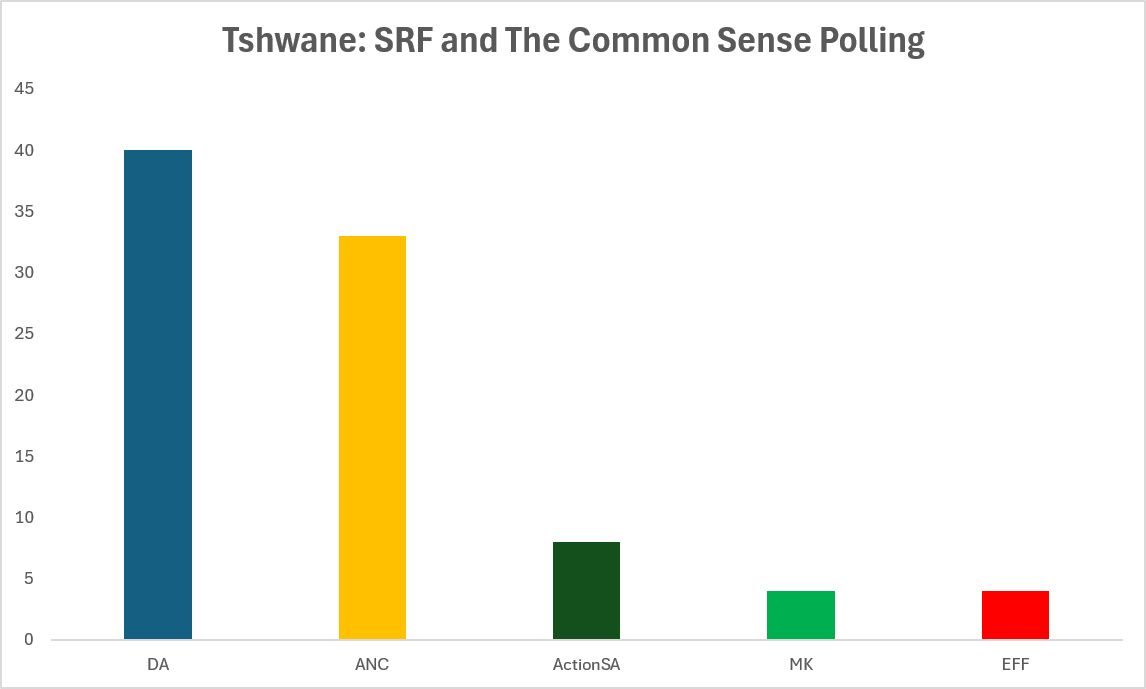
Tshwane, home to the administrative capital Pretoria, underscores the importance of smaller parties in South Africa’s fragmented municipal politics.
The ANC governed the metro until 2016, when the DA captured it in a major urban defeat for the ruling party.
Coalition politics proved volatile, and the DA lost power in 2024 after its coalition partner, ActionSA, backed an ANC-led no-confidence motion against its mayor.
Tshwane has since been governed by a multi-party coalition led by ActionSA.
The party, founded in 2020 by former Johannesburg mayor Herman Mashaba, is a centre-right party that campaigns on anti-corruption and a hard line on immigration.
Cape Town
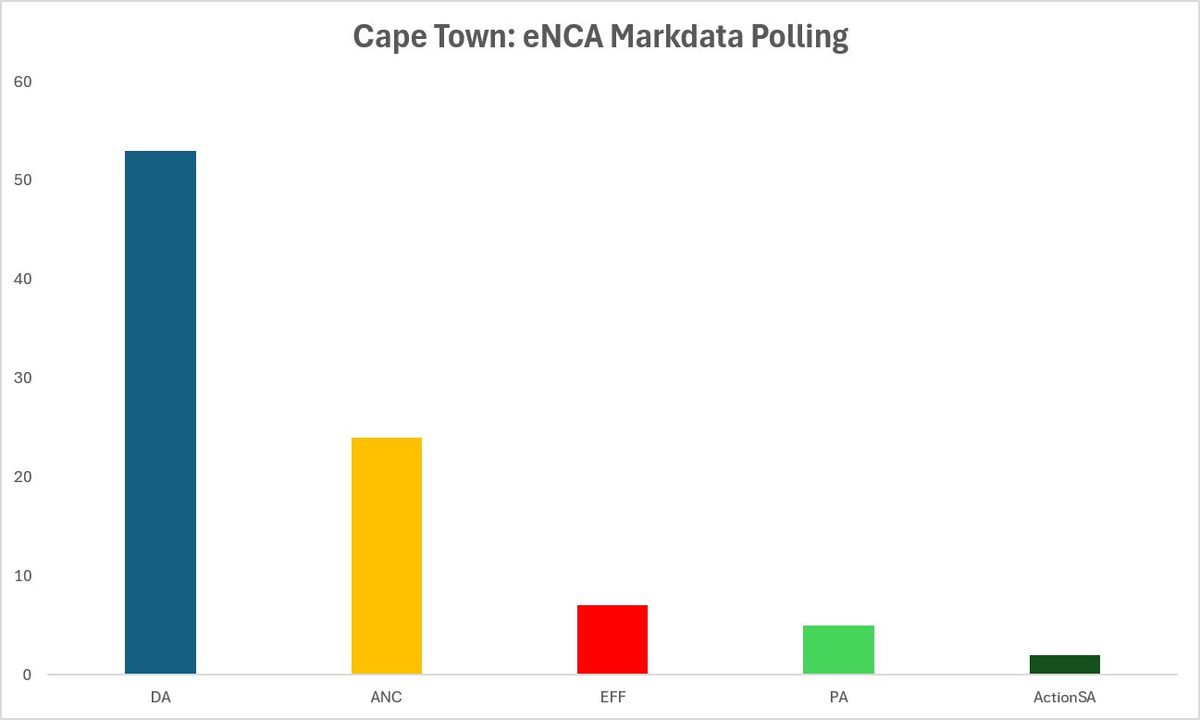
The DA is heavily favoured to retain Cape Town, which it has governed since 2006 and where it has held an outright majority since 2011.
Polls suggest the party should remain above 50%, though some analysts expect a tighter contest as voters grapple with soaring property prices and persistent gang violence.
The DA is also targeting Nelson Mandela Bay, one of South Africa’s most turbulent coalition metros and currently governed by an ANC-led coalition.
Ethekwini
The economic hub of KwaZulu-Natal province, which includes the port city of Durban, could deliver one of the election’s biggest blows to the ANC, with former president Jacob Zuma’s uMkhonto weSizwe Party (MKP) threatening to displace it.
Zuma backed MKP after his bitter split with the ANC in 2023. Polls suggest the party could win 40% to 50% of the vote, while ANC support could fall into the low teens. MKP’s rise helped drive the ANC’s losses in the 2024 national election.
Ekurhuleni
Ekurhuleni, home to Johannesburg’s OR Tambo International Airport, could provide another measure of the ANC’s decline in Gauteng Province, where voters have cited concerns over corruption and crime.
Polls suggest ANC support could fall from 38% in 2021 to about 25%, leaving it neck-and-neck with the DA.









 Loading ...
Game over anc! Bye bye