
South Africa’s oldest university collapsing in front of everyone’s eyes


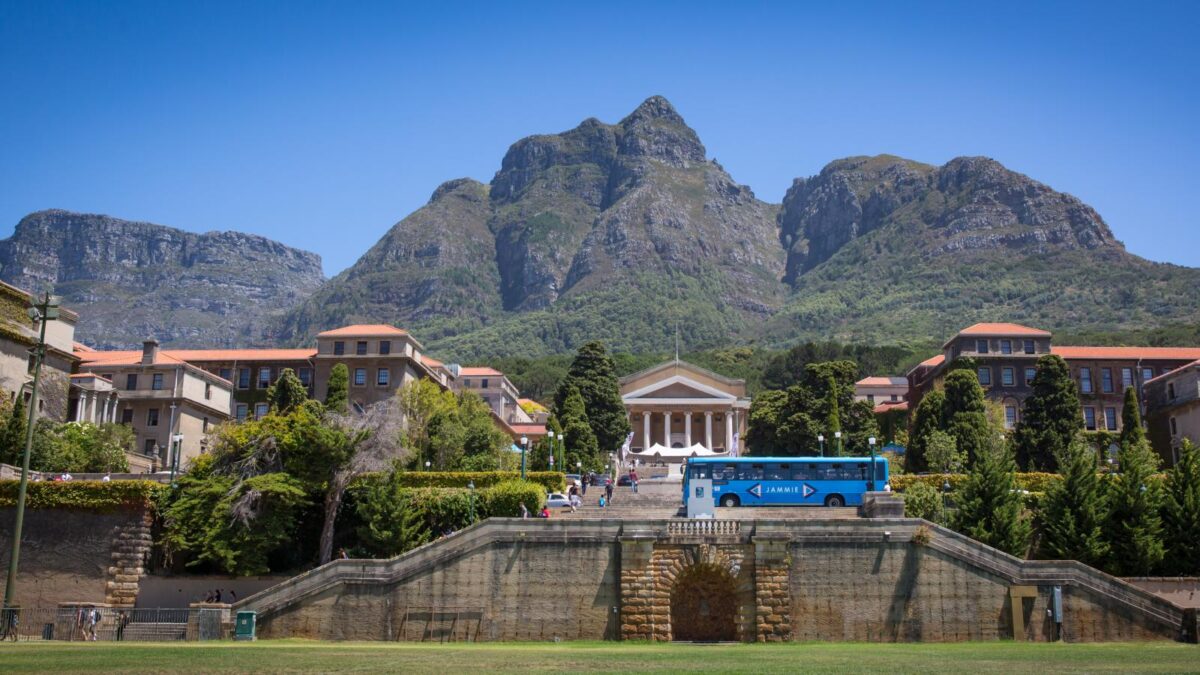
University of Cape Town (UCT) Council member Mark Oppenheimer has raised concerns over the deterioration of the institution.
Oppenheimer graduated from UCT in 2007 and has been a practising advocate and member of the Johannesburg Bar for 15 years.
He is one of South Africa’s most respected legal experts and public intellectuals and has appeared in the Supreme Court of Appeal and the Constitutional Court.
He is also the president of the South African Institute of Race Relations (SAIRR) and an executive director of the Free Speech Union of South Africa.
He made headlines recently amid calls for his removal from the University of Cape Town Council following statements he made about the university.
These included criticism of UCT’s restrictions on Israeli academics, antisemitic hate on campus, and student support for terrorist organisations.
He is also under fire for taking part in an event in the United States that memorialised murdered South African farmers.
Oppenheimer told The Common Sense podcast that numerous complaints laid against him were investigated by retired Judge Malcolm Wallis and dismissed.
This included an allegation that he had assaulted fellow Council member Prof. Glenda Gray, which was found to be groundless.
Oppenheimer argued that the effort to expel him was an attempt by ideological opponents to alter the composition of the UCT Council.
He added that it was also aimed at silencing dissenting voices who advocate for academic freedom and open inquiry.
“The UCT Council now has to make a decision about whether to kick me off. We shall see how it goes, but it is important that people know what’s going on,” he said.
“I will not be silenced. It’s incumbent upon me, as someone who cares about the university, to ensure that the academic project is restored.”
The University of Cape Town is deteriorating
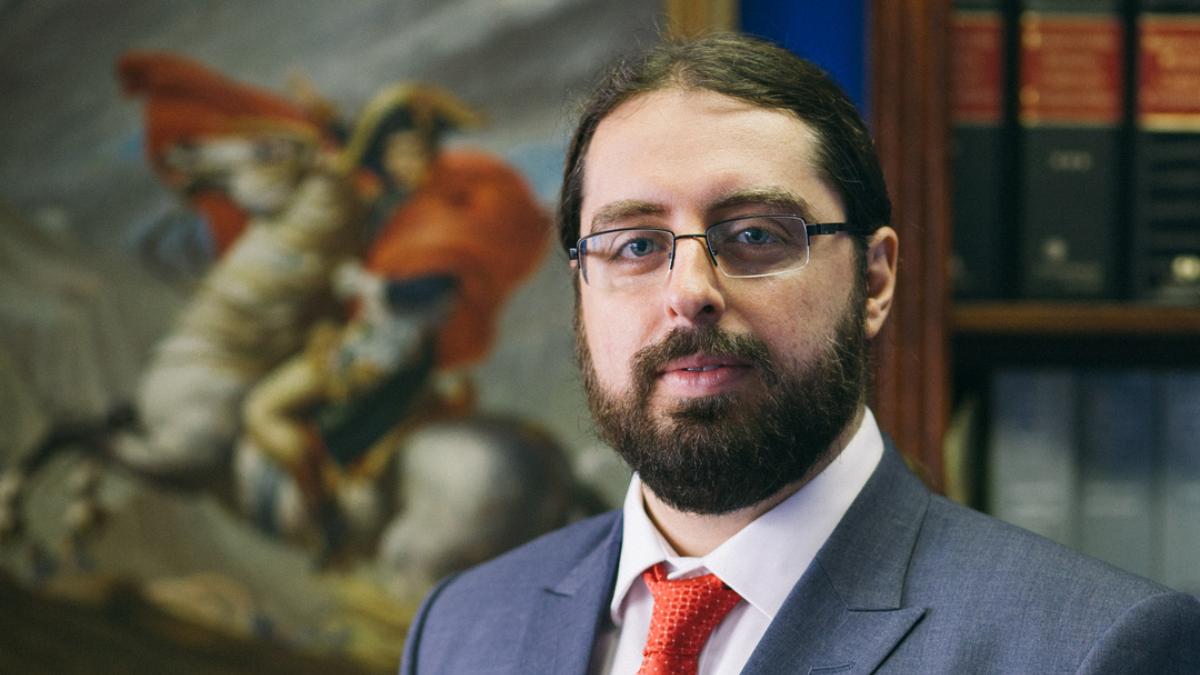
The University of Cape Town was founded in 1829 as the South African College, a high school for boys.
The College had a small tertiary education facility that grew substantially after 1880, when gold and diamonds were discovered in the north.
Thanks to increased funding from private and government sources, the college developed into a fully fledged university between 1880 and 1900.
The University of Cape Town became the first university in South Africa and developed into a globally renowned institution.
Many University of Cape Town researchers are recognised as world leaders in their respective fields and produce exceptional research.
Oppenheimer said that the decline started with the FeesMustFall and RhodesMustFall movements, which led to property destruction and intense harassment.
“You had a group of thugs destroying things, bullying people, and driving Professor Bongani Mayosi to his suicide through constant harassment,” he said.
He added that the University of Cape Town became known for protests and destruction rather than academic excellence.
“UCT has been leading the way with student protests. A top Oxford academic told me that the University of Cape Town exported the destruction of monuments,” he said.
“UCT imported stupid ideas like Critical Race Theory and exported mass protest and destruction of property that you now see on American campuses.”
Oppenheimer added that campus life at the University of Cape Town has become grimmer than at Stellenbosch University and WITS.
“Students and staff feel forced to keep their heads down, afraid to express classical liberal, conservative, or dissenting views for fear of being pilloried,” he said.
He also highlighted that UCT’s global academic rankings have tumbled, which should concern any university.
“I spend time talking to people on campus, and no one is happy. Academics are just in utter despair about the institution,” he said.
“They feel like this was once regarded as the greatest university on the continent, and it has just tumbled down the rankings.”
Deterioration of the University of Cape Town campus

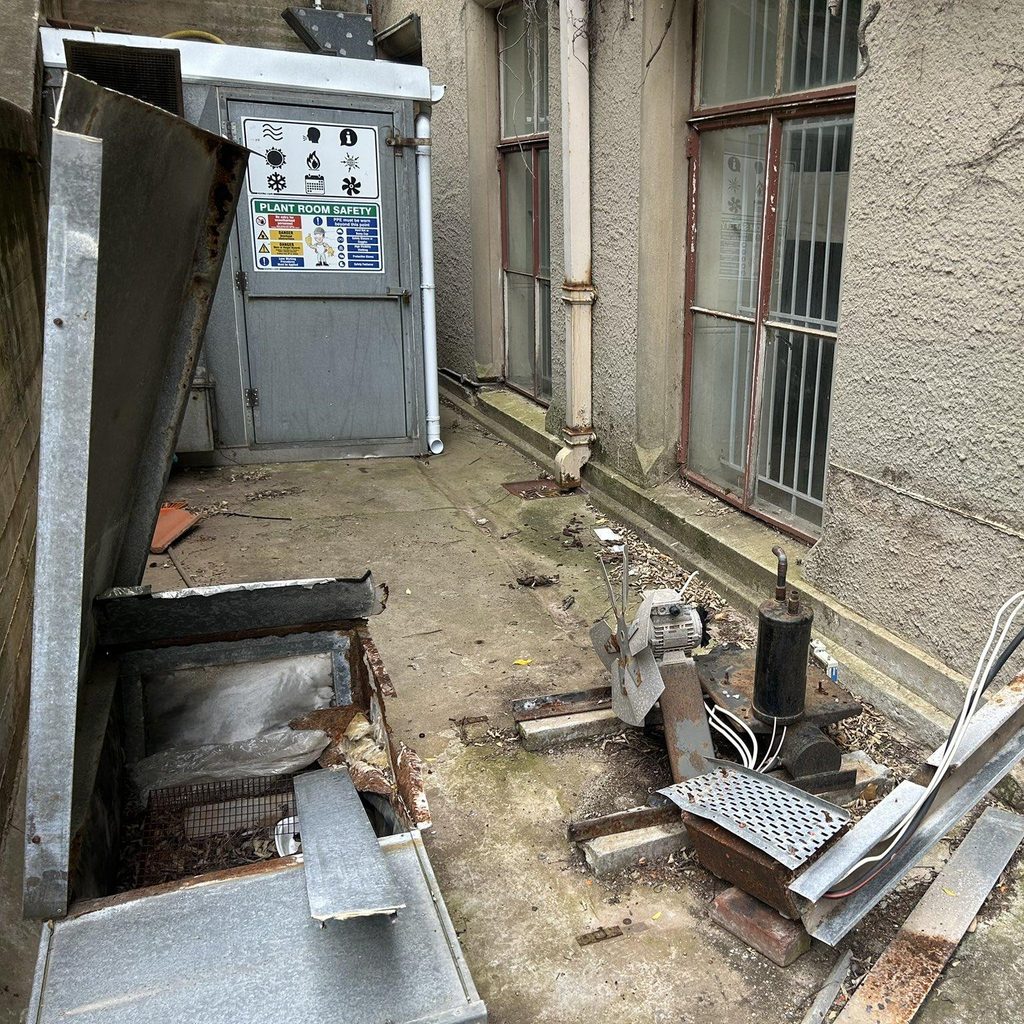
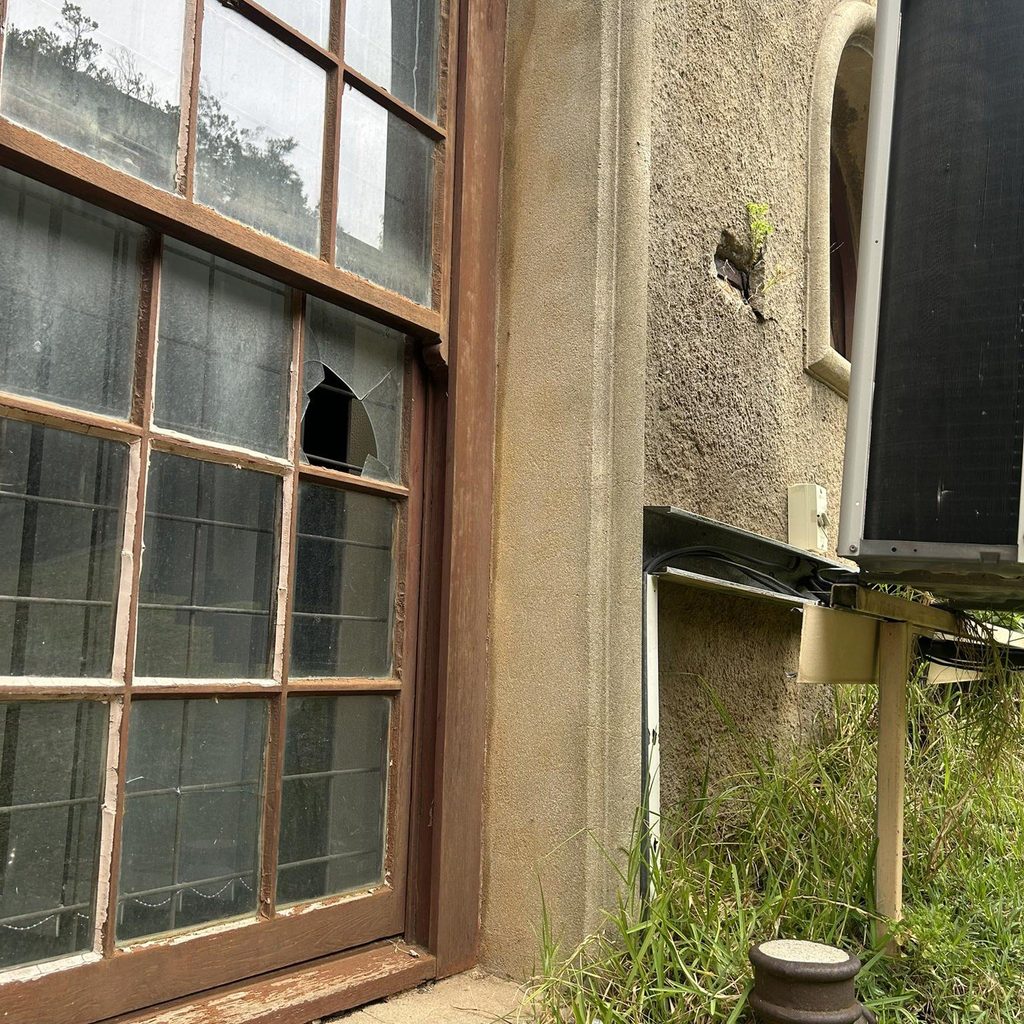
The deterioration extends beyond academic issues. South African attorney and educational specialist Richard Wilkinson said the campus is also run down.
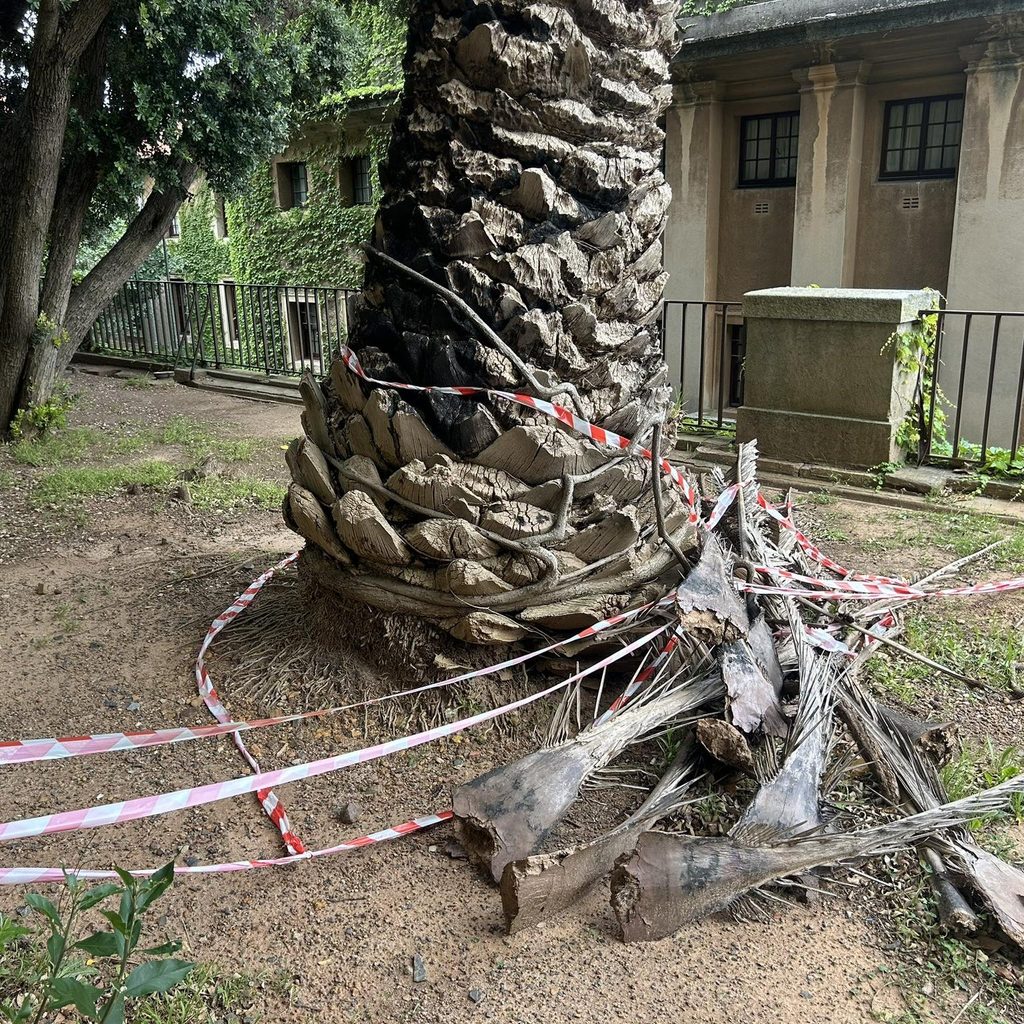
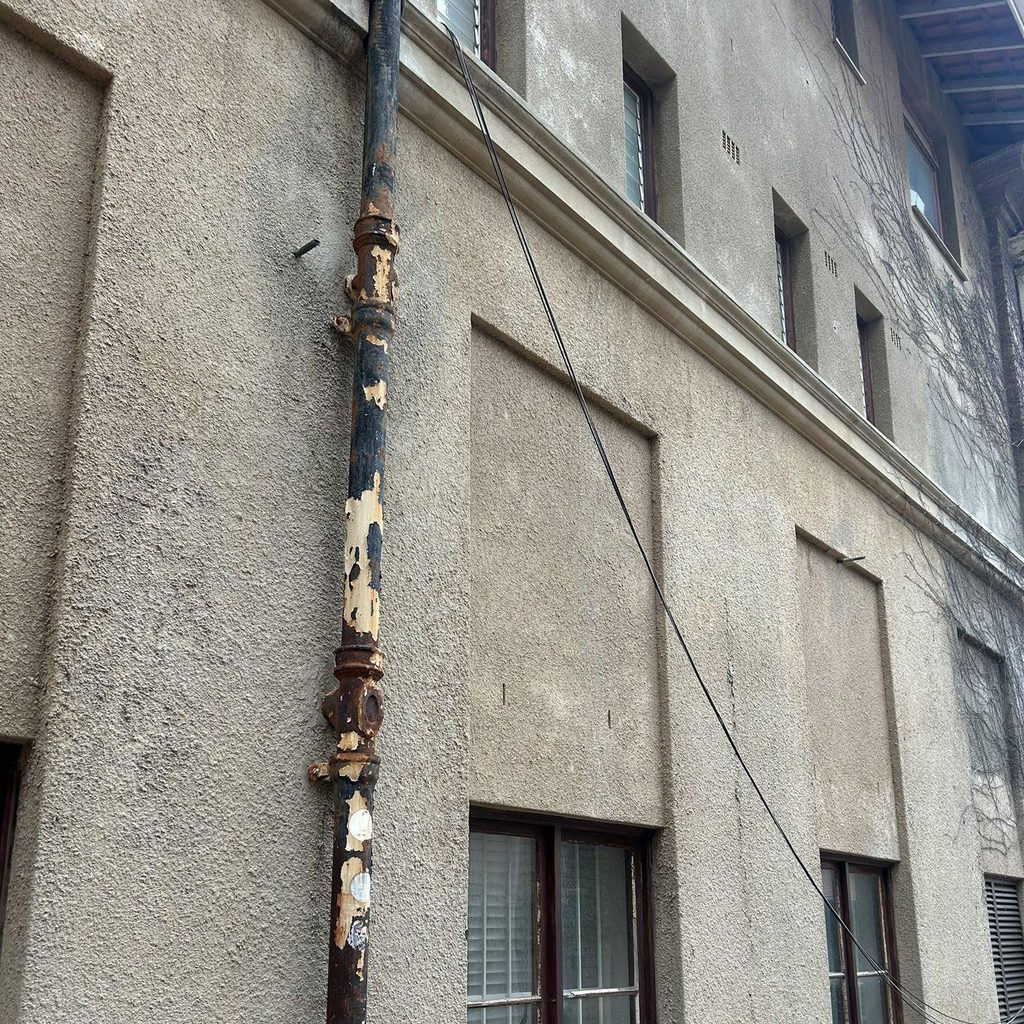
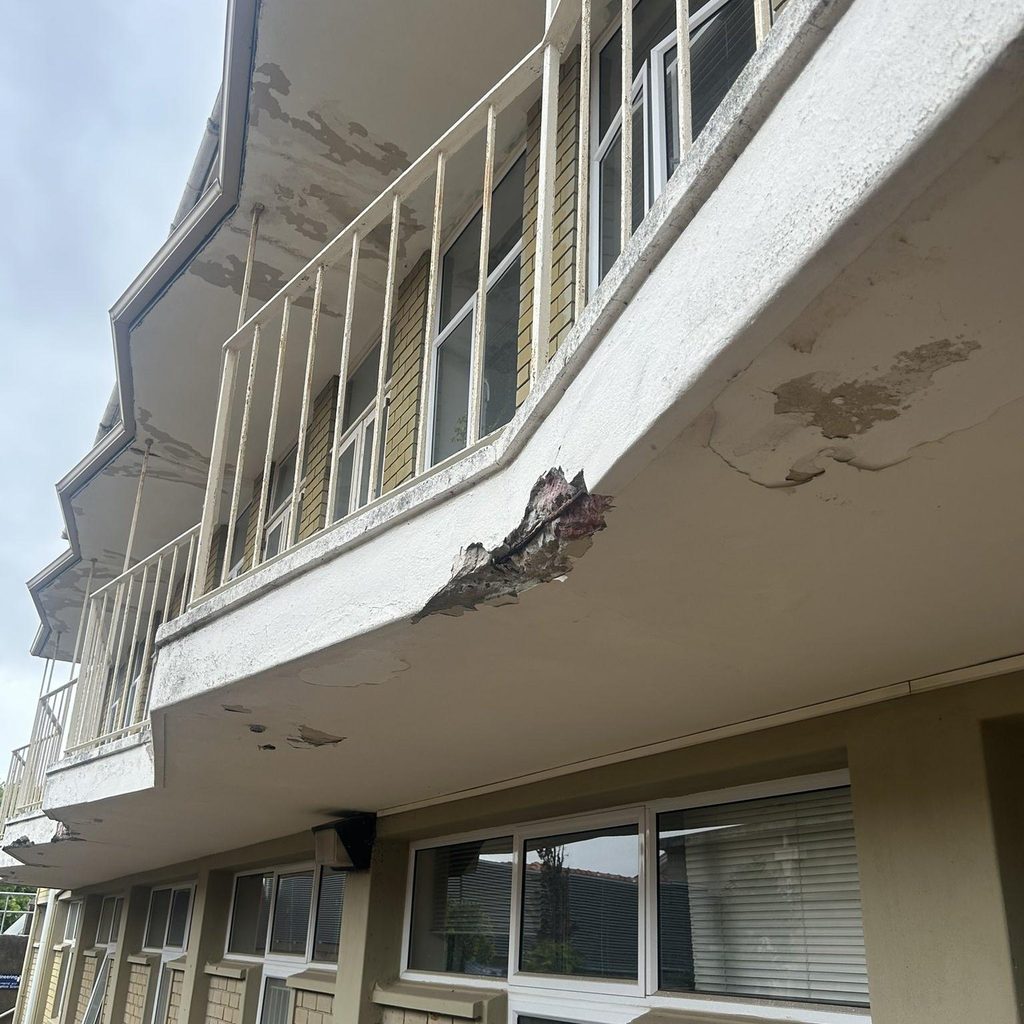
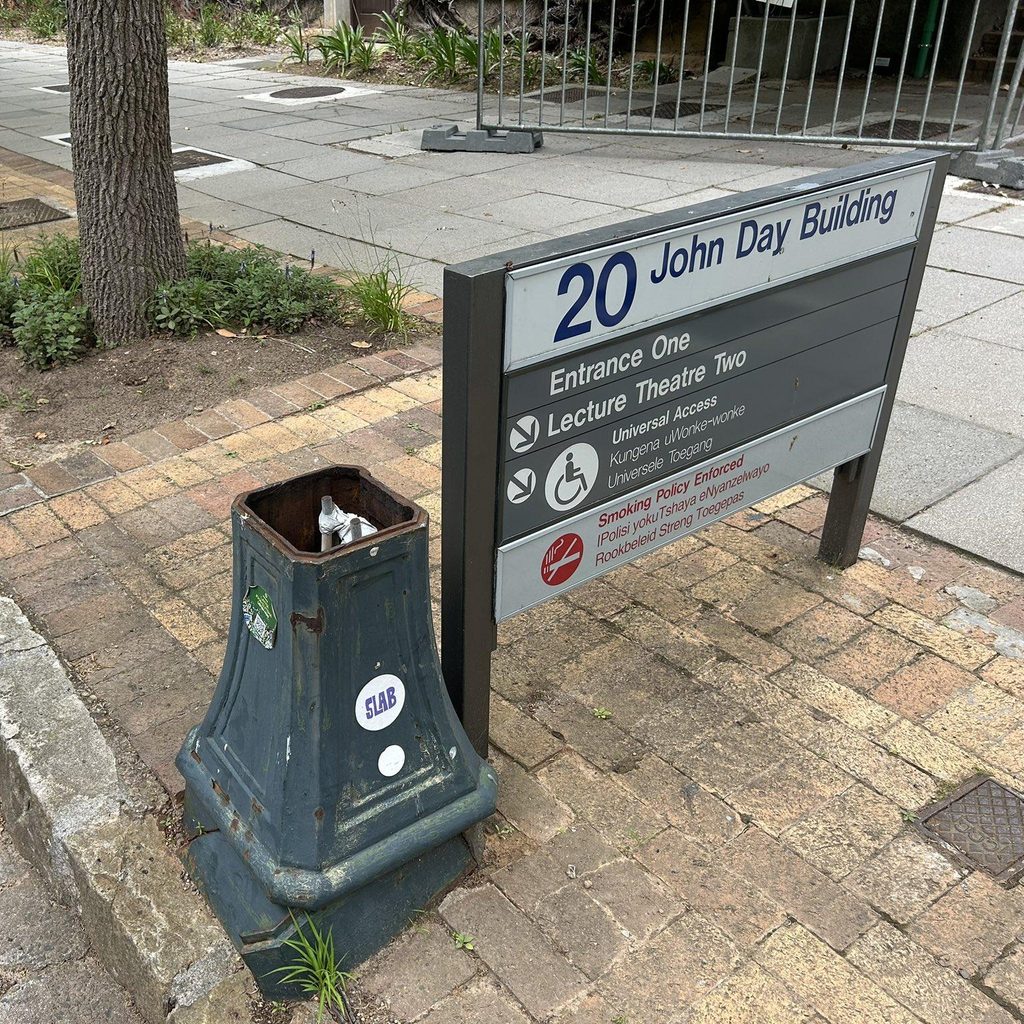
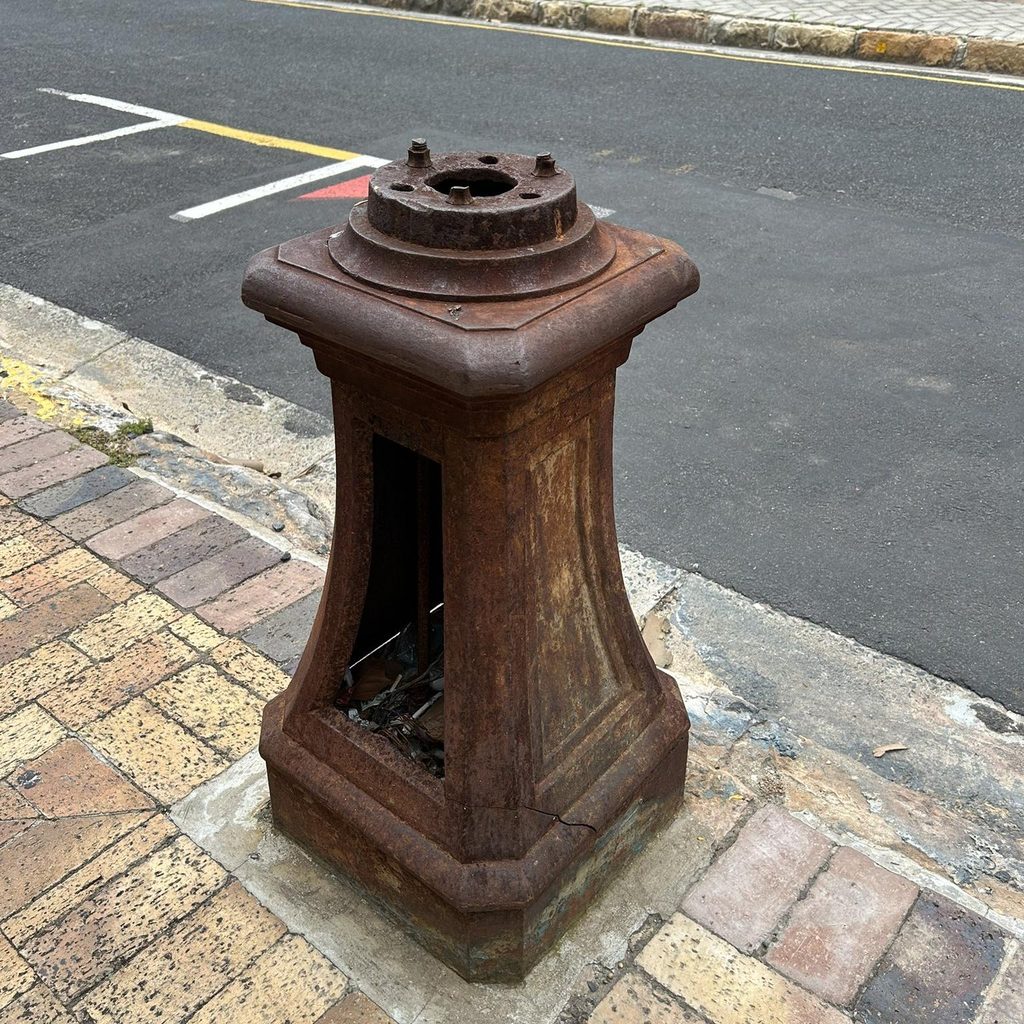
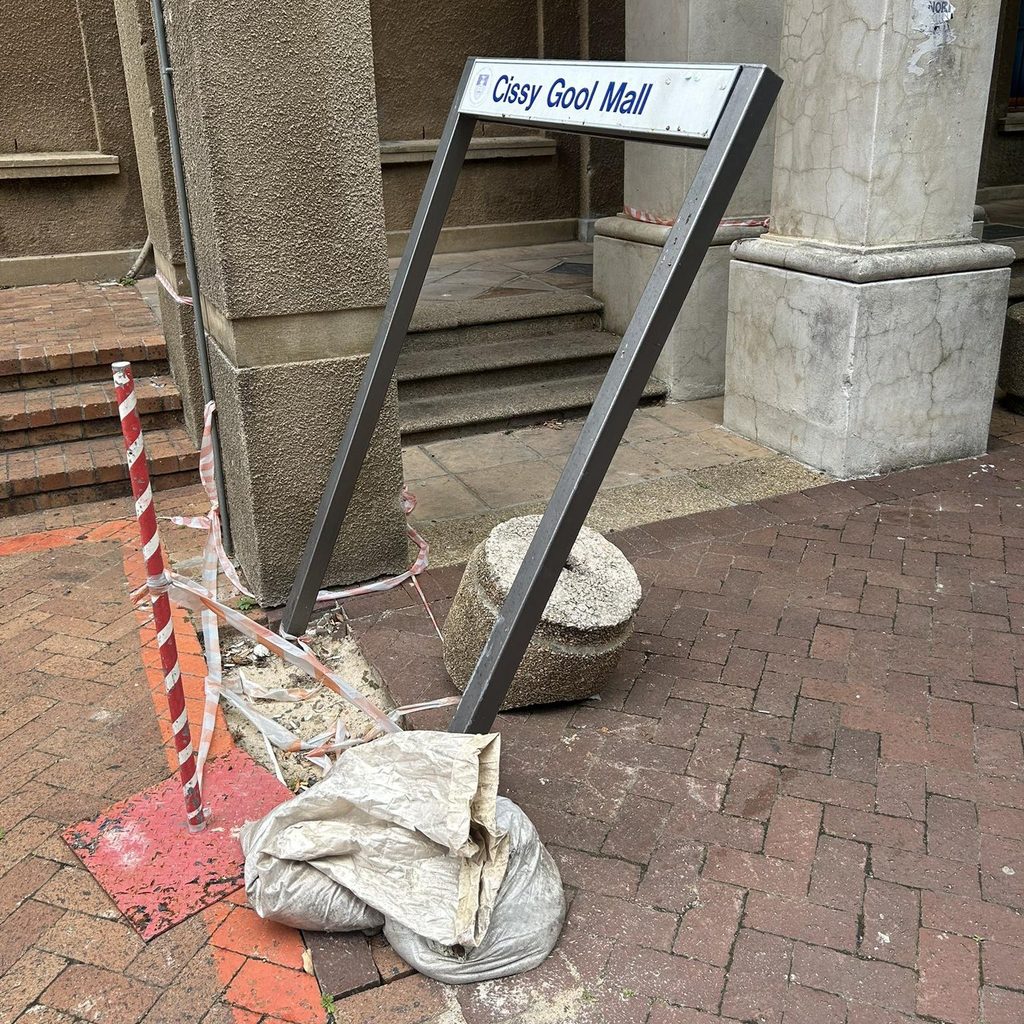
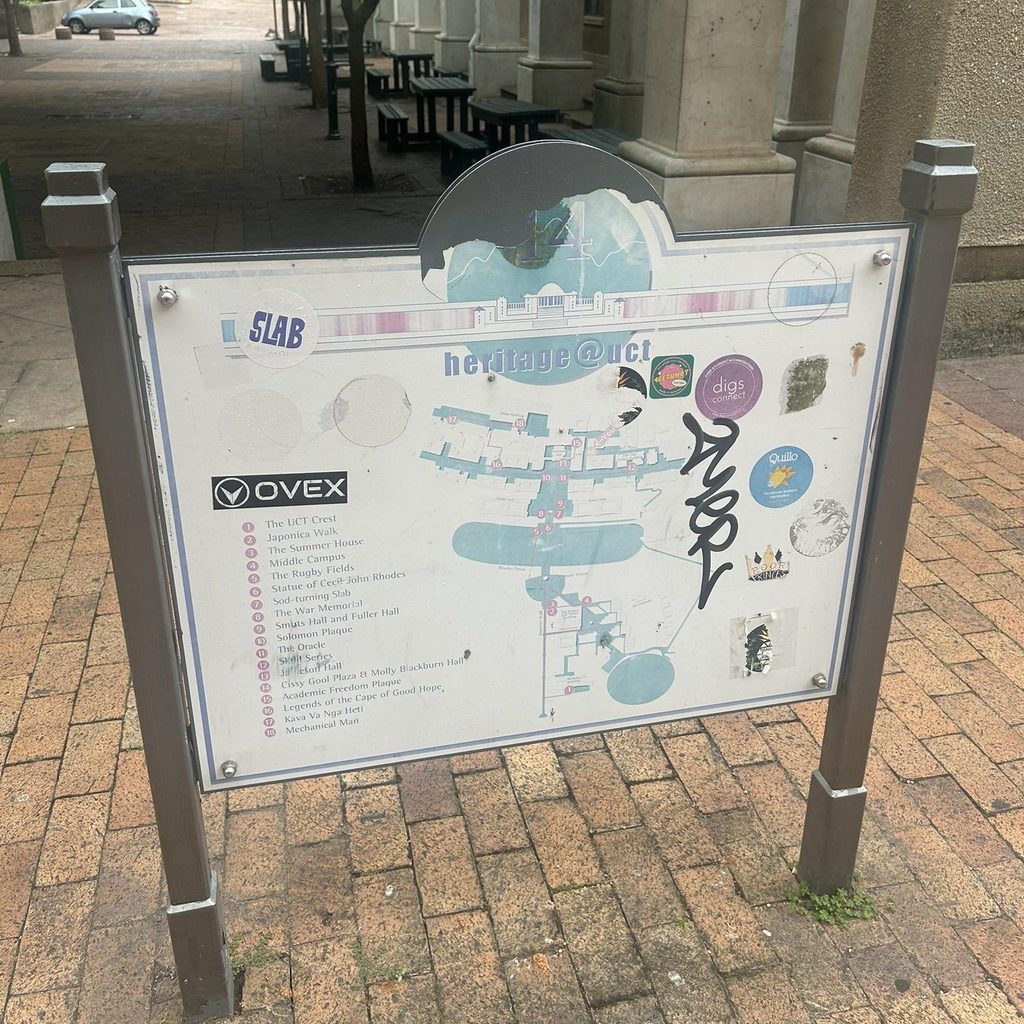
Wilkinson visited the University of Cape Town in December 2024 and shared photos of the deterioration he saw.
“I spent an hour walking around the University of Cape Town’s upper campus. I could see clear signs of neglect and decay everywhere,” he said.
He said he saw dirty steps, peeling paint on the walls, and an out-of-order elevator. There was also widespread mould and water damage.
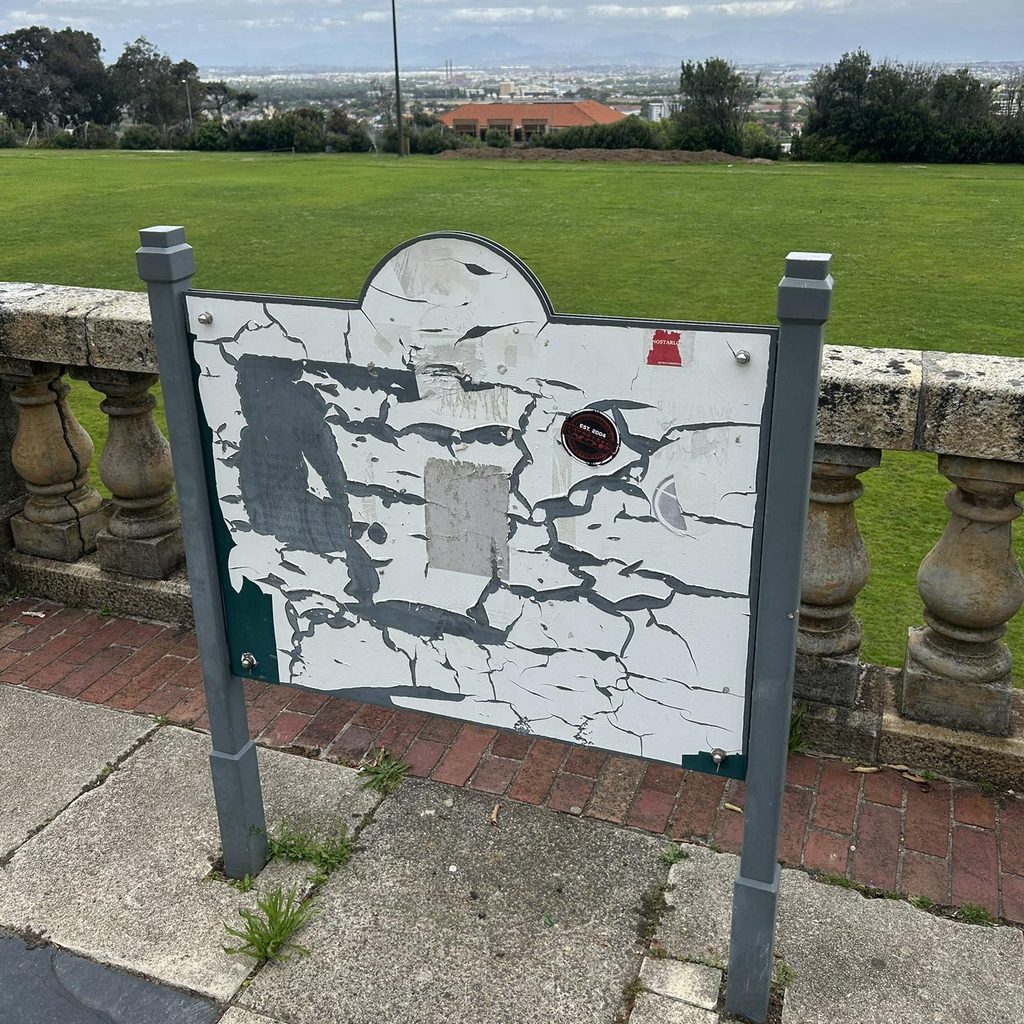
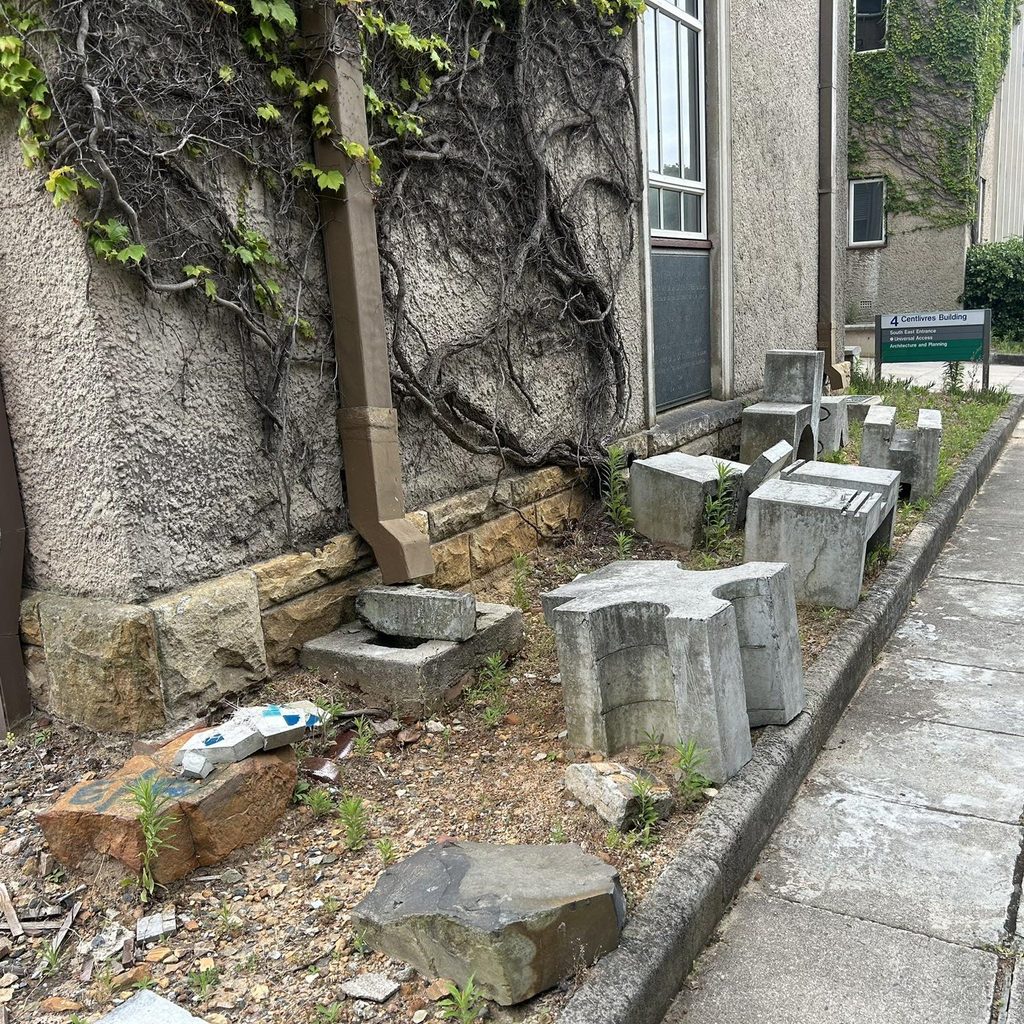
He shared pictures of broken tutorial boxes, a door which had lost its vent cover, and wall signs that had been ripped off and never replaced.
There were also broken ceilings, dirty walls, random mops lying around, and a door missing its brass fittings.
One thing that struck Wilkinson was the state of the signage on the upper campus. “Many signs are in a truly terrible state. They were faded, broken, and peeling,” he said.
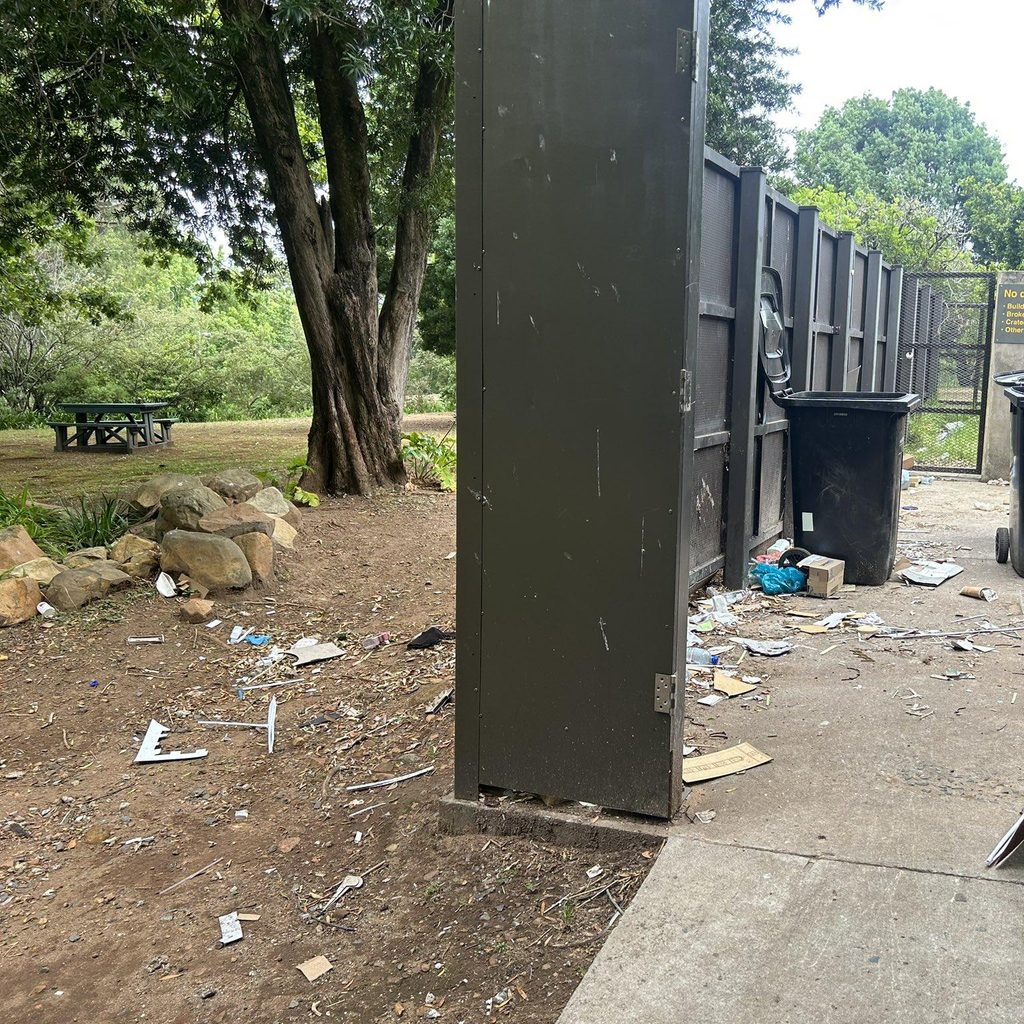
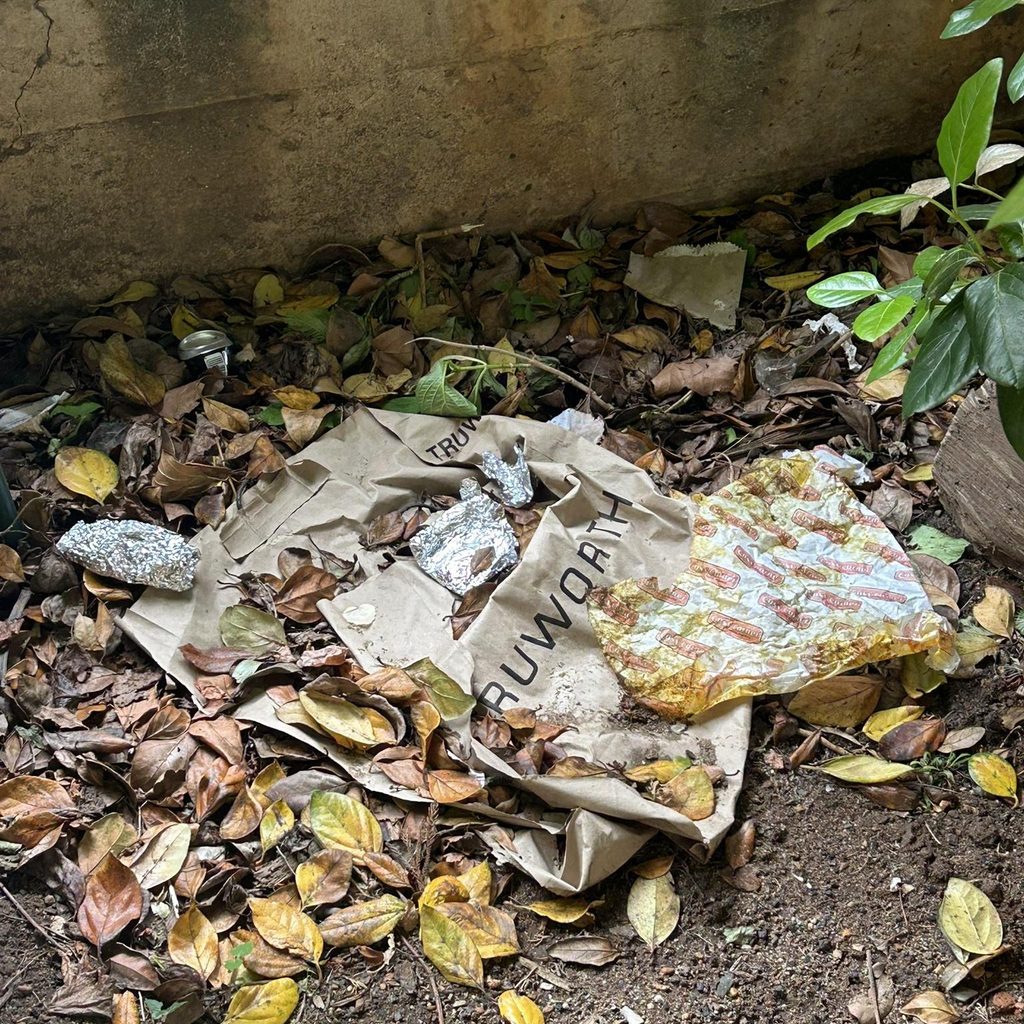
“This shouldn’t take long to fix or cost a lot of money. There was also a noticeable amount of litter on the campus. It just seems that no one cares.”
Wilkinson blamed misguided ideologies, commonplace at many South African universities, for the decay.
The University of Cape Town responded, saying it is a large institution featuring several precincts spread across five campuses in different locations.
“As such, the pictures shared on social media do not reflect the general state of the university campuses.” It said maintaining a clean and safe environment is a top priority.
“As with most institutions, UCT conducts a planned and ongoing maintenance programme, utilising the vacation period to undertake core aspects of this work,” it said.
“The maintenance and litter collection matters previously alluded to have already been resolved.”
University of Cape Town upper campus decay photos from Richard Wilkinson in December 2024














 Loading ...
It is just called “Transformation”
.