
The small Western Cape town known for its craft beer, Evita se Perron, and wool


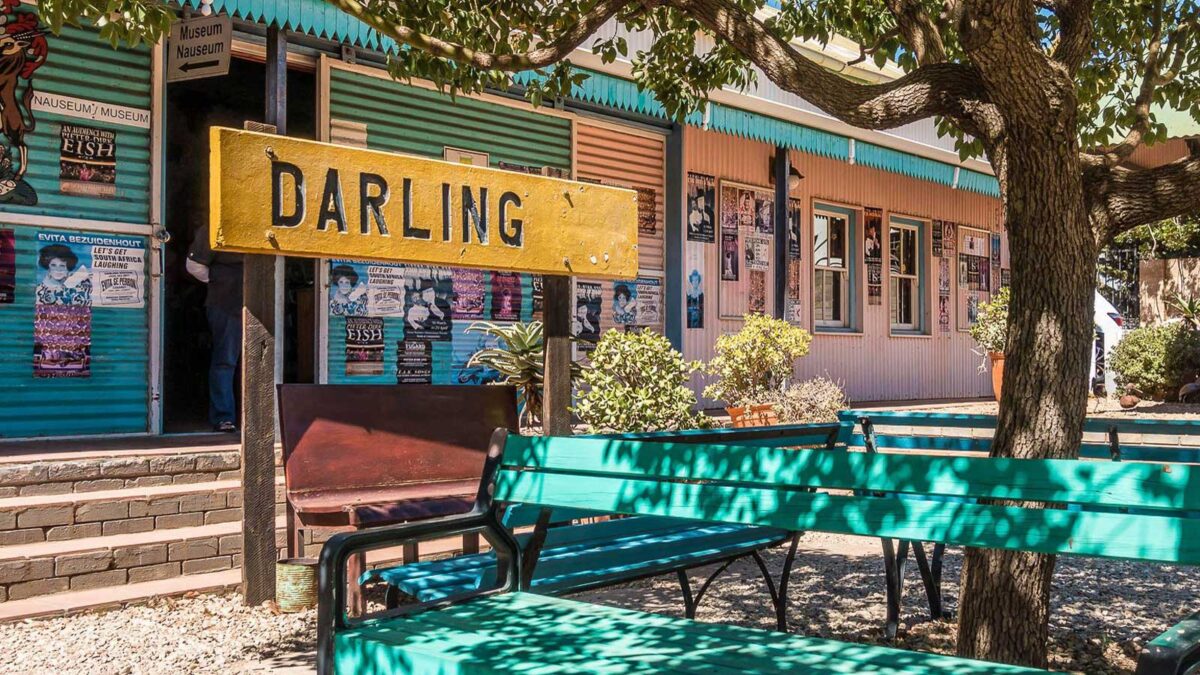
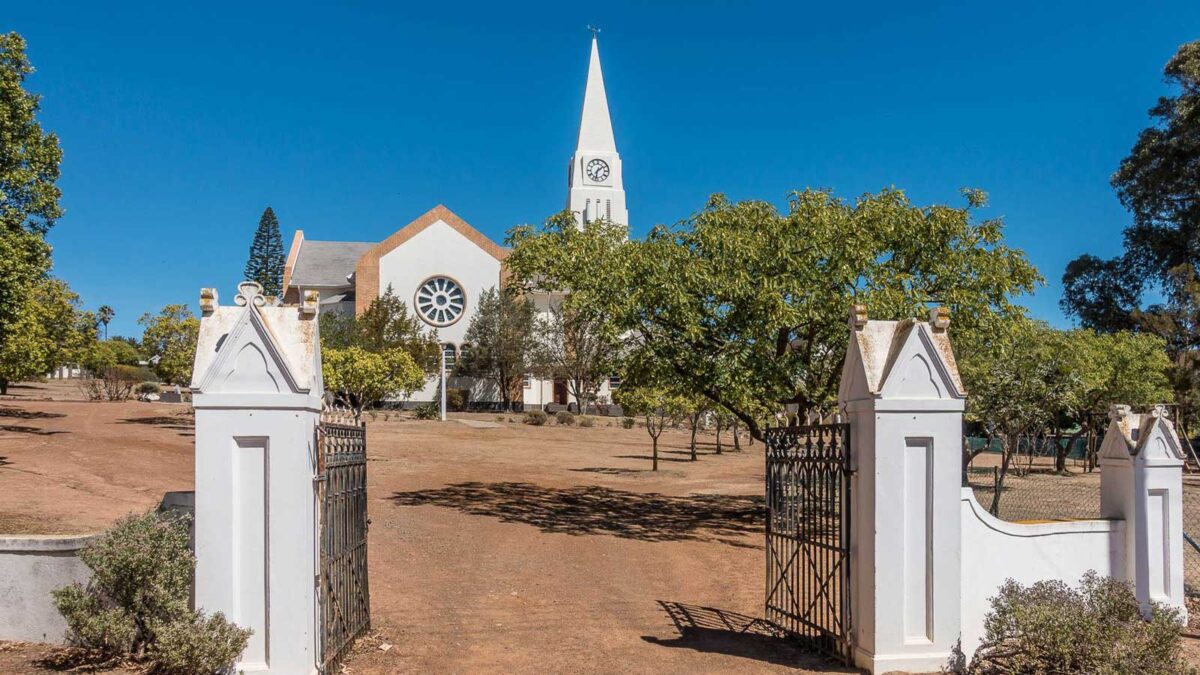
Darling, a small town on the West Coast of South Africa, played a crucial role in establishing South Africa’s wool industry.
Darling was founded in 1853 in the Groenkloof area on the Langfontein farm. It was named after Sir Charles Henry Darling, who had arrived in 1851 as the Lieutenant Governor of the Cape Colony.
The town rapidly gained a reputation for producing high-yield grains, sweet peas, potatoes, and exceptional dairy. By 1899, two Swedish settlers, Nils Georg Moller and G. Threnstrom, established the legendary Darling Creamery.
Darling butter would go on to become a household name across South Africa and eventually lead to the creation of the Darling Museum dedicated to immortalising the history of butter-making in the town.
During World War 2, Darling played a crucial and highly classified role in defending the Allied sea route around the Cape. Core to this plan was the South African Air Force airfield just outside the town.
From 1943, this airfield served as the base of operations for numerous gruelling maritime patrol missions over the Atlantic, patrolling precious convoy lanes and hunting German submarines.
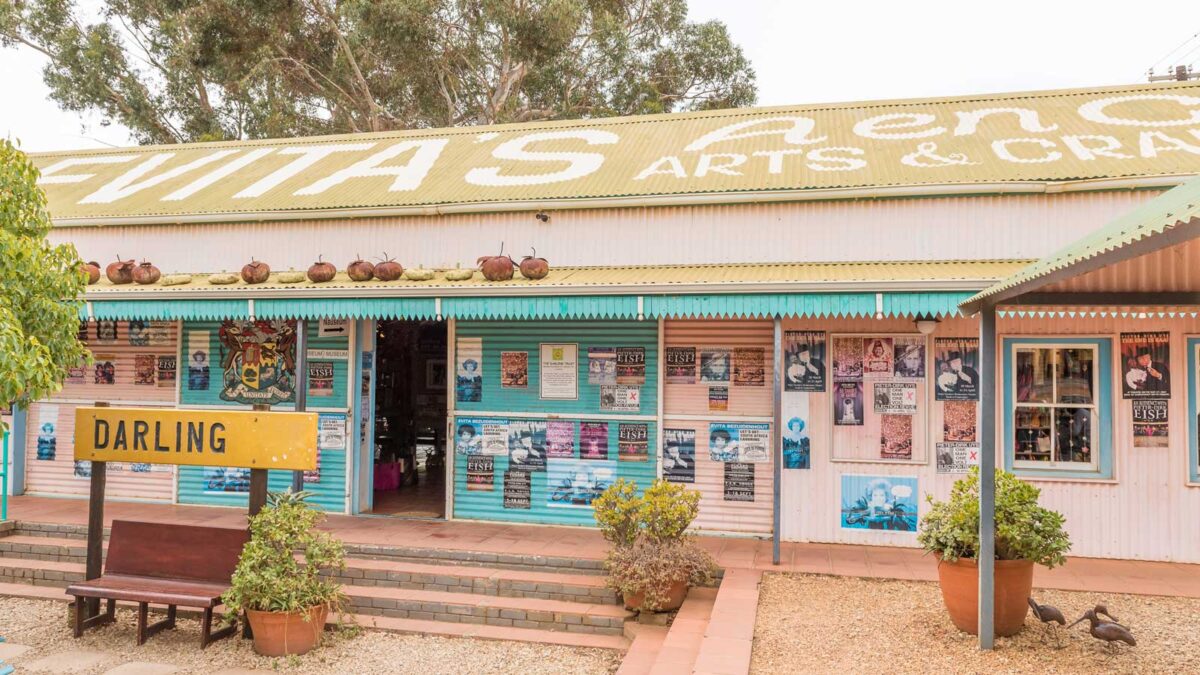
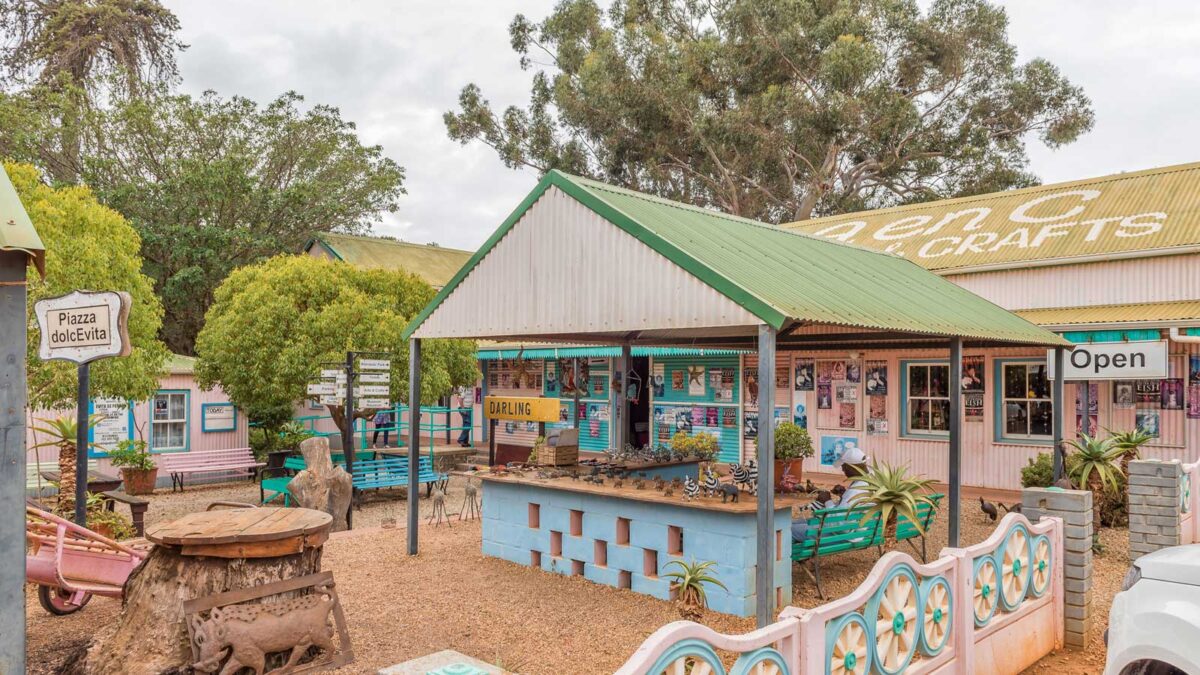
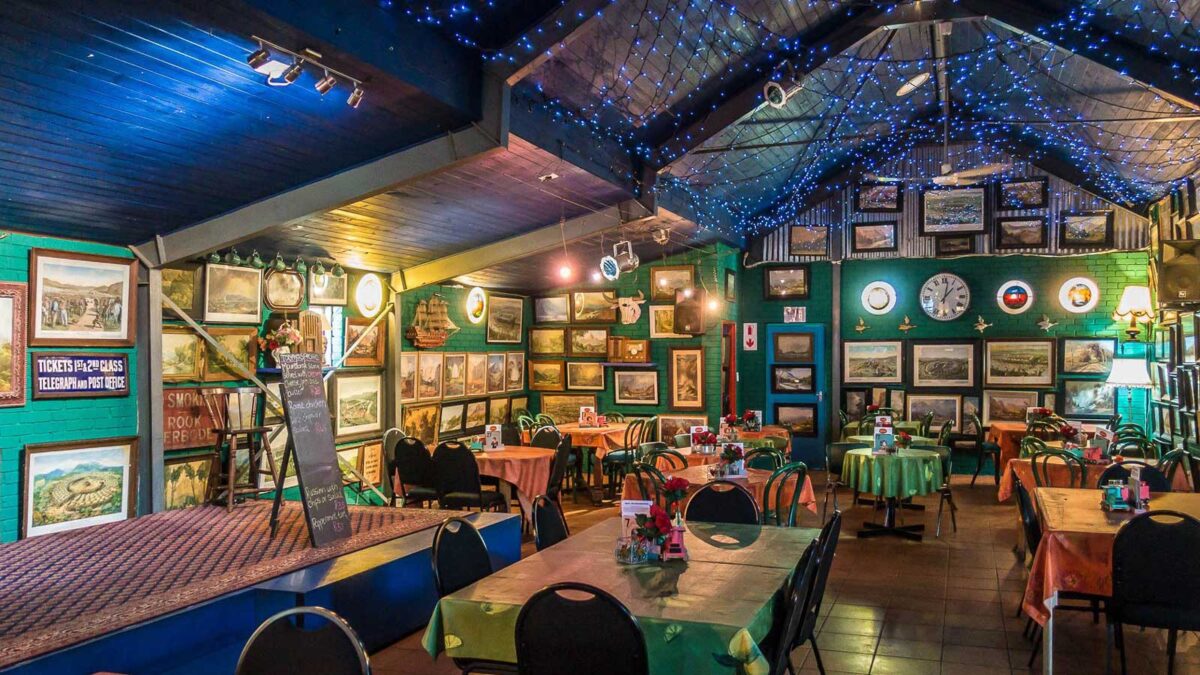
Besides its contributions to the local butter industry and the war effort, Darling is also home to Evita se Perron, a quirky theatre-restaurant and museum created by the legendary South African satirist and anti-apartheid activist Pieter-Dirk Uys.
Uys created the theatre-restaurant by converting the town’s run-down railway station into a cabaret venue named after his famous drag alter-ego, Tannie Evita Bezuidenhout.
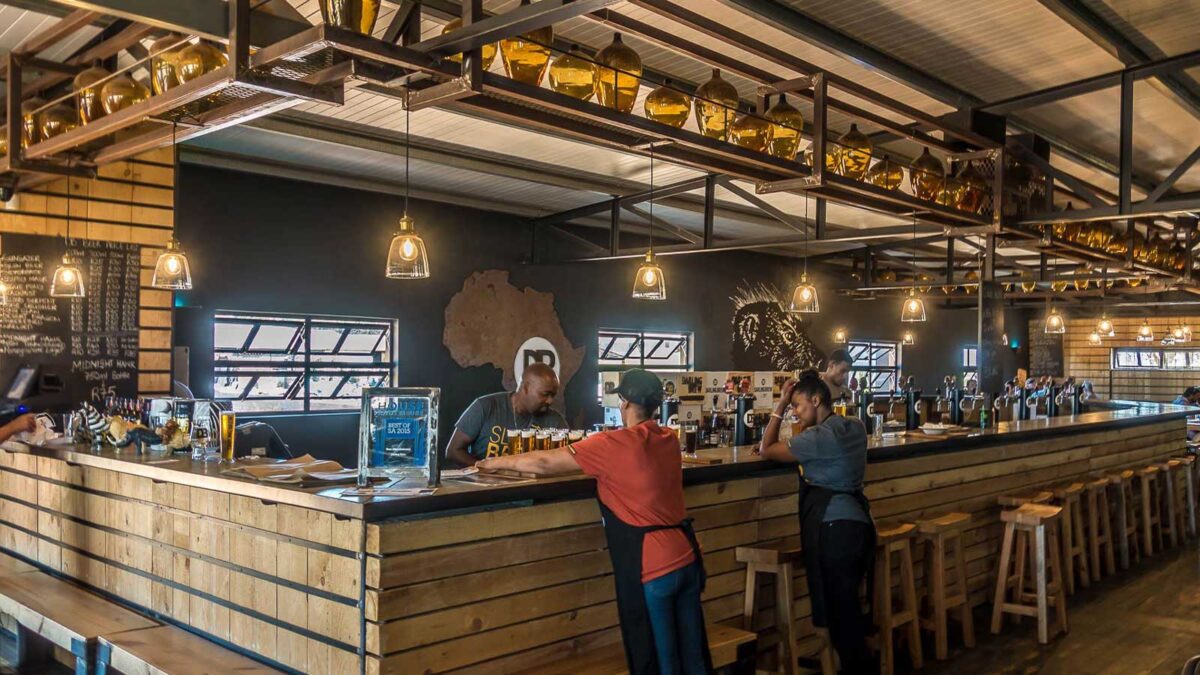
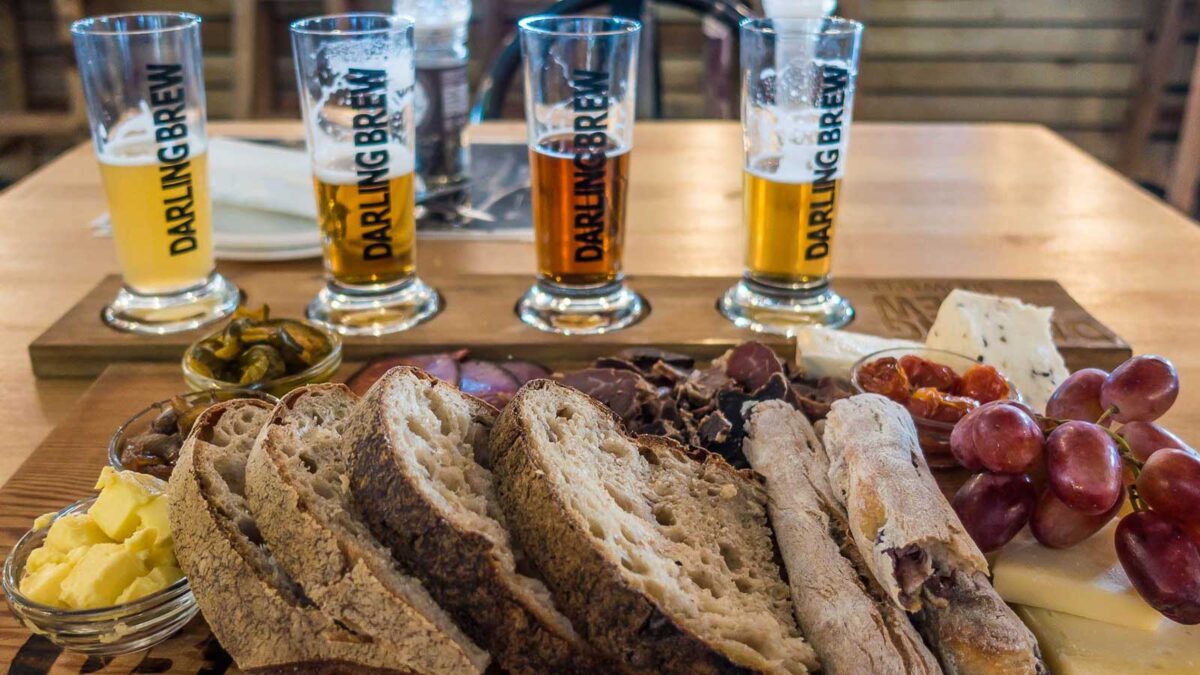
Along with the Evita se Perron, Darling is home to Darling Brew, one of South Africa’s most successful craft breweries and Africa’s first certified carbon-neutral brewery.
A gift from the King of Spain
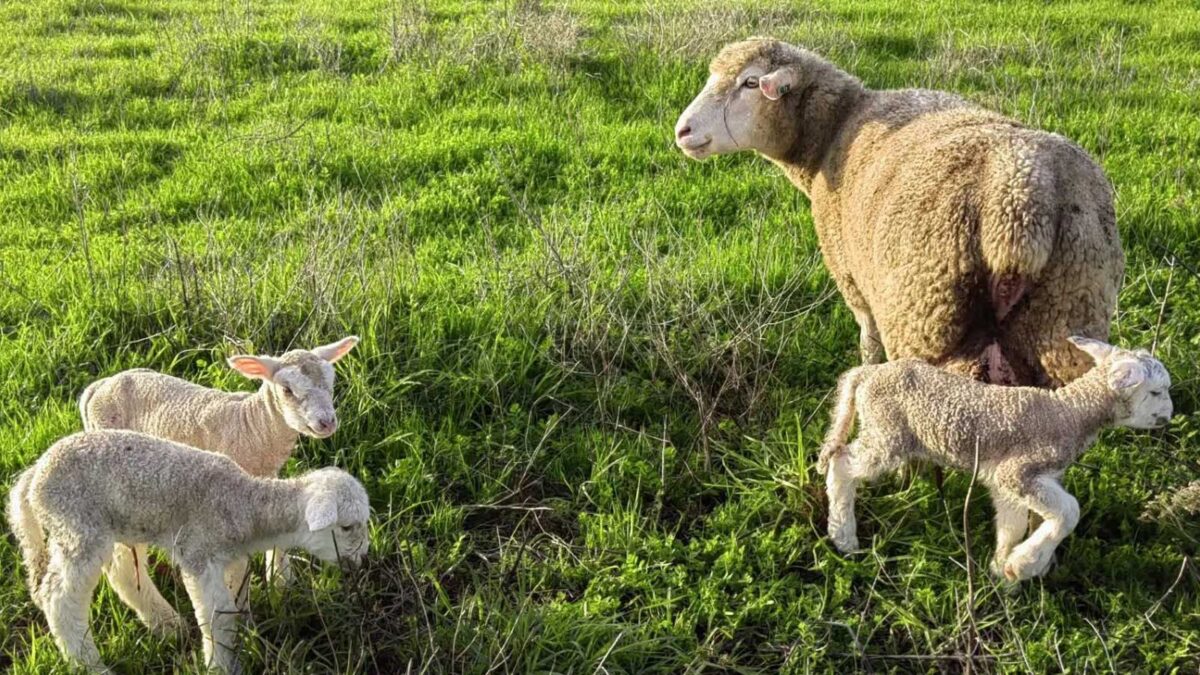
South Africa is the second-largest producer of fine Merino wool in the world. Locally, more than 90% of all wool clips exported come from the Merino market, accounting for the bulk of the country’s annual export value.
This is notable as South Africa’s annual export value for wool hovers between R5.2 billion and R6.6 billion, with 40 to 45 million kilograms of greasy wool produced each year.
The Merino market in South Africa can trace its roots back to the small town of Darling in the Western Cape and a royal gift from the King of Spain.
In the 1700s, Spanish Merino sheep were highly sought after, and exporting the animals without the King of Spain’s direct permission was a capital offence.
The only way to legally acquire the sheep was through a personal gift by the King, and in 1789, in a diplomatic gesture, the King gifted six sheep to the Dutch Royal Family.
However, the sheep were unable to survive in the Netherlands’ terrain and climate, so to keep the precious gift alive, they were shipped to the Cape Colony.
Upon arriving in South Africa, the sheep were handed off to Colonel Robert Jacob Gordon with instructions to keep them safe and healthy, and to return them if asked.
Gordon did exactly as told and moved the sheep to the Groenkloof area, which would later become the town of Darling, where they would thrive and multiply.
However, several years later, the Spanish government learned that the sheep had been moved to Africa, and a demand was made for a return of the ‘King’s Gift’.
Gordon, unwilling to send away the entire flock as he knew their value, found a legal loophole in the agreement and sent back only six Merino Sheep. The exact same number as had arrived in the country and therefore matching the ‘King’s Gift’.
This clever use of legalities ensured that South Africa’s Merino wool trade found a firm foundation and would later grow into the large industry it is today.
It also led to the creation of the Australian Merino wool industry, as after Gordon’s death, a portion of his flock was sold and shipped to Australia.
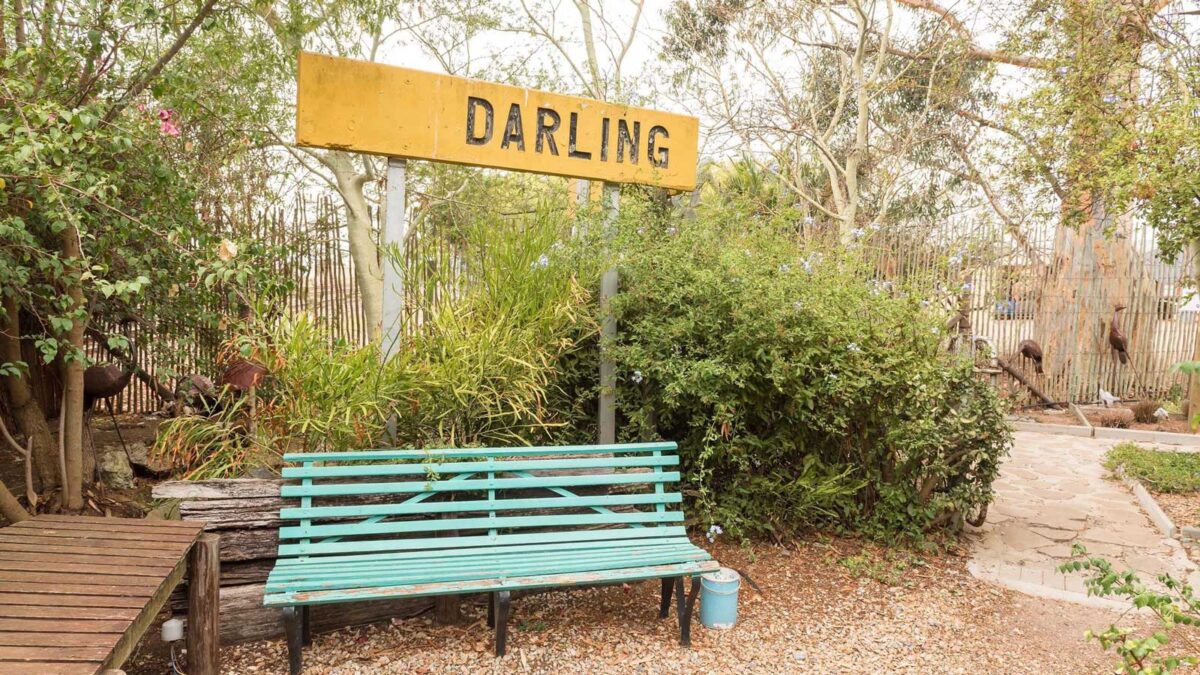
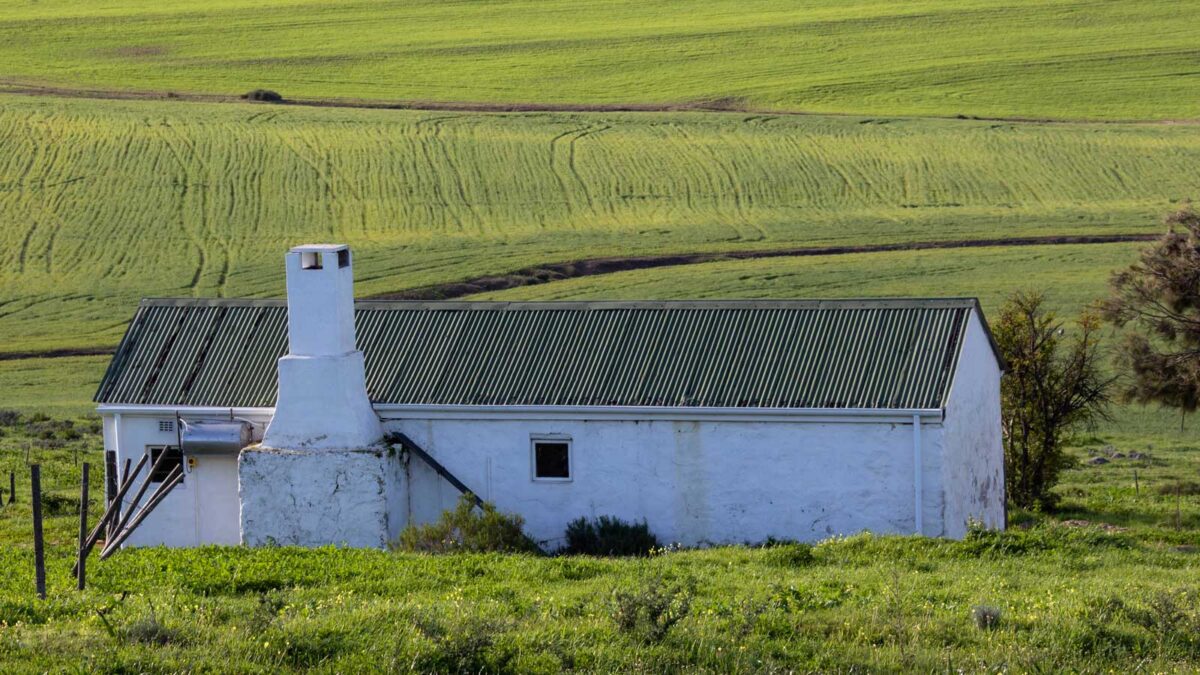
Photos of Darling












 Loading ...
And flies. Don’t forget the flies.