
R500 banknote in South Africa


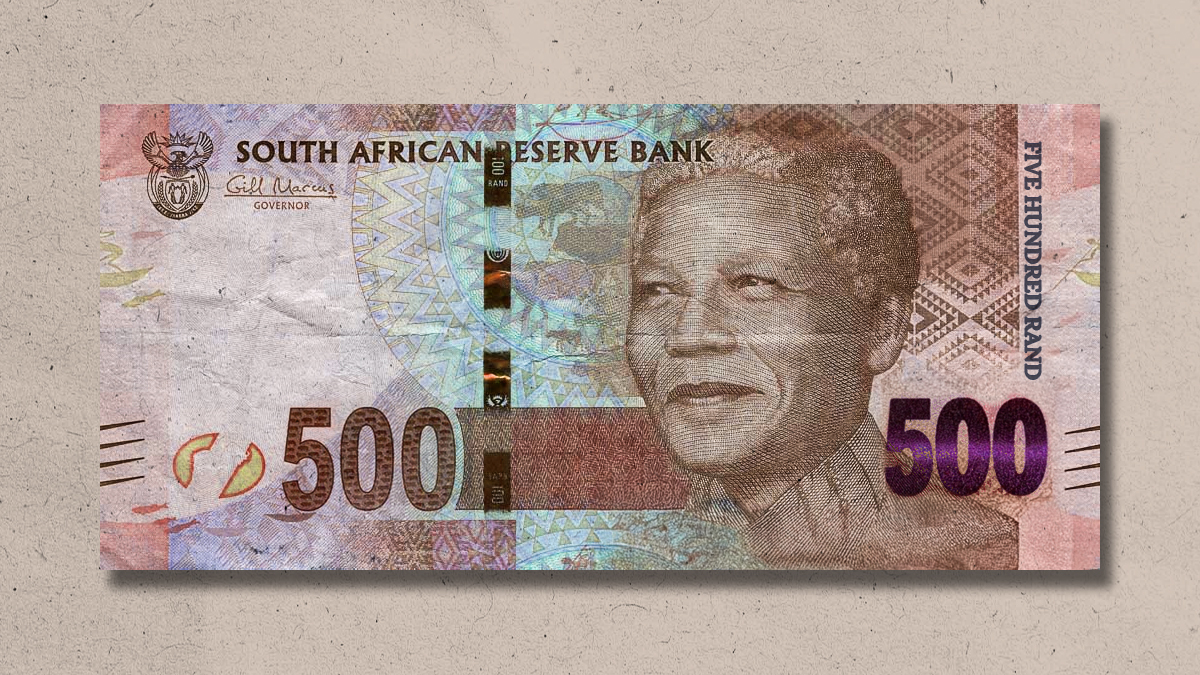
The South African Reserve Bank (SARB) explained that it does not issue a R500 note because the R200 banknote is sufficient for transactions.
Another reason is that higher denominations, like a R500 banknote, could encourage illicit cash hoarding.
The issue of a larger denomination banknote regularly arises, as the R200 note was introduced 34 years ago.
If one adjusts R200 for inflation between 1992, when it was launched, and today, it is equivalent to R1,386.
That means that a R500 banknote, or even a R1,000 note, would be worth less than what a R200 note was when it was launched.
However, the SARB, tasked with protecting the value of the country’s currency, decided to retain the R200 banknote as the largest cash denomination.
The South African Reserve Bank said it regularly conducted research to determine whether to transition to higher-denomination coins and banknotes.
The question which it wants to answer with this research was whether it should consider a R10 coin or a R500 banknote.
In determining whether to transition to new denominations, the SARB considers the rand’s buying power, the general trend of inflation, and public perception.
“The results of the latest study revealed that South Africa is not ready for a R500 banknote or R10 coin,” it said.
“The R200 banknote is sufficient for transactions and is still used as a store of value,” the South African Reserve Bank explained.
The central bank is also concerned that larger denominations will encourage illicit cash hoarding, especially considering South Africa’s high crime rate.
Illicit cash hoarding refers to the unregulated accumulation and storage of physical currency, particularly funds derived from illegal activities.
These illegal activities include drug trafficking, corruption, the illicit economy, and tax evasion, which are all prevalent in South Africa.
Criminals stockpile large amounts of money to avoid financial institution reporting requirements and to evade detection by law enforcement or tax authorities.
Because physical cash is untraceable and anonymous, it is the preferred medium of exchange for the black market.
Introducing a R500 note will make it easier for criminals to engage in illicit cash hoarding and fuel their illegal operations.










 Loading ...
The South African Reverse Bank has much bigger fish to fry. They need to go talk to the Eskom unions if they really are serious about curbing inflation. Those wage increase demands are outrageous.