
800 complaints lodged by political contestants in South Africa’s 2026 local government elections


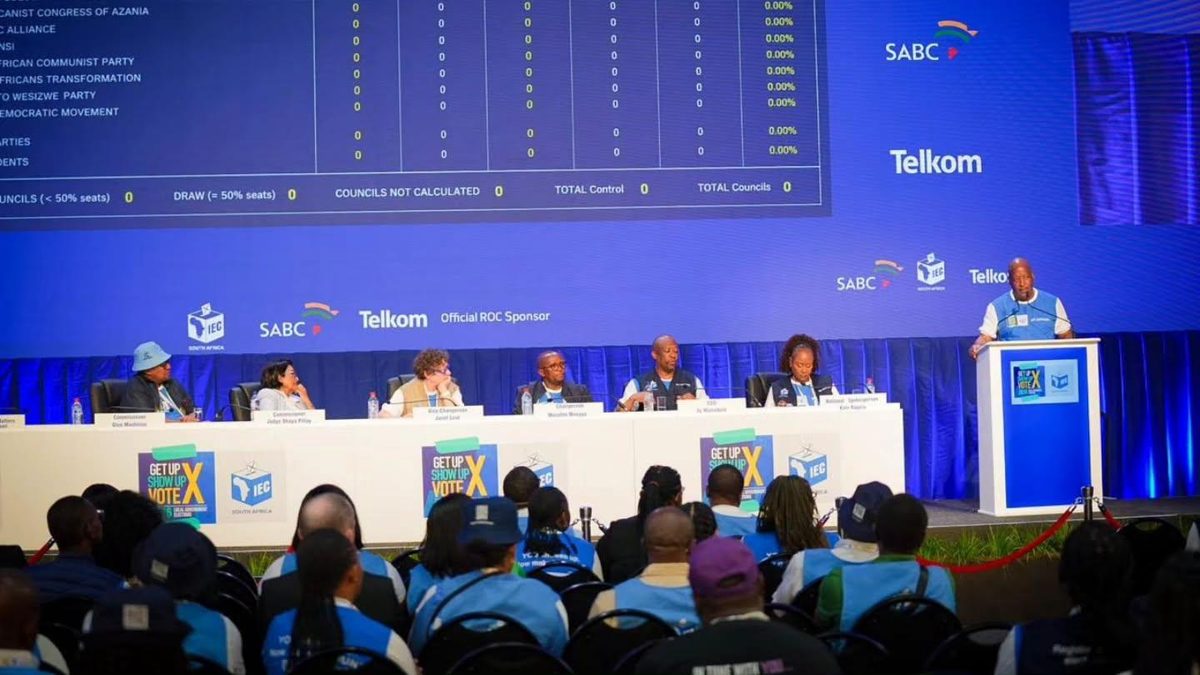
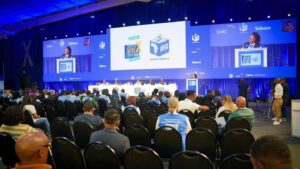
The Chief Electoral Officer (CEO) of the Electoral Commission of South Africa (IEC), Sy Mamabolo, said that the IEC has received 800 complaints regarding the elections.
He shared this information during an Electoral Commission of South Africa media briefing on 5 November 2026.
He said that over 800 complaints were lodged by political contestants, most of which related to staff conduct and party agents experiencing access issues.
“Most complaints have been resolved, leaving around 106 open cases,” Mamabolo told members of the media.
He added that material objections affecting declared outcomes must be submitted by 17:00 on Friday, 6 November 2026.
By law, the IEC has 7 days to declare results. However, final results will be announced as soon as all objections are resolved, but no earlier than 17:00 on Friday.
Mamabolo also shared numbers about these elections. 66,073 result slips are expected across all 23,696 voting stations nationally.
23,444 result slips, representing 35.5% of the expected slips, have been scanned into the results system.
22,983 result slips have been fully captured, and 16,791 result slips have been independently audited.
He added that 18 South African municipalities have concluded their results capturing in full.
15.9 million South Africans voted in the elections
During the media briefing, the IEC said that 15.9 million South Africans participated in the 2026 local government elections.
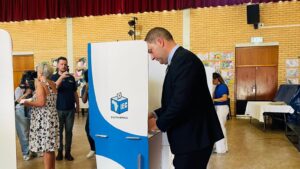
South Africa’s local government elections took place between Monday, 2 November 2026, and Wednesday, 4 November 2026.
The Electoral Commission of South Africa (IEC) concluded the two-day special voting on Monday and Tuesday.
This special voting provided 2.6 million eligible voters who were otherwise unable to vote on Election Day with the opportunity to cast their ballots in advance.
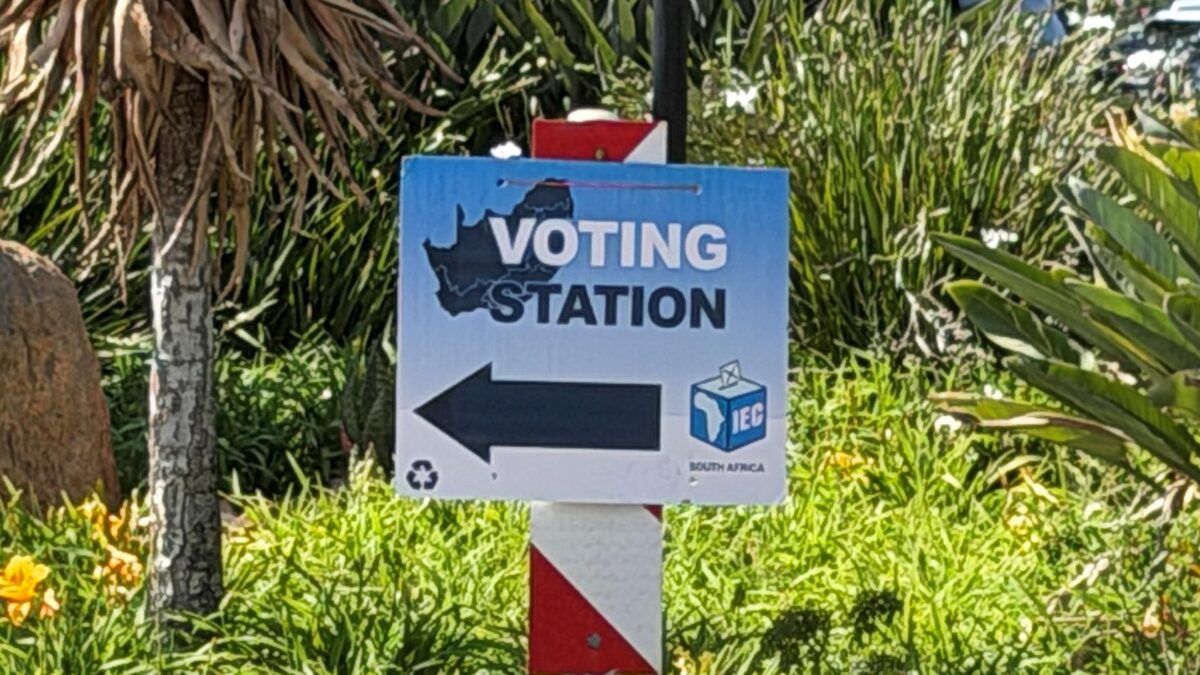
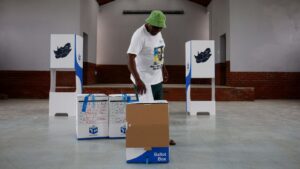
On Wednesday, the commission allowed millions of South Africans the opportunity to vote at 23,696 voting stations nationwide.
Voting closed at 21:00, after which the votes were counted at the station in the presence of political agents and observers.
This process, the Electoral Commission of South Africa explained, ensured transparency and trust in the electoral process.
Shortly after midnight on 5 November 2026, the Chairperson of the Electoral Commission of South Africa (IEC), Mosotho Moepya, unveiled the first result.
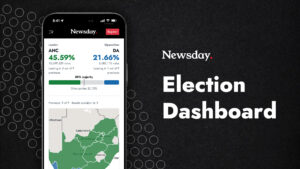
Since then, the results have been coming in from across the country, with the African National Congress taking an early lead in the national vote.
However, as these are local government elections, the national vote, although interesting, is not consequential.
The battlegrounds are the municipalities where councils have to be formed and where mayors have to be selected.
The most important areas are South Africa’s major cities, where the Democratic Alliance (DA) and African National Congress (ANC) fight for supremacy.
The biggest prize of them all is Johannesburg, where DA mayoral candidate Helen Zille has built up an early lead.


 Loading ...