
The 173-year-old South African town where cattle roam the streets was voted the best in the country in 2021


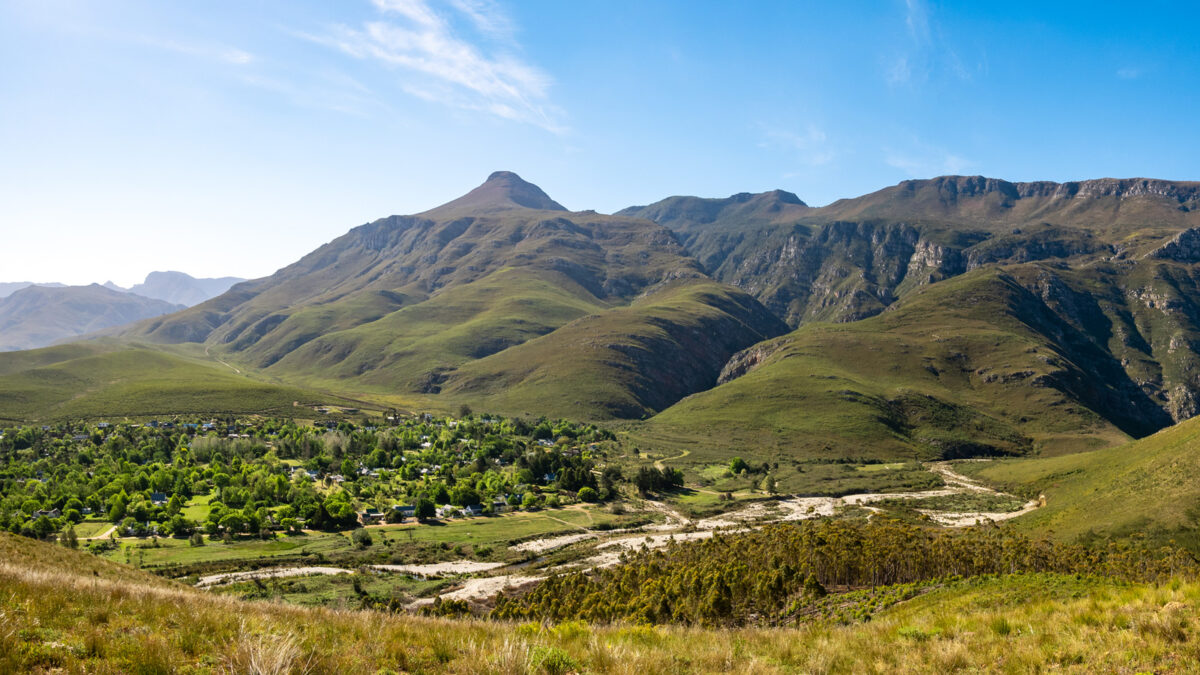
The small town of Greyton in the Western Cape is 173 years old and was once named Kwêla’s Town of the Year.
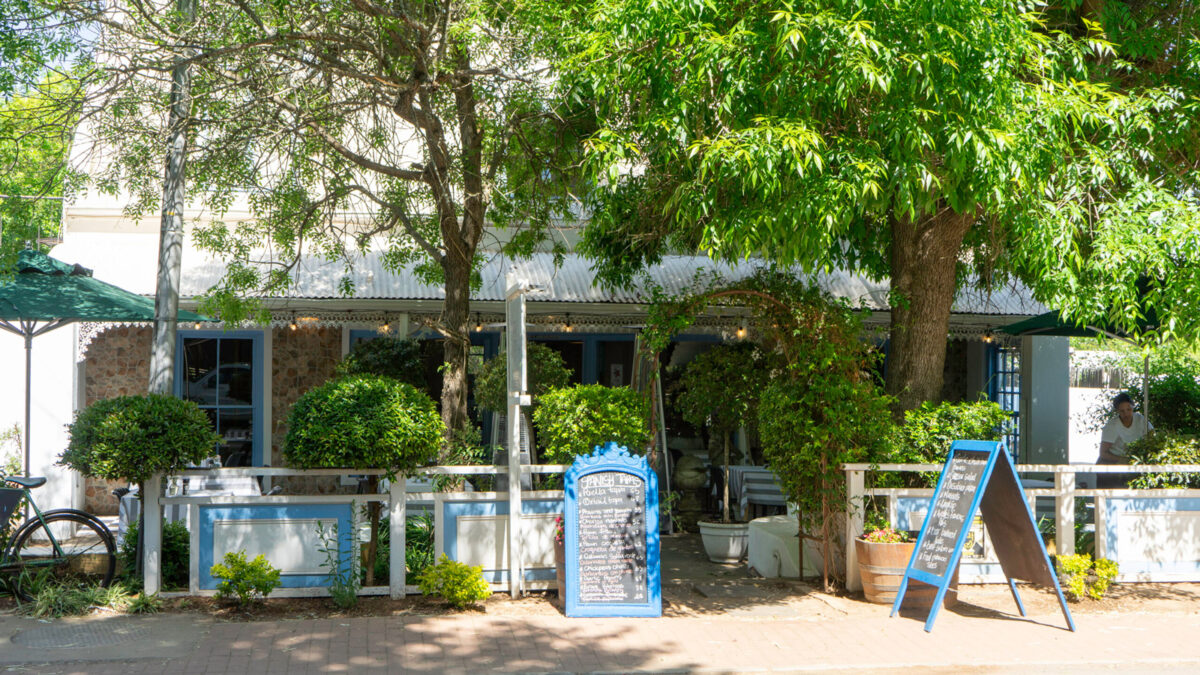
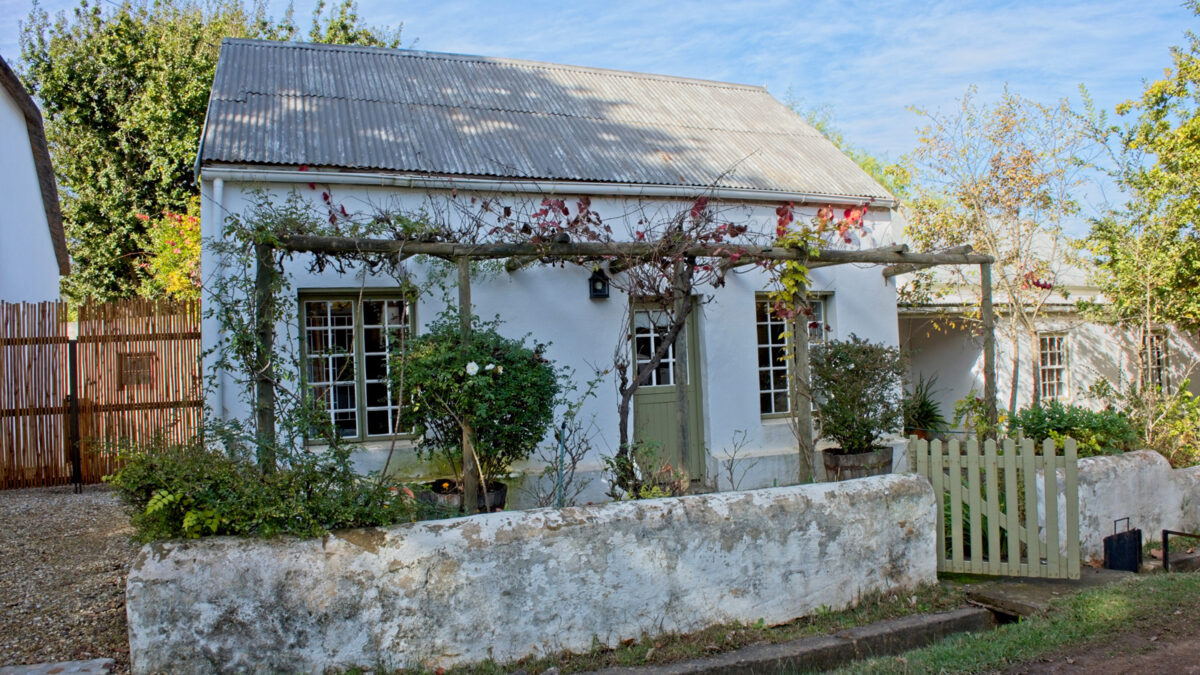
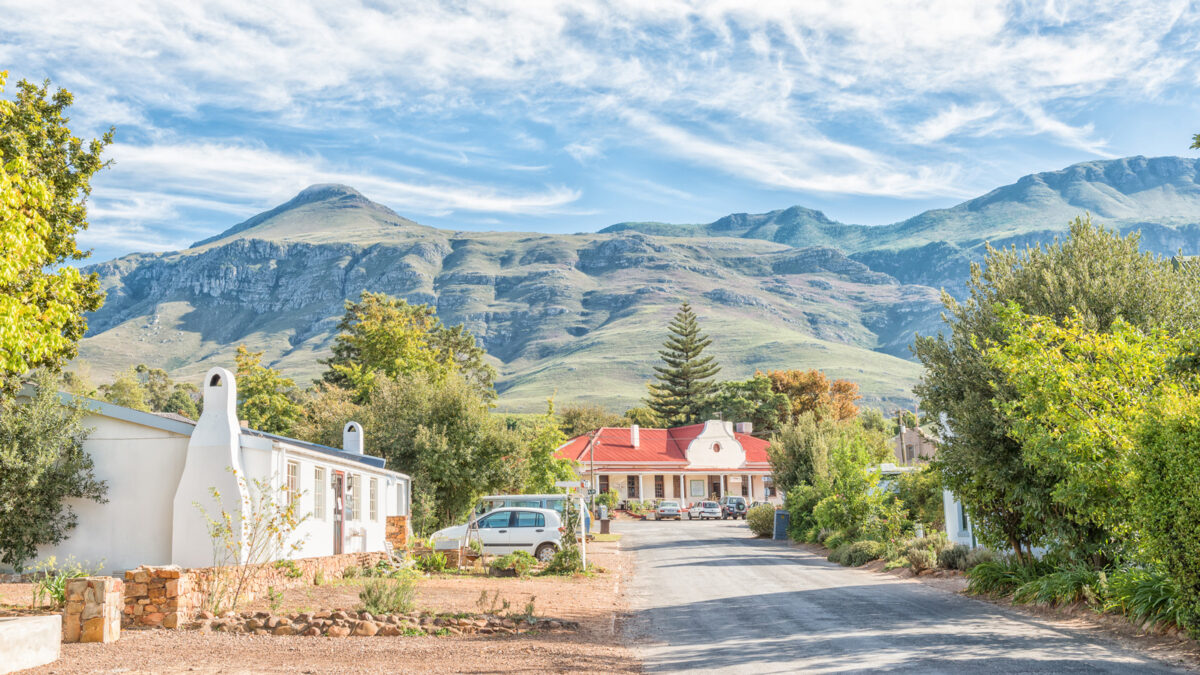
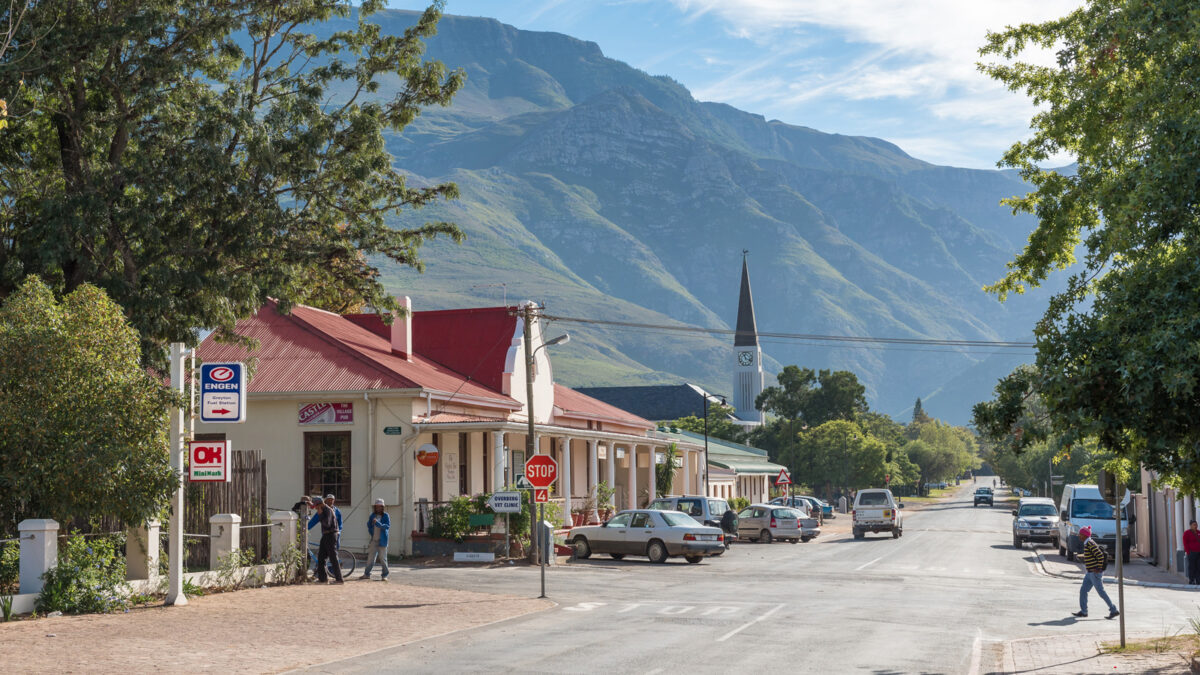
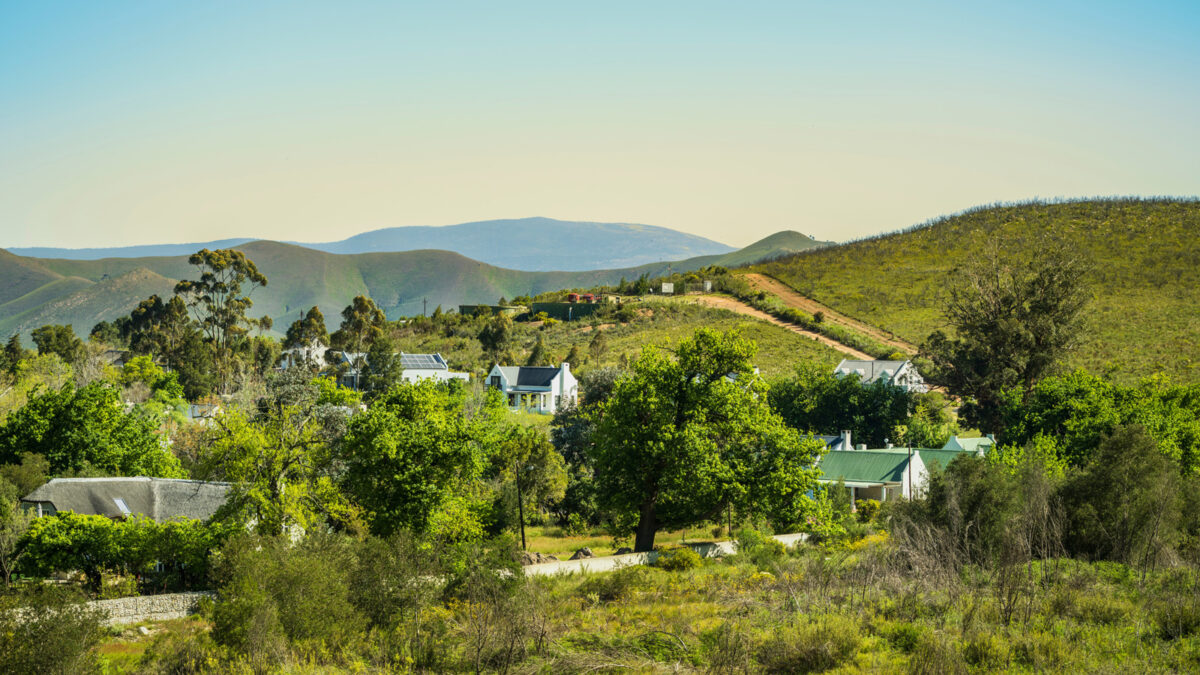
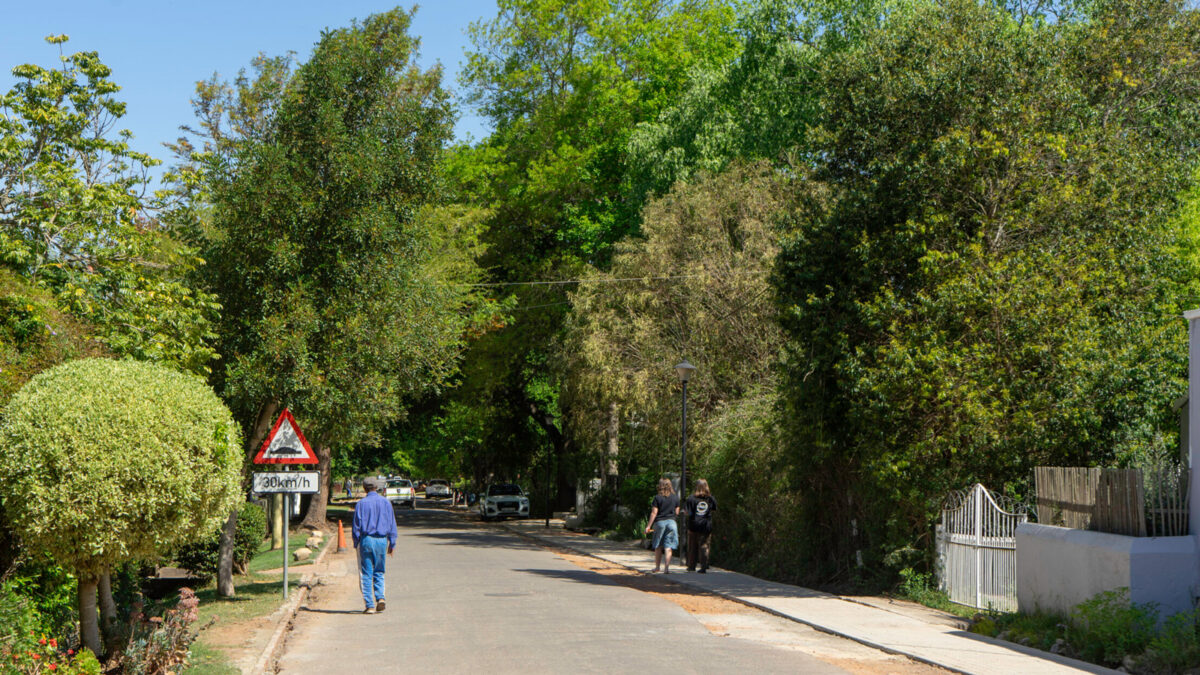
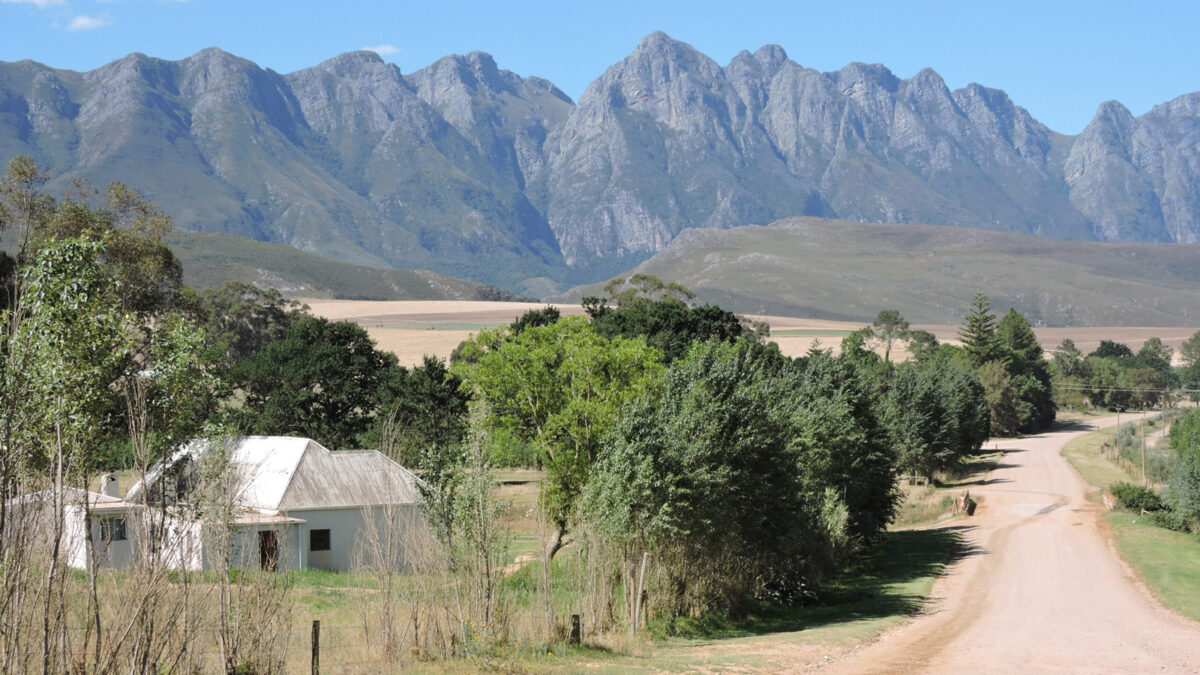
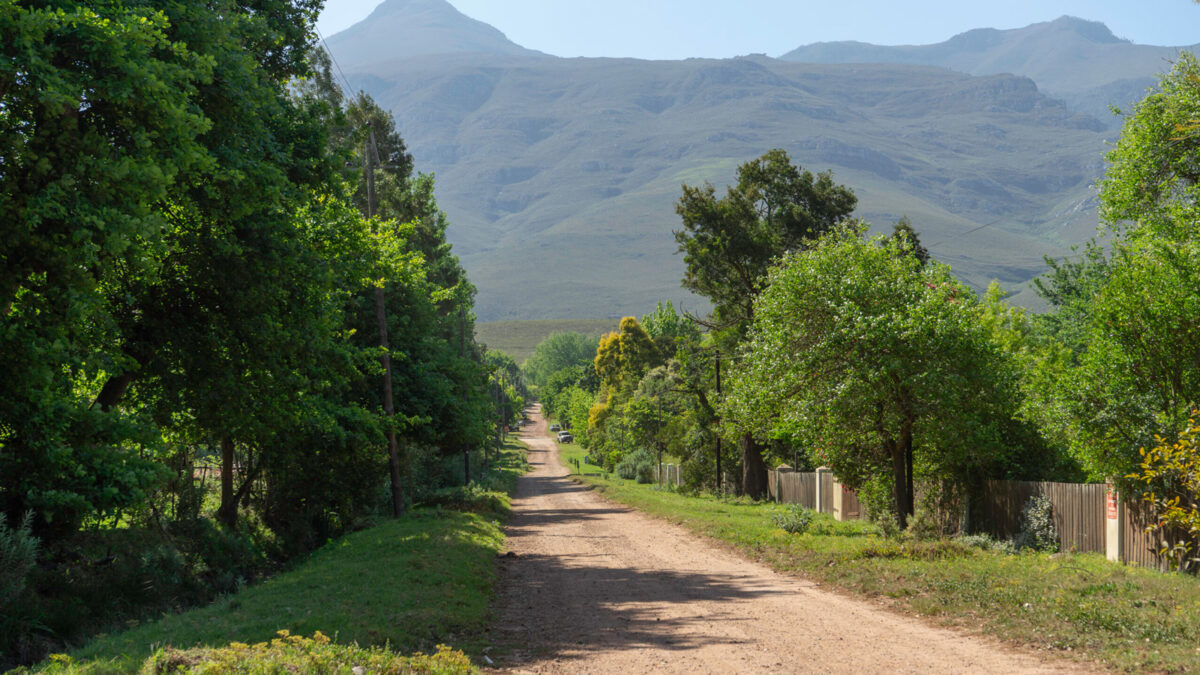
It is known for its Victorian-style country cottages, cattle roaming the streets, many surviving old buildings, and beautiful natural surroundings.
Greyton is located in the Overberg region of the Western Cape, falling under the Theewaterskloof municipality.
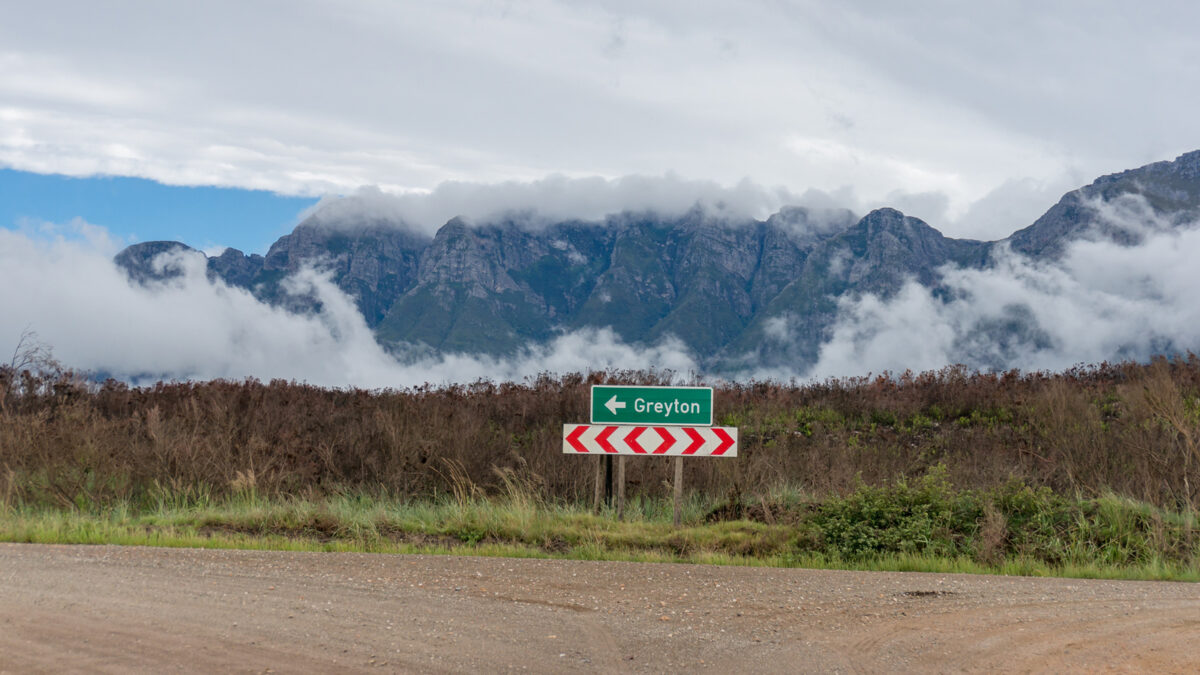
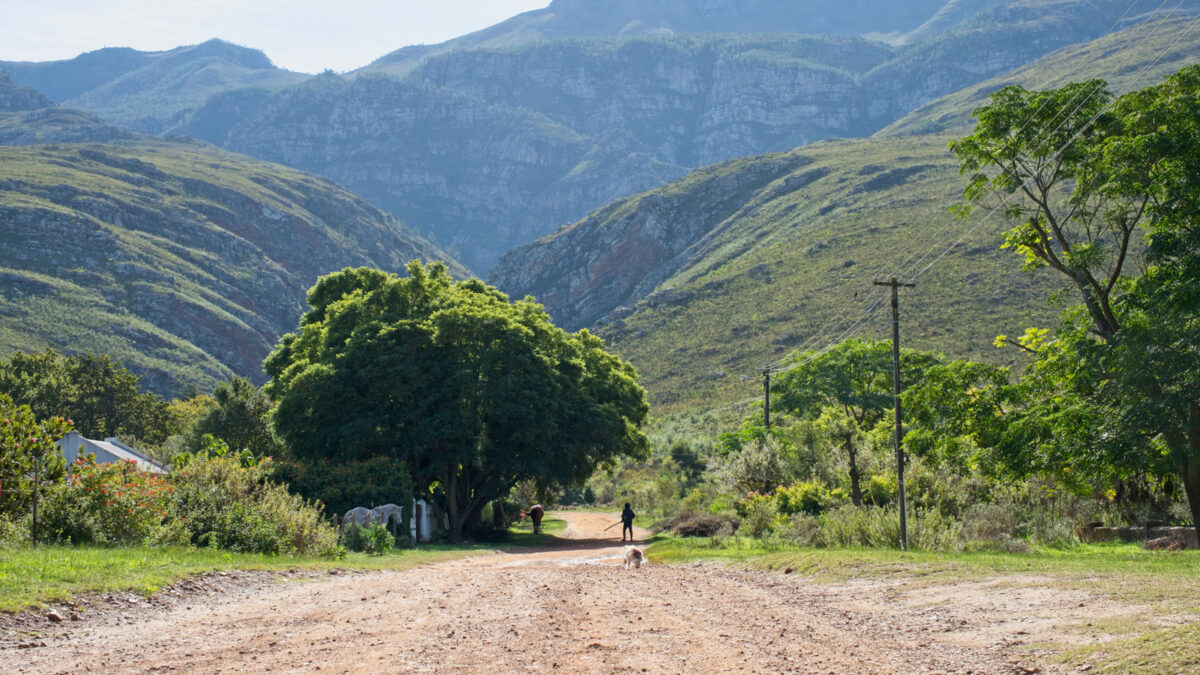
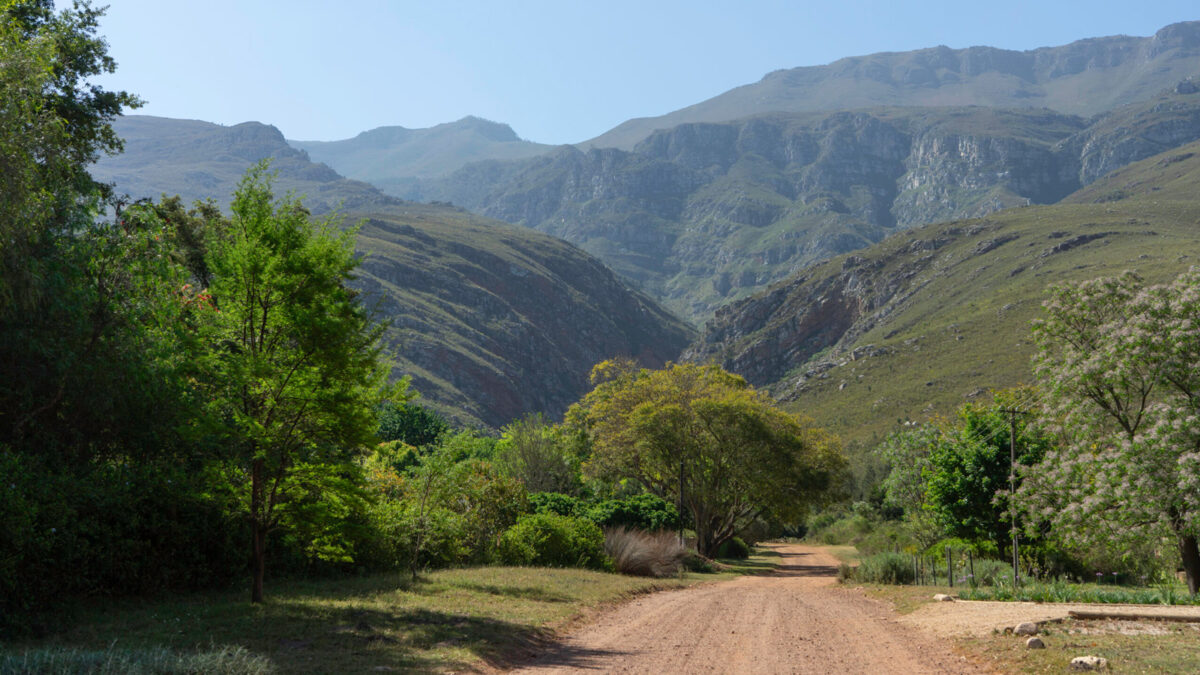
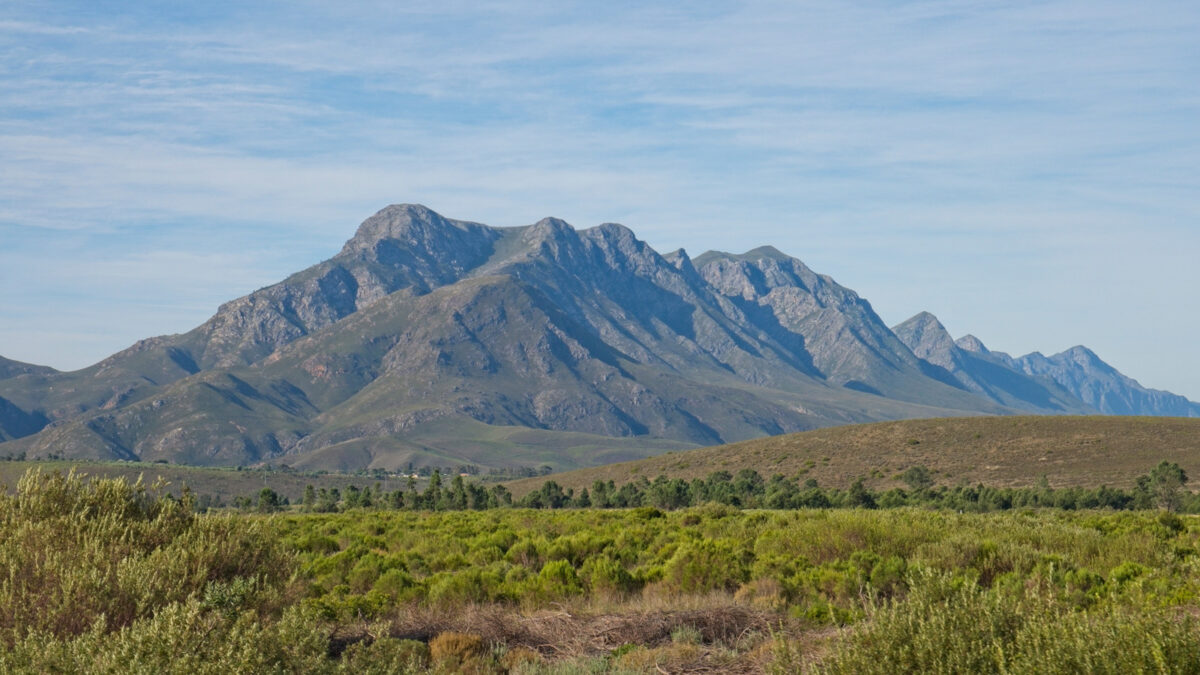
It is around 140km from Cape Town, nestled in a mountainous valley at the foot of the Riviersonderend Mountains.
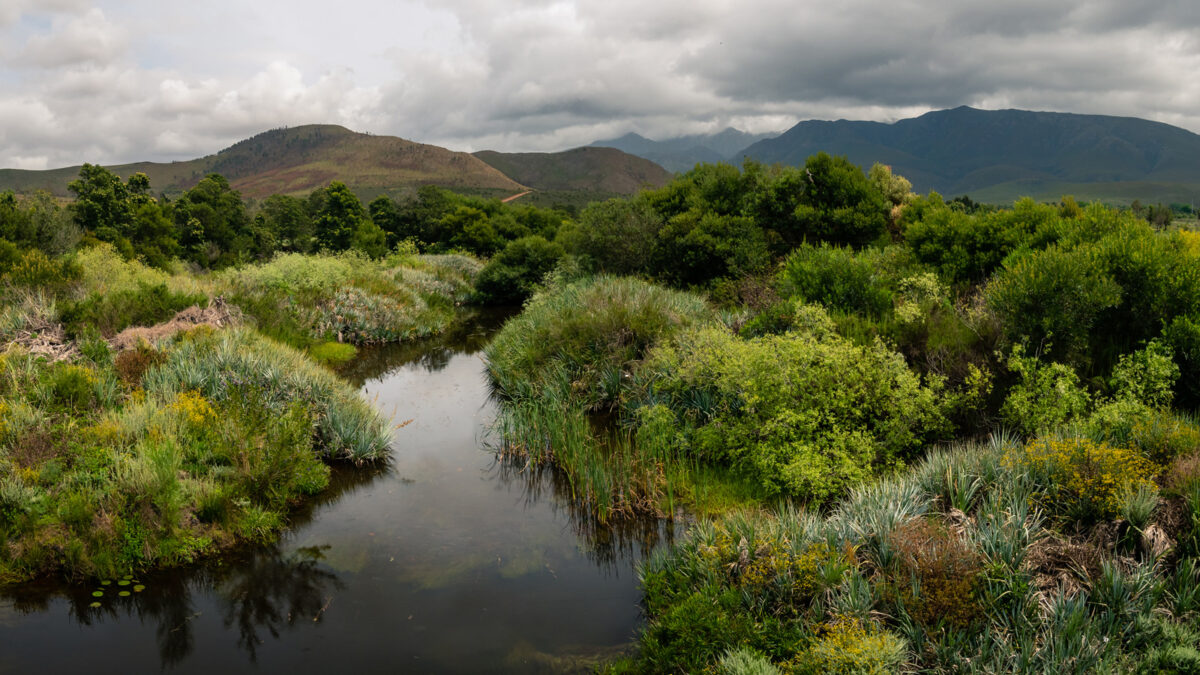
Greyton is known for its natural beauty, as it is situated in a lush valley at the foot of the Riviersonderend Mountains.
It is also right near the Riviersonderend and Gobos rivers.
Greyton was founded in 1854, but its history goes much further back to the 1600s.
In the late 1600s, Ensign Schriver of the Castle of Good Hope was sent to barter for livestock with the local Khoisan tribe leader, Captain Stoffel Koekson.
The tribe, called Hassequas, had thousands of cattle and sheep. Koekson’s dealings made him a wealthy man, and he and his people ultimately moved to Boesmanskloof.
In 1793, Marthinus Theunissen built a homestead on these lands, naming his farm Weltevreden.
Weltevreden was bought by wealthy Englishman Herbert Vigne in 1846, who subdivided it in 1854.
He established a commonage, which was an agricultural village, while keeping two small areas for himself.
He named the commonage ‘Greyton’ in honour of the Governor of the Cape, Sir George Grey – a British explorer recognised for his resolution of hostilities between European settlers and indigenous South Africans.
At the time, Greyton’s properties were available to buyers of all races, nationalities, and religions.
Over time, the town was built up with long irrigation channels, native forests, and classic-style country cottages.
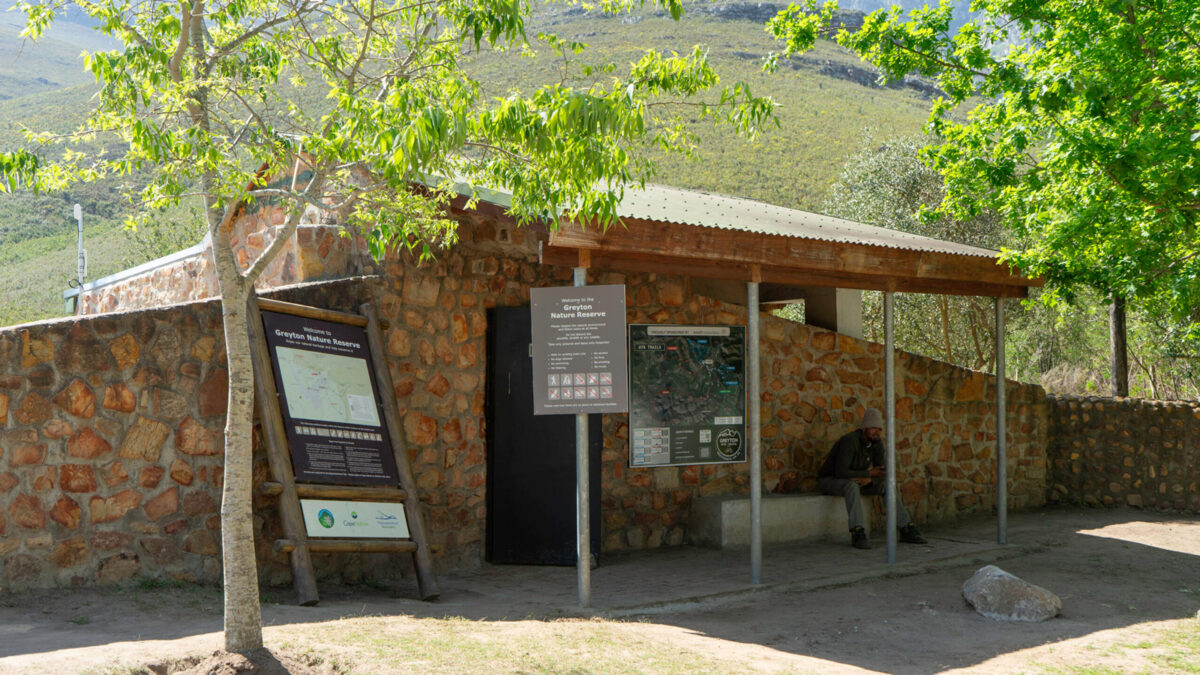
In 1977, a 2,200-hectare protected area was established adjacent to the town, known as the Greyton Nature Reserve.
Greyton was ultimately granted municipal status in 1910, and later fell under the Theewaterskloof municipality in 2000.
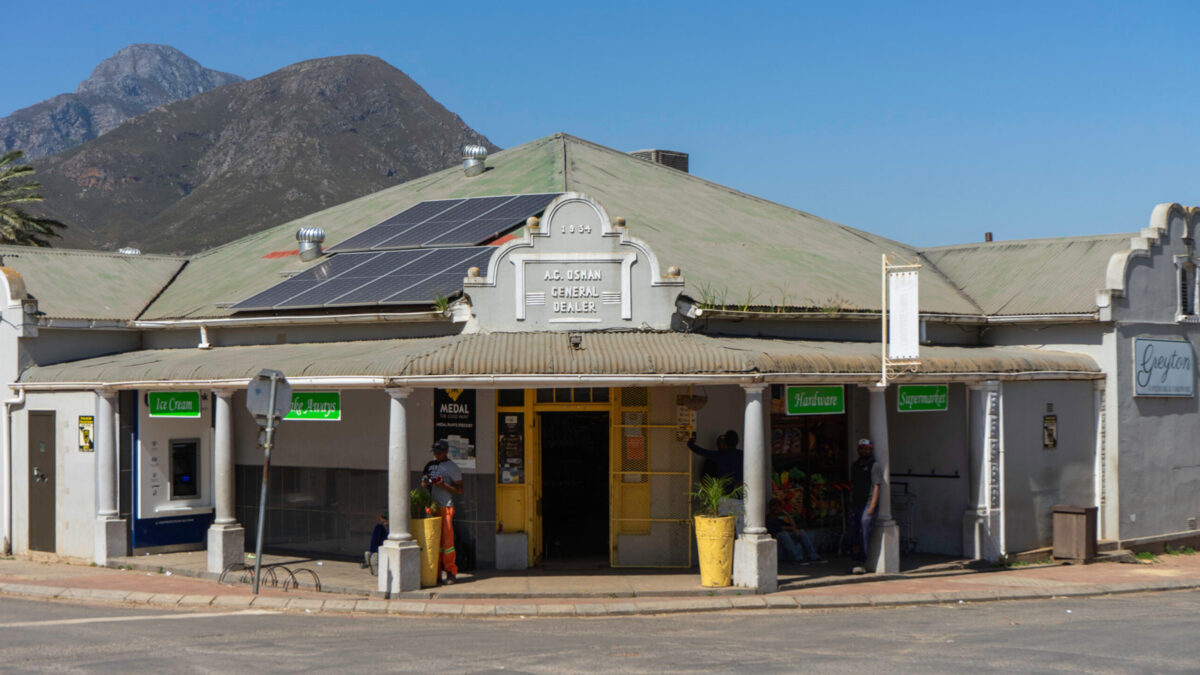
Many of the original buildings in Greyton remain unchanged over the past 172 years, and though the town has expanded, it is still relatively small.
A 2011 census put its population at fewer than 3,000.
Greyton in 2026
The Town of the Year competition uses a public voting system, allowing South Africans to nominate towns via SMS. To qualify, a town must have fewer than 500,000 inhabitants.
The nominations are then divided by province, and the three towns with the most nominations in each province advance to the semi-finals.
The final winner from each province is ultimately chosen, and these towns win a regional title.
The public then votes for the ultimate winner, which wins R1 million from Lottoland to invest back into its town, as well as valuable exposure and marketing.
In 2021, Greyton was the overall winner, beating St. Francis Bay and Upington, which came in second and third, respectively.
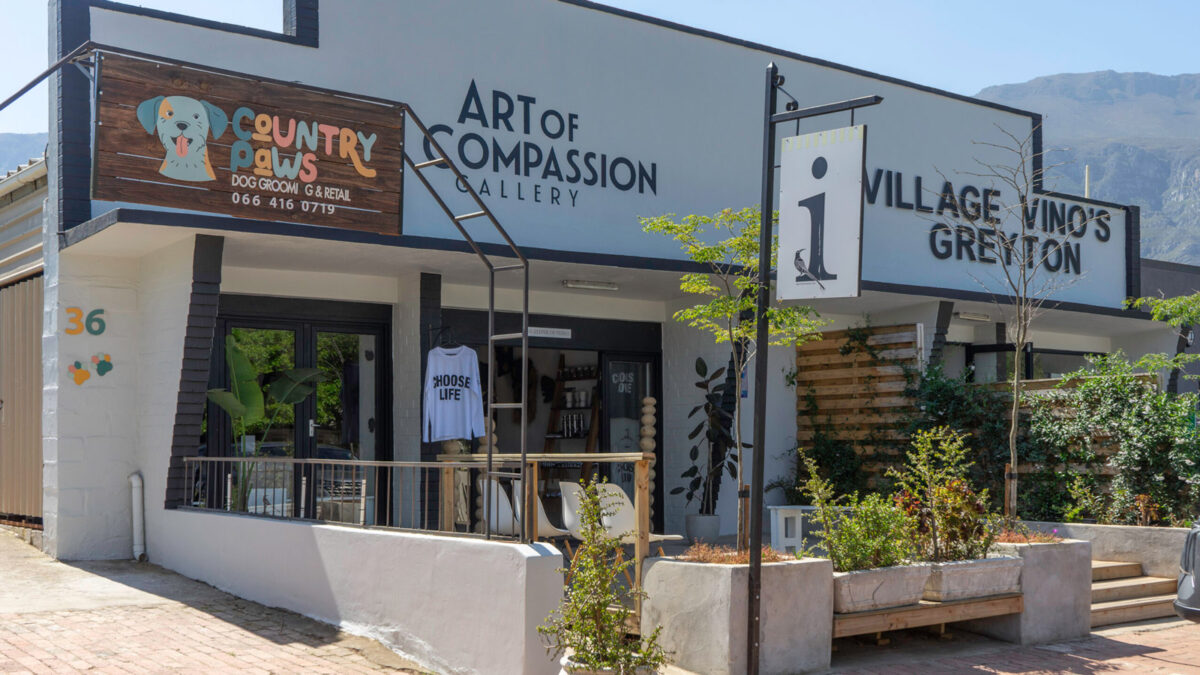
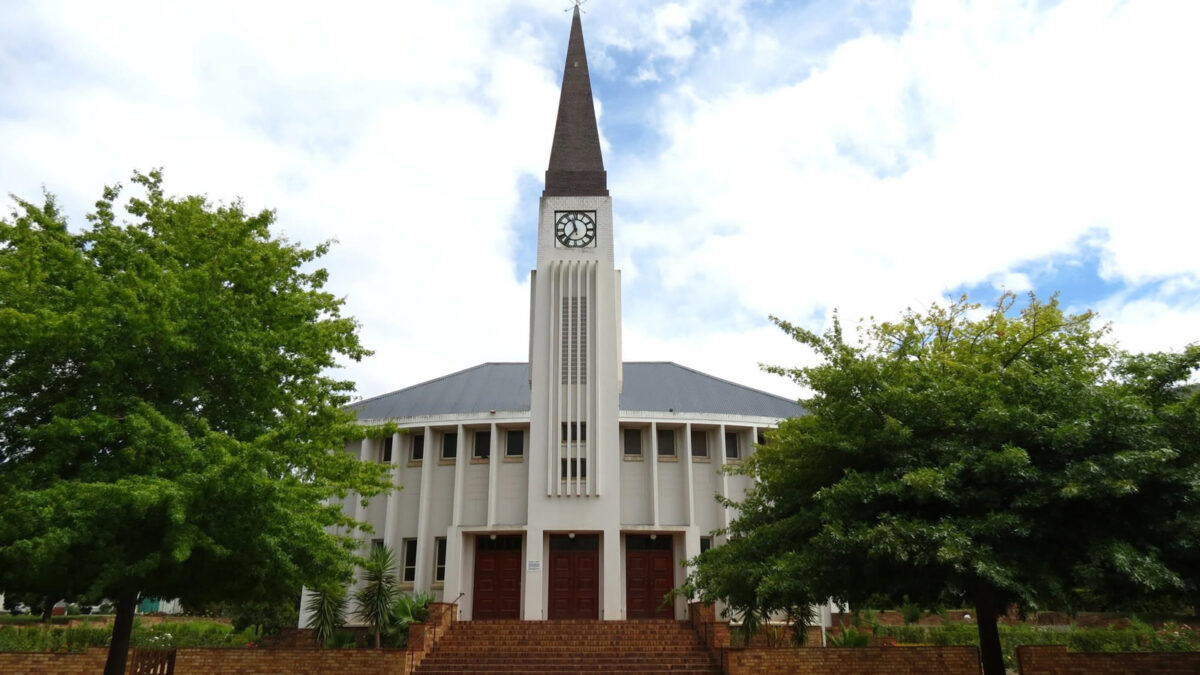
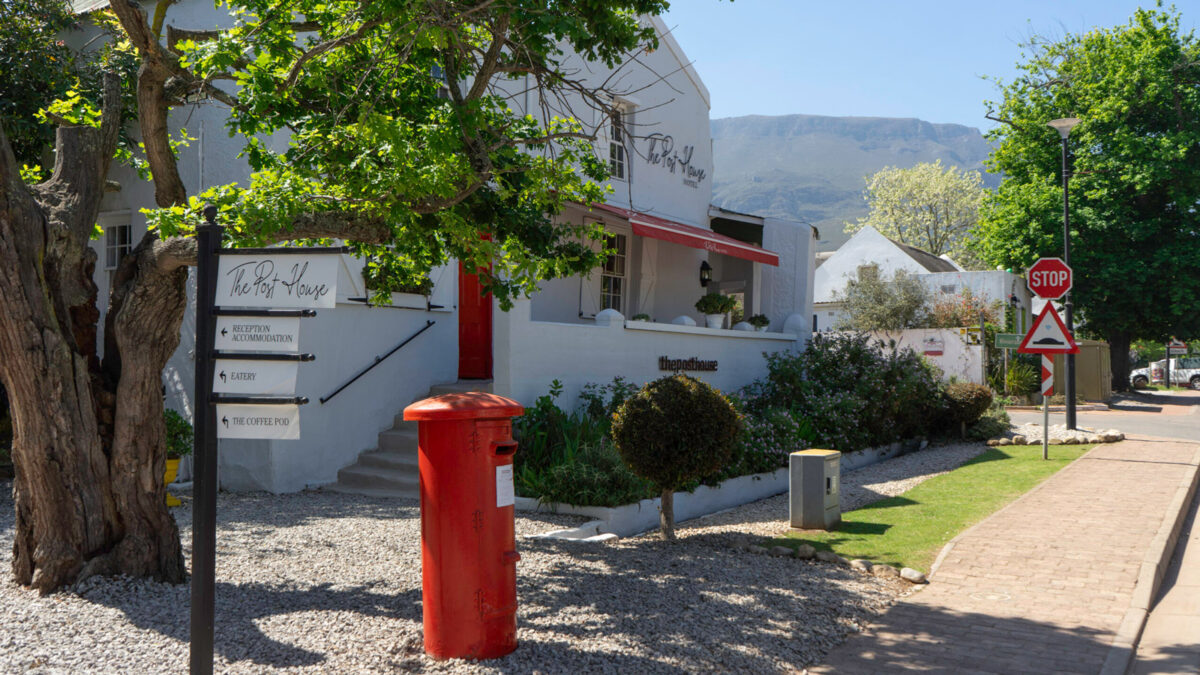
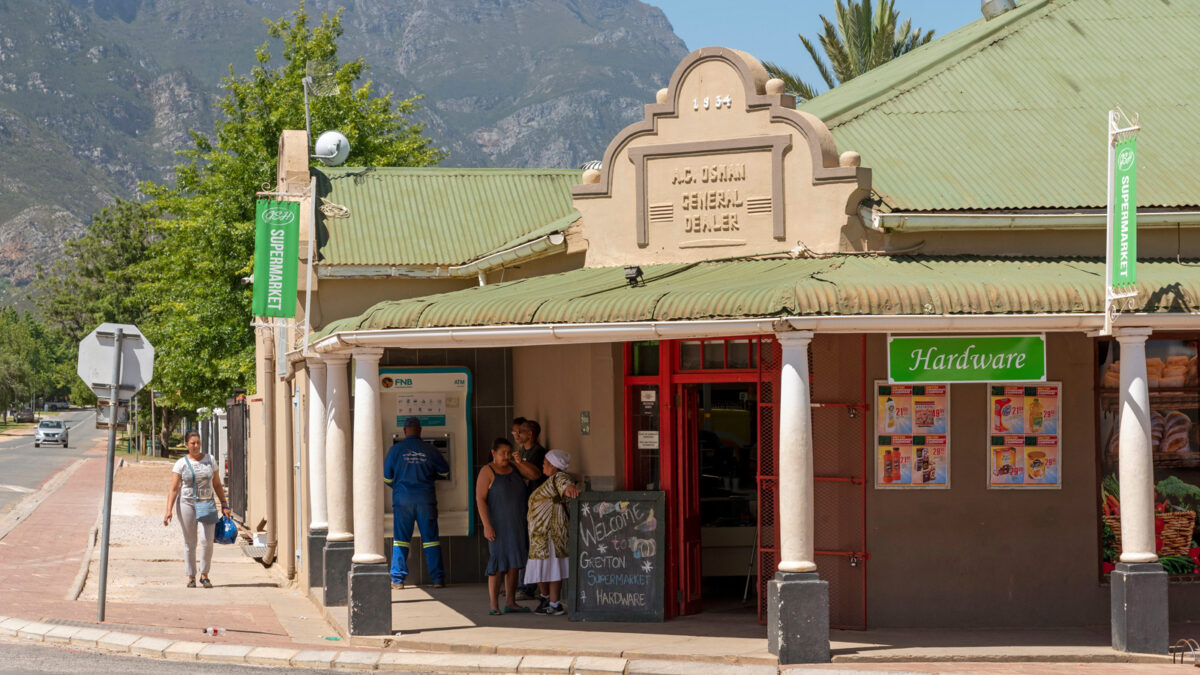
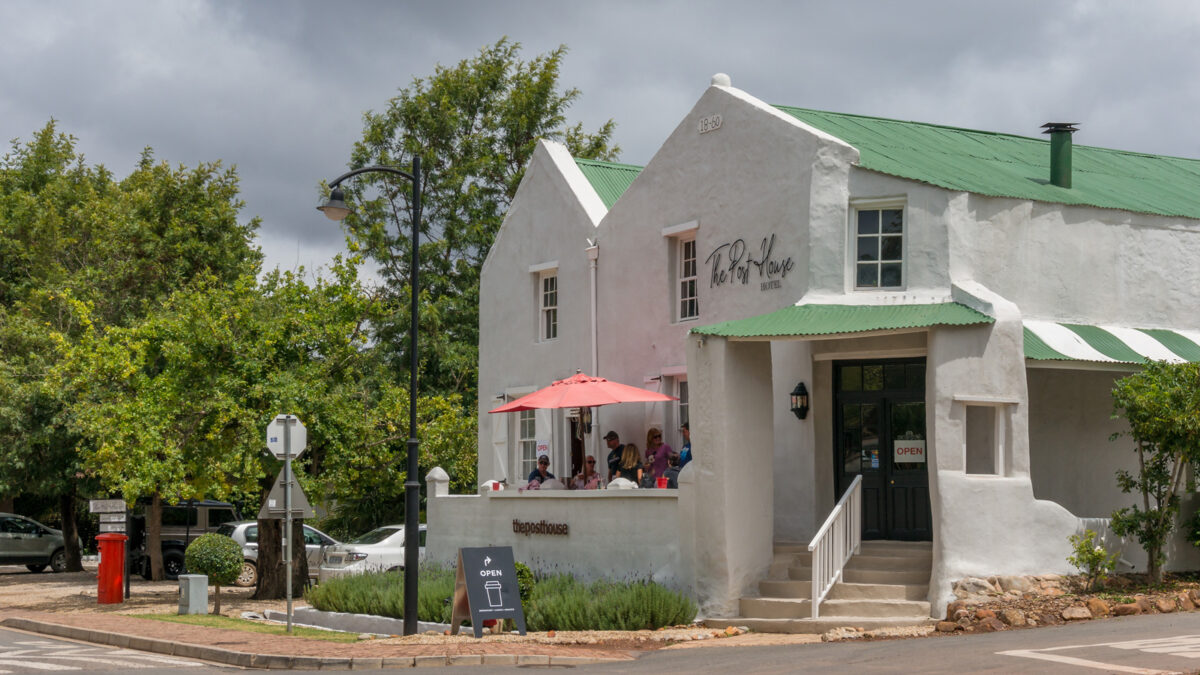
Today, many of Greyton’s original buildings still stand, including The Post House, which dates back to 1960, and the pre-1840s Old Potter’s Inn.
Most of its Cape Vernacular has remained largely intact, with original irrigation channels (known as leiwater channels) still being used today.
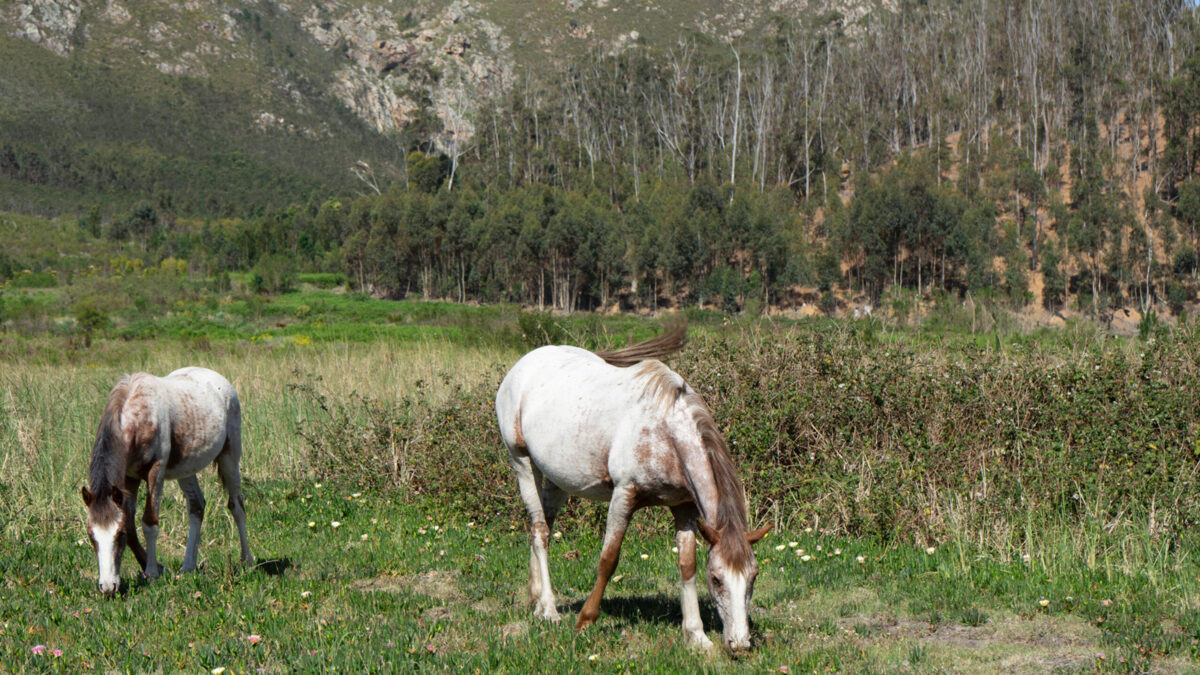
Greyton is characterised by its free-roaming livestock, including horses, donkeys, and cows that wander the streets and village commonage.
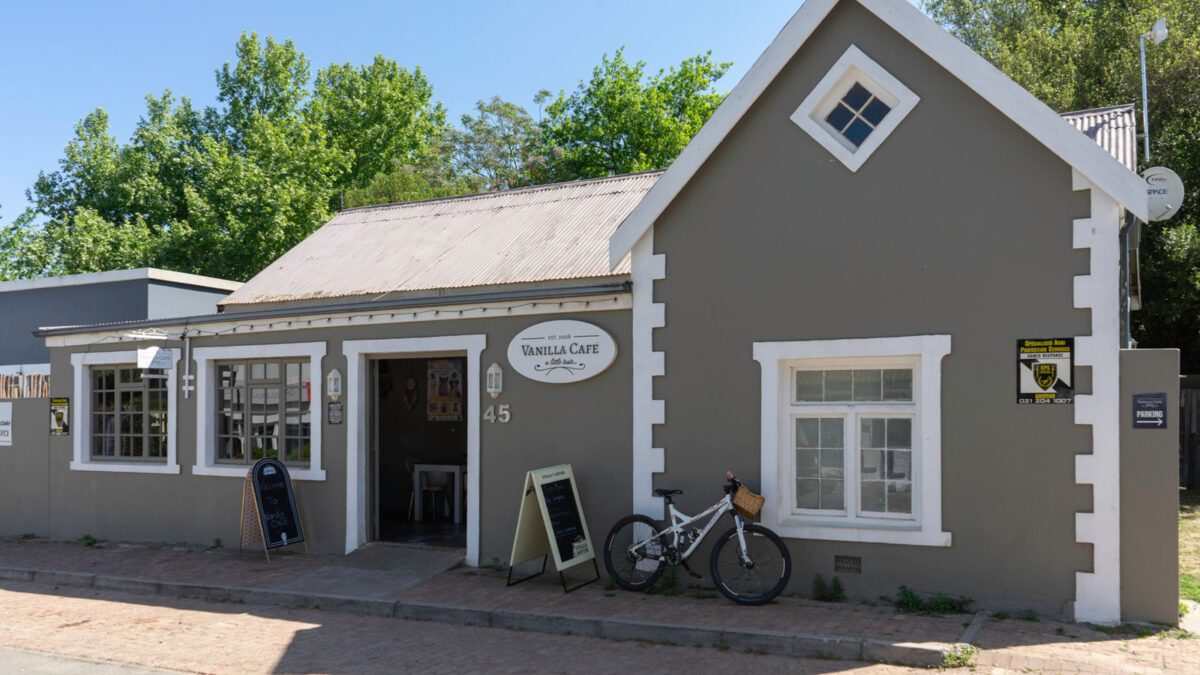
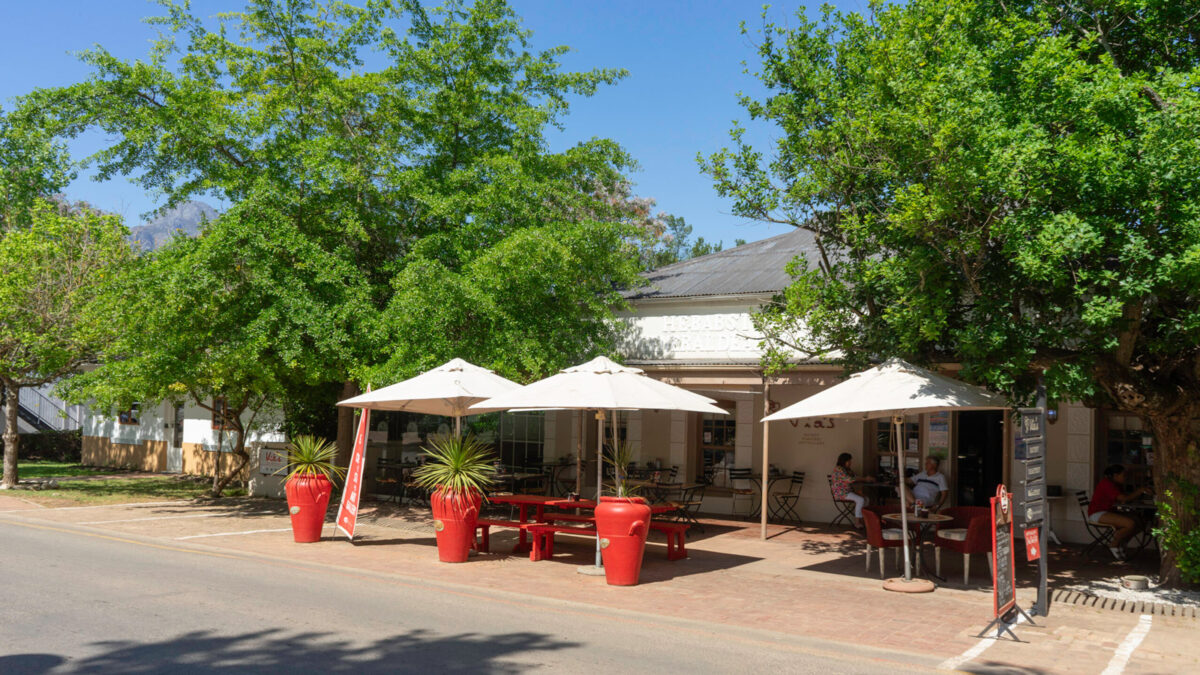
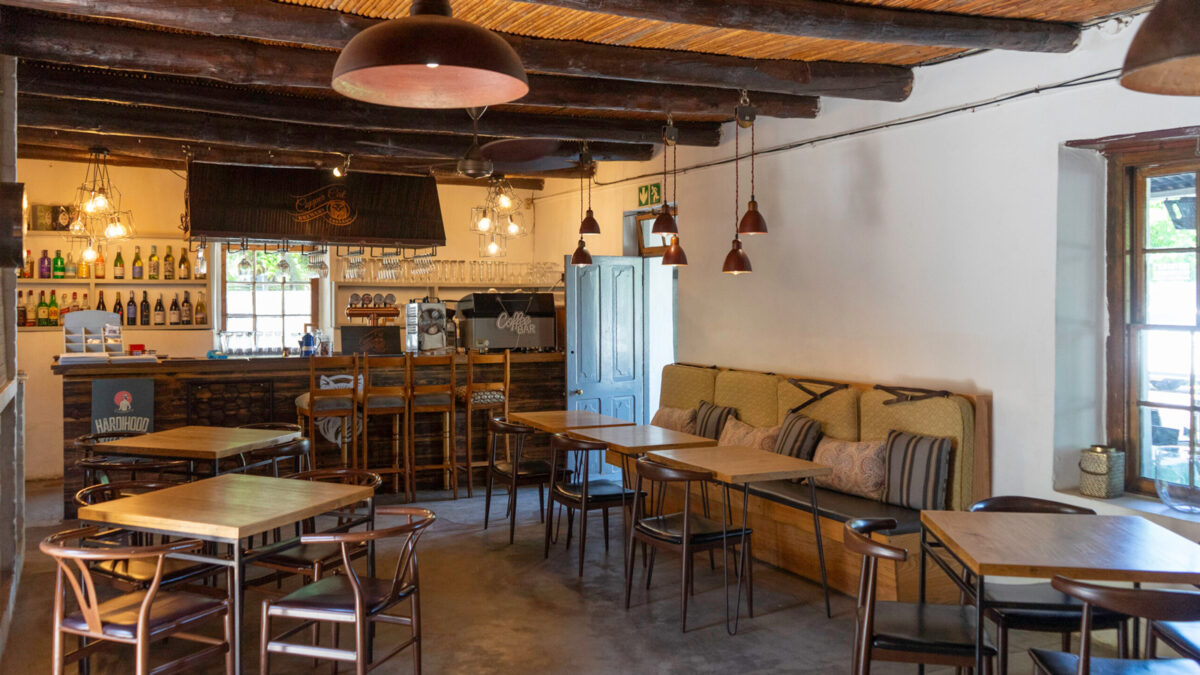
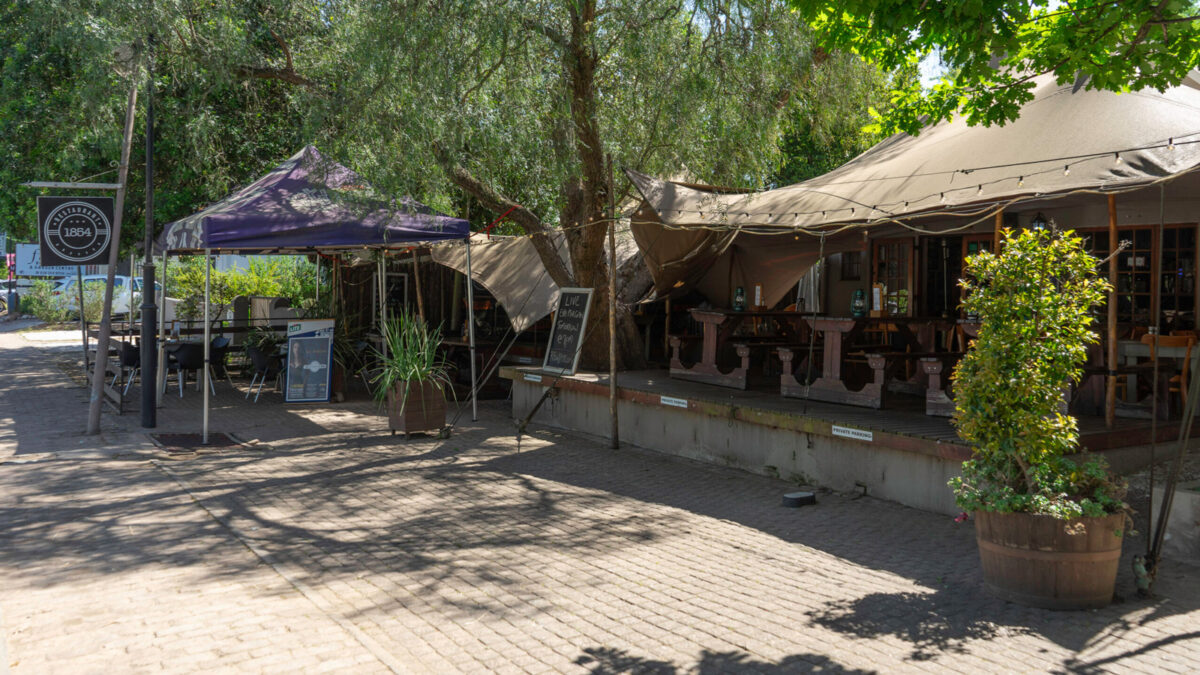
It has many quaint shops, eateries, and boutique stores – and its annual calendar features many popular festivals.
South Africans flock to Greyton for these events, which include wine, beer, art, and music festivals.
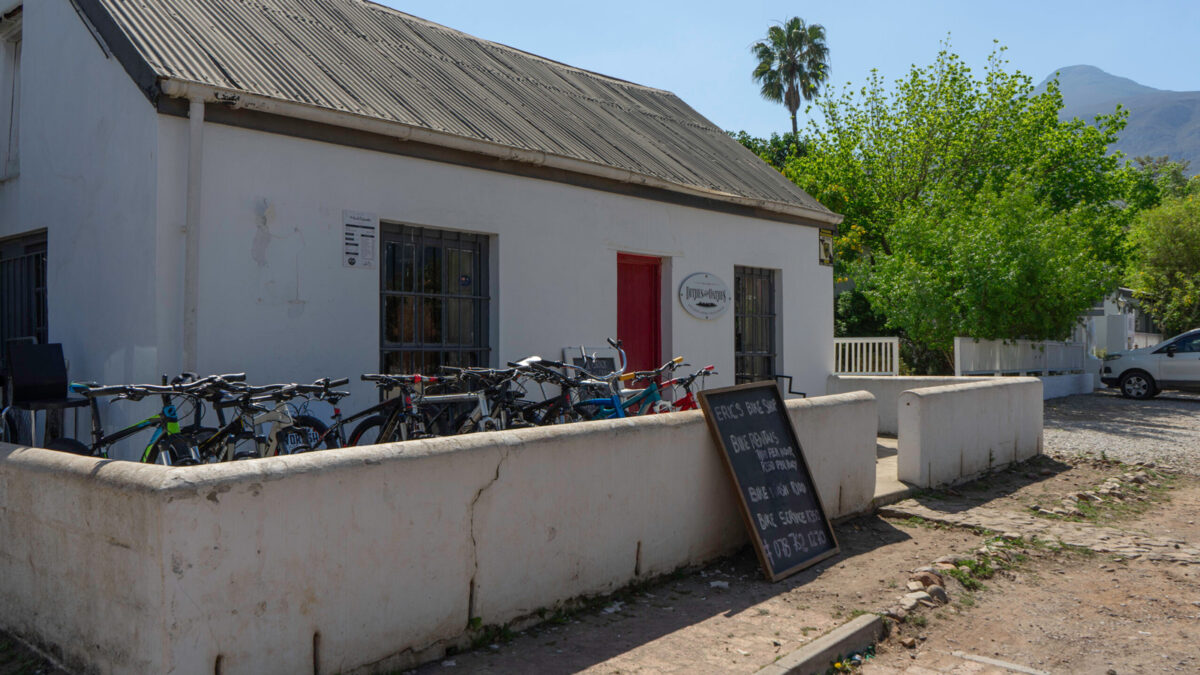
It has become a hotspot for several popular sports, including mountain biking and trail running.
Greyton even has a rare indigenous plant named after it, Pelargonium greytonense, as it is endemic to the area.
The town is also known for making its own biofuel, a project it started in 2011, according to MyBroadband.
A group of locals met to consider the challenge of rising fuel costs and saw transitioning to biofuels as a means to build a resilient, sustainable village.
It started the Greyton Transition Town (GTT) project, through which biodigesters process various forms of organic waste – kitchen scraps, garden refuse, manure, and wastewater.
Through anaerobic digestion, these materials are broken down, and the final product is a methane-rich, combustible gas, which community members use for cooking, heating, or to generate electricity.
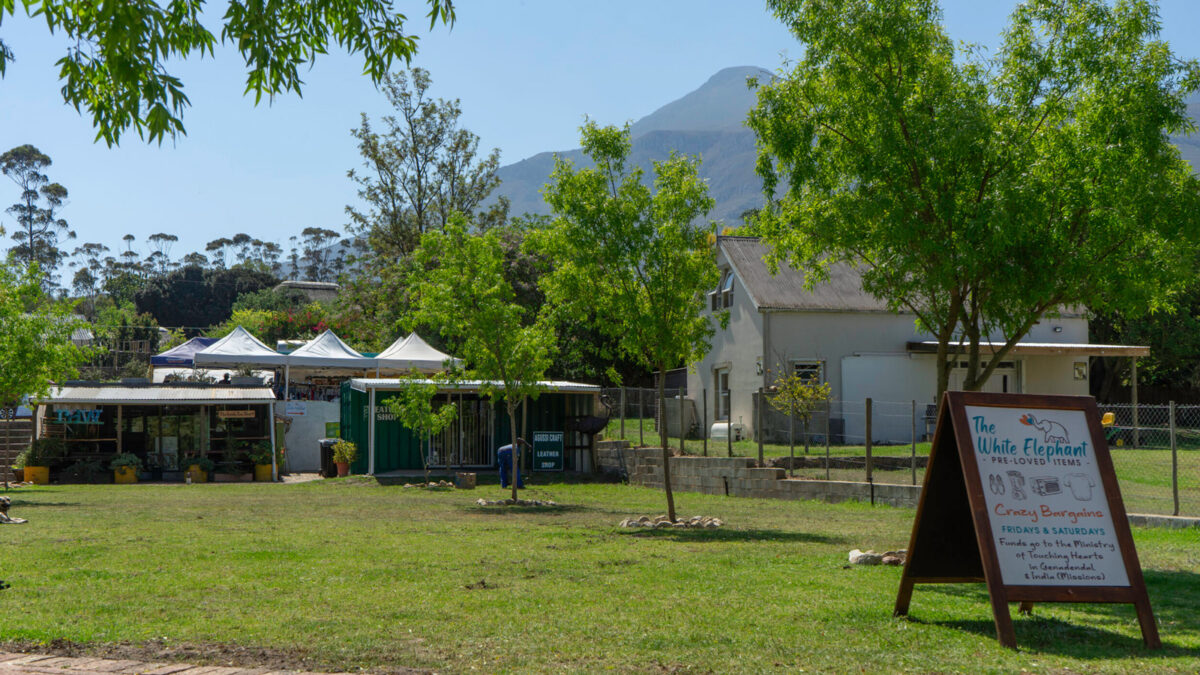
Photos of Greyton








 Loading ...