
Small South African town produces the world’s best olive oil


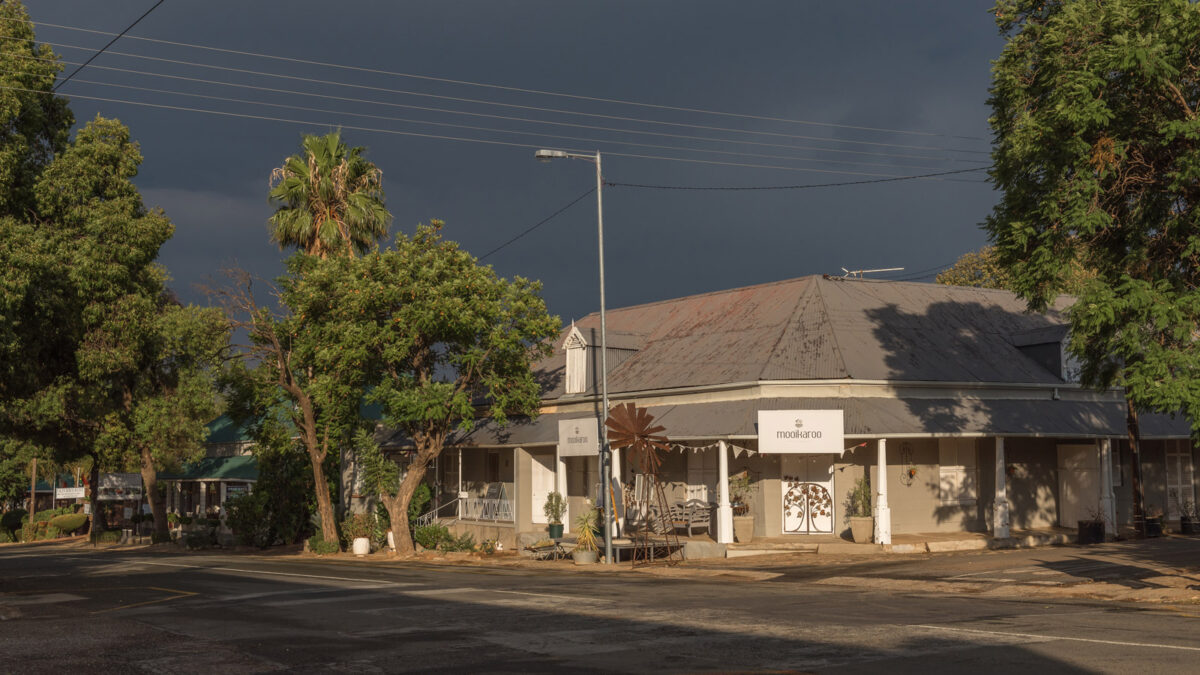
The small town of De Rust in the Klein Karoo has its own unique water supply, but still faces water challenges. Despite this, it is home to the producer of the world’s best olive oil.
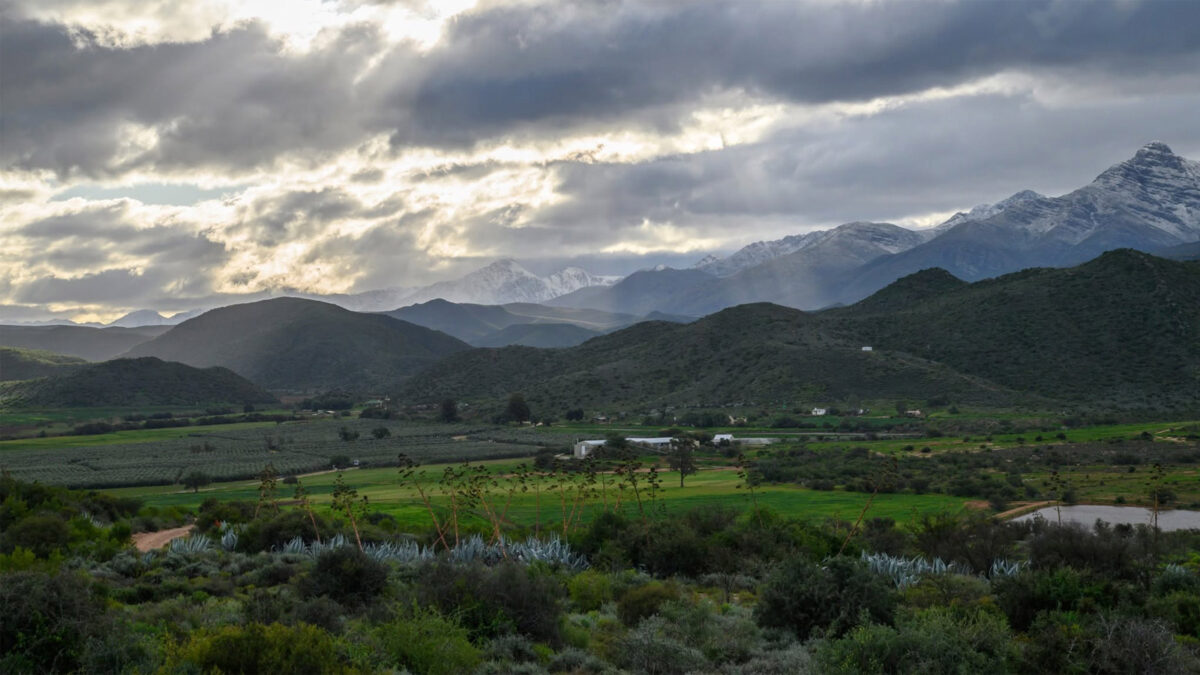
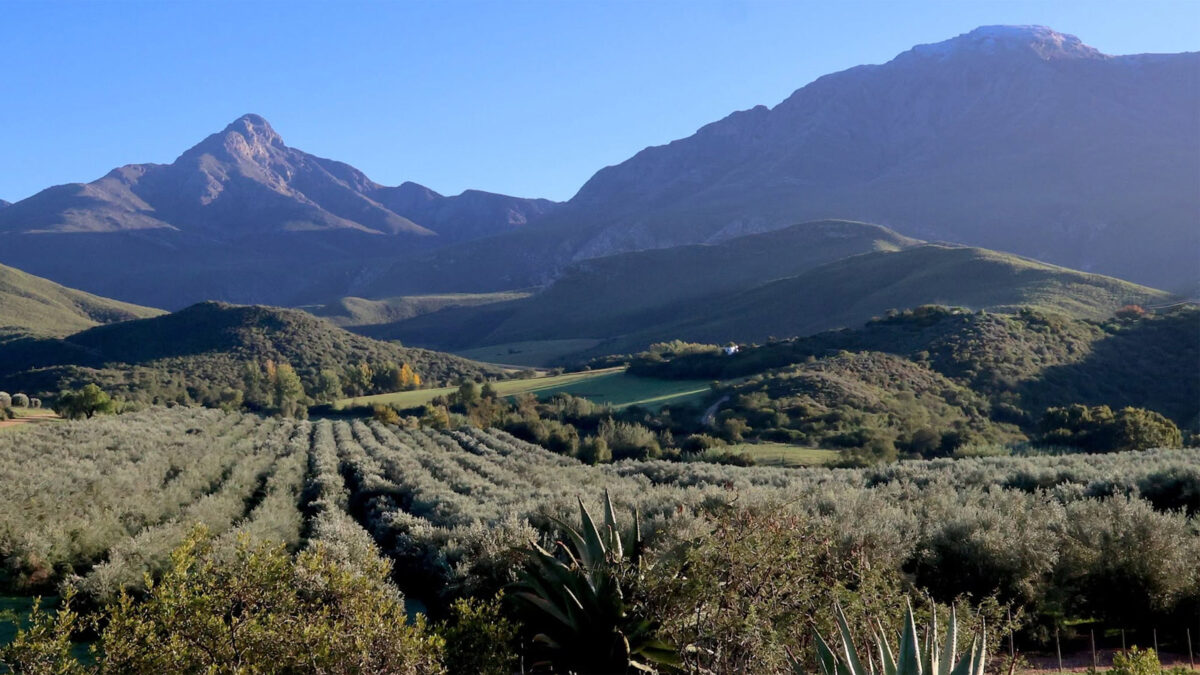
The small Western Cape village of De Rust is located around 35 kilometres from Oudtshoorn, at the bottom of the Swartberg Mountain Range.
It serves as the gateway to the Klein Karoo (Small Karoo), linking it to the Groot Karoo (Great Karoo). The name comes from the Dutch meaning “The Rest”.
De Rust is one of the oldest settlements in South Africa, with the earliest mention of the name dating back to 1765, when the farm ‘De Rust’ was allocated to Johannes H. Schoeman.
It changed hands several times – first to R. van Jaarsveld in 1787 and then to a wealthy landowner named Marthinus Bekker in 1812.
He died several years later, and Petrus Johannes Meiring, a man from Worcester who had been working for Bekker, married his widow in 1832.
Meiring thereby took ownership of the farm and several surrounding properties.
At the time, the nearest town was George, and the journey there was a gruelling 85-kilometre trek through harsh terrain.
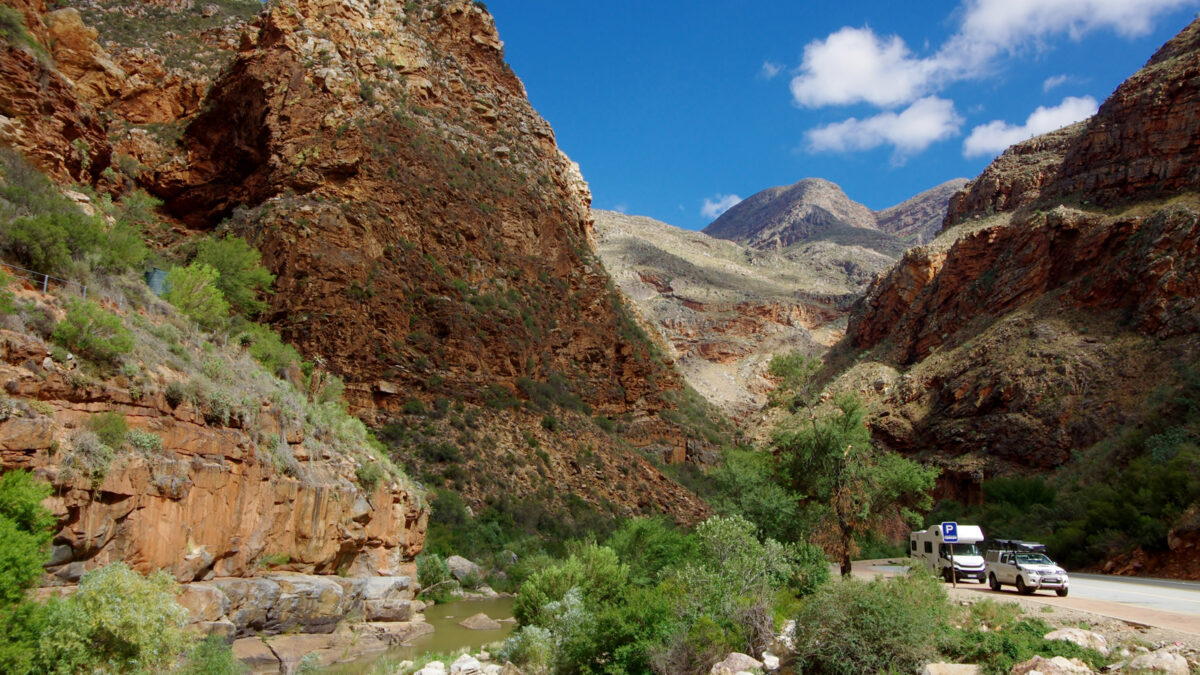
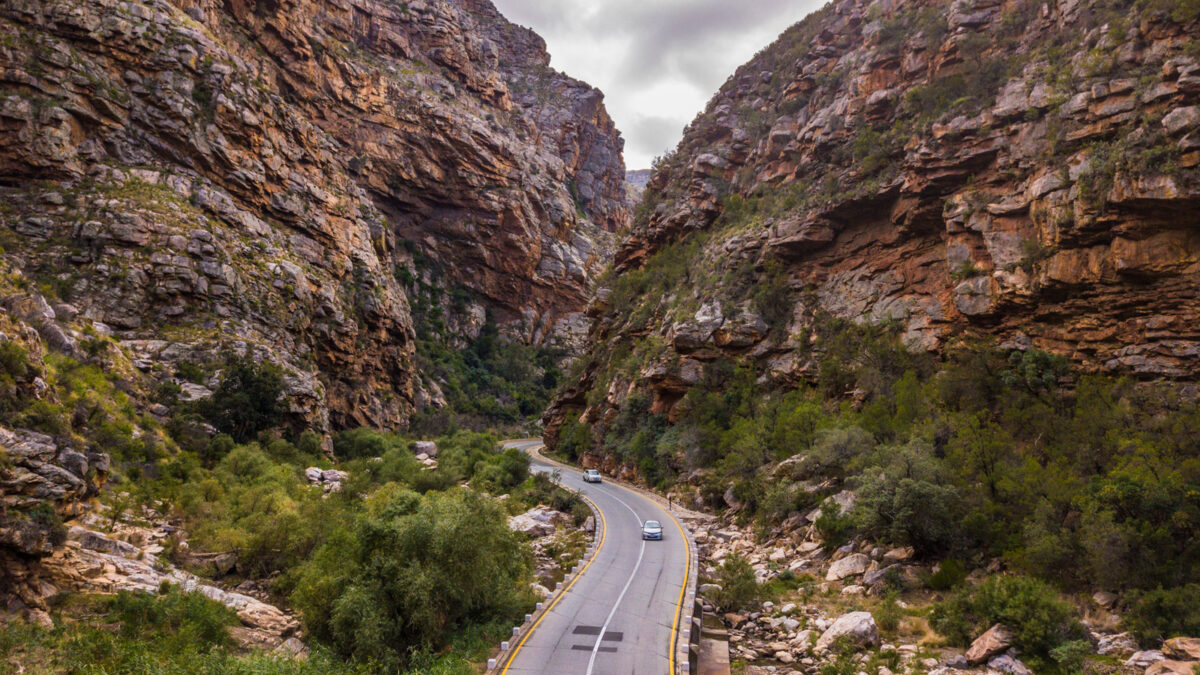
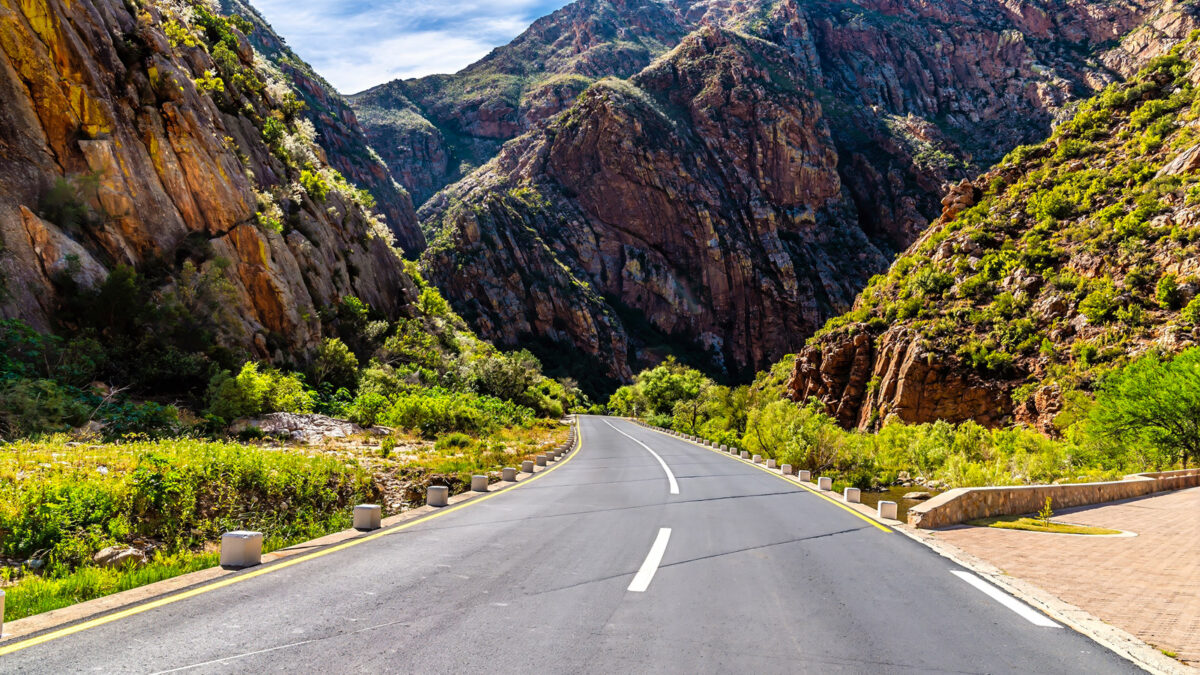
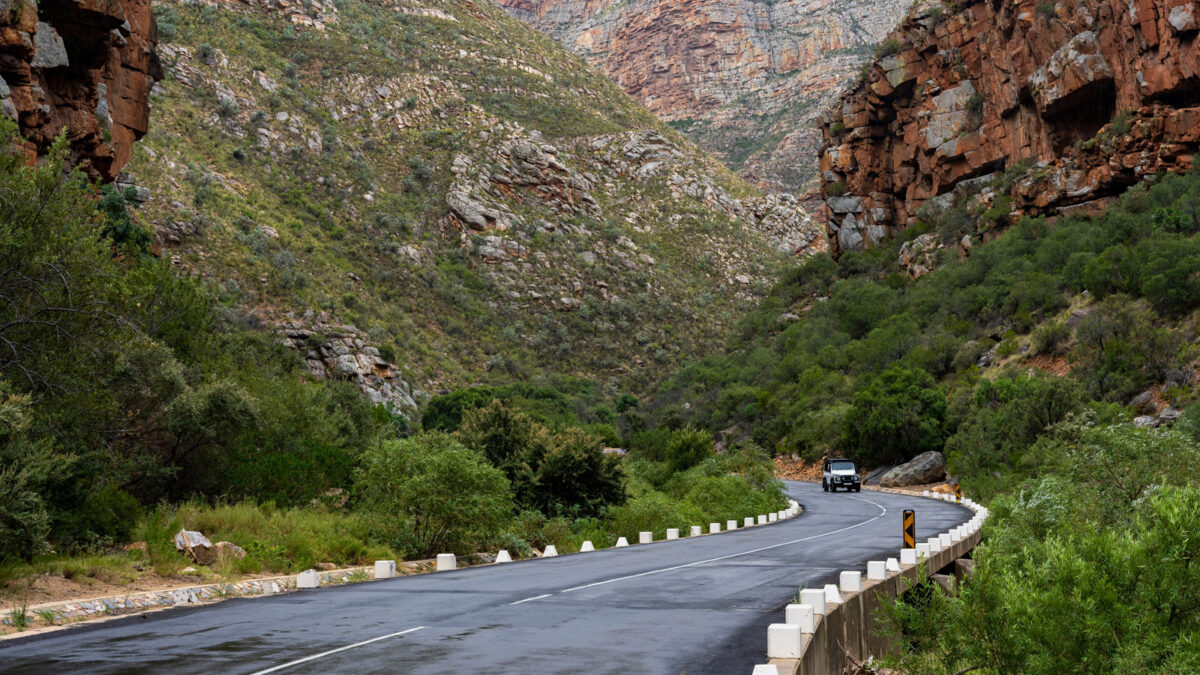
Meiring carved out a path through the river gorge, providing a trade route for farmers that was opened to ox-wagons in 1858 and became known as Meiringspoort.
When Meiring passed away in 1876, a major family dispute over his land led to it being split up and auctioned, with Johannes Jurgens Schoeman and Stephanus D.P. le Roux buying the 1,550-morgen (13.3 square kilometres) De Rust farm in 1899.
Schoeman and le Roux desired to build a church closer to their farmlands, so they secured permission from the Oudtshoorn Church Council and the government to lay out a town.
The official birth of the town of De Rust came in 1900, when 100 water plots and 200 dry plots were put up for auction.
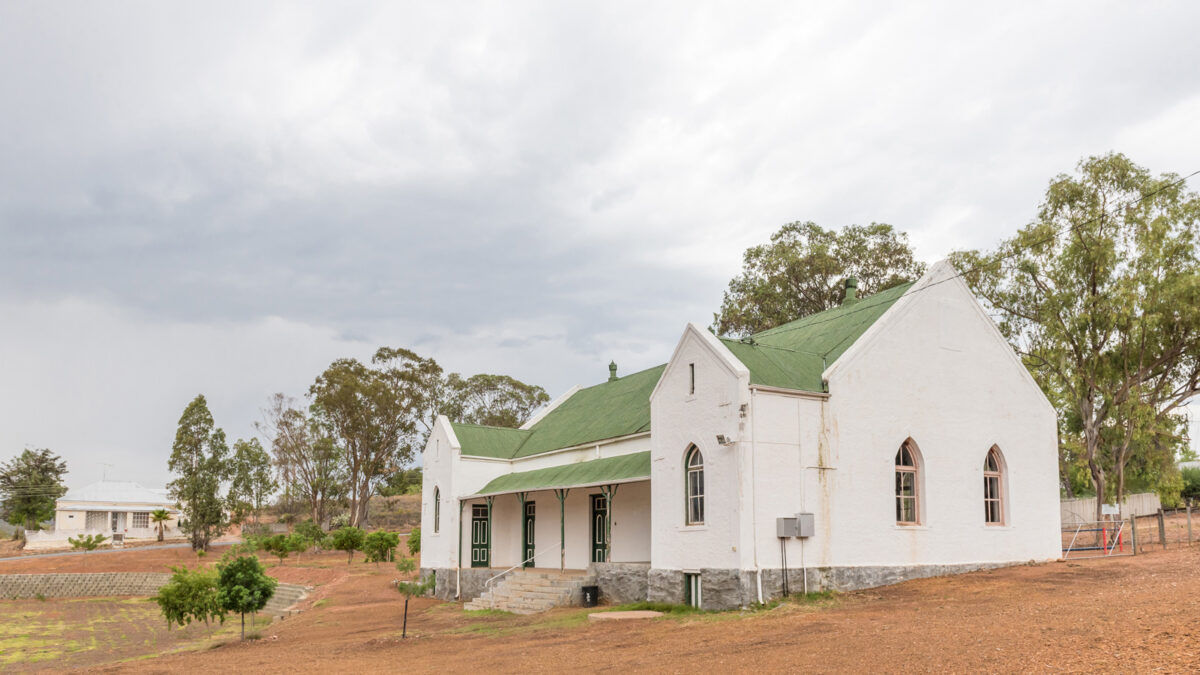
One of the town’s most notable landmarks, the Dutch Reformed Church, was consecrated in 1902. By 1912, the village comprised over 80 houses.
There are several other old buildings that still stand as cultural icons today, including the Old Mill, which was built in the mid-1800s and operated until the 1940s.
The Mons Ruber Winery, which was established in 1854 and served as a tollhouse and hotel for early travellers along Meiringspoort, is today used to produce sweet wines, port, and brandy.
Between 1948 and 1953, Meiringspoort was rebuilt with concrete causeways, and 13 years later, it was tarred.
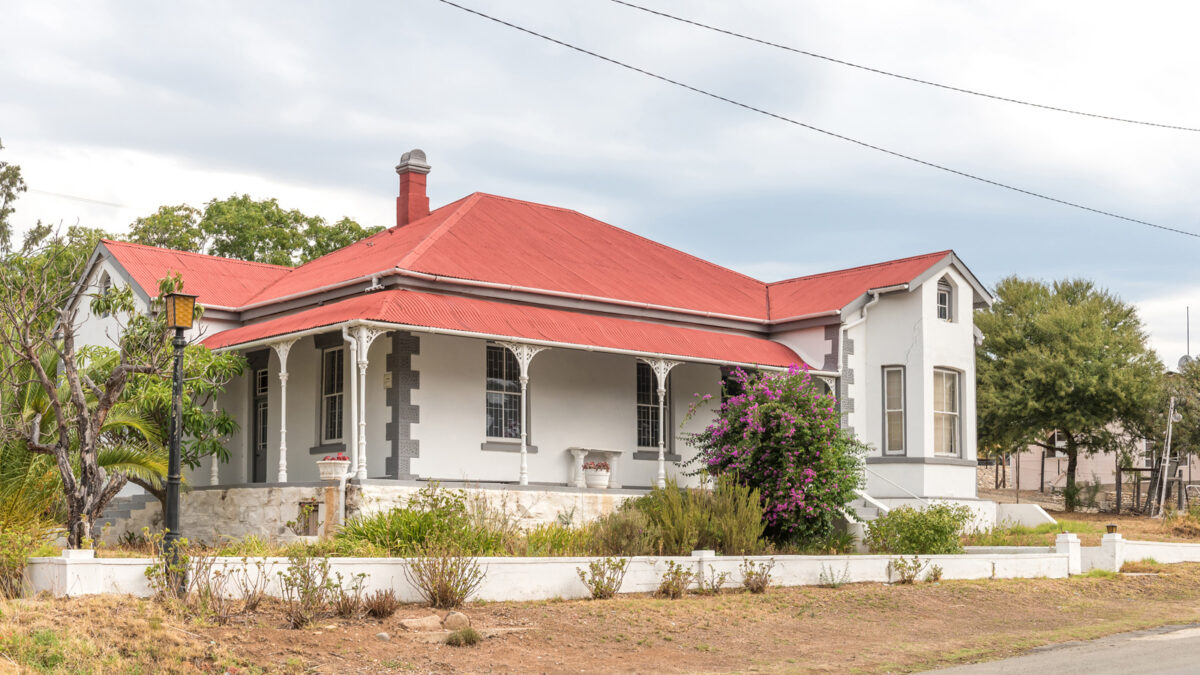
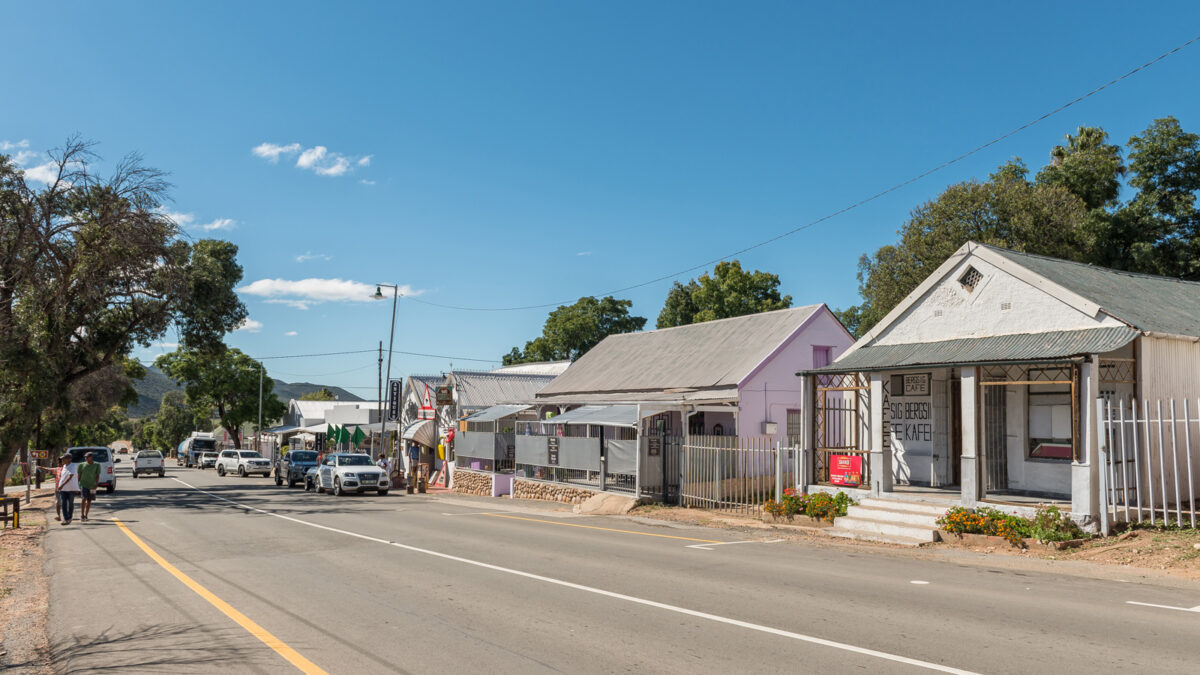
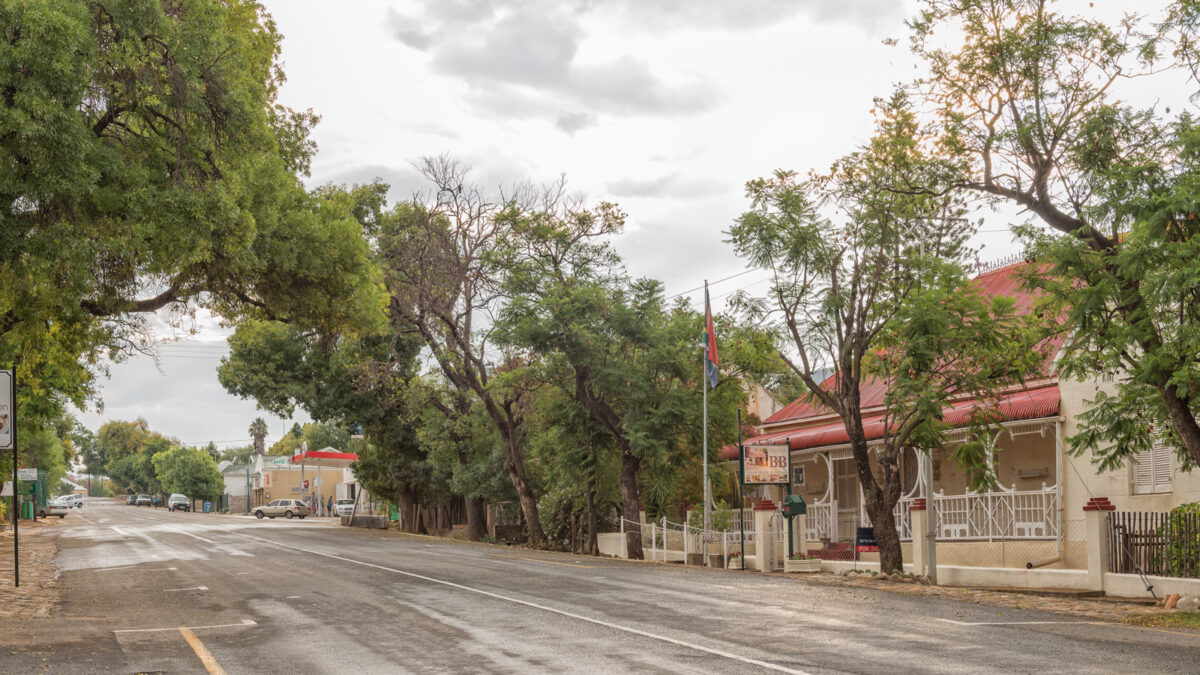
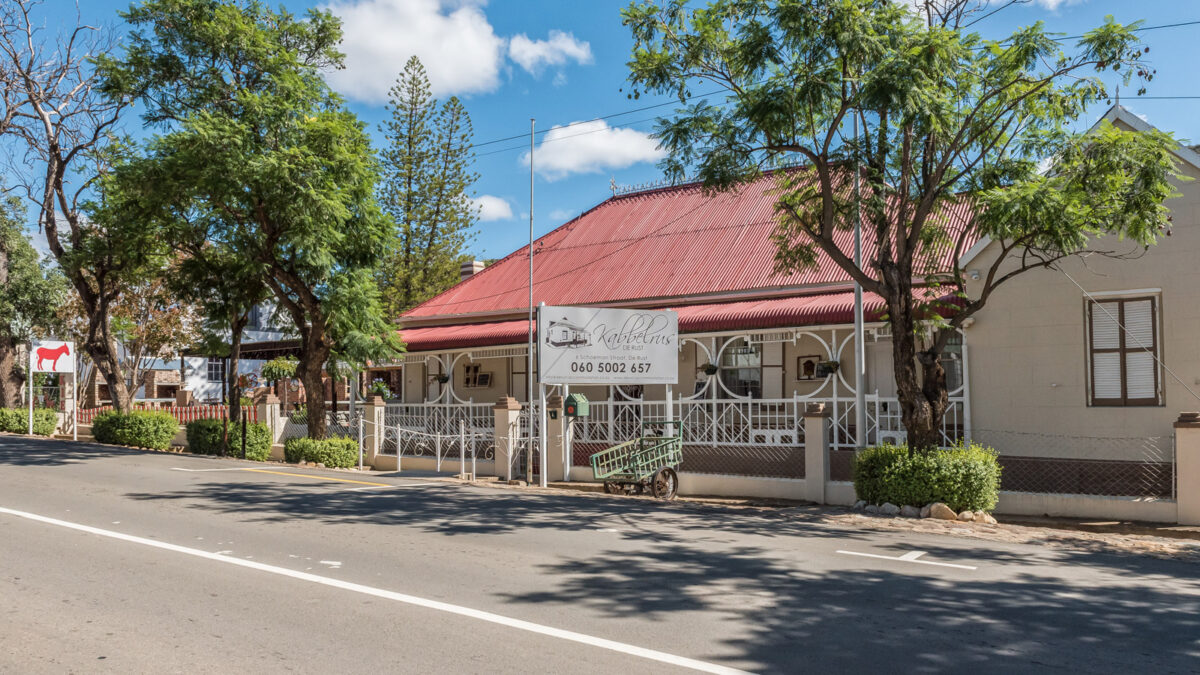
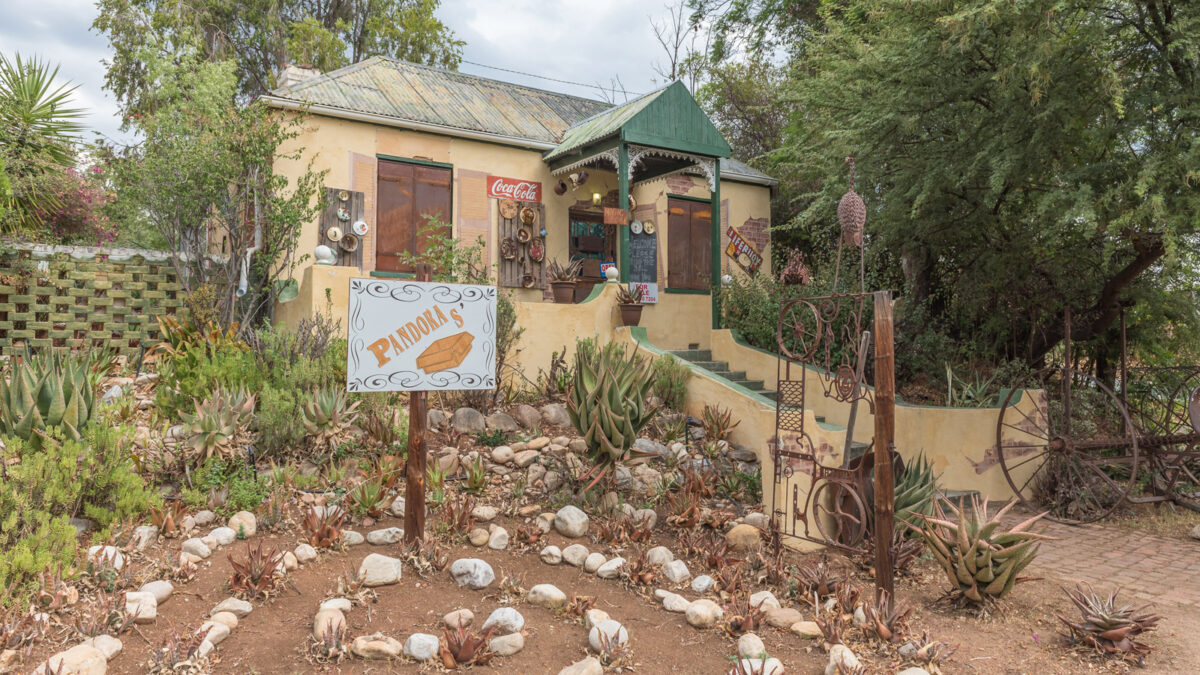
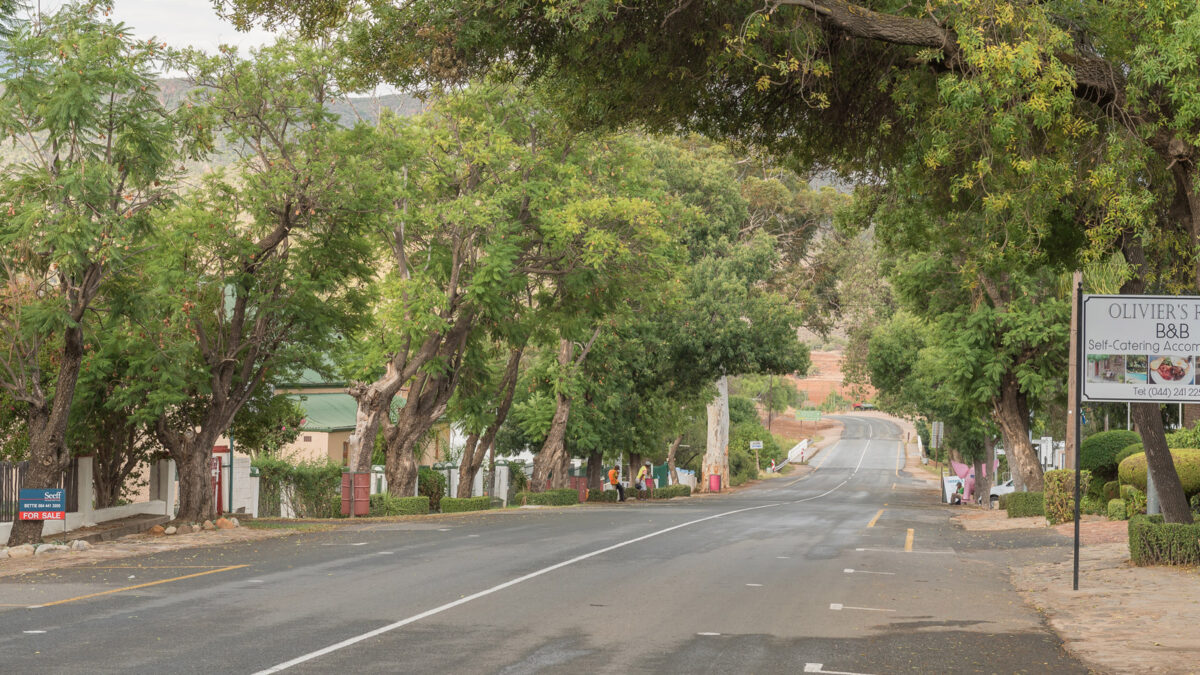
With most of its original buildings still standing, the town remains heavily characterised by its 19th-century Victorian and Neo-Gothic aesthetics.
Water challenges, and the world’s best olive oil
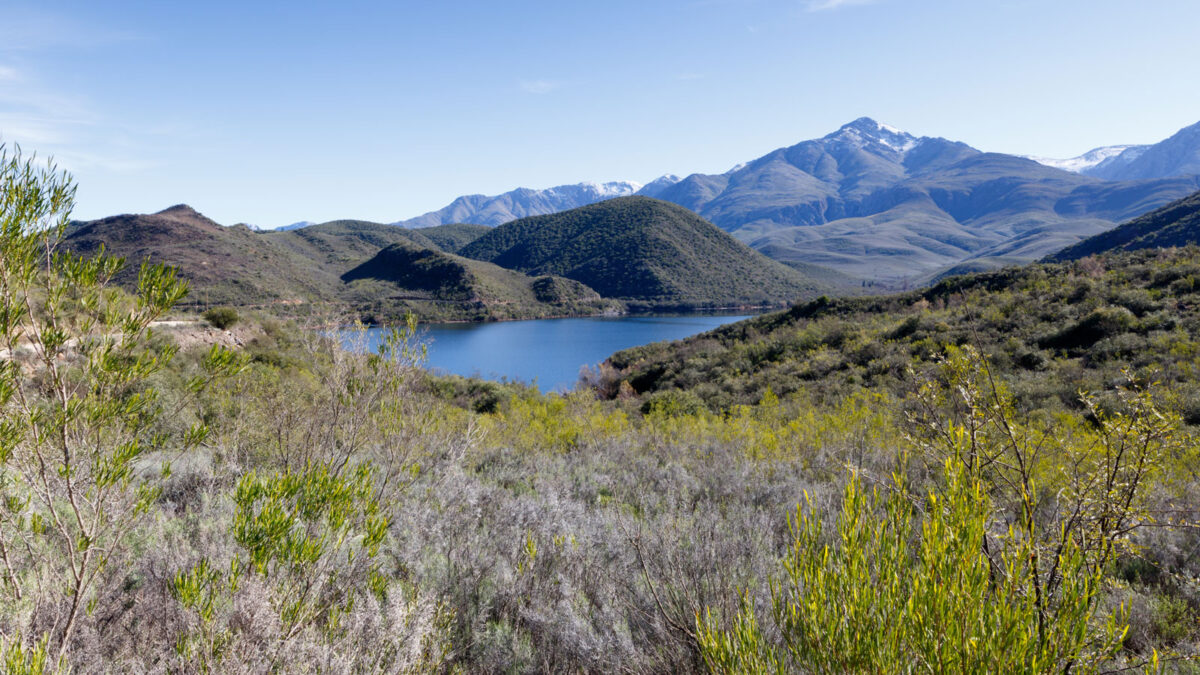
Water supply issues have been a key challenge throughout the town’s history.
It built its own pipeline in 1965 at a cost of R52,000 to supply the village with water, which is fed from the Huis River in the Swartberg Mountain Range.
The system is gravity-fed and runs into holding reservoirs for the town, making it essentially free to run and not beholden to power cuts.
The water is pure, meaning it does not require the extensive filtration and treatment that most South African tap water must undergo – only some chlorination.
De Rust remains heavily dependent on this water supply, but the town’s expansion is pushing beyond the limits of what the pipeline can offer.
Severe droughts cause the river’s flow to drop below sustainable levels, so it does not supply the town with enough water.
More recently, in 2023, to enhance water resilience in parts of the Karoo, the Oudtshoorn municipality completed the Blossoms Emergency Pipeline Project.
This involved a 23-kilometre, 315mm pipeline to extract groundwater and tap it into the regional water network.
The pipeline primarily supplies Oudtshoorn but also alleviates the burden on the Klein Karoo Rural Water Supply Scheme (KKRWSS), which serves De Rust.
When the town’s water supply from the Huis River drops too low, the Oudtshoorn municipality switches to the KKRWSS.
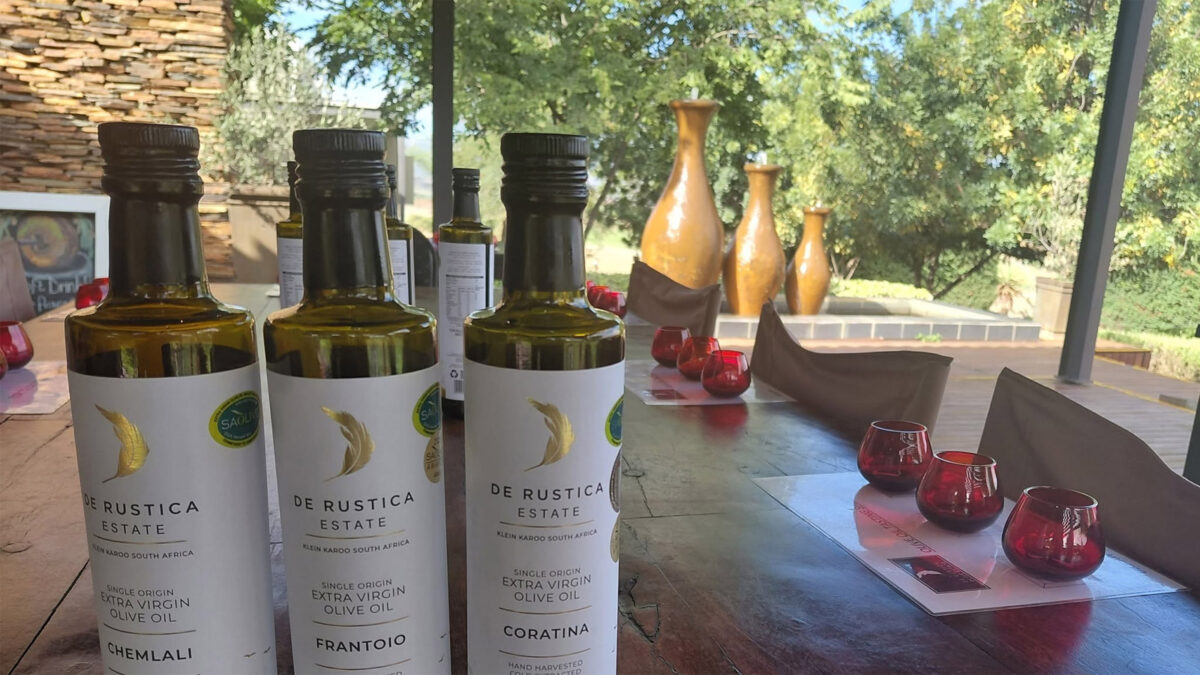
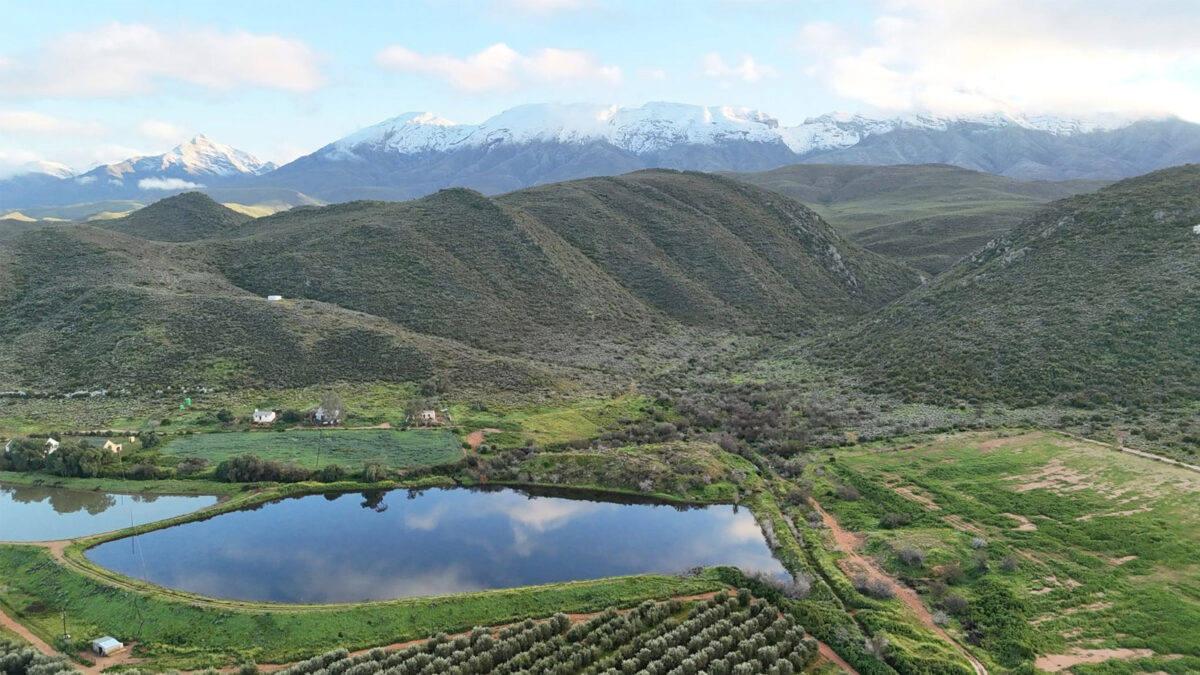
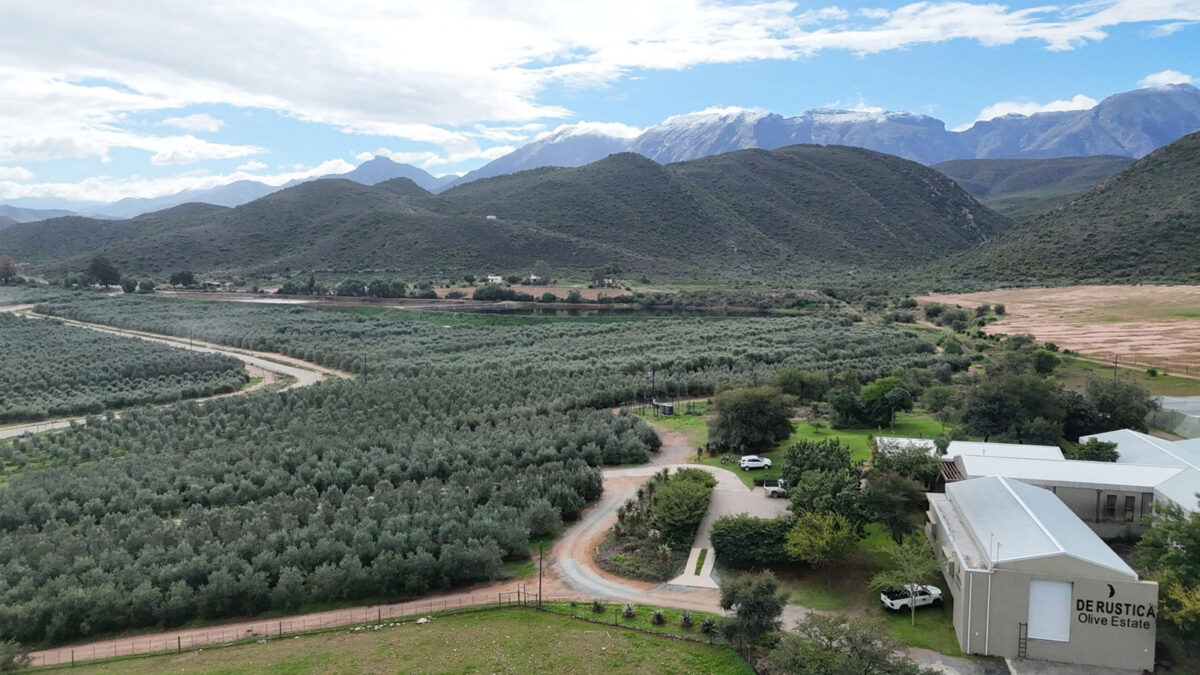
Despite its water challenges, De Rust is home to the world’s best olive oil producer – De Rustica Olive Estate.
The olive estate was founded in 2006 by Rob Still, a South African mining entrepreneur.
It focuses on extra-virgin olive oil and lamb production.
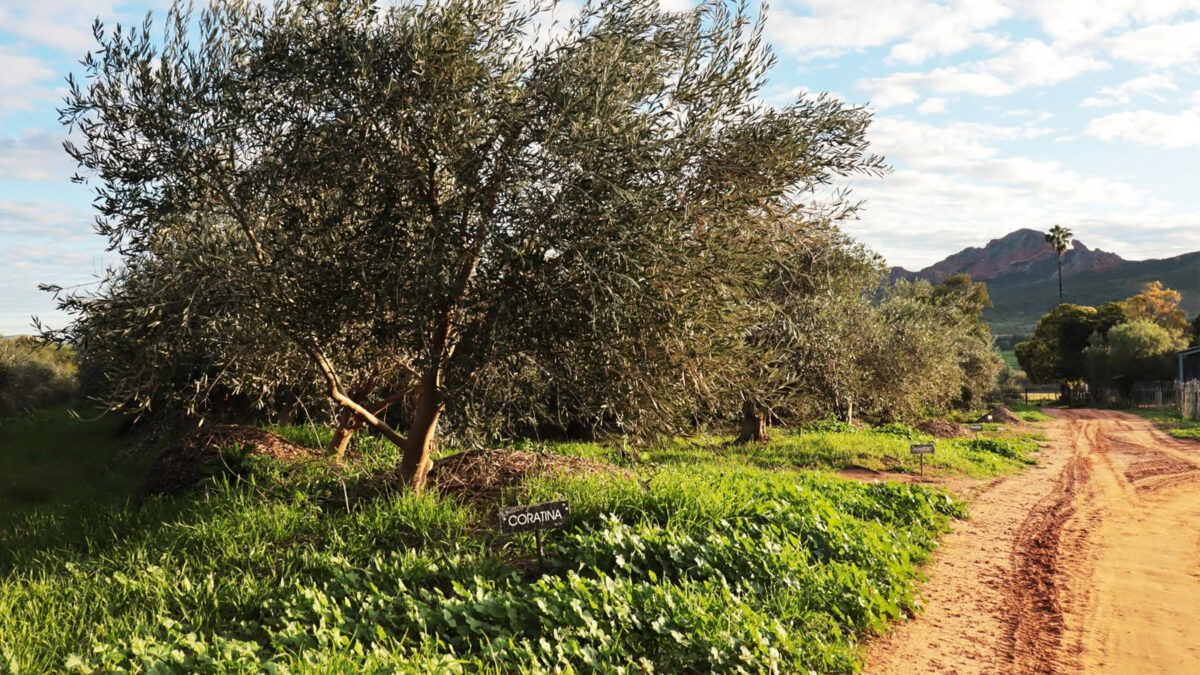
De Rustica’s Coratina Extra Virgin Olive Oil took first prize in the small-scale producer category at the 2026 International Olive Council (IOC) Mario Solinas Quality Awards for the Southern Hemisphere.
This is after taking second place in 2025.
It competed against the world’s leading olive oil producers, including Argentina, Australia, Brazil, Chile, and Uruguay.
De Rust also has a few tourist attractions beyond its historical Victorian-style architecture.
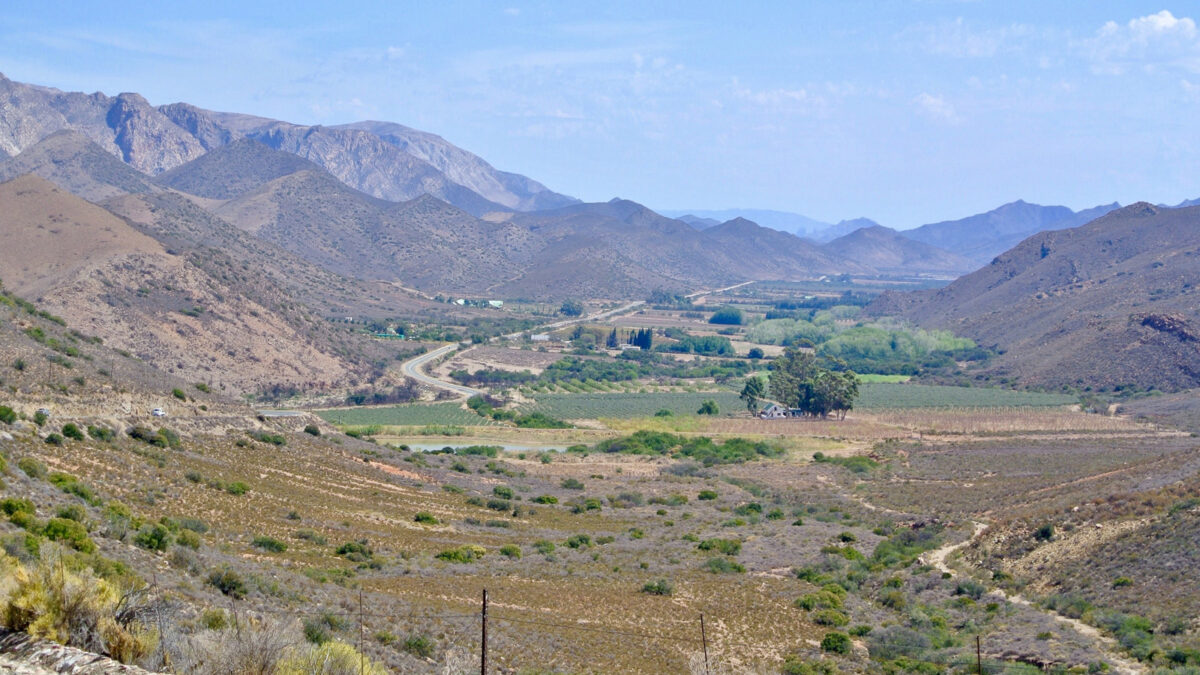
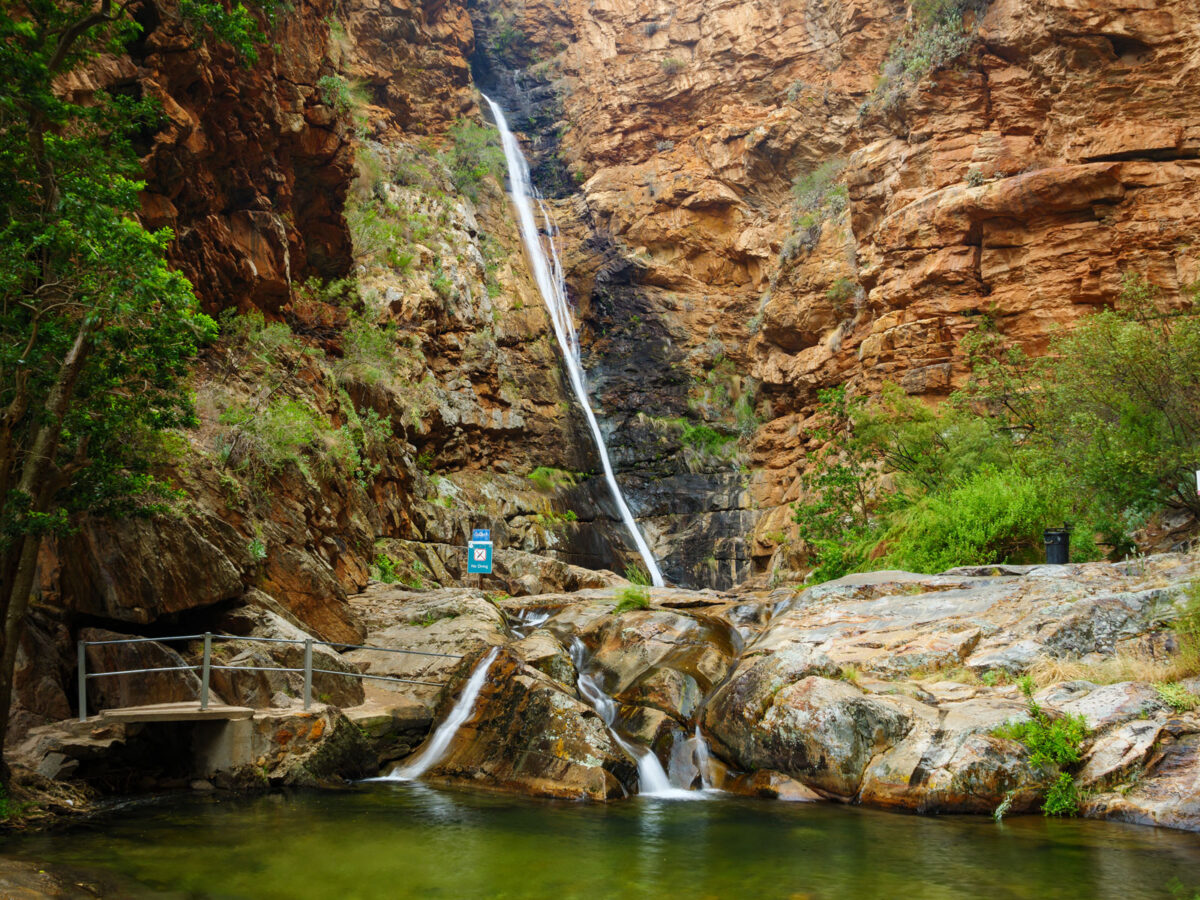
The Meiringspoort pass itself is a popular drive for its scenic views, and a nearby 60-metre waterfall with deep rock pools is also a popular attraction.
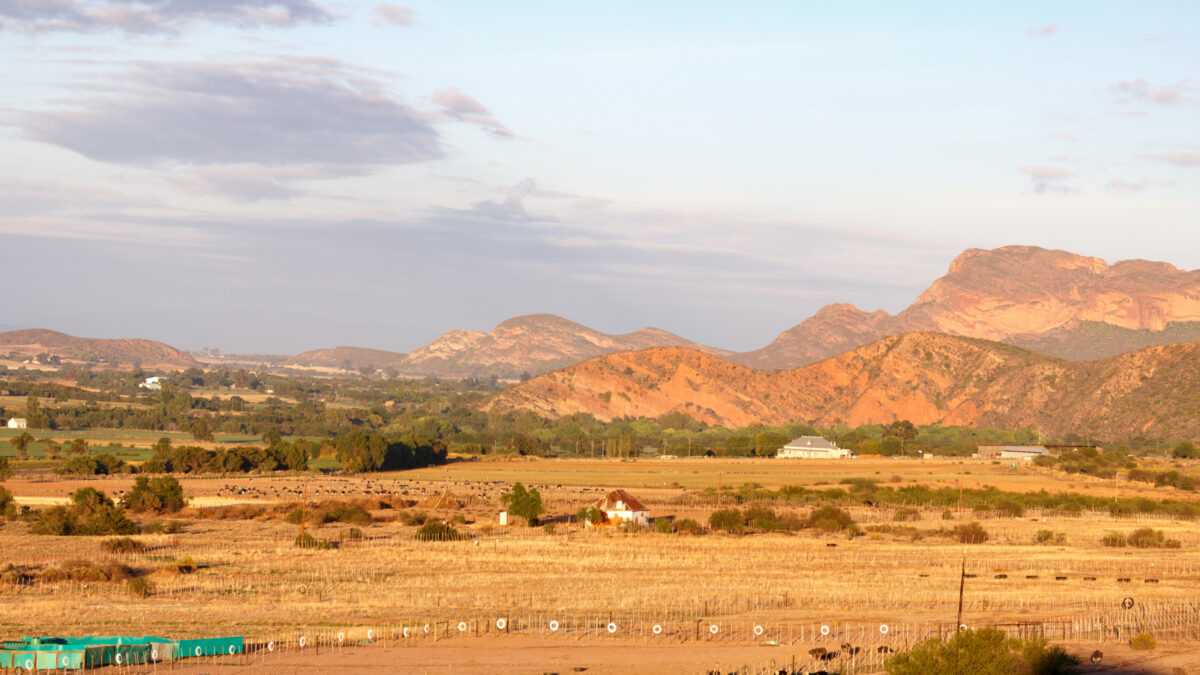
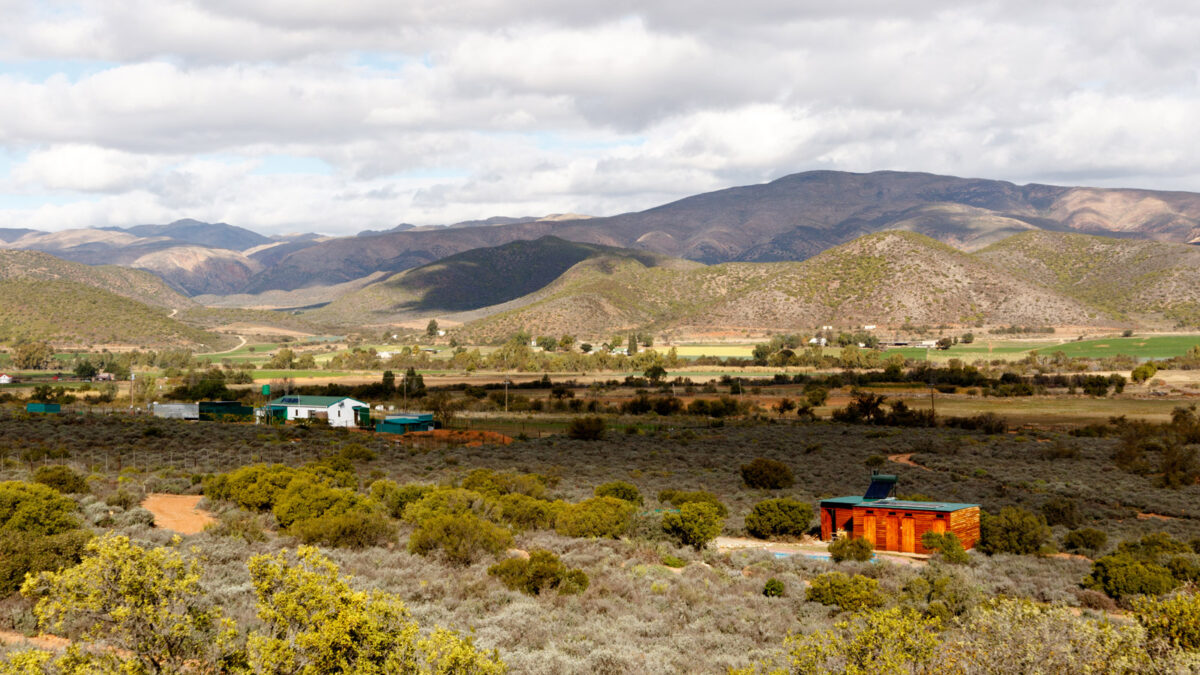
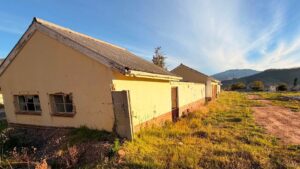
See photos of De Rust, Meiringspoort, and De Rustica Estate below.
Photos of De Rust
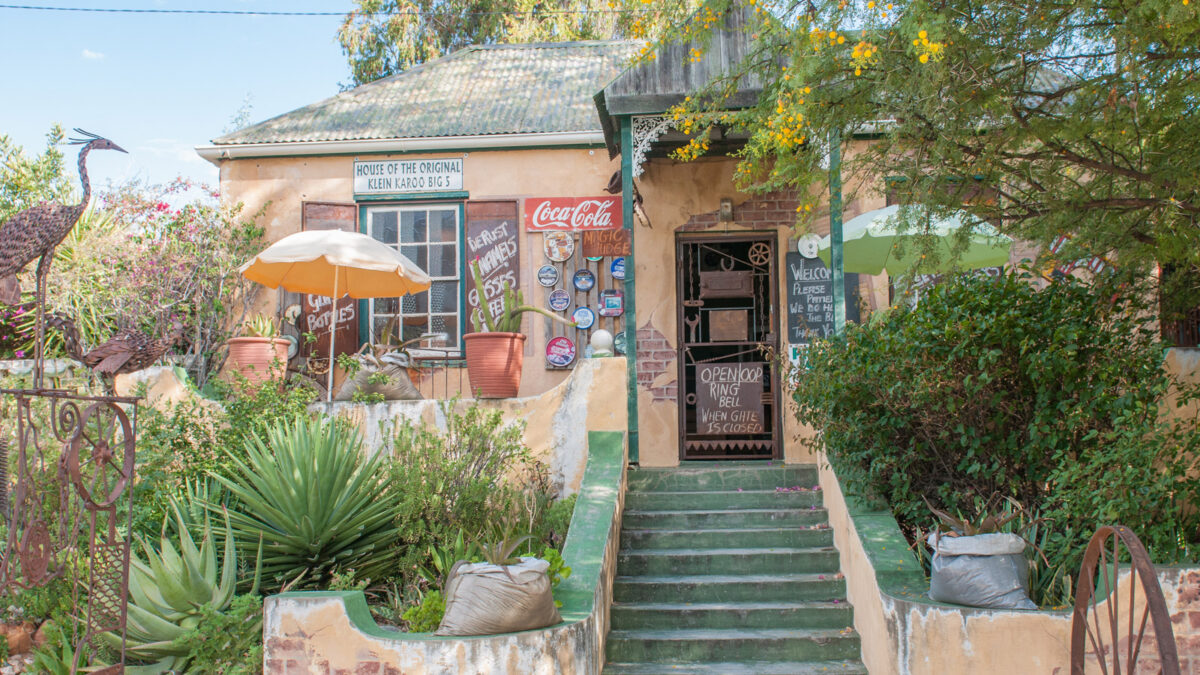
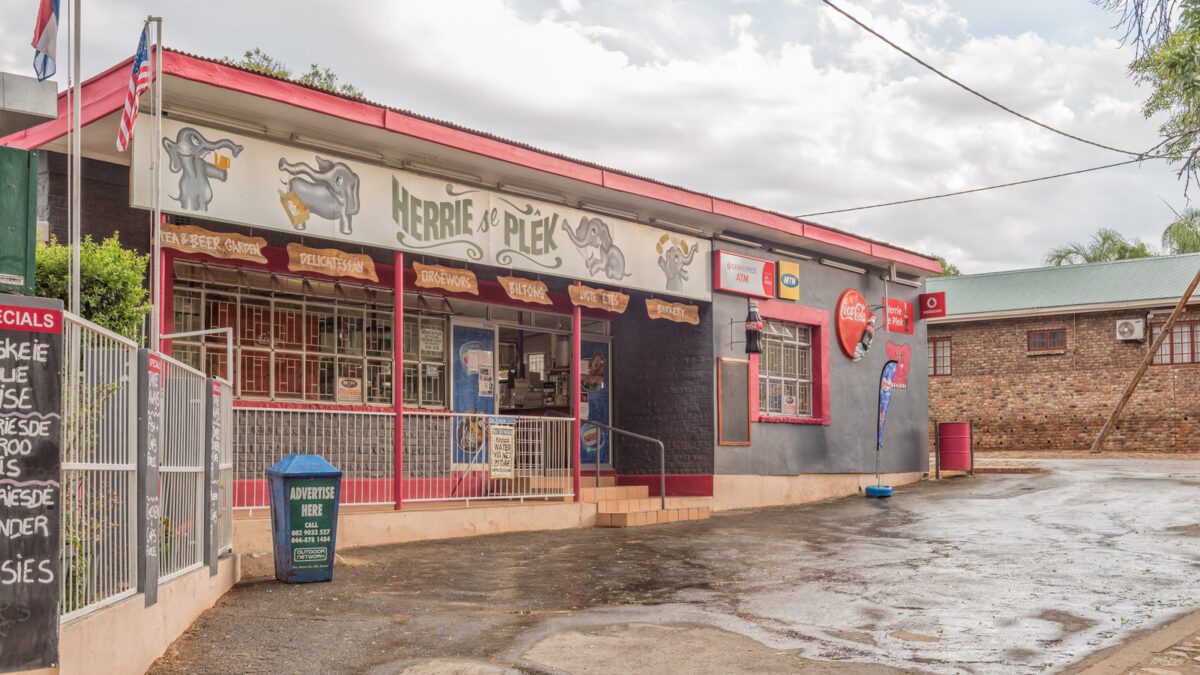
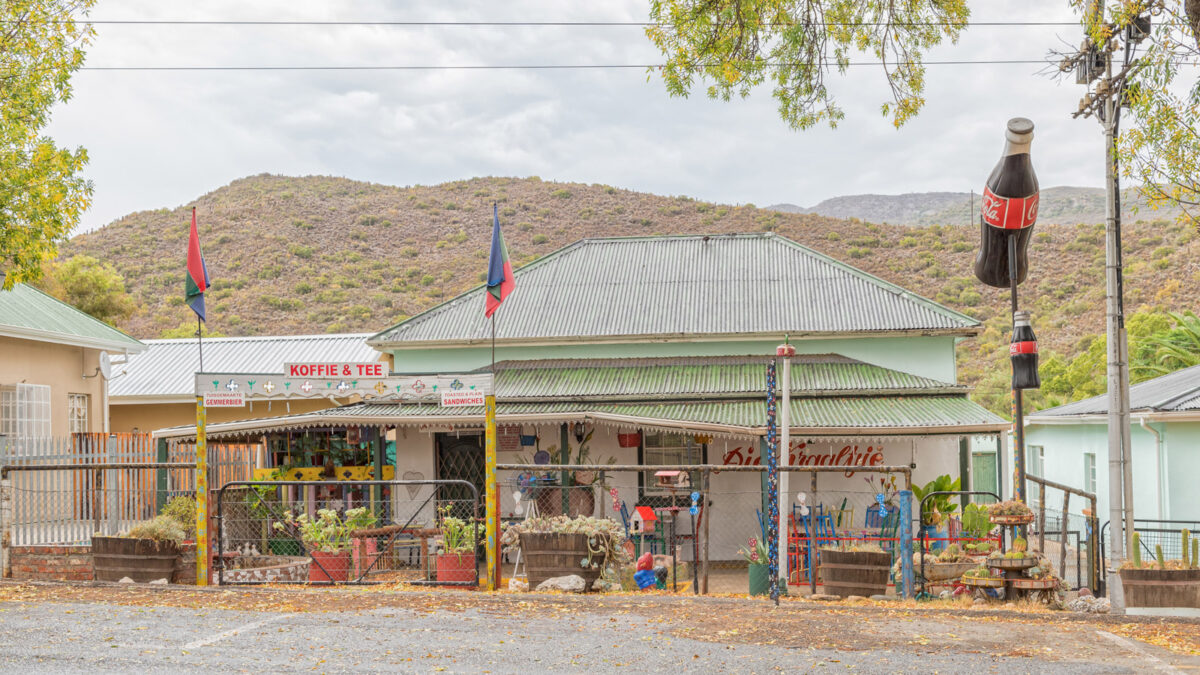
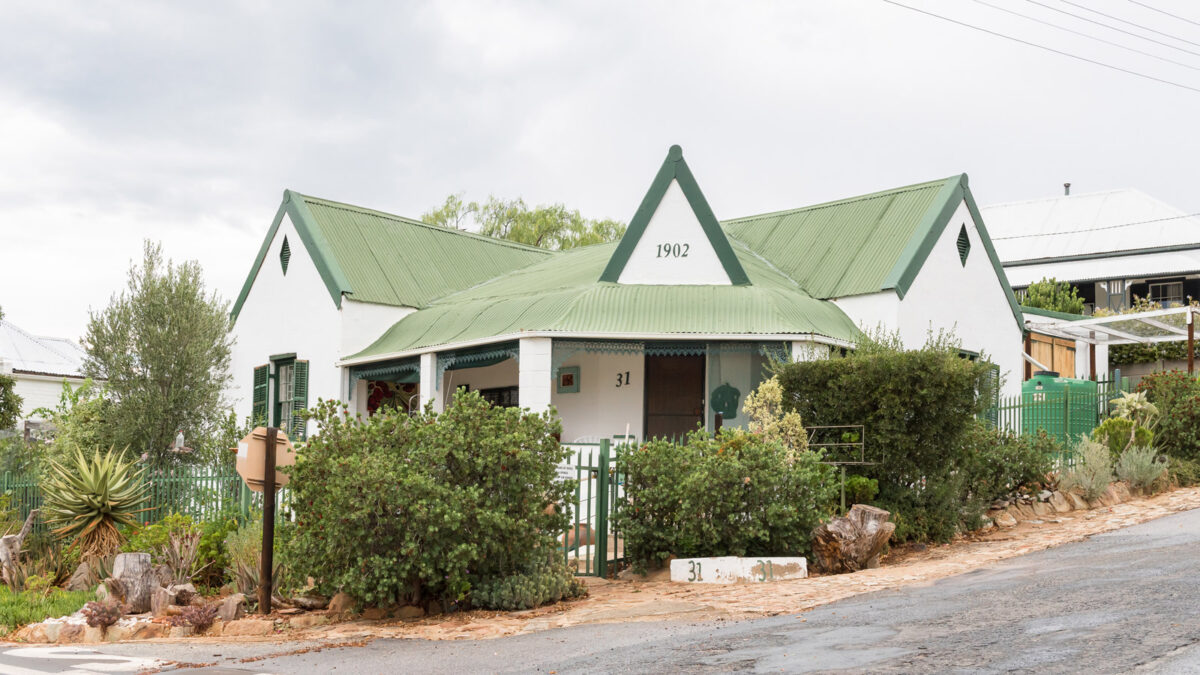
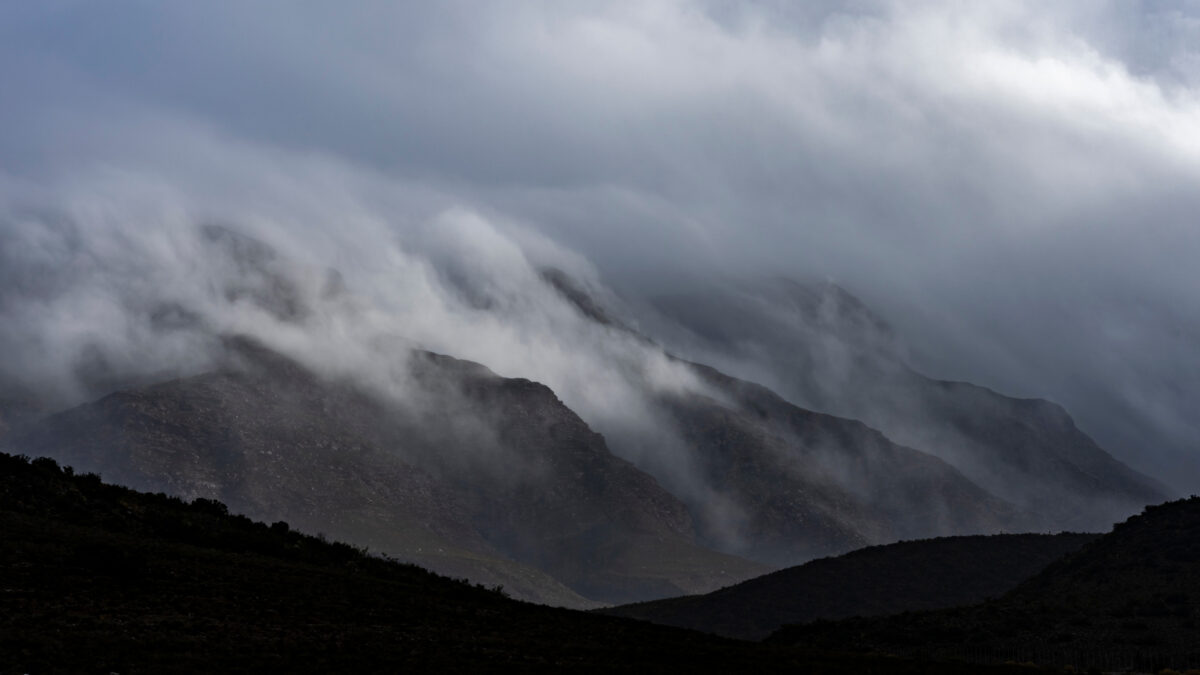
Meiringspoort, through the Swartberg Mountains
De Rustica Estate

 Loading ...