
South African university hit by widespread gastrointestinal illnesses affecting students and staff


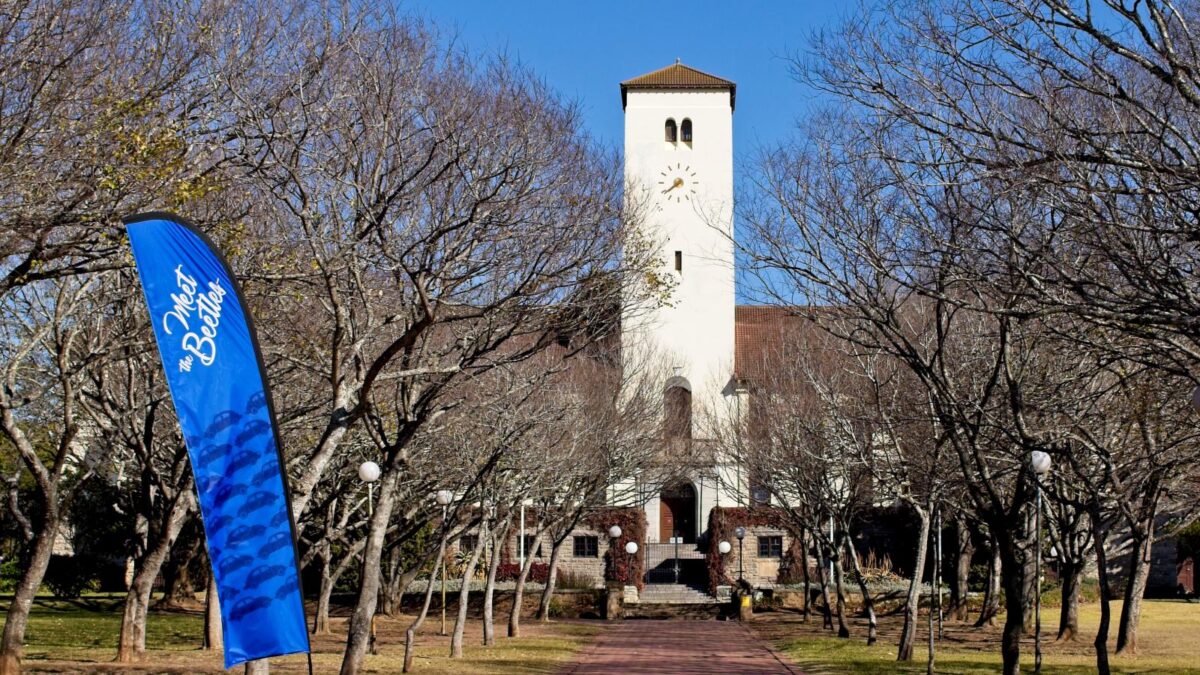
On Tuesday, 20 October 2026, Rhodes University reported a cluster of gastrointestinal illnesses among members of its community.
Subsequent enquiries with local medical practitioners indicate that similar cases are being reported elsewhere in Makhanda, previously known as Grahamstown.
This suggested that the situation may extend beyond the University campus. However, the cause remains unknown.
The University is working urgently with local public health authorities and environmental health practitioners to establish the possible cause and scope of the illnesses.
While investigations are ongoing, precautionary measures have been implemented on campus to contain the illness.
Interventions include water-quality testing at residences, providing safe drinking water in dining halls, and additional precautions in food preparation.
“Reported cases are being monitored, and medical support has been coordinated for affected students,” Rhodes University spokesperson Olwethu Gwanya said.
“As a precaution, staff and students are urged to follow safe water, food-handling and hygiene practices both on and off campus.”
These include drinking boiled and cooled or bottled water and using safe water for food preparation and brushing teeth.
Students and staff are also advised to avoid ice and uncooked food washed in untreated water, and to wash hands regularly with soap and water.
“Anyone experiencing diarrhoea, vomiting, stomach cramps or fever should maintain hydration by drinking safe fluids and seek medical advice,” Gwanya said.
“Urgent medical attention should be sought if symptoms are severe. Students should also notify their warden or sub-warden.”
Widespread water problems in Makhanda
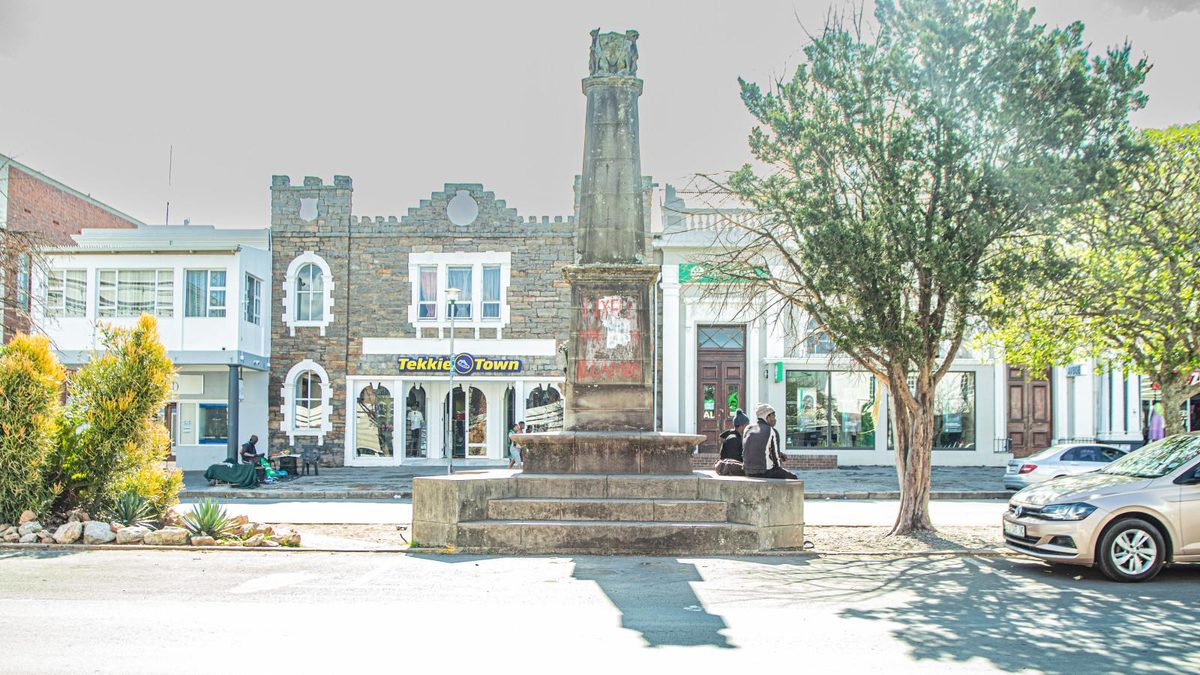
Although the cause of the gastrointestinal illnesses is not yet known, many early indications point towards poor water quality.
Makhanda is no stranger to poor water quality, which is one of the most severe manifestations of the town’s broader service-delivery crisis.
In 2023, the Public Service Accountability Monitor (PSAM) reported that Makana Municipality’s refusal to comply with water laws put people at risk of contracting E. coli.
The Action for Accountability (A4A) Project said that water quality results showed high levels of E. coli bacteria.
The standard requirement for water quality is that E.coli bacteria must not be present in drinking water at all.
The Department of Water and Sanitation (DWS) notice described the February 2023 E. coli levels in Makhanda as posing an acute health risk.
This can result in severe vomiting and diarrhoea, sometimes requiring urgent medical treatment and hospitalisation.
“The Department of Water and Sanitation notice shows clearly that there is serious non-compliance by Makana Municipality,” A4A said.
“Residents’ health and well-being have been put at risk by government officials who have failed to fulfil their legal responsibilities.”
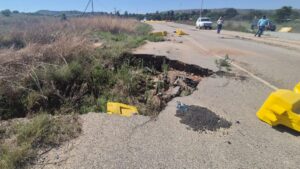
This should not come as a surprise, as Makhanda’s water network suffers from recurring sewage spills due to blocked, broken, or ageing wastewater mains.
Because municipal water pressure drops to zero during scheduled shut-offs or rationing, a vacuum forms in the pipes.
Damaged potable water pipes pull in sewage-contaminated groundwater and urban runoff through leaks and cracks.
When water flow resumes, this contaminated water flows straight to domestic taps, which causes health problems.






 Loading ...