
South Africans across South Africa are owed R88 billion in unclaimed assets


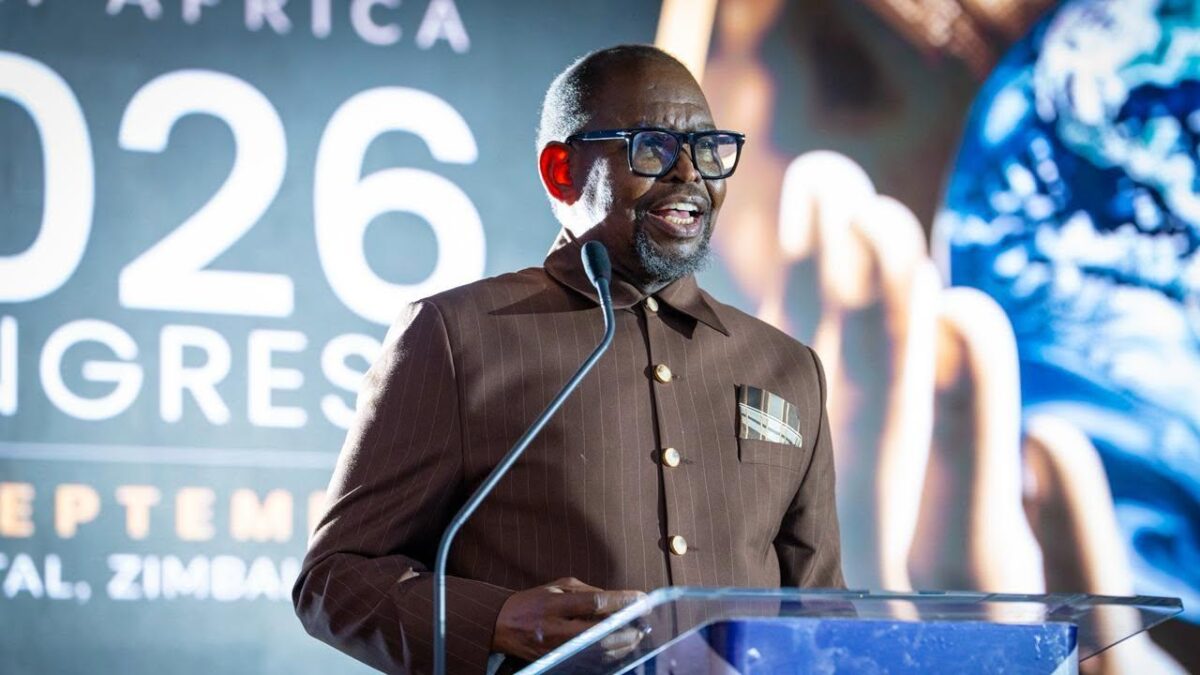
Finance Minister Enoch Godongwana has provided details about a new plan to address the R88 billion in unclaimed assets in South Africa.
Unclaimed assets, also known as unclaimed benefits, refer to money that belongs to a member, former member, or beneficiary but hasn’t been paid out.
The reason the money is not paid out, typically linked to a retirement or pension fund, is that the fund can’t reach the member.
The problem of reaching a beneficiary can be due to their contact details changing, a job change, or them not realising they had money waiting.
Godongwana explained that there is no consistent legislative framework to define and regulate unclaimed assets across the financial sector.
In addition, tracing standards and requirements are not uniformly prescribed, leading to differing approaches among financial institutions.
The National Treasury released a proposal to establish a framework for managing unclaimed assets. The proposal envisages:
- A standard definition of unclaimed assets across the financial sector.
- Consistent tracing and reunification requirements.
- The transfer of unclaimed assets to a central administrator.
- The use of broader data sources available to the central administrator, including government databases, to support further tracing and reunification efforts.
“The proposal further envisages that assets transferred to the central administrator would be invested through the Corporation for Public Deposits,” he said.
This will be a wholly owned subsidiary of the South African Reserve Bank, while remaining available for payment to verified owners and beneficiaries.
“The overarching objective is to increase the number of owners and beneficiaries who are successfully reunited with their assets,” he said.
Some assets have been unclaimed for decades despite tracing efforts. In such cases, consideration may be given to introducing a statutory cut-off period for claims.
The rationale for a cut-off period is that, after an extended period and exhaustive tracing efforts, certain assets may be considered effectively untraceable.
“This remains a policy proposal and will be subject to further consultation and legislative processes,” he said.
See if you are owed money from unclaimed benefits
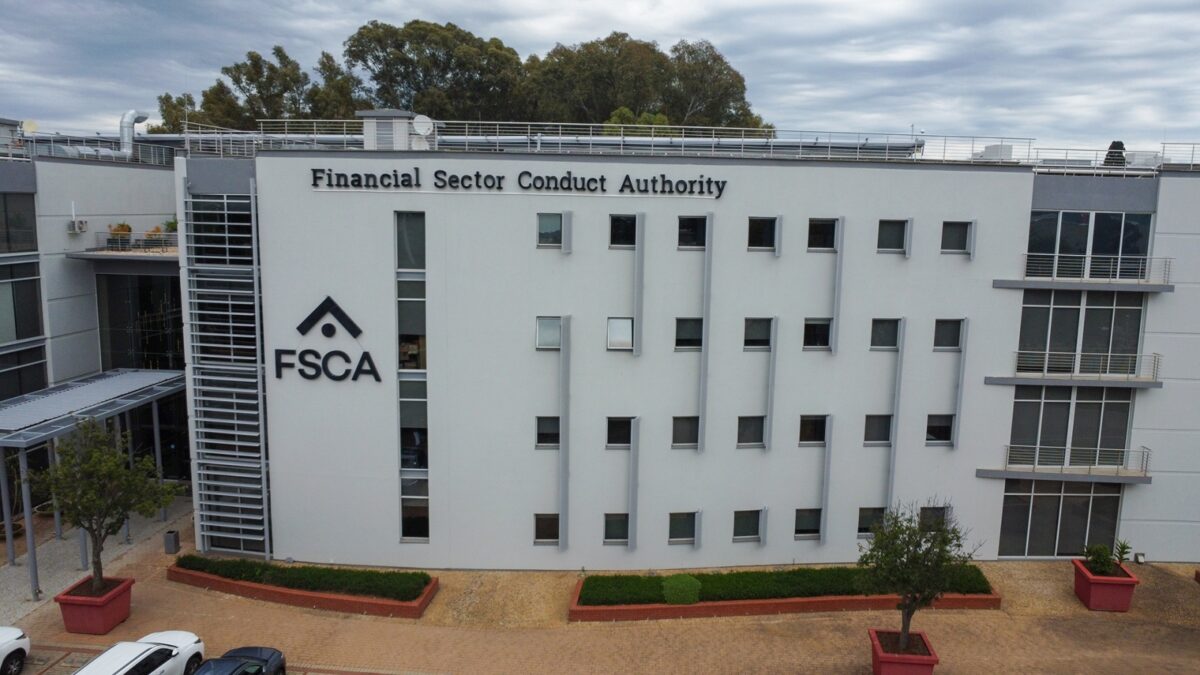
The Financial Sector Conduct Authority (FSCA) makes it easy for South Africans to check whether they are owed unclaimed benefits.
The FSCA explained that if a person has been a member of a South African retirement fund, even as far back as 1981, they may still be entitled to a benefit.
“If the fund’s rules provide that you can claim this amount, the fund can pay these unclaimed benefits into a pension or provident fund,” the FSCA said.
After this has happened, the fund’s member or his beneficiaries can claim the unclaimed benefit.
The Registrar of Pension Funds provides a central database on the FSCA website for South Africans to check whether they have unclaimed benefits.
For this check, people must provide their name, surname, identification number, fund name, and employer name.
When a match is successful, the person will be provided with the fund’s contact details or those of the administrator.
The table below outlines the ways South Africans can check whether they have unclaimed benefits.
| Search Channel | Link / Contact Details |
| Online Searches on the FSCA Website | Click here |
| Submit an enquiry to FSCA | Click here |
| Email Enquiry – ID Number | [email protected] |
| Email Enquiry – General Request | [email protected] |
| SMS Enquiry – ID Number | 30913 |
| SMS Enquiry – General Request | 30766 |
| Fax Submissions | 086 578 1183 |
| Toll-free Telephone Enquiries | 0800 20 3722 (toll-free) |
| Walk in clients | River Walk Office Park, Block B, 41 Matroosberg Road, Ashlea Gardens |
| Written Enquiries | PO Box 35655 Menlo Park Pretoria 0102 |





 Loading ...
The cost of getting this money too much for those who are living hand to mouth and working from 04h00 to 19h00 every weekday.
It cost me 5% of my disbursement and many emails and phonecalls to get what I was due. And I have massive free time and access to all types of communication. But still had to trust some nameless person who contacted me and fill in very personal information.