
South African gold medallist threatened with a R856,000 fine and was not paid her winnings for a year


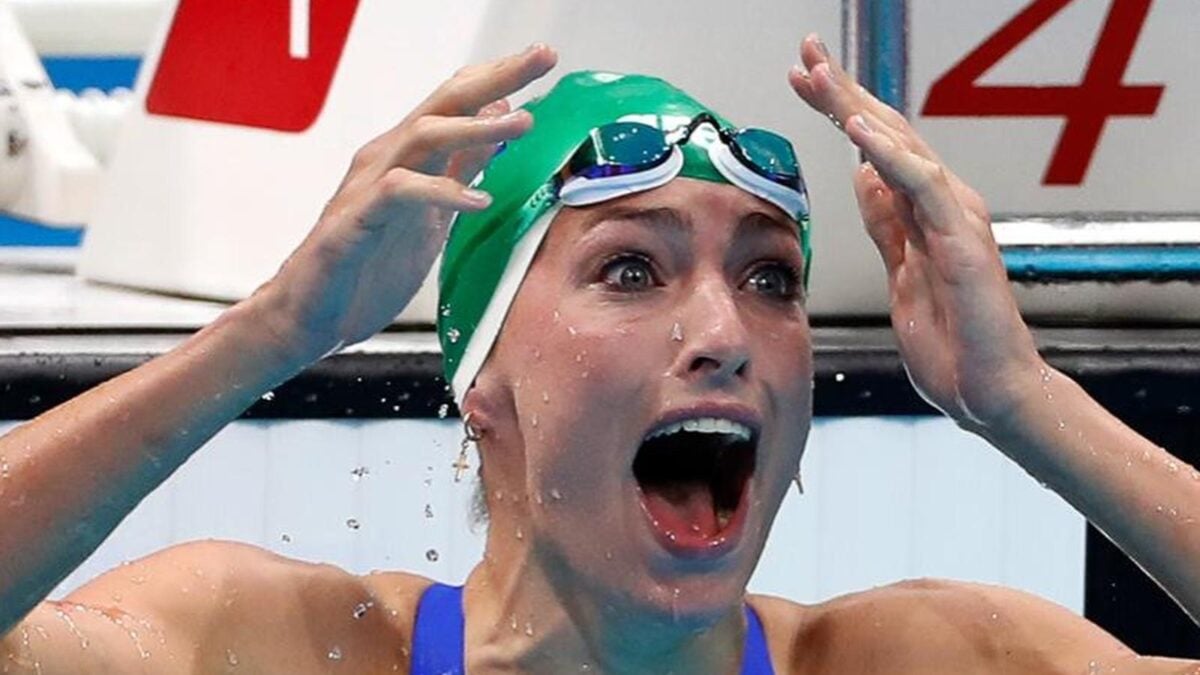
Tatjana Smith, South Africa’s most decorated Olympian, was threatened with a substantial fine and had to fight for money owed to her after her gold medals.
She shared her experience with Biznews, which showed the struggle which South African athletes face at the hands of local sporting authorities.
Smith described a stressful situation involving Swimming South Africa (SSA), her personal sponsorship commitments, and compulsory team gear requirements.
On the eve of her race at the 2023 World Aquatics Championships, she received a message stating that athletes were required to wear Arena gear.
She explained that as a professional swimmer, her primary source of income was her personal sponsorships and contract with Speedo.
Swimmers do not get paid by the national federation for wearing the team kit, so violating her Speedo agreement meant forfeiting her income.
Additionally, she had trained exclusively in Speedo suits and had never raced or trained in Arena suits.
“New and uncomfortable gear was the last thing I needed to worry about before trying to win a gold medal at the World Championships,” she said.
As such, she swam in her Speedo suits at the event. She won gold and silver medals for South Africa at the 2023 World Aquatics Championships.
Instead of rewarding Smith for her achievements, Swimming South Africa fined her €46,000 (R856,000) for non-compliance.
To rub salt in the wounds, they also did not pay her the $35,000 prize money she was owed because of her performance.
World Aquatics paid medal prize money directly to national federations to distribute to athletes, and Swimming South Africa withheld these funds from her.
Tatjana Smith fights back
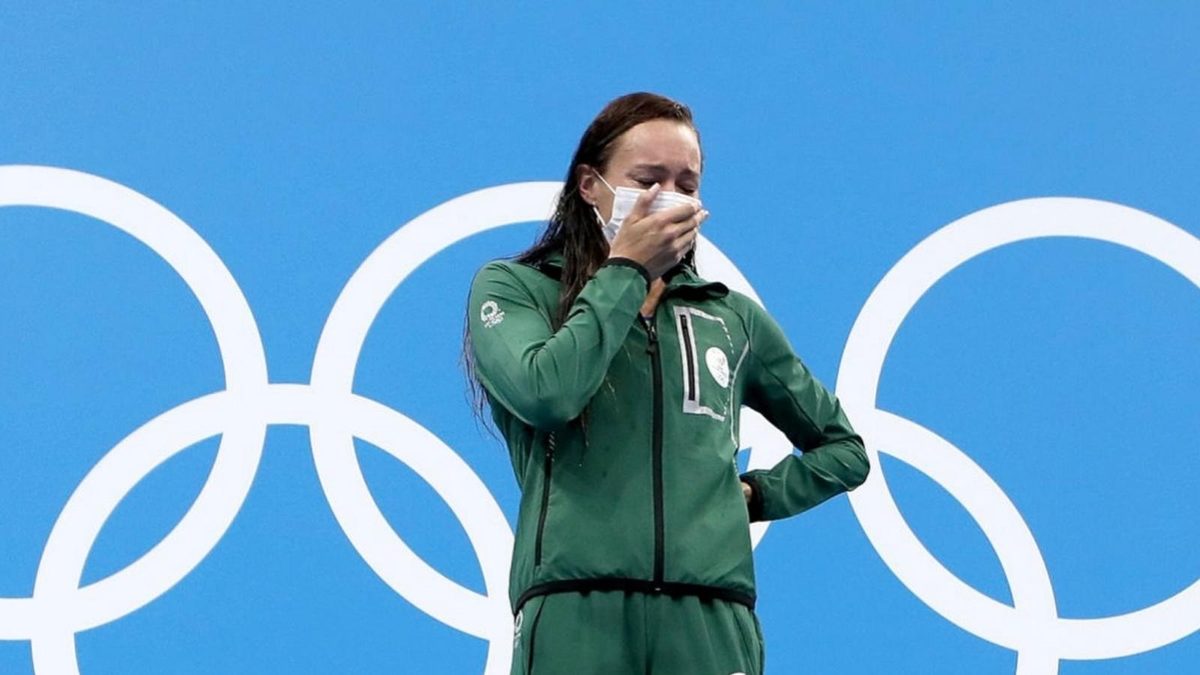
Tatjana Smith did not take this behaviour from Swimming South Africa lying down, and she addressed the issue with them.
Smith and her legal team took legal action to recover her prize money plus interest from Swimming South Africa.
They also submitted a Promotion of Access to Information Act (PAIA) request to see the actual underlying contract between Swimming South Africa and Arena.
Initially, Swimming South Africa did not budge. They held on to the prize money for a year without disbursing it to her.
This situation was not easy. She explained that it was not easy to fight the organisation as it could ruin her career.
“I couldn’t actually stand up because there was a chance that if an athlete took legal representation, they could be suspended from membership,” she said.
“That meant I wouldn’t be able to compete for my country if I got lawyers involved to defend my rights.”
“It was a really tough situation, especially right before the Paris Olympic Games. I said let’s leave this and address it after Paris. It’s just too much pressure.”
To her surprise, she received the principal $35,000 prize money on 1 August 2024, during the 2024 Paris Olympic Games.
Following her press conference after winning silver in the 200m breaststroke, Swimming South Africa’s operations manager approached her husband, Joel Smith.
He presented proof of payment showing that the base prize money had finally been transferred. However, it excluded the interest.
Curiously, Swimming South Africa’s operations manager claimed that he kept the interest as a “management fee.”
Smith and her legal team are now fighting for the interest, saying that keeping an athlete’s interest as a self-allocated fee or bonus was unacceptable.









 Loading ...
Yet again, corruption to its max. Now does this thing happen in Rugby, Soccer or Cricket?
Nope, only to the smaller sports groups. Why you ask it’s because they have no powerful sponsorship or backing. So they get swept away and threatened to a point where they must just accept what ever is given to them.
Nvm Gaylord, what is the other parties doing to help or change this?
People say there is a lot of red tape and you can not mess with another department, I say bull to that.
If you can’t do your job get out and get someone who can.