
1 million South Africans pay most of the income tax and keep the whole country functioning


1 million South Africans contribute over 60% personal income tax (PIT) in the country, funding everything from healthcare to social grants.
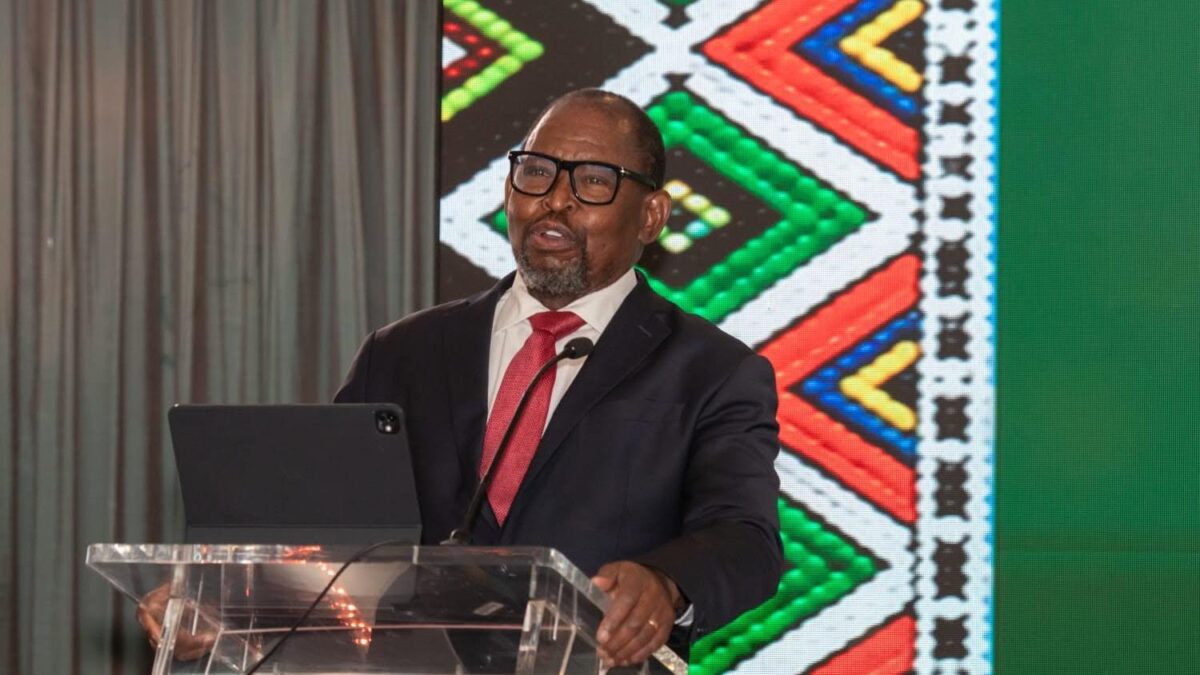
This was revealed by Finance Minister Enoch Godongwana, which shared data about South Africa’s personal income tax base in response to a Parliamentary question.
National Assembly member Sanele Mwali asked Godongwana for details about the portion of tax revenue collected from individuals and households.
He also asked what has been done to reduce the tax burden on low and middle-income households in South Africa.
Godongwana responded, saying that personal income tax is expected to contribute R844.8 billion in revenue in the current financial year.
This represents 39.7% of gross tax revenue, making personal income tax the government’s most important revenue source.
The Minister explained that South Africa has a progressive income tax system to ensure that low and middle-income taxpayers are not unduly burdened.
“The bulk of income tax is paid by wealthier taxpayers. Individuals earning more than R750,000 per year contribute just over 60% of total PIT revenue,” he said.
According to South Africa’s latest tax data, this equates to 1.07 million individuals paying over 60% of personal income tax.
He previously explained that almost half of personal income tax is paid by the top 8% of taxpayers with taxable income above R1 million per year.
Godongwana added that individuals under 65 years of age earning less than R99,000 per year do not pay any personal income tax.
“Furthermore, personal income tax brackets were adjusted upwards at the last Budget to prevent taxpayers from paying more due to inflation,” he said.
“Future adjustments to the personal income tax system will be announced at the time of the budget in February each year.”
South African taxpayers get very little value for their money
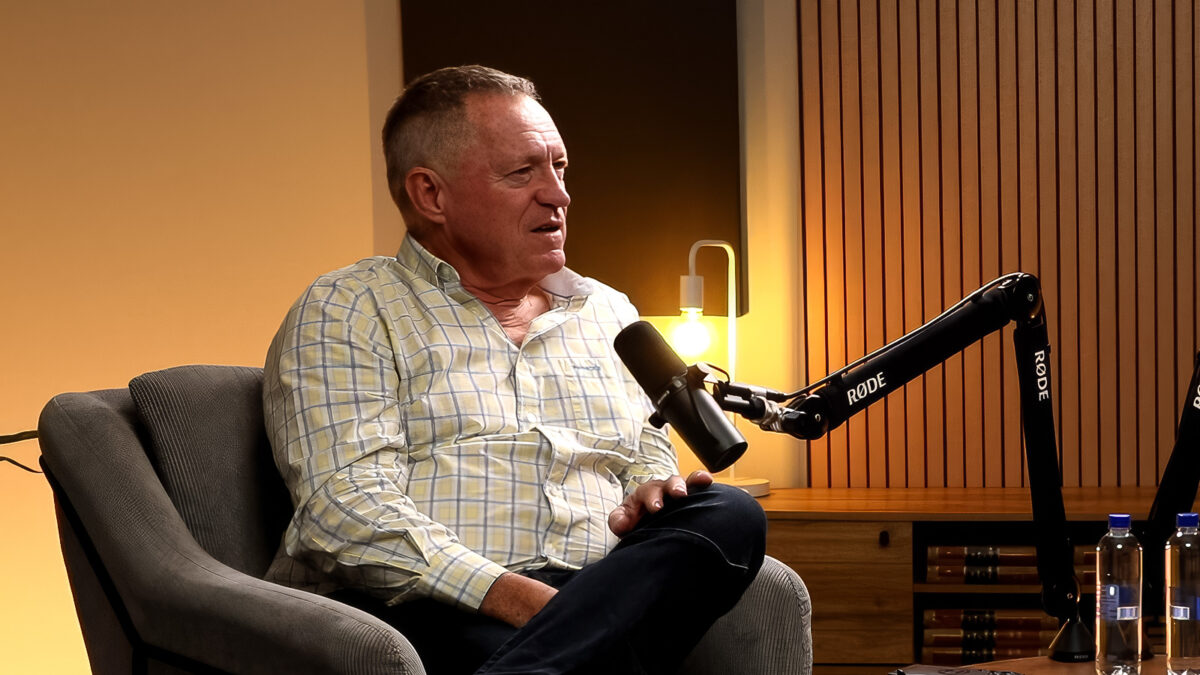
Efficient Group chief economist Dawie Roodt said that a family earning R1 million per year receives only 2 to 3 cents value back from every R1 they pay in tax.
He added that a small group of people account for most taxes paid in the country, which creates an unbalanced situation.
Because the state continues to overspend amid weak economic growth, the small group of taxpayers is being squeezed harder.
South Africa is already past its tax capacity limit, meaning higher tax rates are reducing state revenues by triggering emigration, tax avoidance, and capital flight.
Another challenge is that those who pay the most taxes do not benefit from them. This has created negativity from taxpayers.
“The higher a family’s income, the more tax they pay and the less they receive in return,” Roodt said in the interview.
“You pay higher taxes, but you don’t use state healthcare as you have private medical cover or a medical aid.”
“You can’t access state social grants, and you have your own pension fund. You don’t rely on other state services either.”
He cited education, where the children of many wealthy families attend private schools instead of public schools.
This raises the question of how much value these taxpayers received for every rand they paid the South African Revenue Service (SARS).
“A family earning R1 million per year gets back roughly two to three cents from the state in benefits for every rand they pay in tax,” he said.
“That single family earning R1 million per year effectively carries the cost of healthcare, education, policing, and similar services for 20 poor families.”


 Loading ...
S.A. needs outside investment to create employment and broaden the tax base. Eduction also needs to be improved. As long as the racist ANC, EFF and MK are a around, this will never happen..