
The South African government should stop talking and start listening


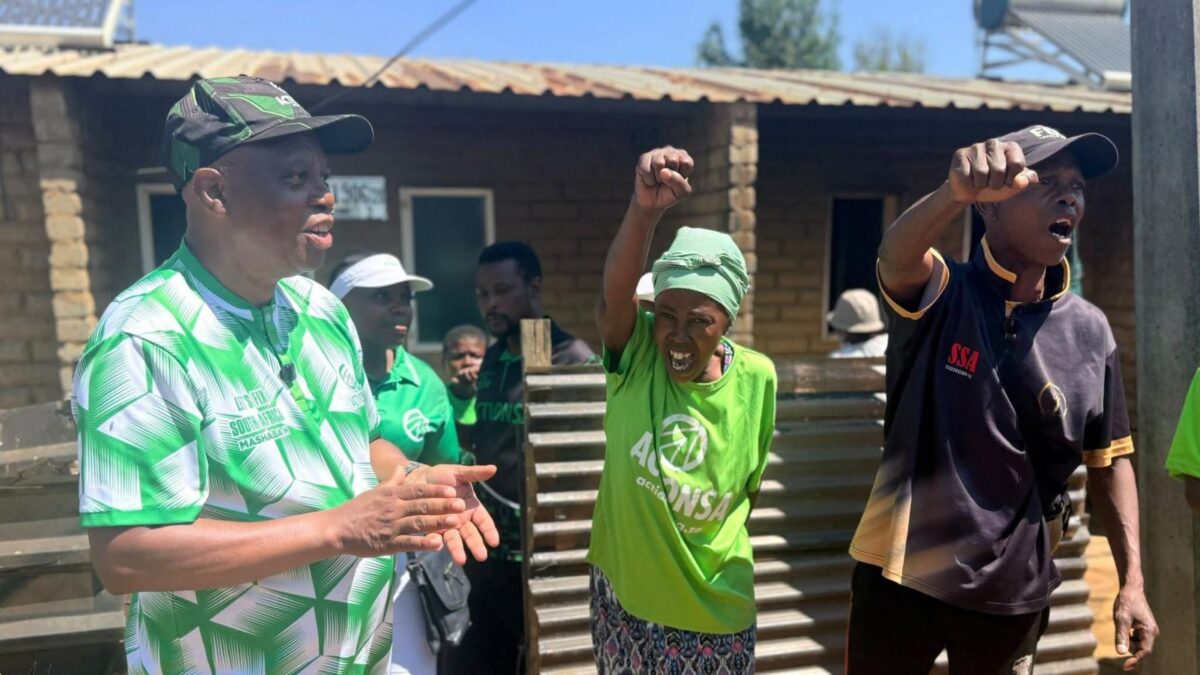
ActionSA leader Herman Mashaba said that citizens’ frustrations can no longer be dismissed as political noise, xenophobia, misinformation, or populism.
“There comes a point in the life of a nation when government should stop talking and start listening,” he said in a press statement.
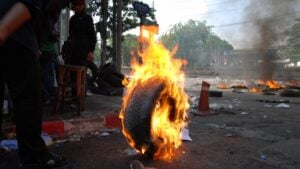
Mashaba referred to the protests against illegal immigrants, poverty, crime, failing municipalities and endemic corruption.
“All this happens with a government that is evidently incapable of enforcing its own laws, including a failure to manage illegal immigration,” he said.
“If you are in South Africa illegally, you cannot expect the country simply to accept your unlawful presence indefinitely.”
“Illegal immigrants must leave South Africa. This is not hatred of foreigners. It is not a rejection of legitimate refugees. It is not a rejection of legal immigration.”
Since June, the government has announced tens of thousands of repatriations and deportations of undocumented foreign nationals.
It has also been reported that more than 4,200 undocumented foreign nationals were intercepted attempting to enter the country.
These individuals entered South Africa outside formal ports of entry between April and July, while almost 90,000 people were repatriated.
President Cyril Ramaphosa announced in June 2026 that the government would intensify the identification and deportation of undocumented foreign nationals.
He added that the Border Management Authority had intercepted more than 450,000 people attempting to enter South Africa illegally over the preceding year.
“So, the government knows there is a problem. This raises the question of why it continues to look surprised when South Africans demand action,” Mashaba said.
He cited South Africa’s unemployment rate of 43.6% and the fact that over 12 million people are officially unemployed.
“These are not abstract numbers. Behind every statistic is a South African who wants a job. A young person who has studied but cannot find employment,” he said.
“How can a government that is struggling to provide adequately for millions of its own citizens continue allowing an immigration system that is so poorly controlled?”
South Africans expect better from the government
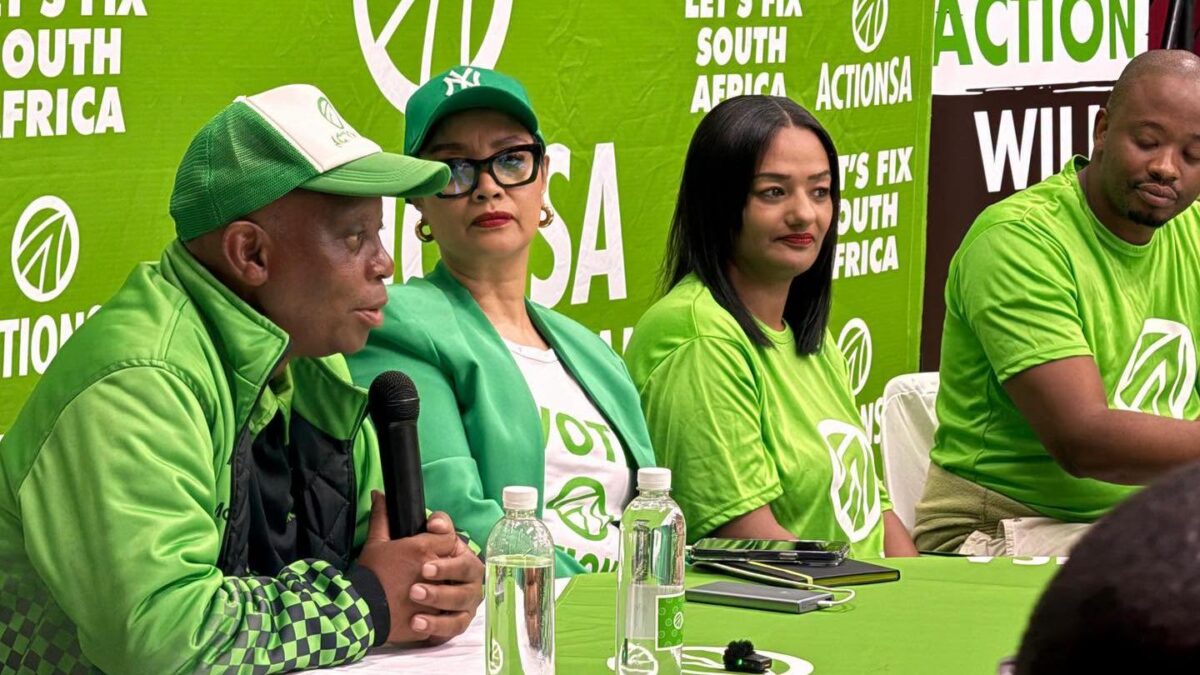
Mashaba said that South Africans are taxpayers who fund the machinery of the state. However, their needs are not prioritised.
“These taxpayers expect their government to prioritise the needs of the people whose taxes sustain the country,” he said.
“That does not mean denying humanitarian protection to people who qualify for it. But it does mean demanding a functioning system.”
“This system must be able to distinguish between a genuine asylum seeker, a lawful migrant and somebody who has no legal right to be in South Africa.”
Mashaba said that the recent Constitutional Court judgment has made this conversation even more urgent.
The Court held that certain procedural barriers in the Refugees Act could prevent people from having their asylum claims properly assessed.
“It did not give everyone who enters South Africa illegally an automatic right to remain here. It did not automatically confer refugee status or permanent residence,” he said.
“The government must implement the law without allowing the asylum system to become another avenue through which unlawful migration is perpetuated.”
He said that when the government repeatedly ignores legitimate grievances, public frustration does not simply disappear. It grows.
“Democracy is not merely the right of politicians to govern after an election. It is the government’s obligation to remain accountable to the people between elections.”
“South Africans should not have to beg their government to enforce immigration laws. South Africans should not have to apologise for demanding secure borders.”
He added that South Africans should not be labelled hateful and xenophobic because they believe that those who have no legal right to remain in this country should leave.
“People are tired of being told to wait while their lives become harder. They want jobs, safety, dignity, functioning services and a government that puts them first,” he said.
“South Africa cannot shoulder the world’s burdens while neglecting its own people. This is not about hatred. It is about putting South Africans first.”





 Loading ...