
WeBuyCars crashes from hero to zero



WeBuyCars’ share price plummeted by 54.3% over the last year, which means that the company’s market cap declined by R12.9 billion.
WeBuyCars is South Africa’s premier secondhand car dealer, moving approximately 15,500 vehicles through its operations per month.
The business model includes buying secondhand cars, making slight improvements when needed, and then selling them through auctions and its supermarkets.
The company focuses on passenger and commercial vehicles, motorcycles, trailers, caravans, and, in some areas, boats.
WeBuyCars, founded in 2001 by brothers Faan and Dirk van der Walt, showed exceptional growth in its first two decades.
It was so successful that Transaction Capital bought a 49.9% stake in the company for R1.84 billion in September 2020.
The next year, it increased its holding to 74.9%, gaining majority control. However, Transaction Capital fell on hard times, forcing it to sell this stake.
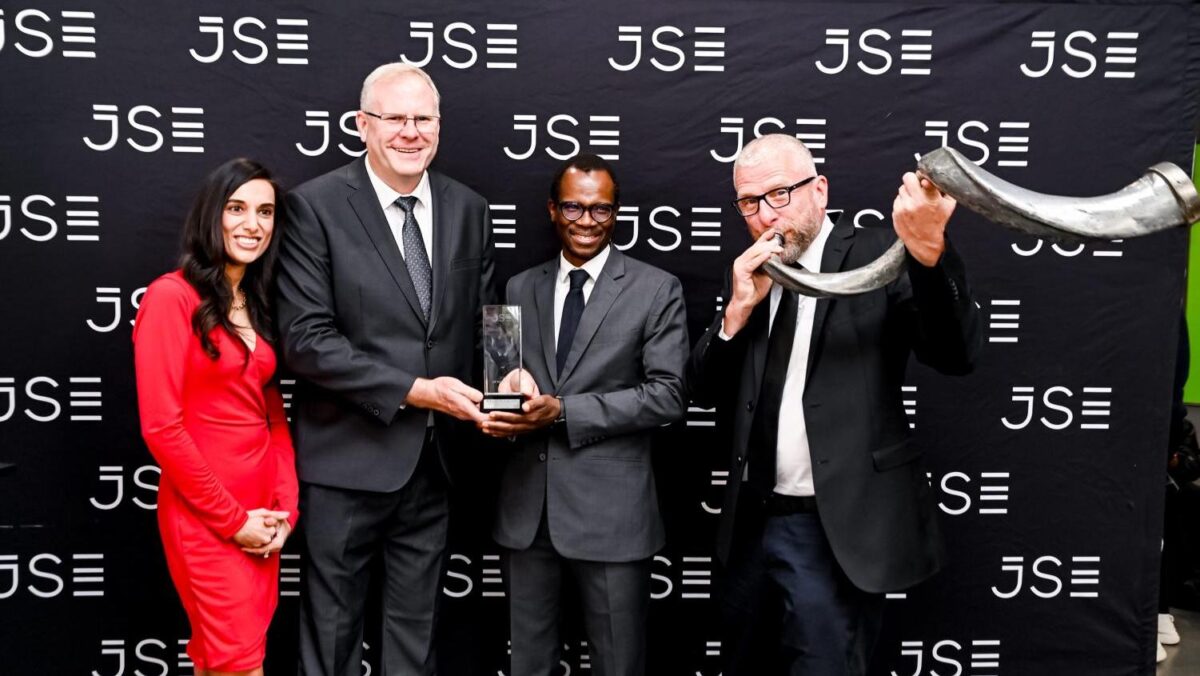
It unbundled WeBuyCars and listed it on the Main Board of the Johannesburg Stock Exchange (JSE) on Thursday, 11 April 2024.
As a newly listed entity, WeBuyCars continued its strong growth and cemented its position as the dominant player in South Africa’s secondhand car market.
In the first fifteen months after being listed on the JSE, WeBuyCars’ share price increased by 191%, from R20.50 per share to R59.75.
However, since then, the company has struggled to maintain this momentum. Over the last year, the share price declined by 54.3%.
This means the company’s market cap declined from R23.75 billion to R10.85 billion, a loss of R12.9 billion in a year.
WeBuyCars struggles with increased competition
WeBuyCars built a dominant business, with 3,722 employees, 20 supermarkets with 15,614 parking bays, and 109 buying pods across South Africa.
However, it has faced challenges over the last two years due to increased competition and a tough economic environment.
WeBuyCars’ latest half-year results showed many positives, including revenue increasing 7.8% to R14.2 billion and buying and selling volumes rising marginally.
However, adjusted earnings before interest, taxes, depreciation, and amortisation (EBITDA) decreased 1.3% to R789.5 million.
Core headline earnings fell 1.6% to R500.1 million, with per-share value declining 1.7% to 119.7 cents.
FNB highlighted that this indicated mixed performance, with solid top-line momentum while the bottom line slowed.
It added that WeBuyCars faces many challenges, including exposure to economic downturns and the interest-rate environment.
“Periods of severe economic distress could have an adverse impact on demand and sales of secondhand cars,” it said.
The recent South African Reserve Bank interest rate increase and the record fuel price increases are examples of things which hurt the company.
Another problem is that consumers have grown increasingly wary about the condition and quality of vehicles being sold by WeBuyCars.
“There have been numerous complaints about mechanical and electrical issues arising after sales have been completed,” FNB said.
There are also concerns about the company’s after-sales service, with a considerable number of consumers left unsatisfied after purchasing their vehicles.
However, the biggest threat is affordable new Chinese vehicles, which have moved consumers away from the secondhand market,
This put pressure on WeBuyCars’ margins, and there are no signs that the situation will change anytime soon.
There are still positive things about WeBuyCars

Despite the significant challenges, there are many reasons for investors to be optimistic about WeBuyCars’ prospects.
One is that the used-vehicle market in South Africa is much more defensive than the new-vehicle segment.
Another is that used-vehicle dealers are agnostic to imports and currency volatility, eliminating a cyclical component relative to local-listed peers.
WeBuyCars also has many advantages over its competitors, including its digital real estate, proprietary technology, and insights from collected data.
Another advantage is its substantial brand recognition in a market segment that has historically been marred by a consumer trust deficit.
These advantages were enough for Mark Du Toit from Oyster Catcher Investments to select it as his stock pick.
“The share price has had a tough time this year, falling to R25 a share amid concerns that the business model might be broken,” he told Business Day TV.
“However, we don’t think the business model is broken at all. There has been a reduction in second-hand car prices as new Chinese vehicles enter South Africa.”
He highlighted that WeBuyCars’ average selling price per vehicle is R148,000, and they make a margin on every unit they sell.
“The reduction in inventory values is now mostly complete and largely priced in. Furthermore, having finished their major capacity rollout,” Du Toit said.
This will allow WeBuyCars to focus on filling the bays and increasing sales turnover, which should boost profitability.
“Post this reporting period, we expect their earnings to look significantly better and return to growth, none of which is currently reflected in the share price,” he said.
You have read 1 out of 5 free articles. Log in or register for unlimited access.










 Loading ...
The business with the worst reputation was, and still is, “second-hand car salesman.” Nothing new here.
If something sounds too good (or too cheap) to be true, it probably is crap.