
ANC leaders could not be trusted with South Africa’s nuclear weapons


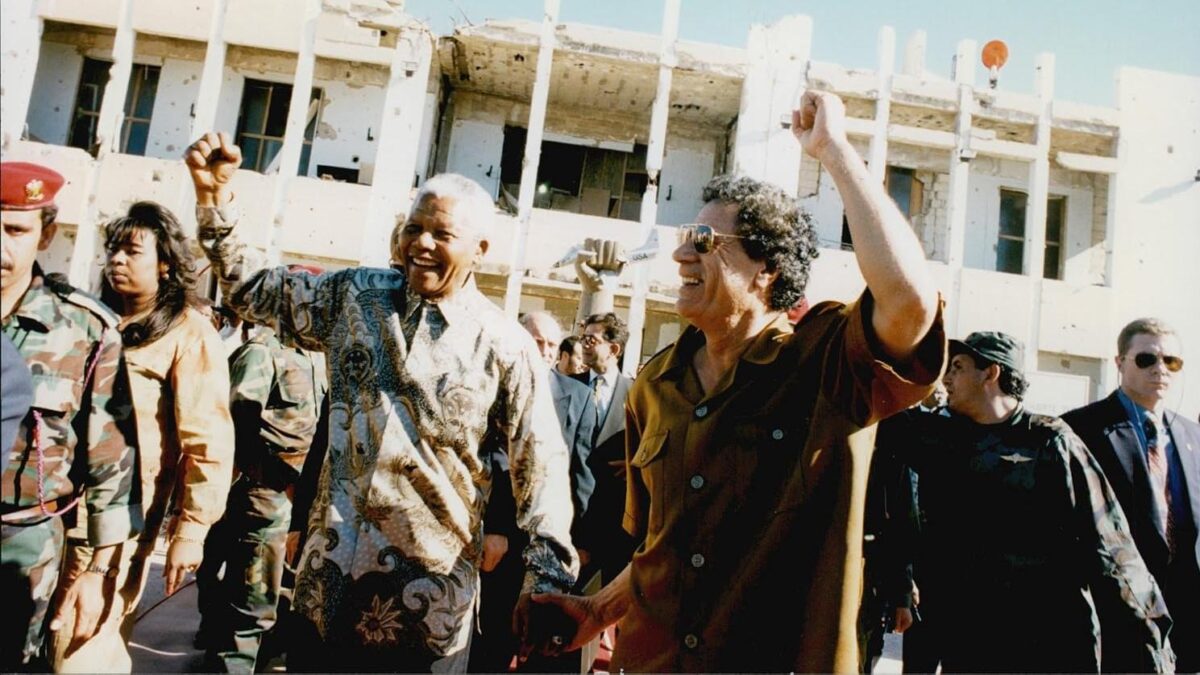
South Africa’s former Finance Minister, Barend du Plessis, said that no ANC leader could be trusted with the country’s nuclear weapons.
He shared this information during an interview in the documentary, Die Bom, which explored the country’s secret nuclear weapons program.
South Africa’s history with nuclear weapons traced back to 1944 through its relationship with Britain.
Former British Prime Minister Winston Churchill contacted his friend and confidant, Jan Smuts, to ask about uranium for the Manhattan Project.
The Manhattan Project ultimately led to the first atomic bomb attacks on Hiroshima and Nagasaki in Japan.
Three decades later, South Africa built its own atomic bombs under extreme secrecy and despite sanctions and a United Nations arms embargo.
This programme involved innovative ways to enrich uranium at a fraction of the cost of other nuclear weapons programmes.
South Africa’s covert nuclear weapons production line and high-security storage vaults were located in the Kentron Circle building on the outskirts of Pretoria.
The South African Atomic Energy Board (AEB) produced a gun-type device using highly enriched uranium.
By the late 1980s, South Africa had built an arsenal of six gun-type fission weapons, with a seventh weapon under construction.
After the Cold War ended and South Africa began dismantling Apartheid, President FW de Klerk ordered the destruction of the weapons.
All the nuclear bombs were dismantled, and South Africa acceded to the Treaty on the Non-Proliferation of Nuclear Weapons in 1991.
On 19 August 1994, after completing its inspection, the International Atomic Energy Agency (IAEA) confirmed the nuclear weapons had been disassembled.
South Africa became the first country in history to voluntarily stop its nuclear weapons programme and dismantle its arsenal.
The ANC, Muammar Gaddafi, and the nuclear weapons
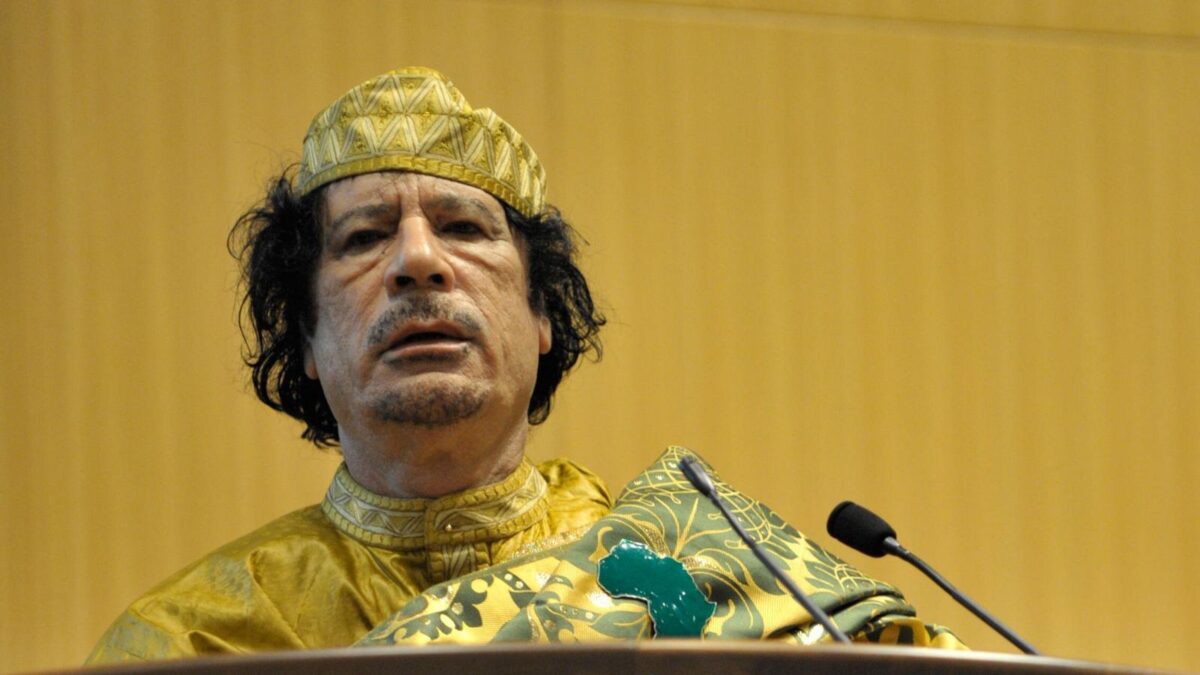
In the Die Bom documentary, former Finance Minister Barend du Plessis said ANC leaders could not be trusted with nuclear weapons.
He explained that, at the time, former Libyan leader Muammar Gaddafi also wanted to acquire nuclear weapons.
Gaddafi spent decades attempting to get such weapons, driven by a desire for regional influence, regime survival, and a deterrent against foreign intervention.
His efforts were marked by persistent attempts to buy technology on the black market, focusing on China, the Soviet Union, and Pakistan.
In 1970, Gaddafi sent his prime minister to China to attempt to buy a pre-built nuclear bomb directly, but they refused.
Later attempts to purchase off-the-shelf weapons or blueprints from the Soviet Union and other nations were similarly rejected.
Gaddafi then provided financial assistance to Pakistan’s nuclear program in the 1970s and acted as an intermediary to procure uranium.
He did this in the hope that Pakistan would share weapons technology or finished devices in return.
However, after Pakistani Prime Minister Zulfikar Ali Bhutto was executed in 1979, those hopes faded.
In the 1990s, Libya made progress to build nuclear weapons itself by connecting with A.Q. Khan, the founder of Pakistan’s uranium enrichment program.
However, despite buying the needed technology and getting warhead design blueprints, Libya lacked the capability to assemble or operate a functioning nuclear device.
What concerned Du Plessis was the ANC’s close relationship with Gaddafi and Libya, which was desperately seeking to acquire nuclear weapons.
Libya provided military training, arms, and logistical backing to the ANC’s armed wing, uMkhonto we Sizwe (MK).
The country also offered substantial funding to help sustain ANC operations and leadership in exile.
When Nelson Mandela became president of South Africa in 1994, he made a point of expressing unyielding loyalty to Gaddafi.
The ANC’s relationship with Gaddafi and Libya concerned many people
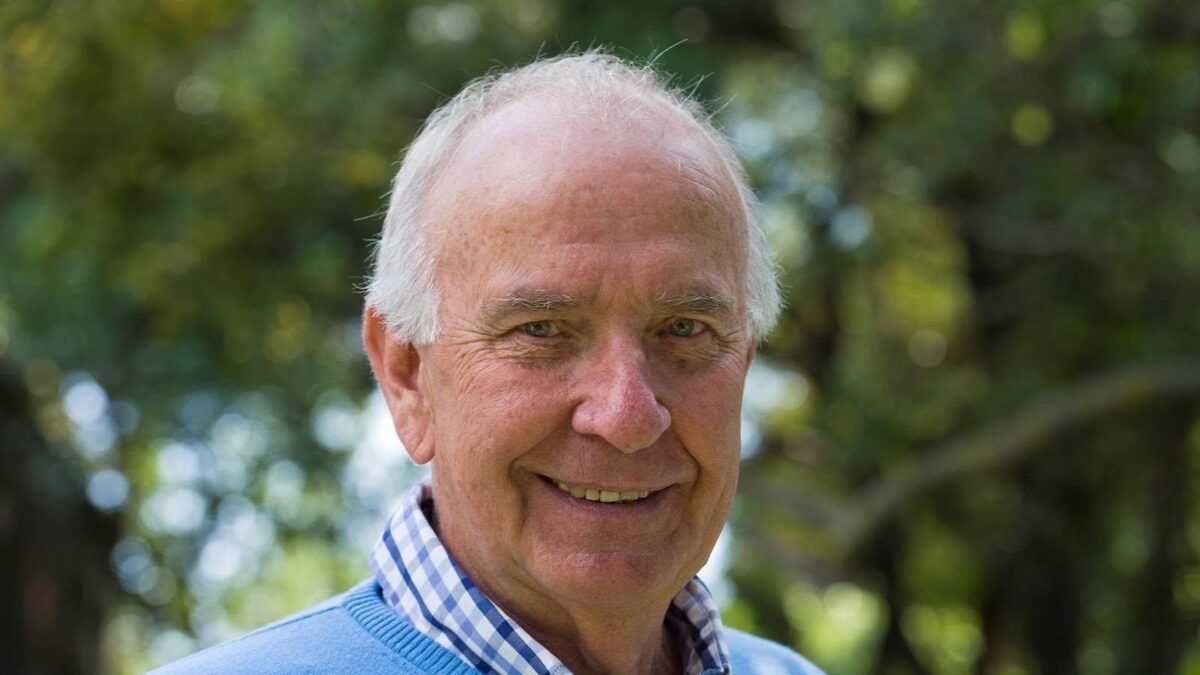
The close relationship between the ANC and Gaddafi, and his obsession with getting his hands on a nuclear weapon, concerned many leaders, including Du Plessis.
Anna-Mart van Wyk, a professor in international relations and an expert in South Africa’s nuclear history and Cold War dynamics, explained that it weighed on many people.
She said that the ANC’s relationship with Gaddafi and Libya was part of the reason South Africa decided to dismantle its nuclear weapons.
“The ANC, and especially Mandela, were good friends with Gaddafi. Libya was busy with a nuclear weapons programme, which is why they decided to dismantle the weapons,” she said.
Du Plessis did not mince his words, predicting that the ANC would have definitely sold South Africa’s nuclear weapons.
“If we did not dismantle the nuclear weapons, they would have been in the hands of Gaddafi and others like him within three weeks after the ANC took power,” he said.
“I have no doubt that the ANC would have sold the weapons. Can you imagine how much money they could have received for them?”
“I have not seen any leader in the ANC government which I would have trusted with South Africa’s nuclear weapons.”
“Maybe Nelson Mandela could have been trusted with the nuclear weapons, if he had lived long enough.”


 Loading ...
Why 😭🤣 should RSA need nuclear weapons…
There is no need for nuclear weapons in these country RSA.
What for???