
The man costing South Africa hundreds of thousands of new jobs


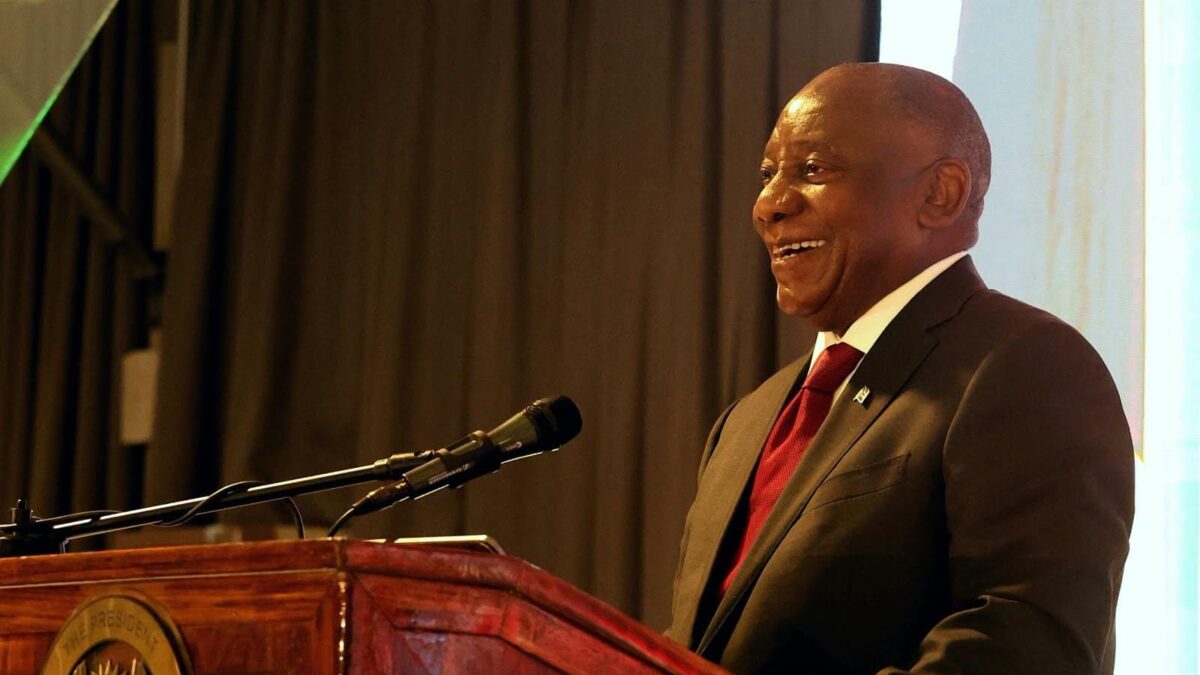
President Cyril Ramaphosa’s refusal to provide an Equity Equivalent Investment Programme (EEIP) for mining is costing South Africa many jobs.
This is the feedback from the United States Ambassador to South Africa, L. Brent Bozell III, who told Fox News that they are ready to invest billions of dollars in the country.
Bozell explained that the United States is not opposed to black economic empowerment (BEE) in South Africa.
However, this hinders United States companies from investing in South Africa, as it requires them to relinquish a large stake in their businesses.
As such, the United States asked for equity-equivalent investment programs (EEIPs) to meet Broad-Based Black Economic Empowerment (B-BBEE) ownership requirements.
The South African government already allows all business sectors to participate in EEIP, but refuses to extend it to the telecommunications or mining industries.
This, Bozell said, is detrimental to South Africa as it desperately needs foreign investment to grow these two industries and create jobs.
He explained that United States companies are ready to invest billions of dollars in the South African mining sector.
The United States also wants to process minerals such as iron ore in South Africa to ensure that the local industry thrives and that the money stays in the country.
Unlike China, where processing takes place within its borders, the United States wants to ensure that South Africa benefits from the processing of its minerals.
“The Chinese come in, they take the ore, they take it to China, they process it, and they make a pile of money,” Bozell said.
“We told South Africa that we will set up plants in their country so that they can make money. We can help them more than any other country in the world can.”
“We will bring in technology they will never have access to. We can create hundreds of thousands of jobs.”
He added that this partnership will benefit both the United States and South Africa, which is what they want.
President Cyril Ramaphosa refuses to adhere to the United States’ demands
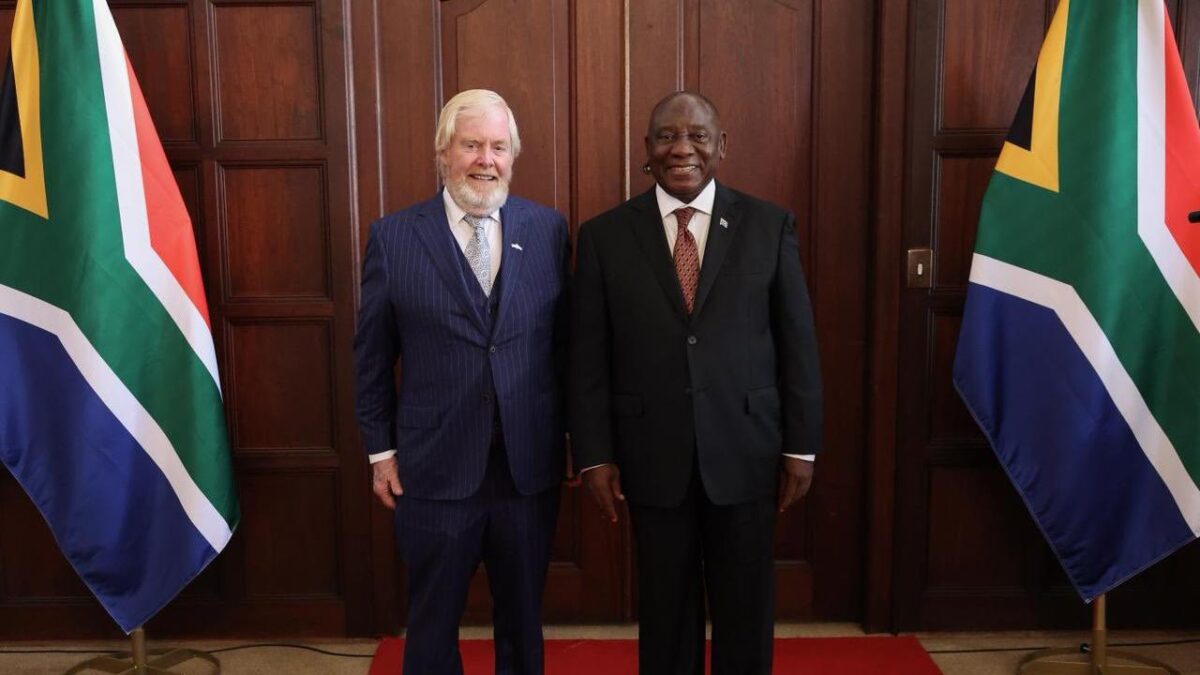
Most economists and business experts agree that it would benefit South Africa to introduce an equity-equivalent investment program in the mining sector.
With billions of dollars in investment riding on this decision, it should be easy for anyone who wants to grow the economy.
However, Ramaphosa refused. He maintains that Broad-Based Black Economic Empowerment (B-BBEE) policies are essential in the mining sector.
These policies typically require a 30% black ownership for mining rights, which prevents United States companies from investing in South Africa.
However, it extends beyond mining. The rocky relationship with the United States puts South Africa’s financial markets, trade receipts, and economy at risk.
Western Cape Premier Alan Winde highlighted the problems caused by US tariffs and the temporary expiration of African Growth and Opportunity Act (AGOA) benefits.
It made it difficult for Western Cape exporters and led to the USA dropping from the province’s second-largest to fourth-largest export market.
He said that, in 2025, exports to the United States were R14.51 billion, a 16.2% decrease from the previous year.
This showed the negative impact of the deteriorating relationship between South Africa and the United States. However, it can get worse.
Dawie Roodt, the chief economist at Efficient Group, said that South Africa runs a trade surplus with the US and relies on export income to earn foreign currency.
Losing access to the United States market or alienating American investors would cause capital outflows and damage the rand.
Sakeliga has also argued that rigid domestic policy frameworks, such as BEE, deter Western capital and international investments.
It said that adopting market-friendly reforms requested by international partners like the United States would unlock significant private investment.
South Africa is not learning from past mistakes
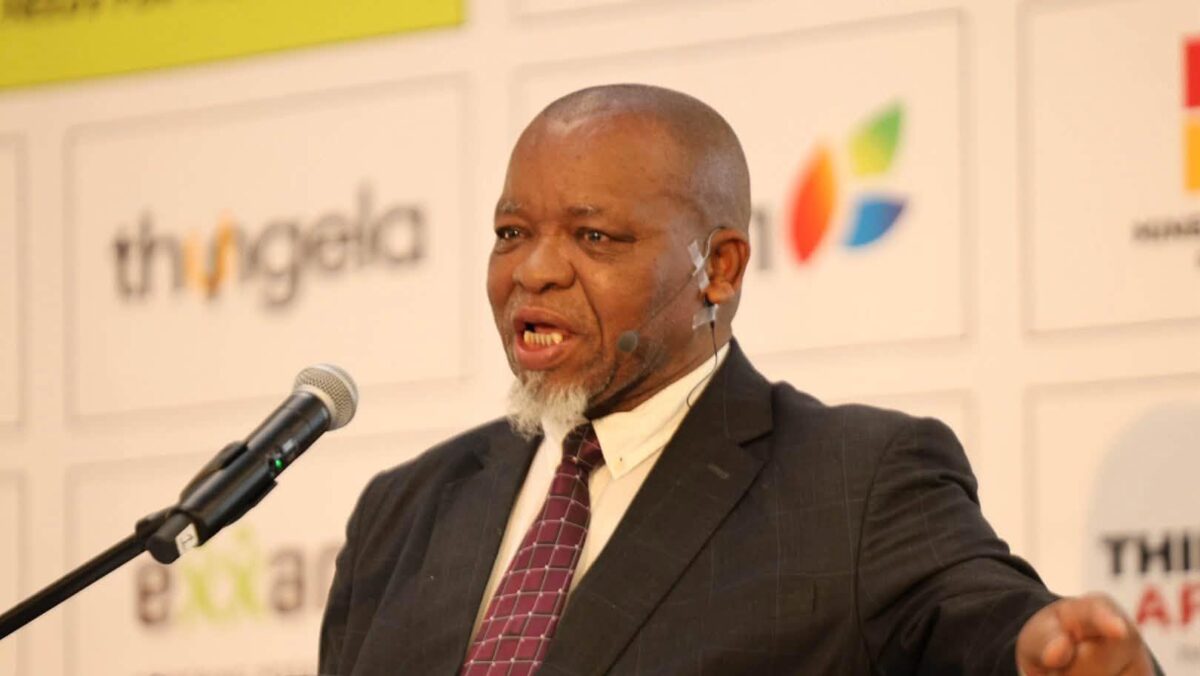
Mining analyst Peter Major said Ramaphosa and Mining Minister Gwede Mantashe have overseen the loss of hundreds of thousands of jobs in South Africa’s mining sector.
Major is a director at Modern Corporate Solutions and one of South Africa’s most respected experts in the mining sector.
He said that Ramaphosa and Mantashe have caused tremendous damage to the mining sector and, in turn, have destroyed job-creation opportunities.
This is largely due to their inability to address the concerns raised by the South African mining industry.
Under the ANC government, the industry has been plagued by policy uncertainty, threats of nationalisation, and deteriorating infrastructure.
South Africa’s mining output has been flat for the past 20 years, as companies have been hesitant to invest in new projects or expand existing operations.
Major explained that investing in a new mining project typically involves an operation of between 50 and 100 years.
It is also extremely expensive. Before any dirt is moved, companies must prove that the minerals are present in sufficient concentrations to be profitable.
This exploration is extremely costly, with no certainty that the investment will yield a profitable business later.
Major said no new mineral exploration has occurred in South Africa for the past two decades, resulting in an entire lost generation of mines.
He said the warning lights have been flashing for years, with the reality finally beginning to hit home.
He cited Mantashe’s closing address at the 2025 Joburg Mining Indaba as an example of the government’s lack of care for the industry.
“He had a chance to go up there at the end of the Indaba, and he can be a hero. He does not have to do much,” Major said.
However, Mantashe did not take this opportunity and offered no fresh ideas to revive South Africa’s once-powerful industry.
“He just ignored the entire panel before him, which outlined all of the challenges the mining industry is facing in South Africa,” Major said.
“It is very disappointing. It is almost like he does not want to be remembered or he wants to be remembered poorly.”
Major said it would have been easy to rise to the occasion and show some concern for the 450,000 gold miners that he and Cyril have helped to lay off.
He added that probably another 100,000 miners in other sectors have been laid off unnecessarily. “But, he does not seem to care about those people,” Major said.






 Loading ...
Surely, after the Madlanga commission has exposed that Bribe Based Black Elite Enrichment is merely a conduit for corruption and theft, Ramapinocchio and co. should denounce it!