
End of an era for Green ID books in South Africa


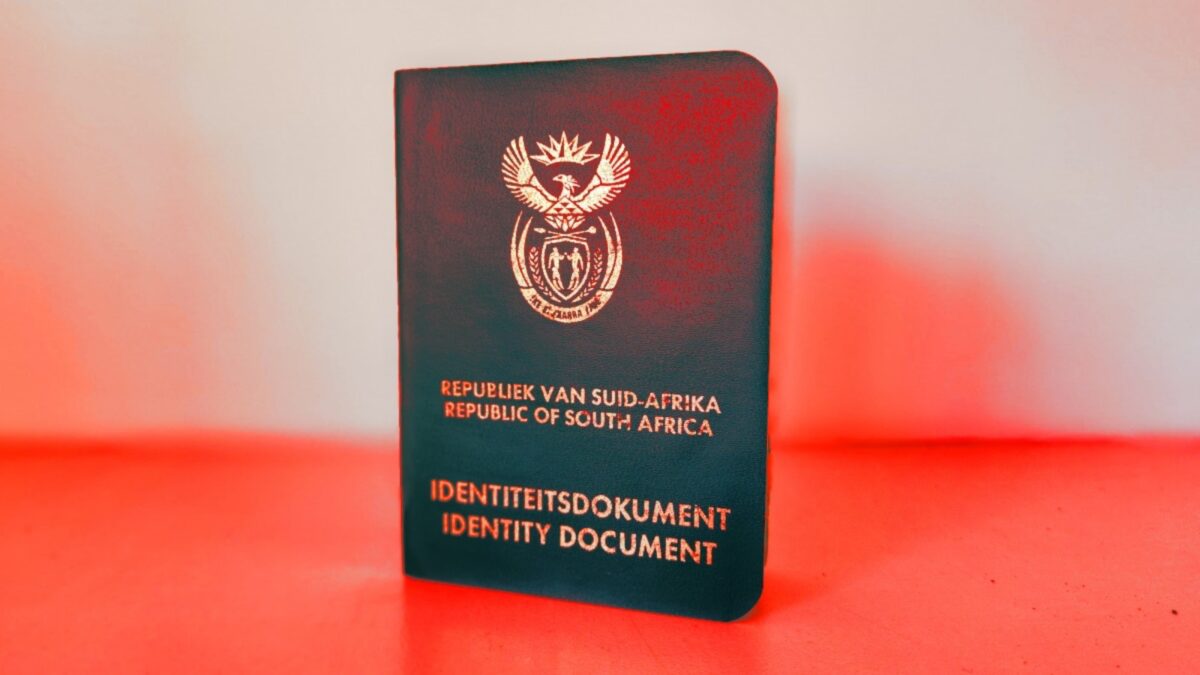
Minister of Home Affairs, Leon Schreiber, announced that after 31 March 2028, Green ID books will no longer be recognised as valid identification in South Africa.
This forms part of Schreiber’s digital transformation programme, which is changing how South Africans interact with Home Affairs.
The programme is replacing outdated, paper-based processes with secure and accessible digital services.
On 1 October 2026, Minister Schreiber demonstrated South Africa’s first working Digital ID, which represents a shift in how identity will work in a digital society.
He said that the new system will empower citizens to control their identity data, know who is trying to access which personal data, and approve or reject such access.
“Digital ID will enable secure verification while strengthening safeguards around citizens’ personal information,” he said.
This will transform Home Affairs, moving away from a system built around paper documents, physical offices and queues.
The new system, he said, will be one where South Africans can apply and have their documents delivered to their doorstep.
This transformation is already taking shape. Smart ID services have expanded to 515 bank branches, with 822,500 people having used the service.
“The programme is set to reach more than 750 service points by the end of 2026,” the Minister said.
This footprint expansion will take pressure off physical offices and allow staff to assist millions of undocumented South African citizens.
These reforms represent a fundamental redesign of the relationship between citizens and the state,” he said.
They include the expansion of the Electronic Travel Authorisation system, the Digital ID and the expansion of Home Affairs services through banks and digital channels.
The end of Green ID books in South Africa

During the event, Minister Schreiber also announced the end to the fraud-prone Green ID Book in South Africa.
The first version of the green bar-coded ID book was introduced in 1980 as an alternative to South Africa’s original blue Book of Life ID.
Home Affairs introduced a revised ID book with just eight pages on 1 July 1996. These books used a new ID number system.
Home Affairs also added a barcode to the document, and the requirement for cardholders to scan their fingerprints during application.
This offered a way to quickly validate someone’s identity and reduce human error during data capturing, but it offered no security benefits.
The development and general availability of modern printing and labelling solutions have contributed to rampant fraud and forgery involving the green ID book,
To address the issue, Home Affairs launched the smart ID card in 2013. It boasts several digital features to protect against forgeries and fraud.
With the new smart ID cards now widely available across South Africa, Schreiber announced the end of Green ID books.
Production will permanently cease on 31 March 2027, before the Green ID Book ceases to be recognised as a valid form of identification on 31 March 2028.
Part of this process will see South Africans born abroad given the opportunity to apply for SmartIDs.
“Replacing the Green ID Book with the more secure biometric Smart ID Card and Digital ID will strengthen the integrity of South Africa’s identity system,” he said.
Ending the use of Green ID books will also better protect citizens against identity theft and fraud.










 Loading ...
This does not sit well with me… a lot of the population is not going to comply.. it might be a way open to even more identity theft…… agents assisting semi- literate and illiterate people… and the elderly