
Small South African town has a unique natural environment found nowhere else on Earth


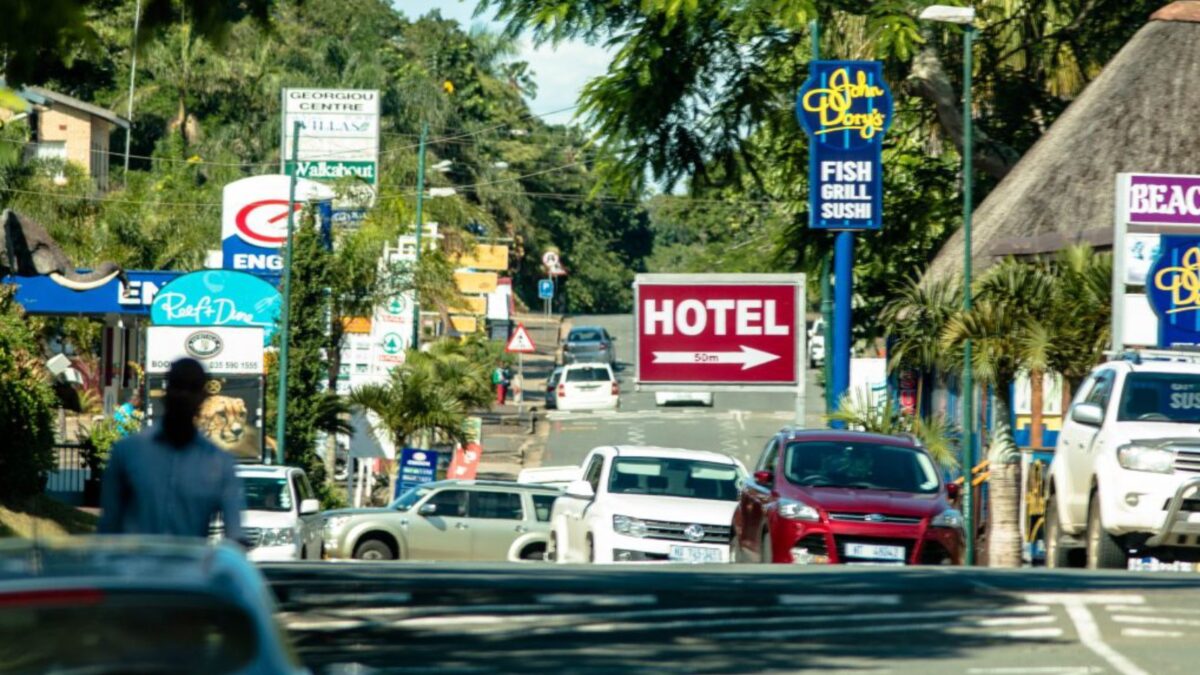
St Lucia, KwaZulu-Natal, sits at the heart of the iSimangaliso Wetland Park, the first World Heritage site designated to South Africa by UNESCO in December 1999.
That year, South Africa received three World Heritage Sites, including the Cradle of Humankind and Robben Island; however, iSimangaliso was inscribed as site #1.
iSimangaliso is one of the world’s most unique natural habitats. It surrounds the small town of St Lucia, whose history dates back to ivory traders in the 1800s.
The area was teeming with hippopotamus and elephant, which were hunted extensively by ivory traders in those years, who sailed to St Lucia to harvest the lucrative material.
Hippo tusks were used to make false teeth and mathematical instruments, while elephant tusks were fashioned into billiard balls and piano keys and sold worldwide.
A number of small settlements were established in the area during this time, including a Norwegian mission station at Mount Tabor and a Natal government forestry operation.
These joined the already established Zulu and Tonga holdings in the region, many of which were dispersed by Western powers looking to exploit the natural resources.
Nearly a hundred years later, parts of St Lucia Bay were proclaimed a natural game reserve, as it was realised that the abundant wildlife was being depleted by hunting.
The area was still entirely wild, and only by 1902 did Natal undertake the first detailed survey of St Lucia Bay to determine whether it was suitable for a harbour.
Durban engineer Charlie J. Crofts was commissioned by Natal to conduct the survey of St Lucia and the Mfolozi river mouth, with a complete map of the area published in 1905.
The report found that the natural estuary between the Mfolozi, Lake St Lucia, and the Indian Ocean was unsuitable for a port.
This decision would save the region from industrialisation and eventually to UNESCO’s designation for the unique natural habitat.
St Lucia, the town, emerged from around a sugar mill built in 1911, following a boom in sugarcane farming on the Mfolozi floodplain.
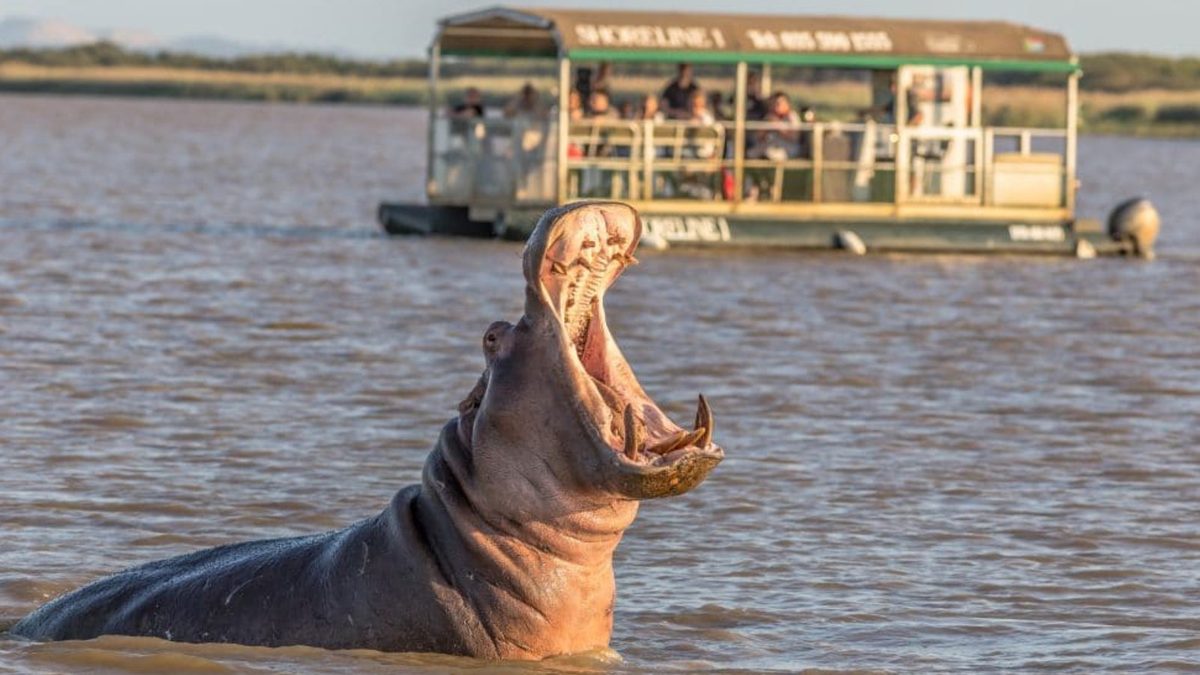
Today, St Lucia is one of KwaZulu-Natal’s biggest tourism destinations, famous worldwide for viral videos of hippos walking along the town’s wooded streets.
South Africa’s first World Heritage Site
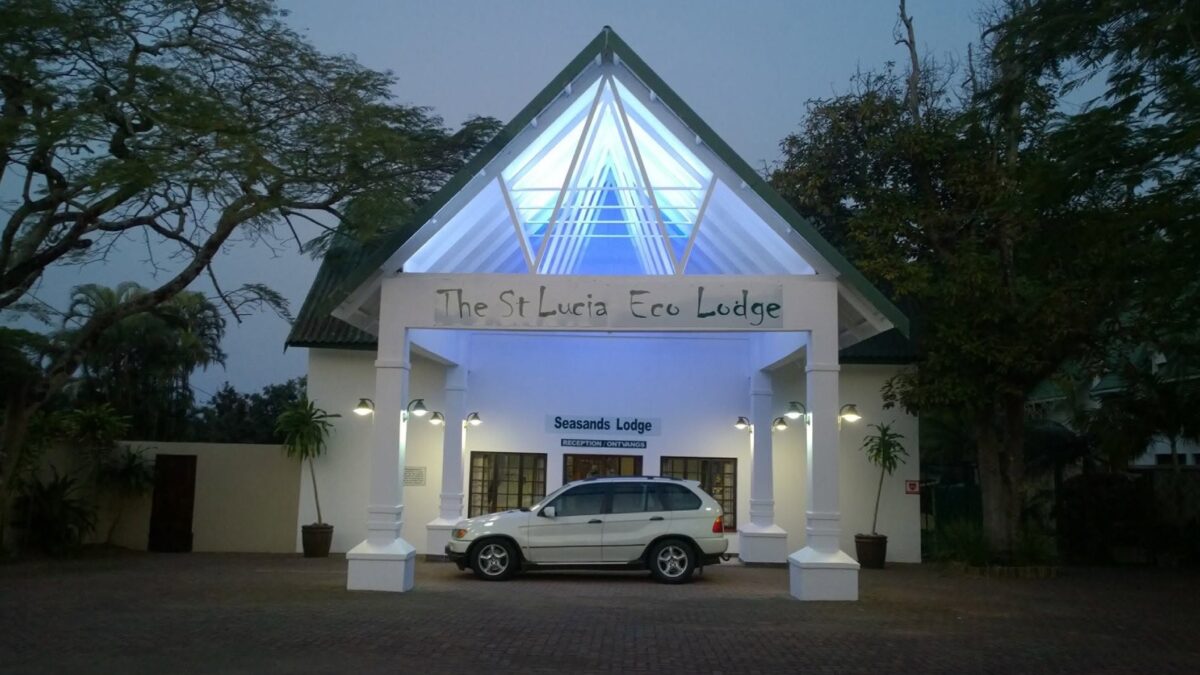
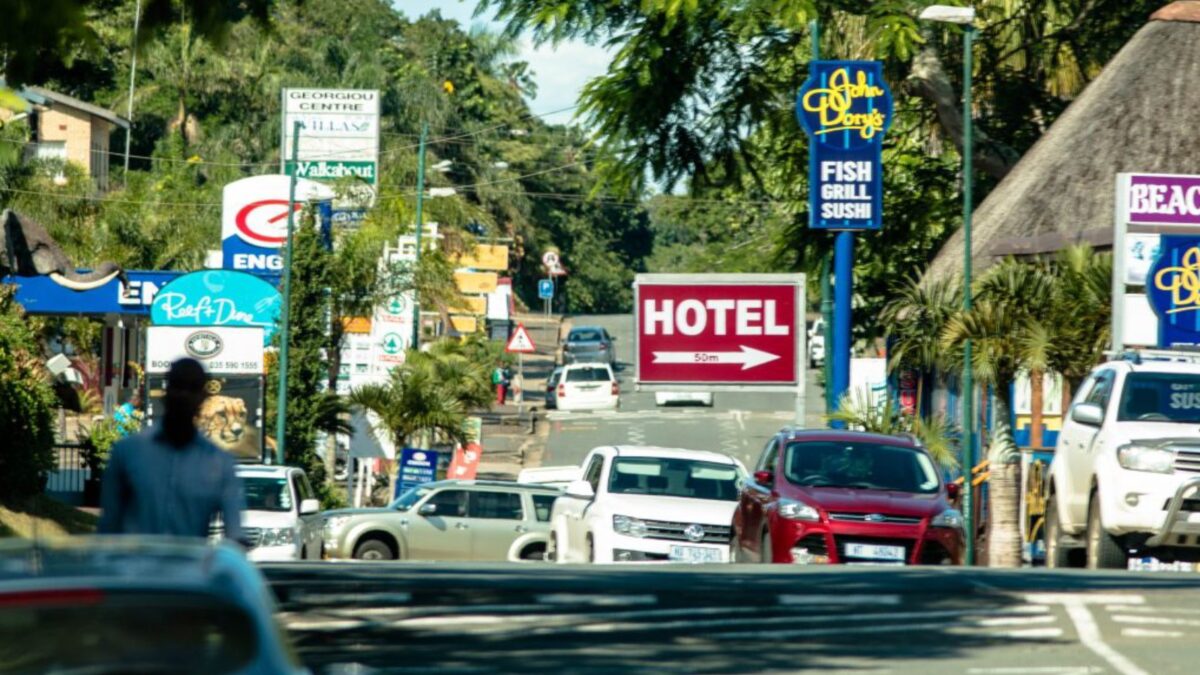
The small town, part of the Mtubatuba Local Municipality, is home to numerous hotels and bed-and-breakfasts, restaurants, and two petrol garages.
Its streets are lined with adventure companies, safari firms, boat charters and other tourism businesses, supporting the town as a popular wildlife and eco-tourism destination.
The main attraction is the iSimangaliso Wetland Park — iSimangaliso meaning “miracles” or “wonders” in isiZulu — where five different natural ecosystems are linked.
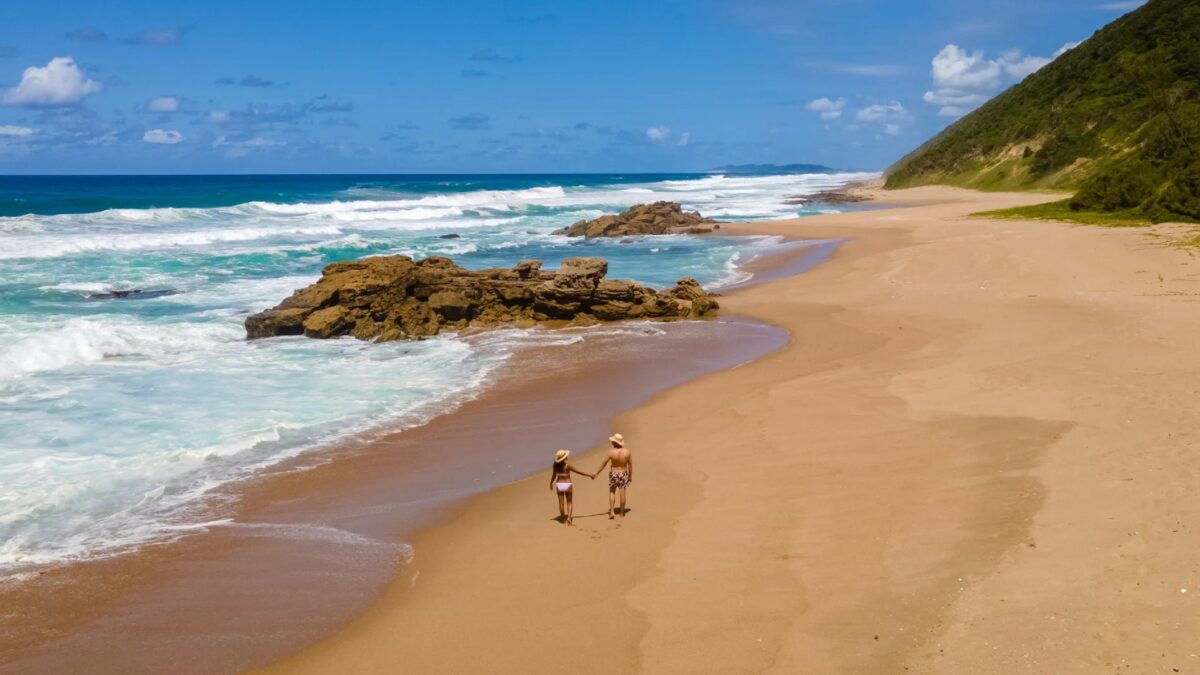
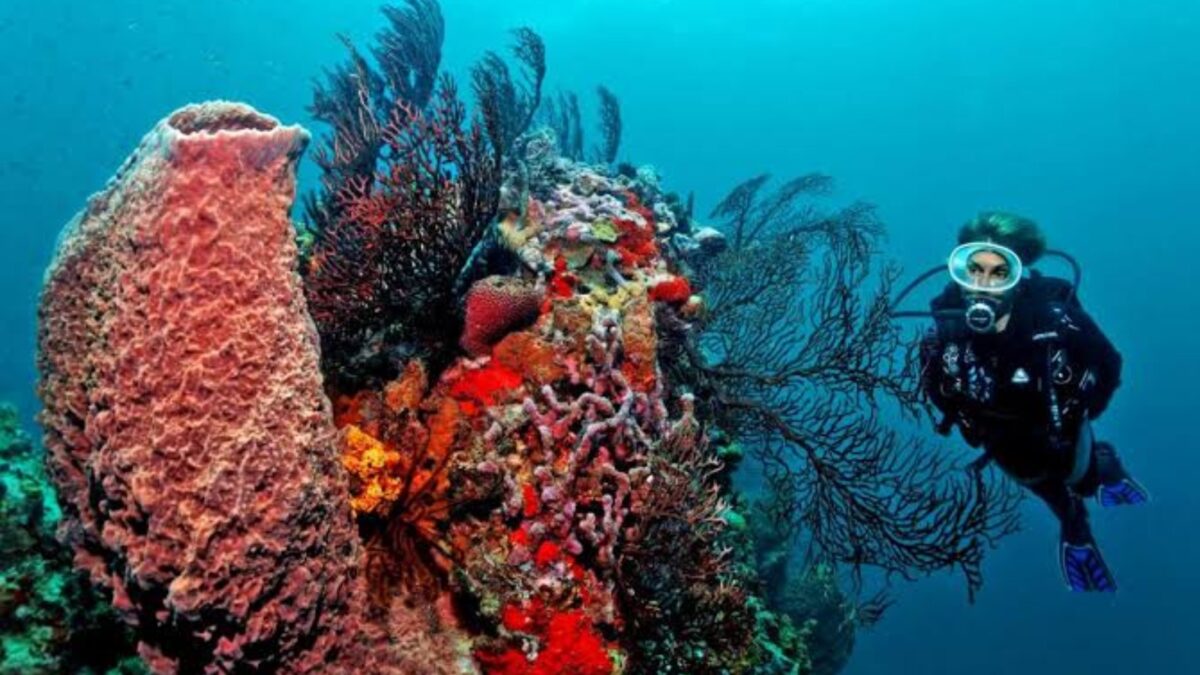
It is the only place in the world where one can see bush savannahs, wetlands and swamps, beaches, and coastal waters, including rare coral reefs at Sodwana Bay.
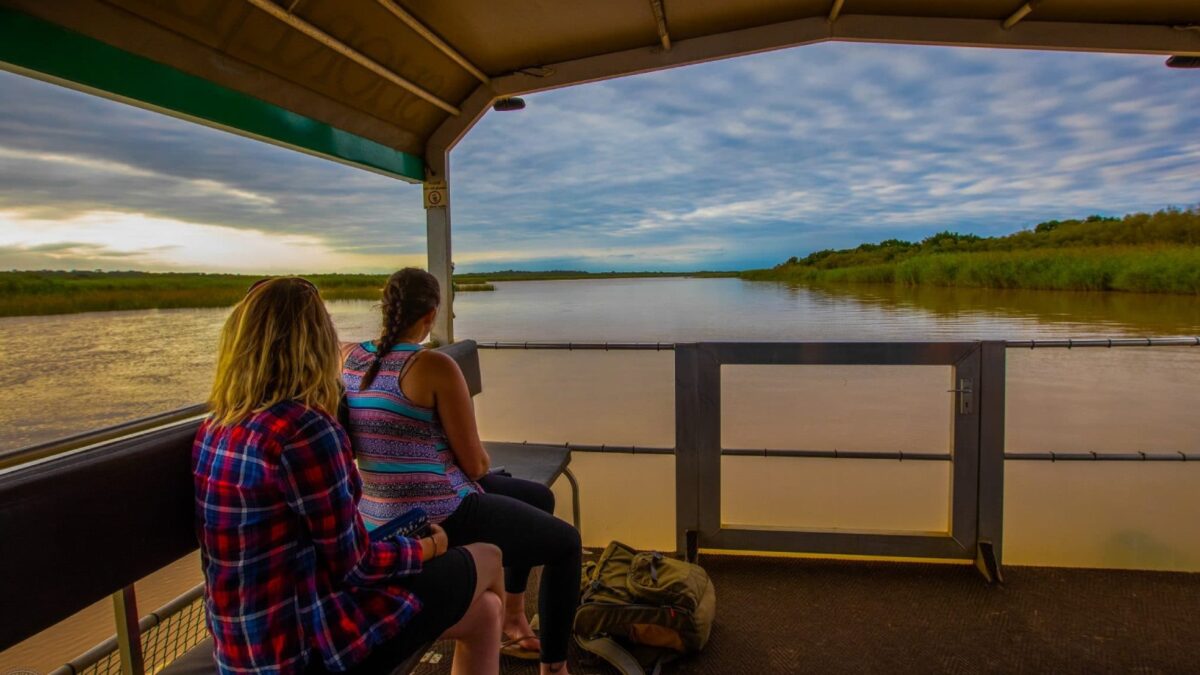
A week of activities could include seeing four of the Big Five (no lions) on safari, taking a river cruise to see birdlife, hippos and crocs and then snorkelling off the coast.
St Lucia is a major breeding ground for endangered leatherback turtles, with people coming from all over the globe to watch the massive animals nest on the beach at night.
It was because of the unique natural habitat, with five biomes interlinked, that UNESCO proclaimed iSimangaliso a World Heritage Site.
The International Union for Conservation of Nature (IUCN) said in its UNESCO nomination that the area was a major attraction for research into the biological processes occurring there.
“Associated with this high environmental heterogeneity is a remarkable diversity of natural biota. The flora is diverse with 734 genera and 44 endemic species recorded,” the IUCN said.
A natural habitat not found anywhere else on Earth
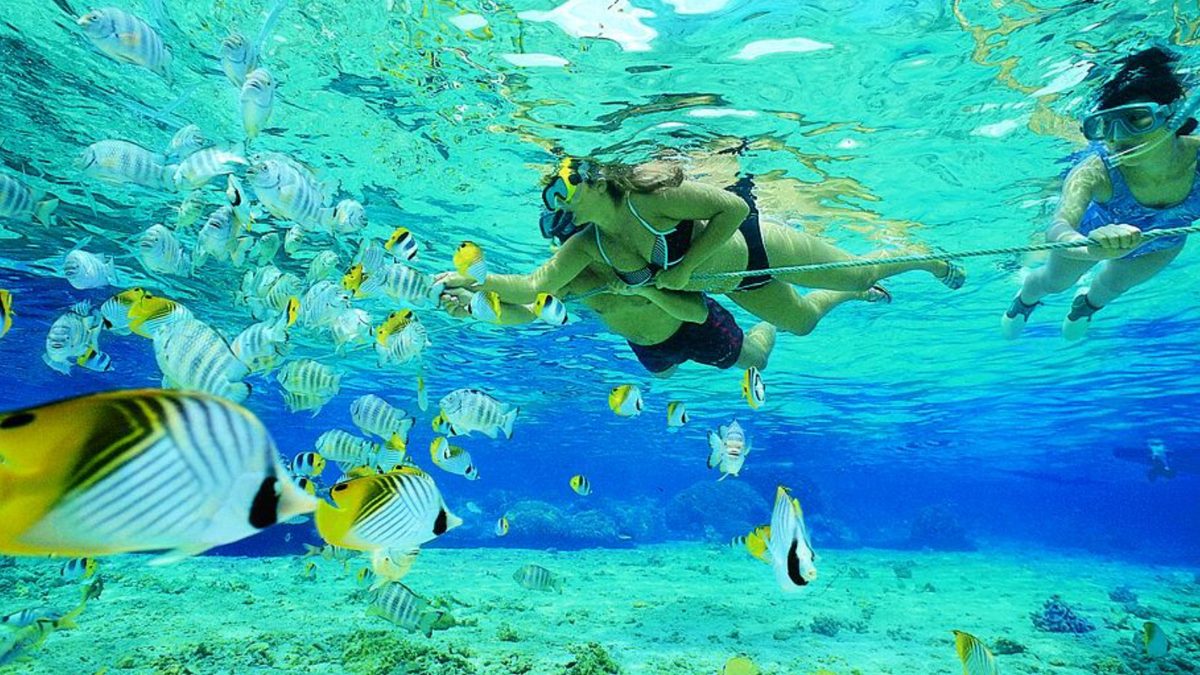
“The marine component is rich in species as well, with 53 corals, 812 molluscs and 991 reef fishes.”
“St Lucia provides home to 50 species of amphibians, 109 species of reptiles, including several that are endemic or threatened.”
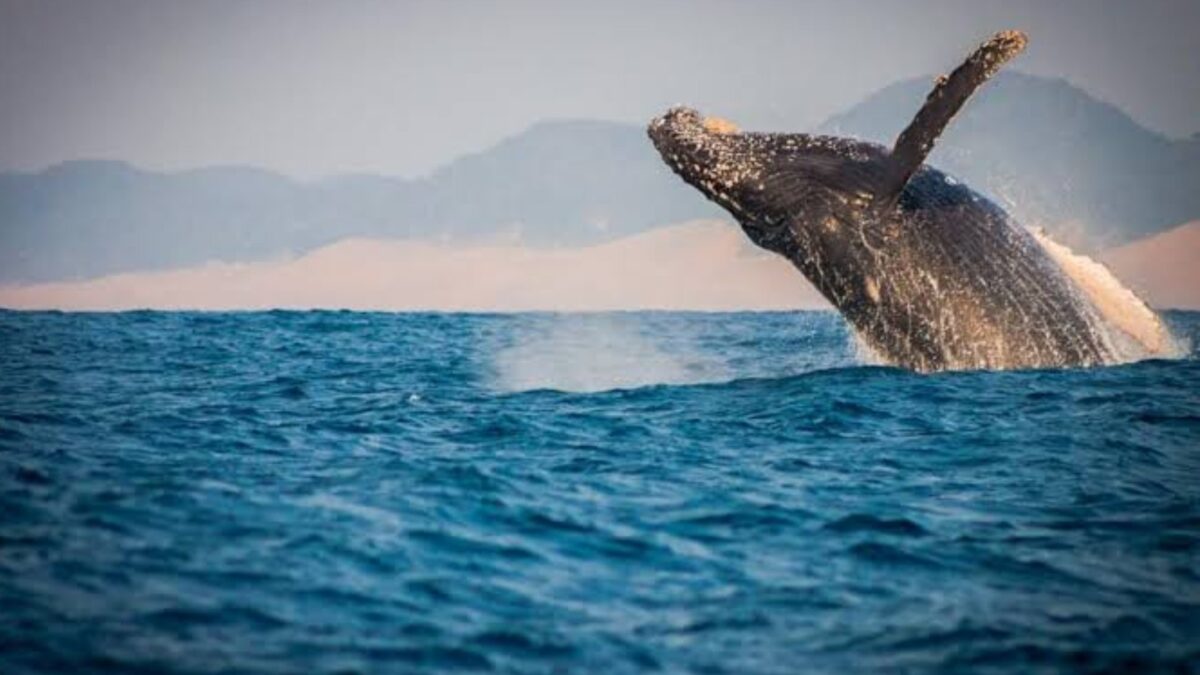
Marine life is complemented by seasonal migrations of humpback whales and a few dolphin species, which enjoy the warm Indian Ocean waters.
Birdlife is especially diverse, with 521 species, and the park is a major breeding ground for wetland and water birds.
However, what sets iSimangaliso apart from other natural World Heritage sites worldwide is its diverse range of terrestrial animals.
“None of these have the same terrestrial species complement as St. Lucia which among others has megaherbivores such as rhino and hippo and predators such as leopard,” said IUCN.
“St Lucia is distinct terrestrially with its range of saline and freshwater wetlands, estuaries, floodplains and savanna.”
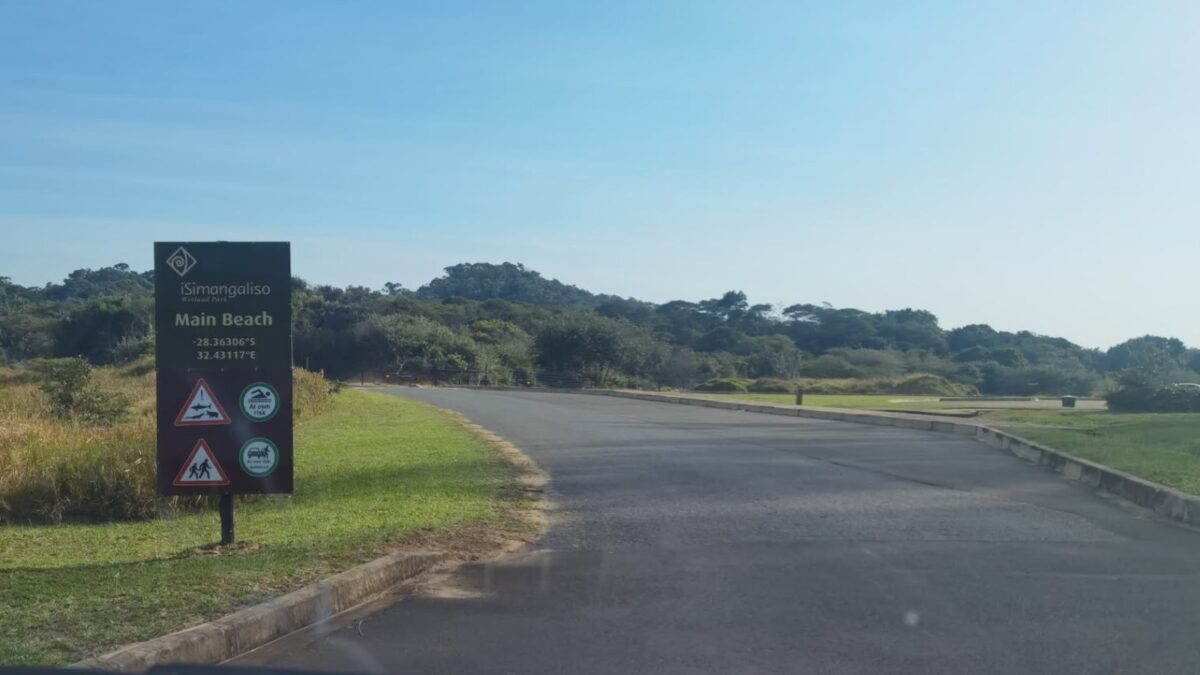
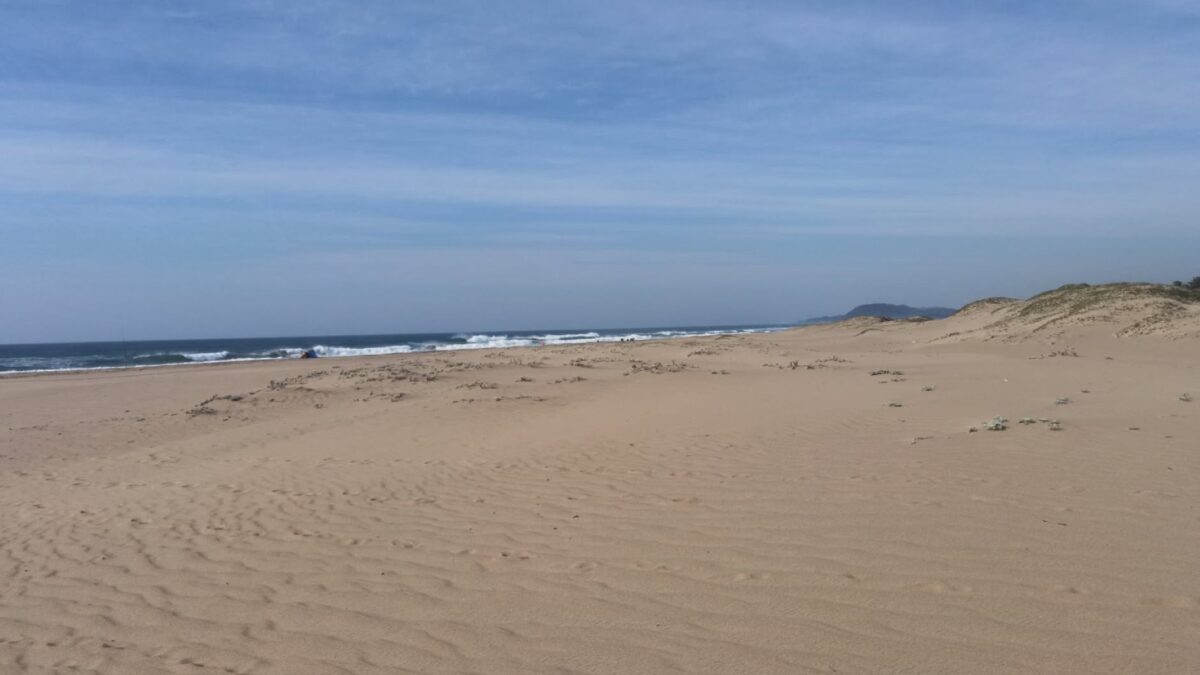
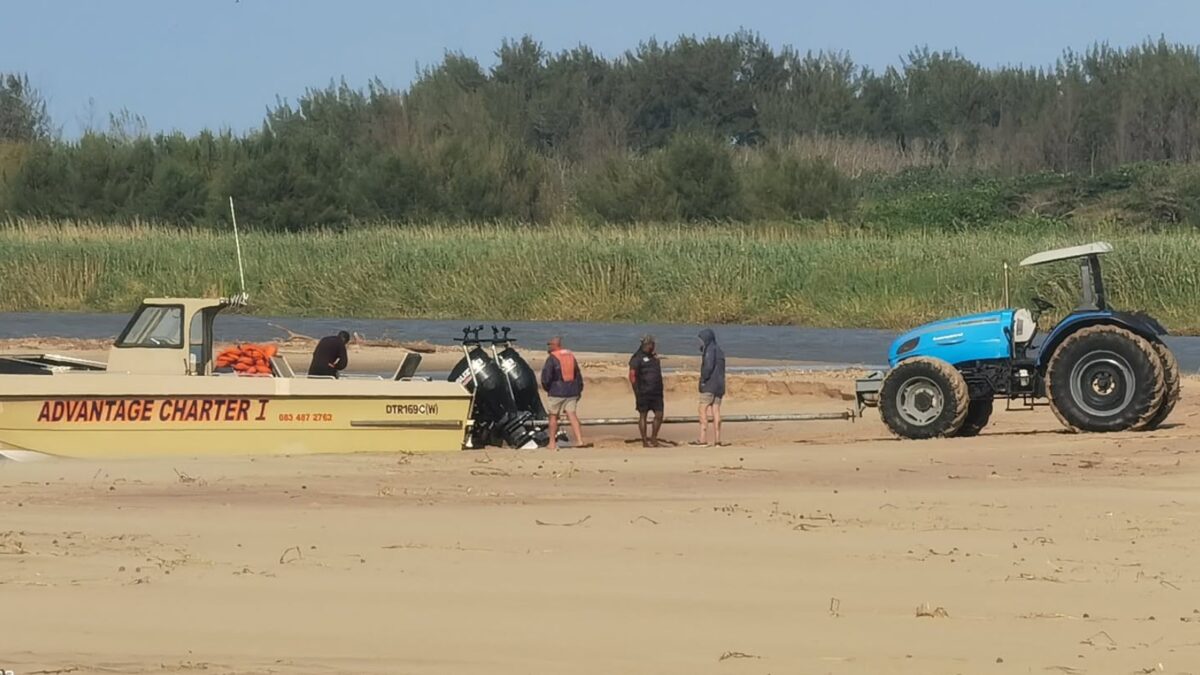
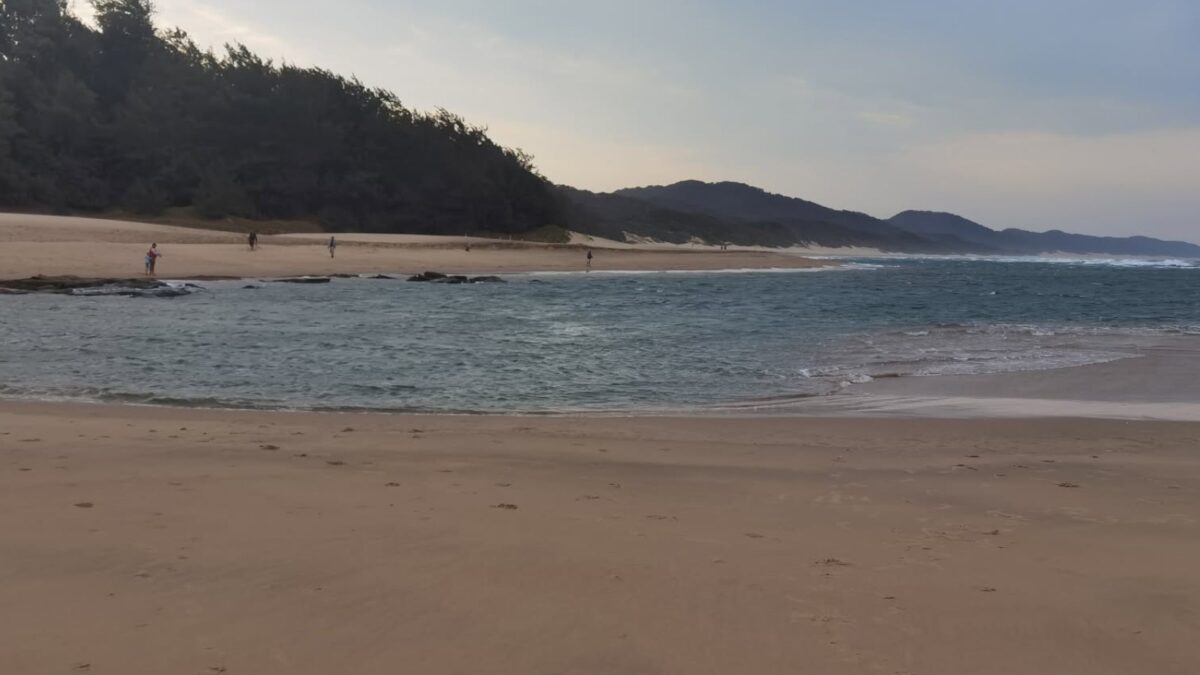
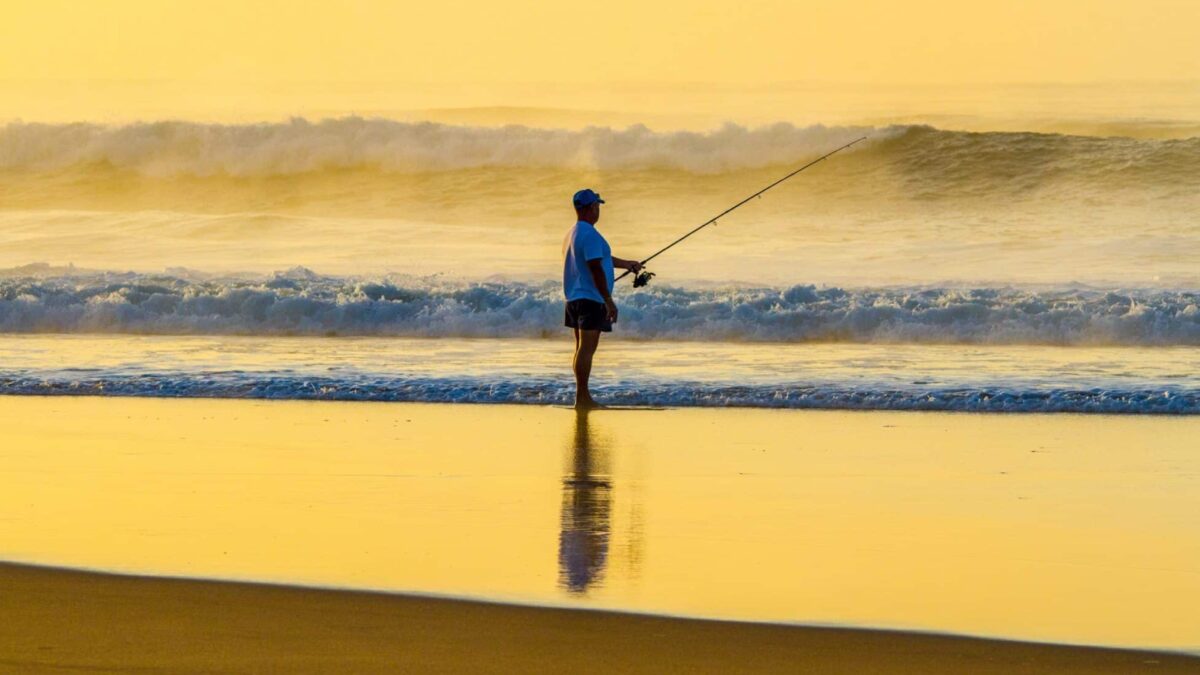
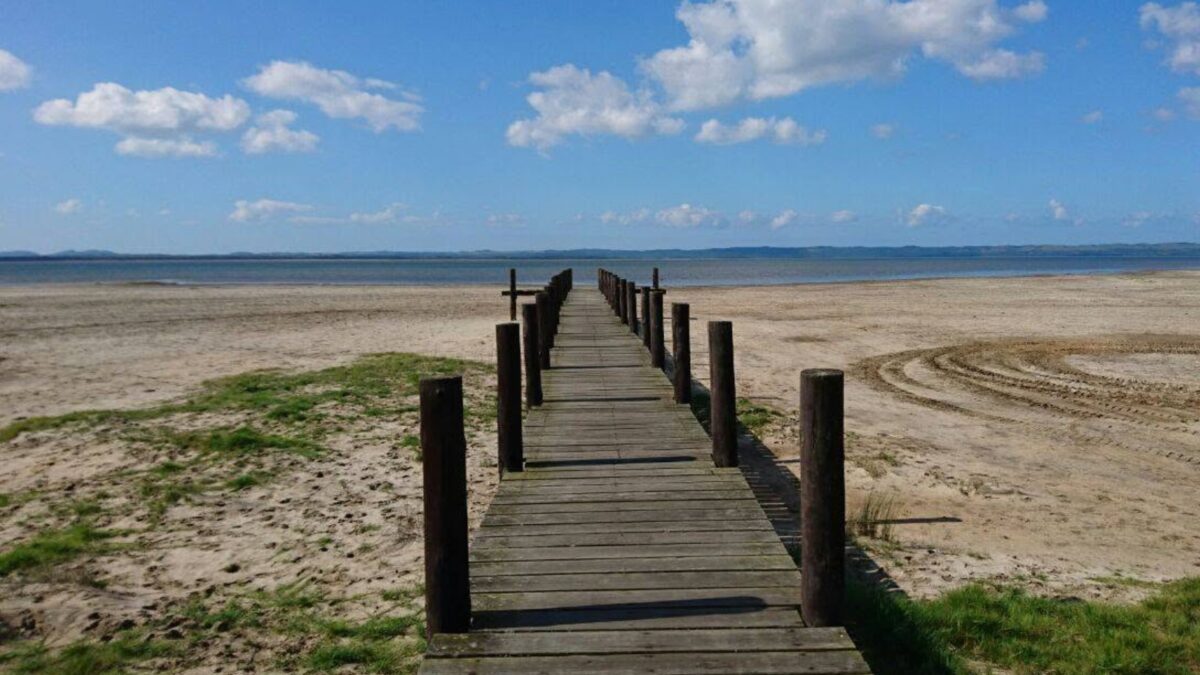
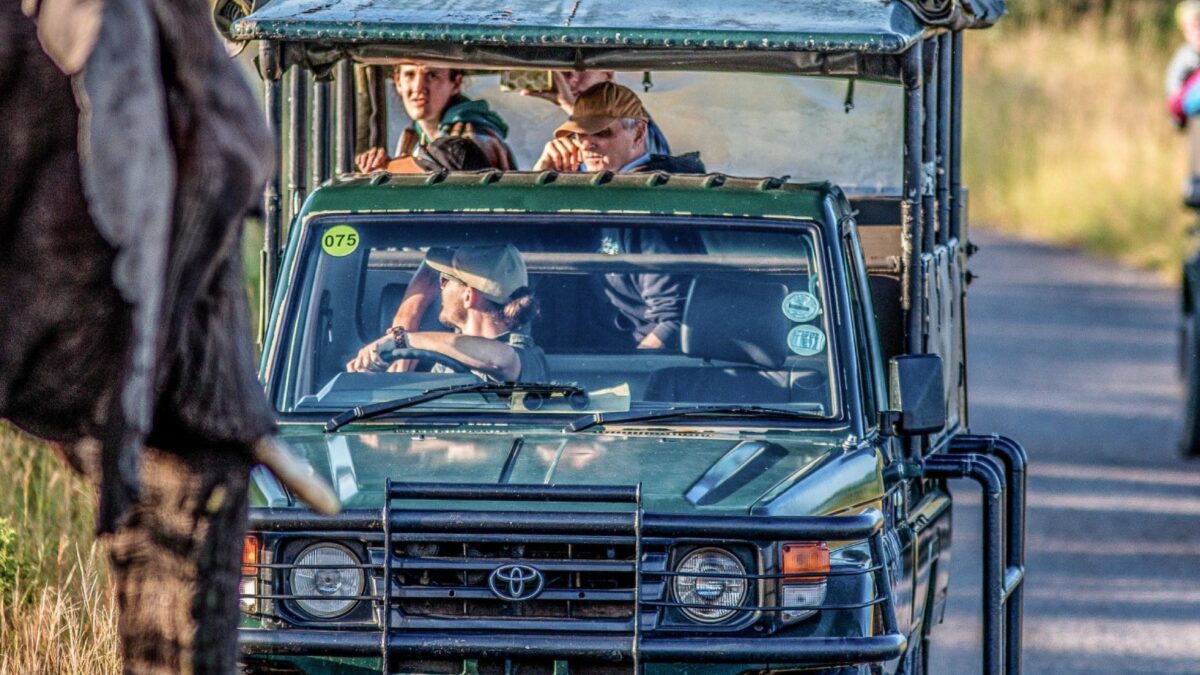
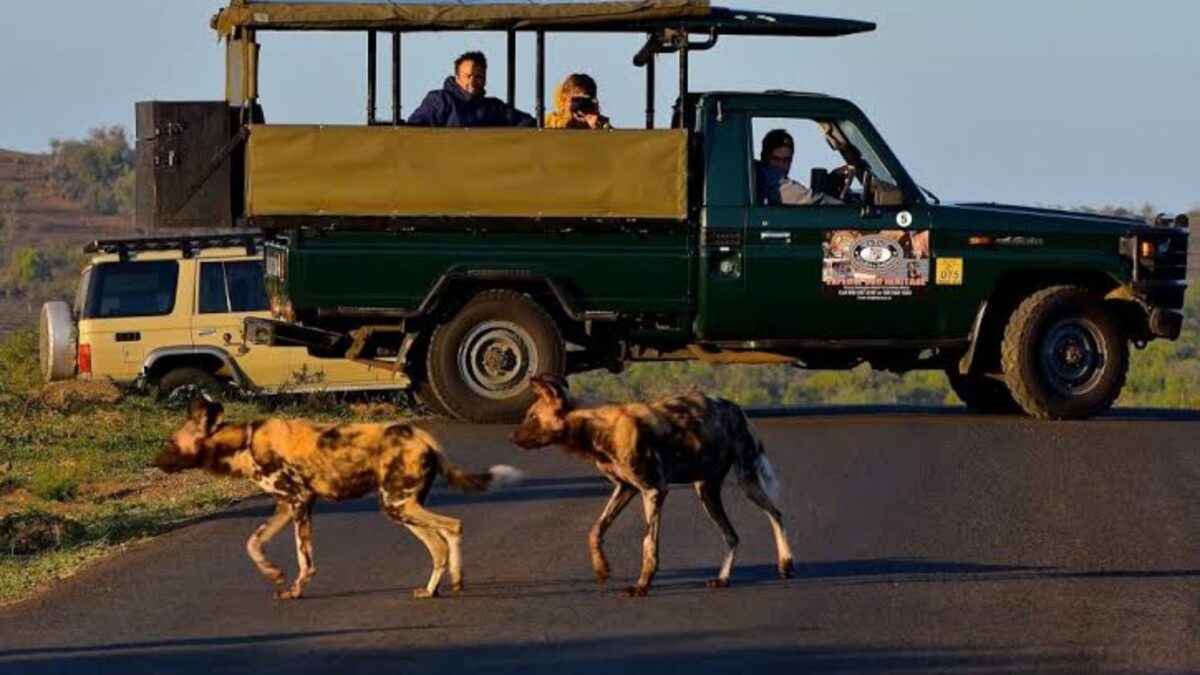
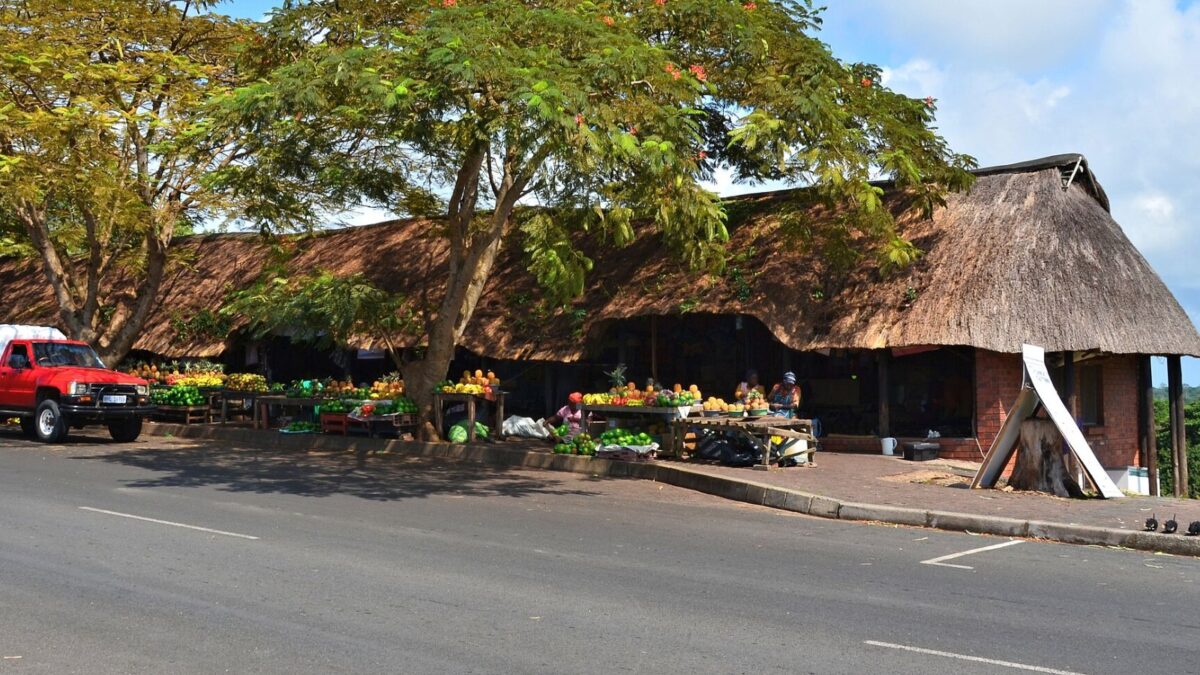
More photos of St Lucia






 Loading ...
Great to have some positive news about a town / village that maintains the nature a good and positive growth . We can do with more good news … please do not make the ANC aware of this …they will decent like locusts on them to drag that to the low standards they have mastered