
South Africa’s judicial capital collapsed in front of everyone’s eyes


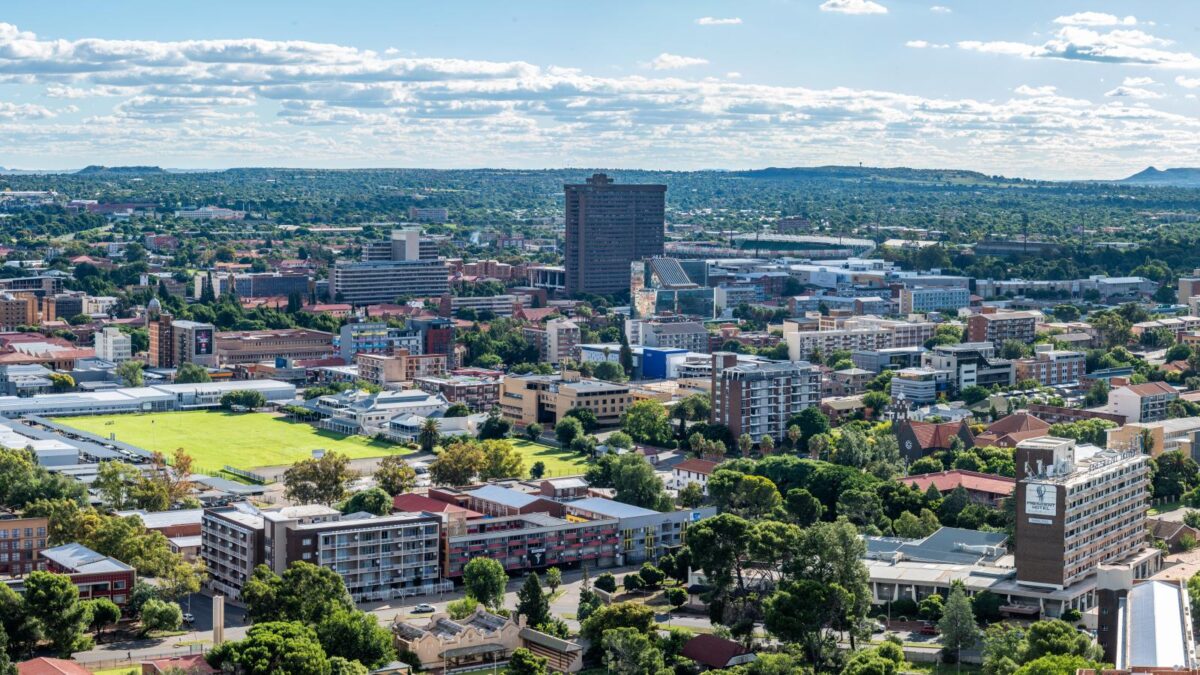
Bloemfontein, South Africa’s judicial capital, is the first metropolitan municipality to be placed under national administration due to poor financial management and failing service delivery.
Known as the City of Roses for the abundance of these flowers once found there, Bloemfontein has a long history.
As the capital of the Orange Free State Republic, Bloemfontein’s history centres on the two Anglo-Boer wars, which is why it is today home to the National Women’s Monument and war museum.
Bloemfontein is also the birthplace of the author of The Lord of the Rings, J. R. R. Tolkien, and the African National Congress (ANC).
Despite being the country’s judicial capital and home to the Supreme Court of Appeal, the Mangaung Metro Municipality suffers from severe financial problems and widespread infrastructure collapse.
Mangaung – which encompasses Bloemfontein, Botshabelo, and Thaba ‘Nchu – was placed under provincial administration in 2019, escalating to full national administration in April 2022.
Despite a Cabinet-appointed representative and a Financial Recovery Plan, governance remains crippled by political infighting, lack of consequence management, and leadership instability.
This is according to the Auditor-General, which singled out Mangaung as a high-risk metro, citing nine consecutive years of uncertainty regarding its status as a going concern.
In recent audits, Mangaung moved backwards. They went from an unqualified audit to a qualified audit, due to unreliable data and poor internal controls.
Several groups – particularly the Democratic Alliance and AfriForum – have called for the removal of the City Manager, Sello More, as a result.
The metro owes billions to Eskom and hundreds of millions of rands to Vaal Central Water, despite losing nearly 50% of its purchased bulk water to pipe leaks, illegal connections, and billing failures.
Total annual water losses amount to nearly R500 million, while electricity losses exceed R1 billion over the last four years.
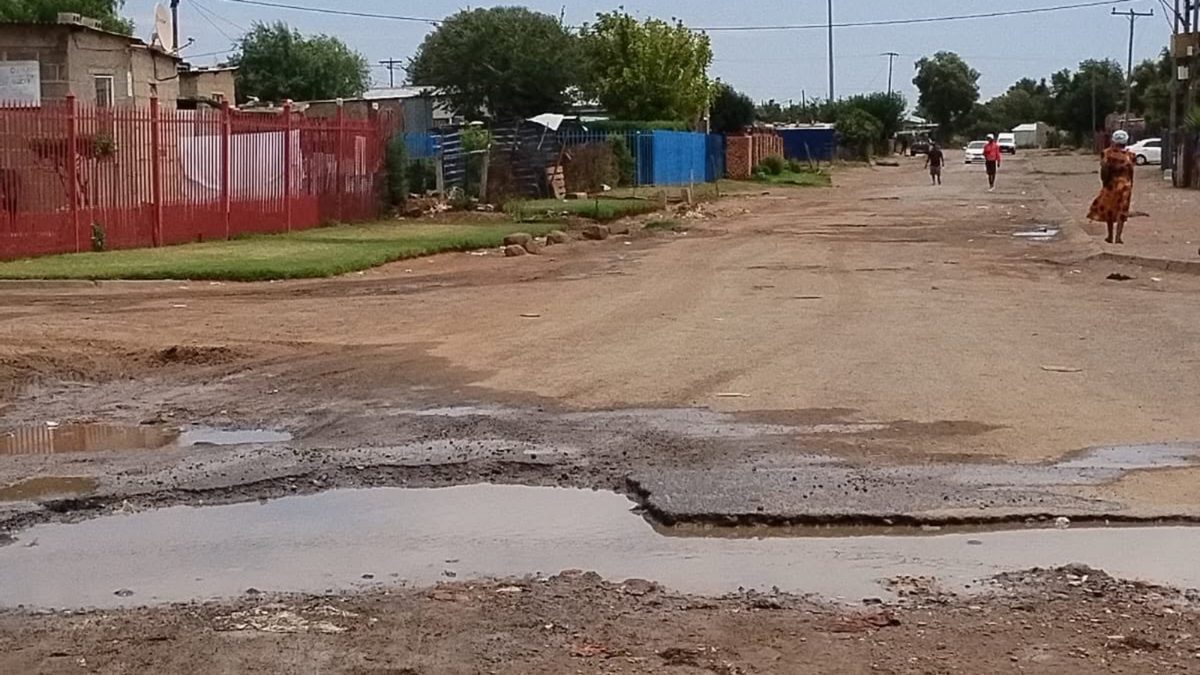
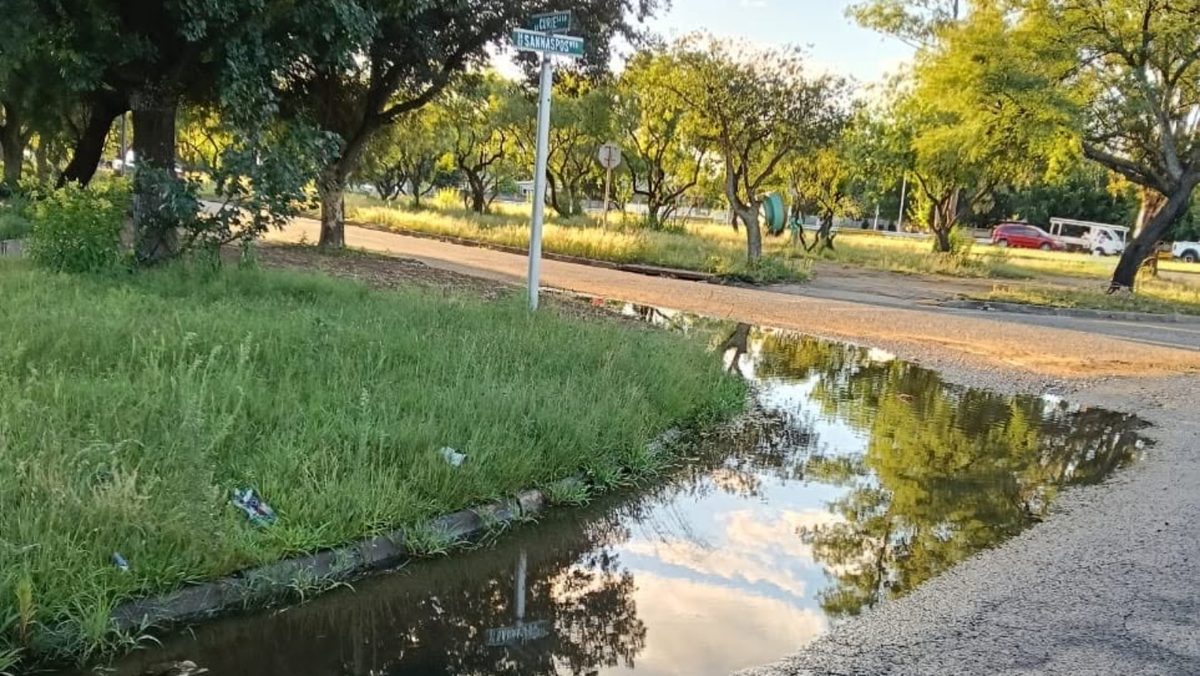
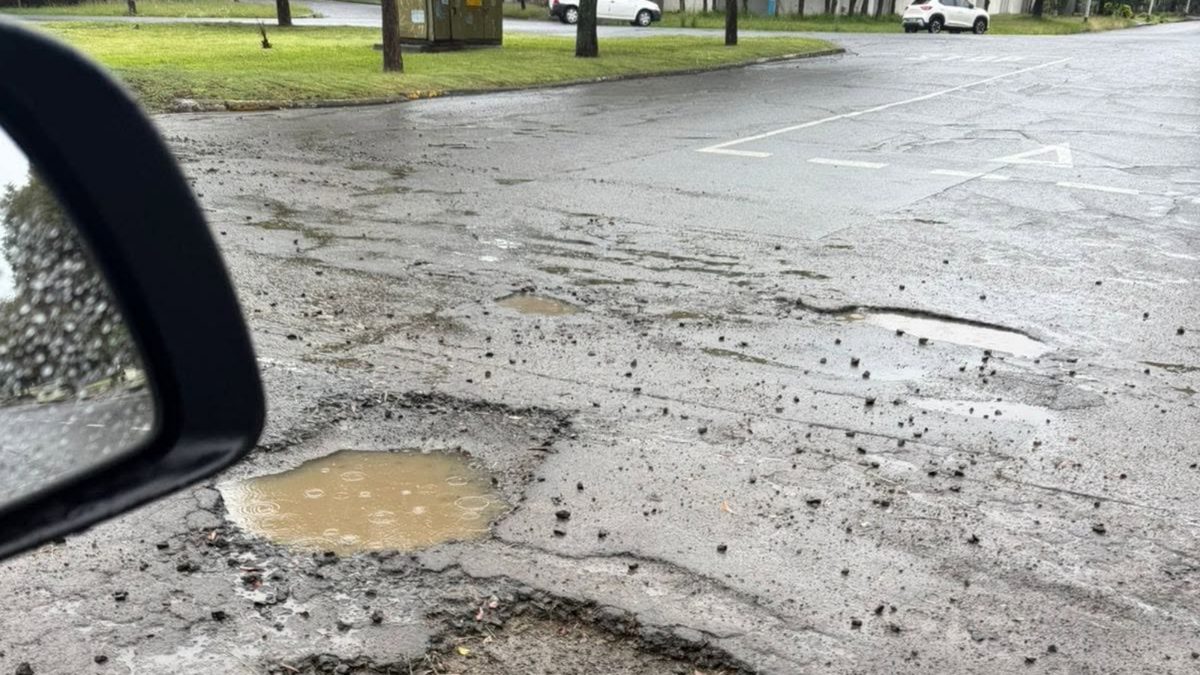
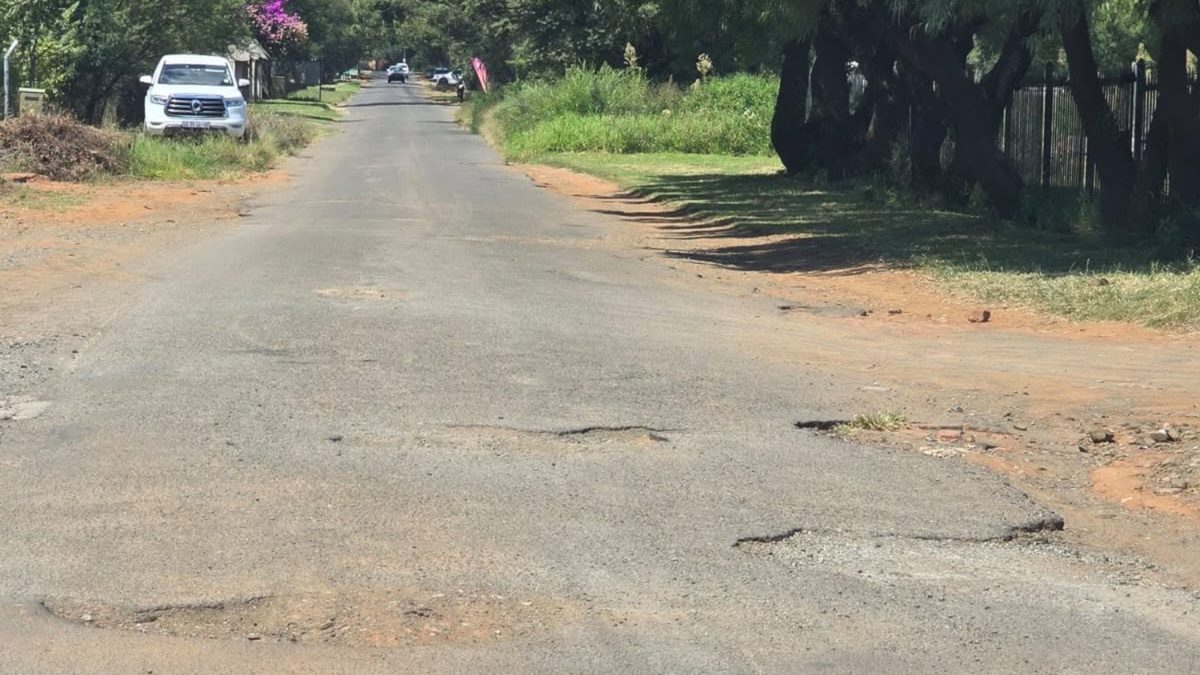
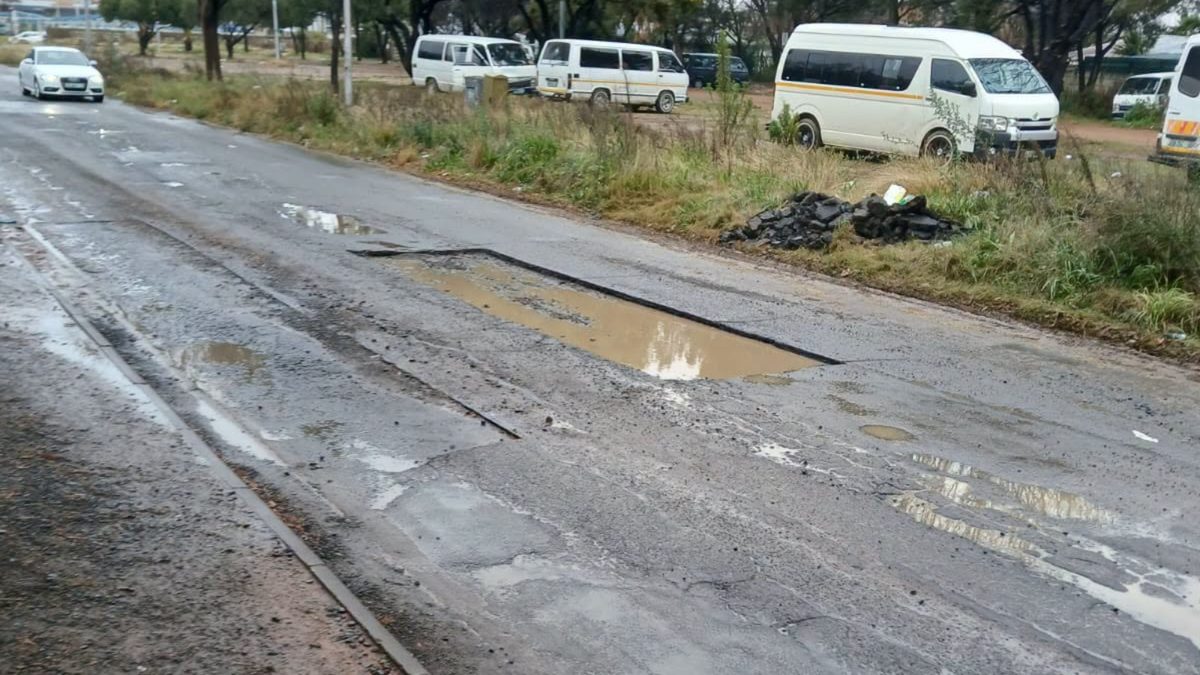
Roads across Bloemfontein are constantly in a poor state, while water and electrical infrastructure suffer from long backlogs of routine maintenance, resulting in frequent interruptions.
Despite this, the municipality routinely returns hundreds of millions in unspent conditional grants to the National Treasury, including funds earmarked for upgrading informal settlements.
In total, Mangaung has accumulated R5 billion in unauthorised expenditure over four years, with the SIU ordered to investigate serious maladministration and unlawful spending.
A metro that cannot even collect refuse
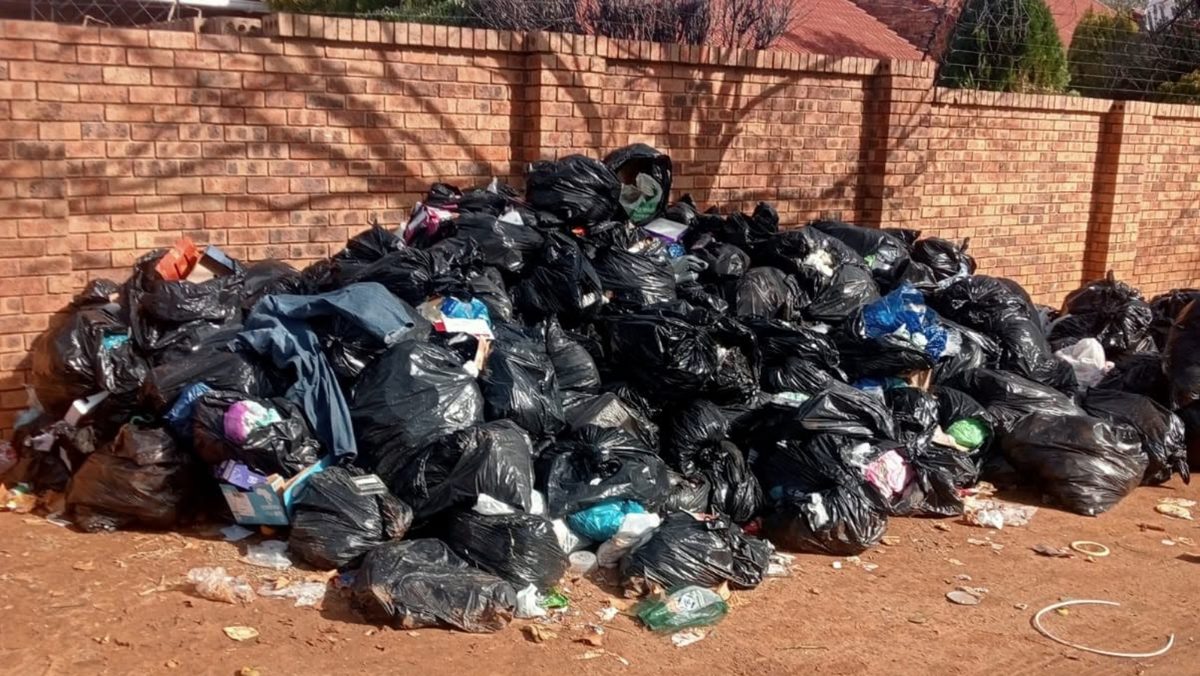
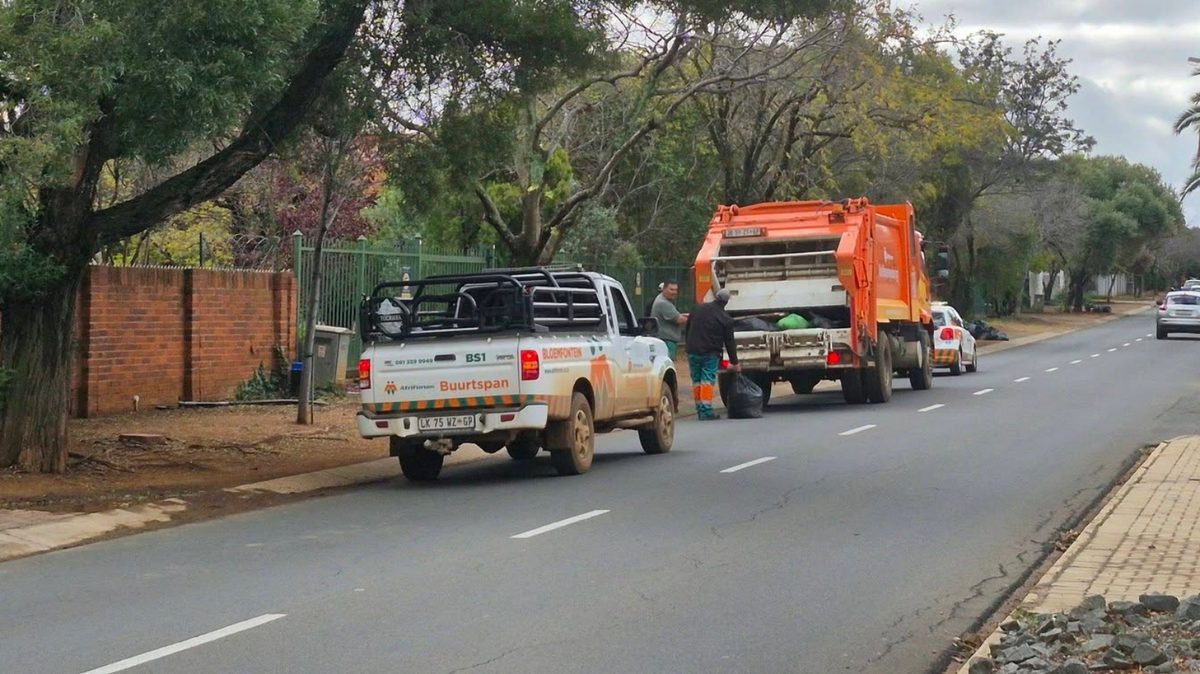
For years, one of the biggest points of contention in the city has been Mangaung’s failure to collect refuse around Bloemfontein, Botshabelo, and Thaba ‘Nchu.
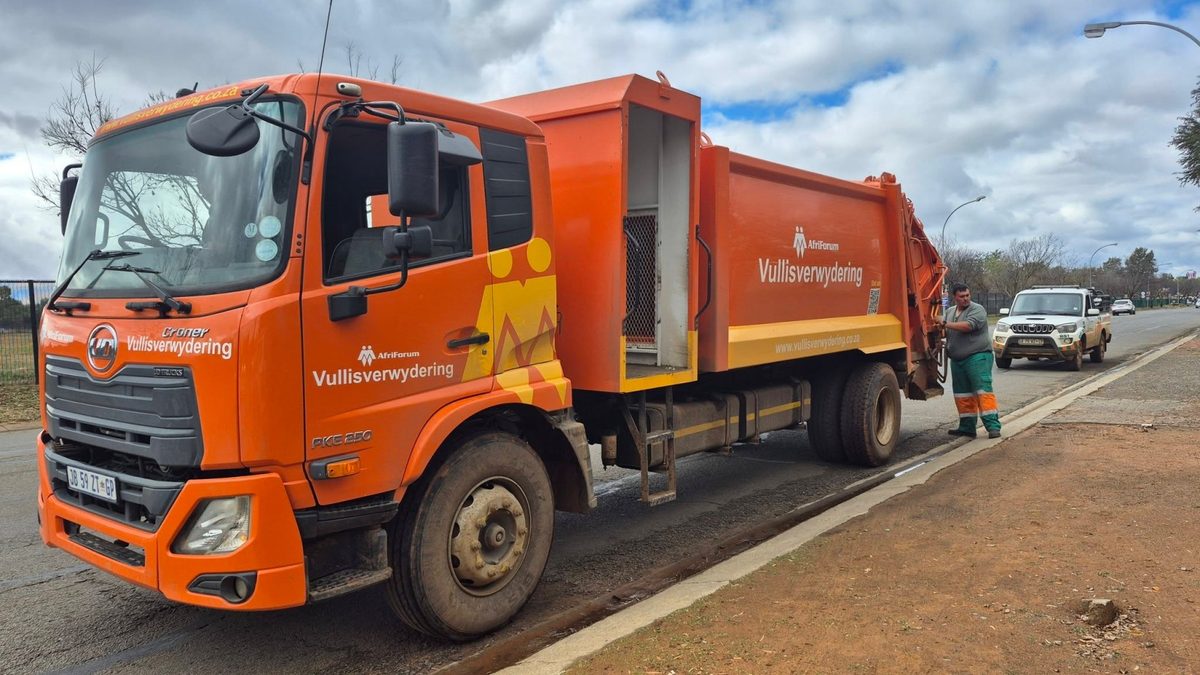
To combat this, civil rights organisation AfriForum established its own refuse removal service, one that rivals the city’s, and today includes a bright orange refuse removal truck.
Late in 2020, the group sent a letter of demand to the municipality regarding its poor refuse removal track record, to which it never received feedback.
“The Mangaung Metro is failing to fulfil its real duties towards the community,” said Jaco Grobbelaar, AfriForum’s Head of Community Structures for the central region.
“In addition, refuse that has been standing on the side of the street for months poses both a health and safety risk to the community, and it is our duty as a civil rights organisation to ensure that basic services are delivered and civil rights are protected.”
Grobbelaar noted that municipal service delivery will in future only worsen as a result of corruption among municipal officials.
“The best solution for this is to start delivering services such as refuse removal ourselves,” he said.
In June 2026, AfriForum’s refuse removal service removed nearly 80 tonnes of refuse in the Mangaung Metro.
“While billions of rands are wasted, residents are left without reliable refuse collection services and a municipality that cannot even afford diesel for refuse collection trucks,” Grobbelaar said.
Despite these ongoing failures, the City Manager awarded himself a salary increase of approximately R700,000 per year, which Grobbelaar called a slap in the face of taxpayers.
As a result, many residents who employ private refuse removal services are fighting for the metro to remove the associated levies from ratepayers’ accounts, and some are winning.
Last year, the High Court ruled that Mangaung had to remove this levy from the accounts of residents of Woodland Hills Estate, since it was no longer delivering the service.
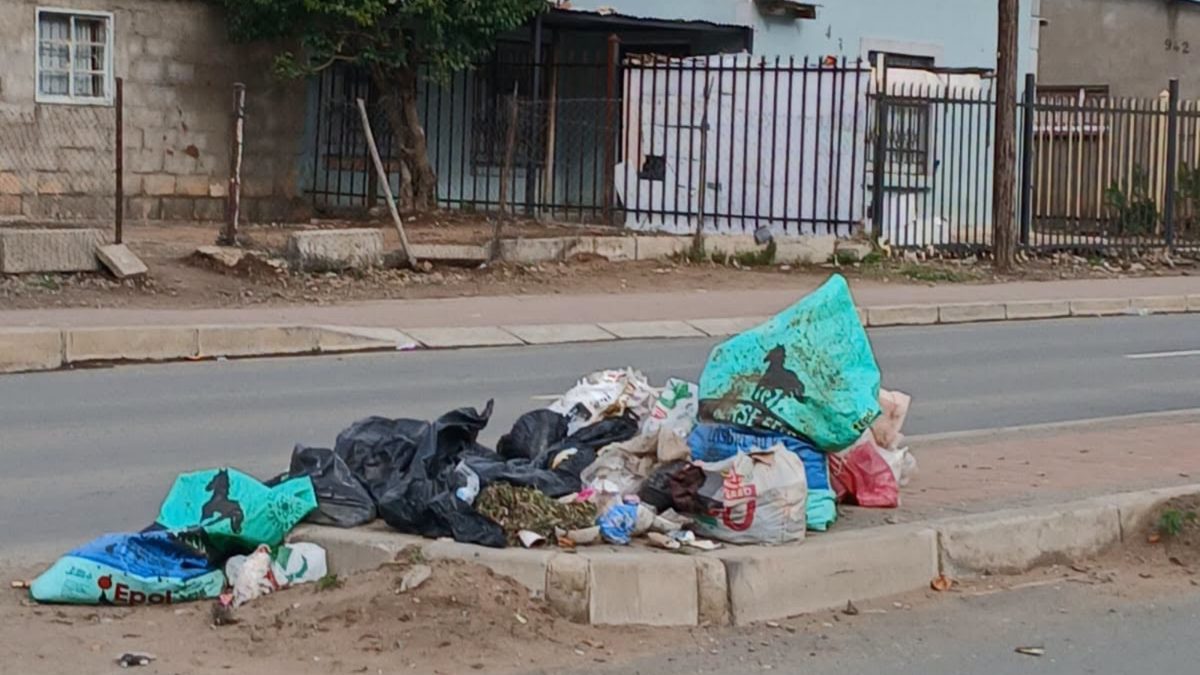
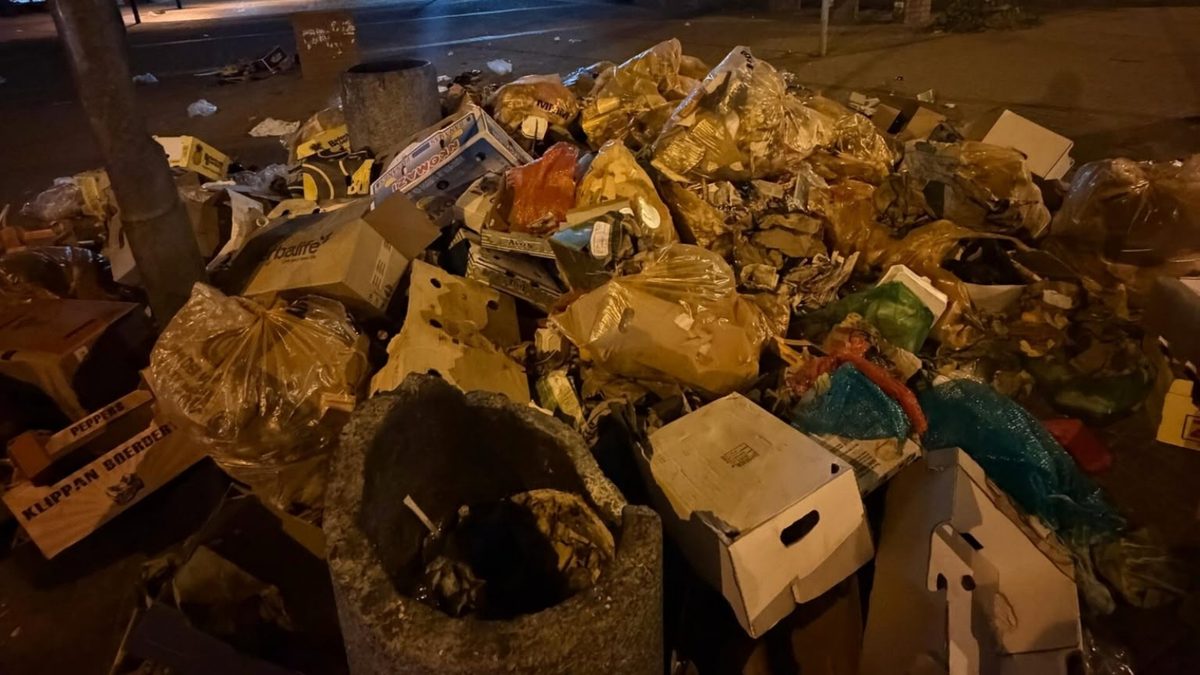
Bloemfontein’s service delivery failures




 Loading ...
Truluy tragic for the people living there amid slowly all regressing services everyday in what one knows has been working and can improve.
Almost like a mirror image of Johannesburg ,Pretoria, Grahamstad, Graaff -Reinet, Mafeking , Knysna this list goes on for over 180 municipalities All being wrecked .
The one common factor is yes the party called the ACTUAL NO CLUE or AKA the ÀNC . This is truly an unequalled achievement in any country ever …. Proudly destructed by the ANC deserving recipients of the ORDER OF THE TURD , given by the citizens .who have had enough .