
A new mafia is growing across South Africa


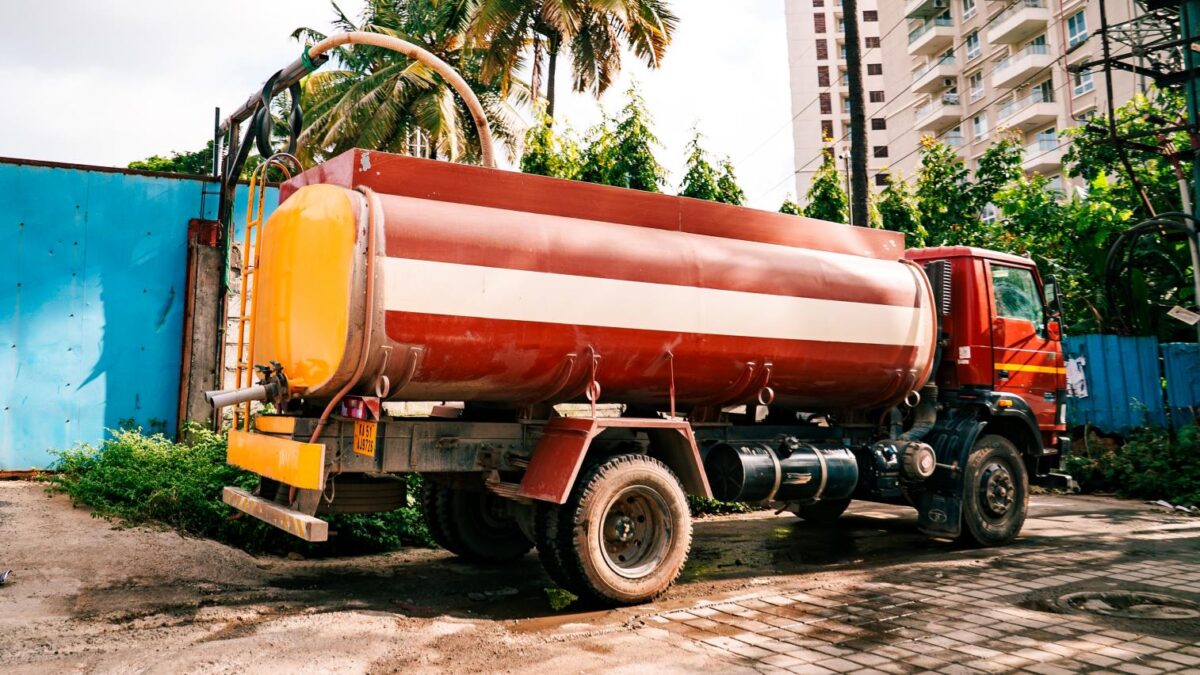
South Africa has seen the rapid growth of water tanker mafias across the country, which actively ensure municipal water systems remain broken.
The situation has reached such a concerning level that Water and Sanitation Minister Pemmy Majodina had to answer questions in Parliament about it.
She was questioned about the growing reliance on water tankers in many South African communities for prolonged periods.
The high cost of these water tankers diverts funds from water infrastructure maintenance, which, in turn, exacerbates the problem.
The water crisis across South Africa was caused by governance failure, financial mismanagement, and a loss of technical capacity.
However, it has now evolved into entrenched corruption linked to water tanker mafias, which profit from the broken water system.
The business model of a water tanker company relies entirely on engineered scarcity, like unexpected water outages.
If a municipality fixes its pipes and water flows normally, the tanker contracts are terminated.
To prevent revenue loss, water tanker syndicates actively ensure municipal systems remain broken.
Syndicates routinely track municipal repair teams. Once a pipe, valve, or pump station is repaired, criminal operators physically sabotage it.
These water tanker mafias smash valves, cut cables, or intentionally block pipes to force an area back into a state of water crisis.
Municipal technicians and contractors trying to fix water infrastructure have faced physical threats, extortion, and armed intimidation, forcing them to abandon repairs.
South African municipalities collectively spent an estimated R2.32 billion on water tanker contracts in the 2024 financial year. This illustrates the scale of the problem.
Water and Sanitation Minister Pemmy Majodina sheds light on the issue
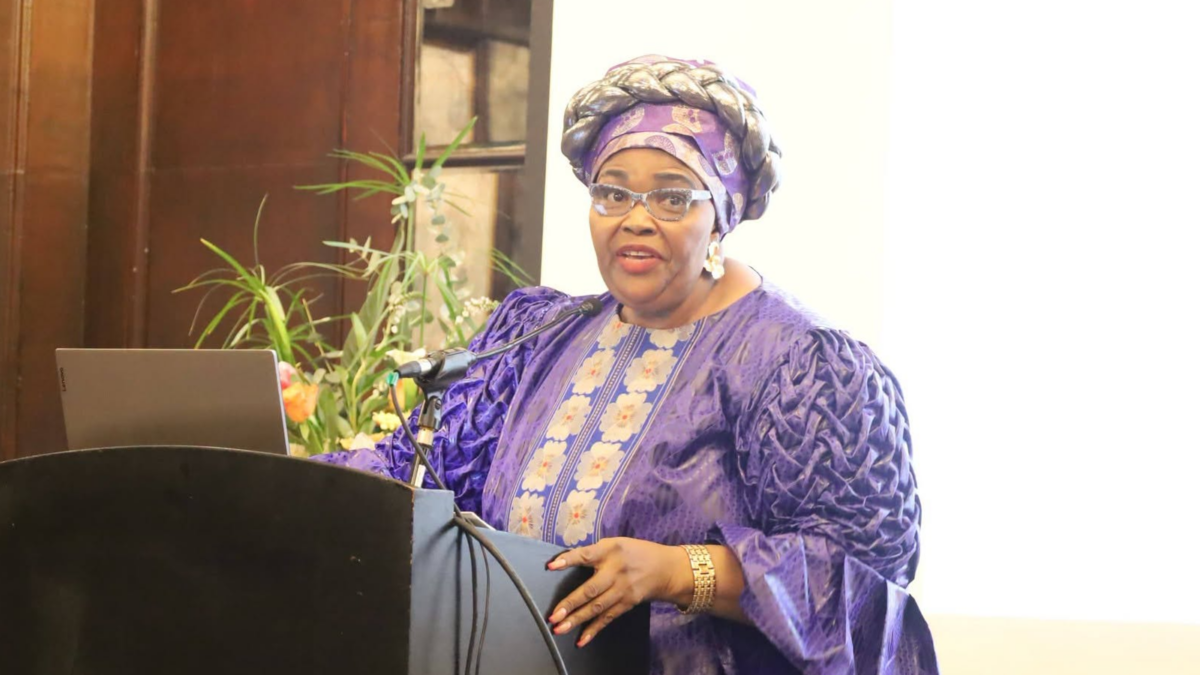
Member of the National Assembly Visvin Reddy asked Minister Pemmy Majodina about the growing reliance on water tankers.
He asked her what the total annual expenditure on water tanker services across South Africa was in 2025.
He also asked what plan her department has developed to reduce dependency on water tanker services through permanent infrastructure interventions.
Majodina did not provide details on how much the government spend on water tanker services in South Africa.
However, she said that the Department of Water and Sanitation (DWS), COGTA, and the Department of Human Settlements are investing in water services infrastructure.
In the 2026/27 financial year, DWS has allocated R12 billion through the Regional Bulk Infrastructure Grant (RBIG) and Water Services Infrastructure Grant (WSIG).
This funding supports 400 projects across the country, with 150 planned for completion during the current financial year.
This includes projects which provide access to unserved communities and the completion of delayed and incomplete projects.
“These projects will reduce non-revenue water and improve the reliability of the water supply,” she said.
“These grants will also be used to leverage additional investment by unlocking partnerships with the private sector and development institutions.”
She explained that many people in unserved rural and peri-urban areas rely on unlicensed private water vendors and municipal water tankers for access to water.
In response to these challenges, DWS has initiated a range of interventions to reduce long-term dependence on water tankering in affected communities.
“National Treasury has formally advised municipalities that water tankering should not be utilised as a long-term service delivery model,” she said.
“Municipalities have furthermore been encouraged to progressively insource tankering services through the acquisition and management of their own tanker fleets.”
Majodina added that there is additional pressure on municipalities requesting approval for expenditure on water tinkering.
“They must demonstrate measurable progress towards permanent infrastructure repairs, upgrades, or alternative sustainable water supply solutions,” she said.







 Loading ...
Who is the MAIN MANNE behind these mafiosi. I think we will be exremely surprised if we know who they are!!!
Sabotage has always been a VERY serious offence which deserved the DEATH sentence in the past. Why do the courts not hand out the absolute MAXIMUM sentence now where sabotage of the country’s infra-structure has become a common everyday misdemeanour instead of a crime of the highest order.
Bring back the death sentence for certain top order crimes ???????????