
The elite private school for boys that produced Harvard students and its own ‘Medical Mafia’


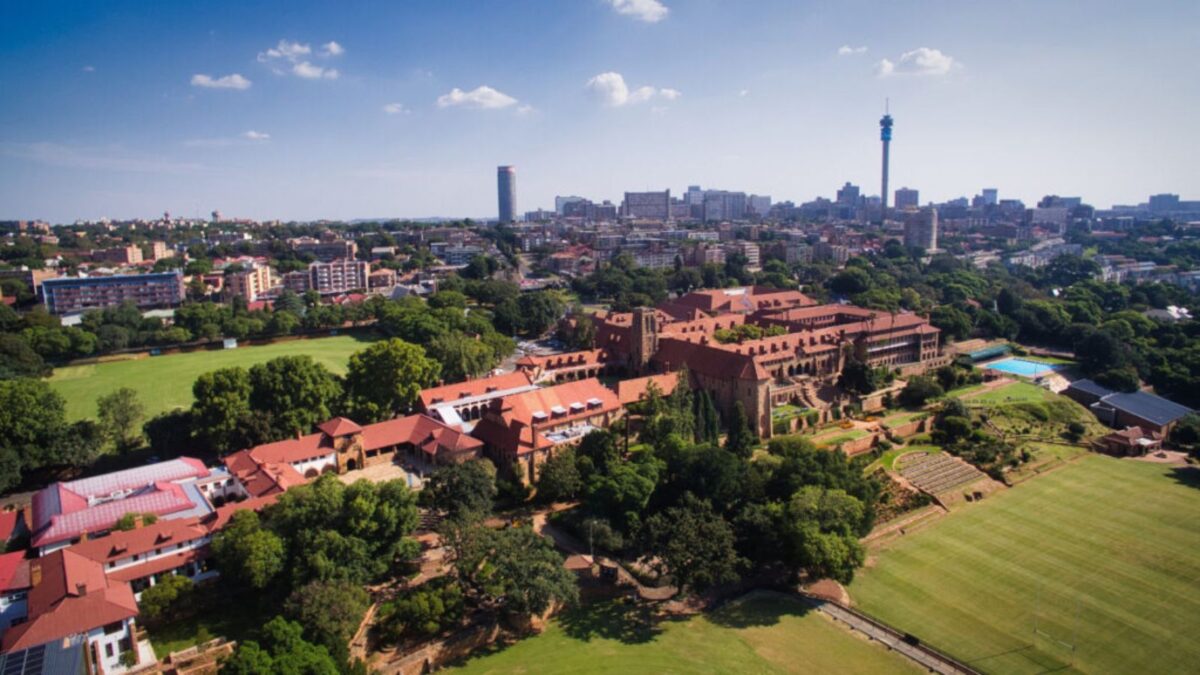
St John’s College, Houghton, has built up a reputation as one of South Africa’s best educational institutions over the past 128 years.
The college is known predominantly for its academic excellence, producing scholars who are accepted into top universities across South Africa and around the world.
Its academic prowess has led it to dominate admissions to the University of the Witwatersrand in particular.
The school’s strong presence in the medical department led to suspicions from the university’s vice-chancellor that there was a “St John’s Medical Mafia at work”.
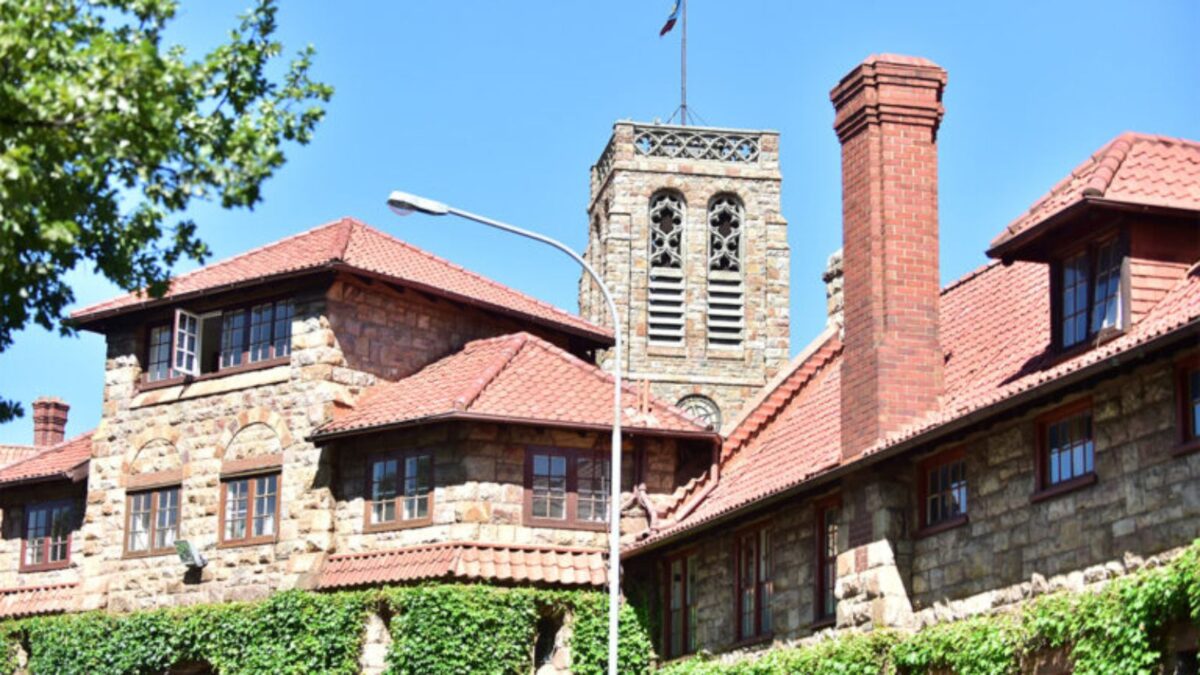
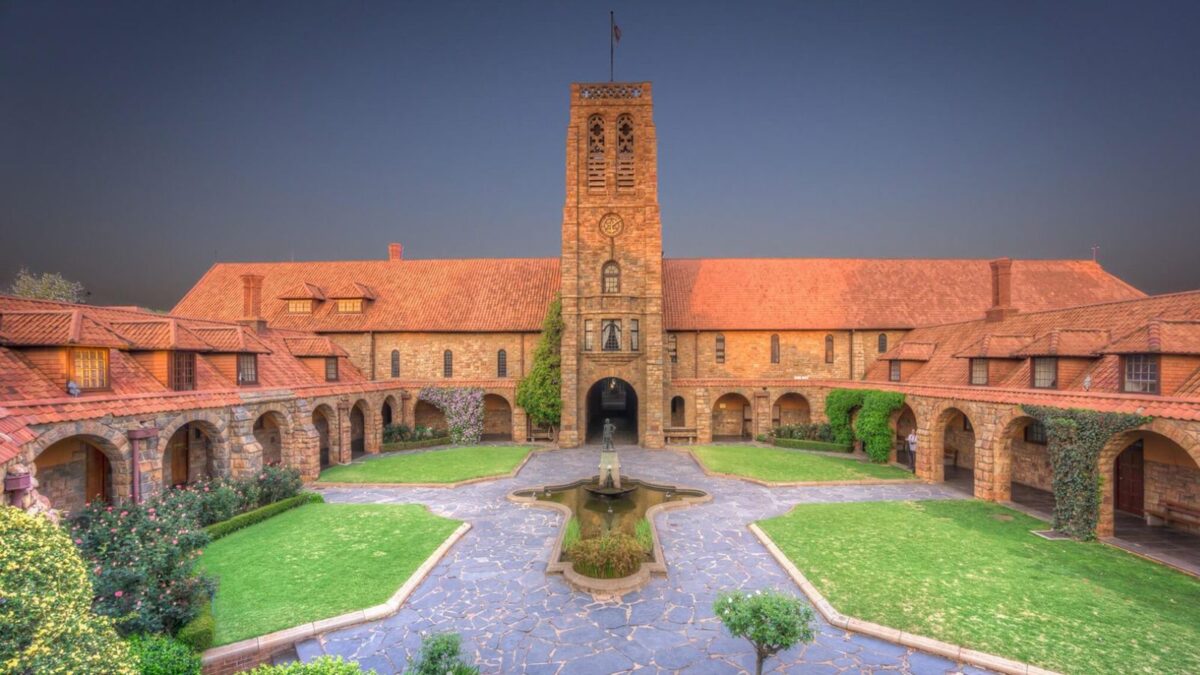
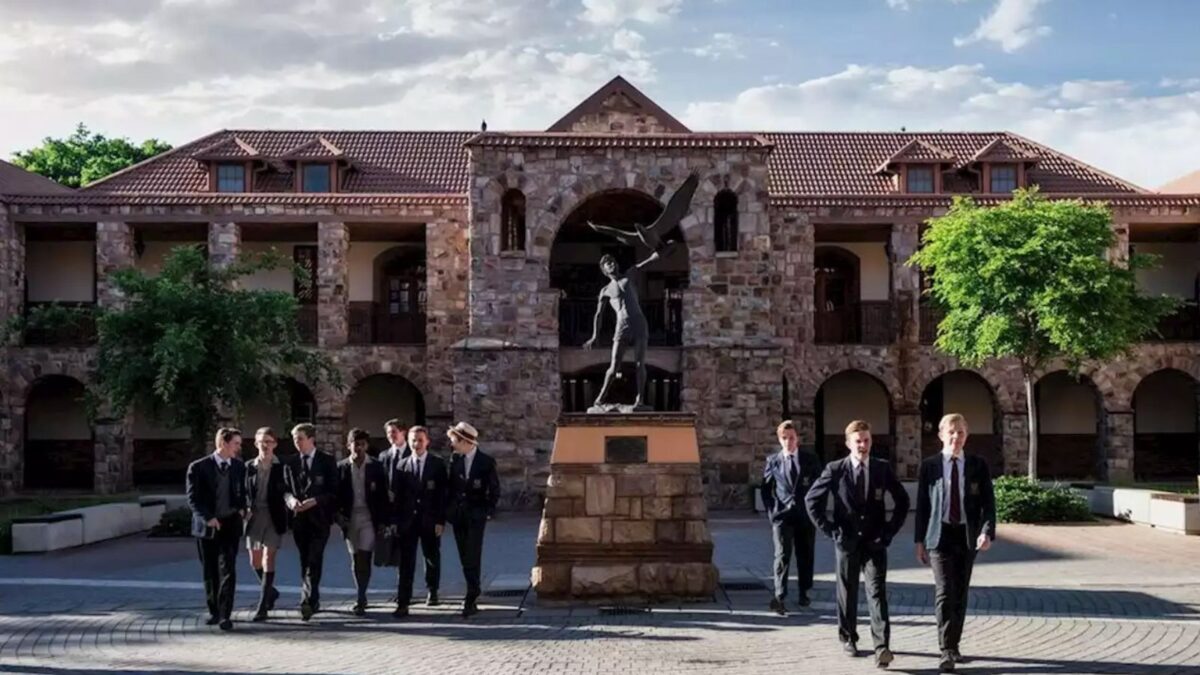
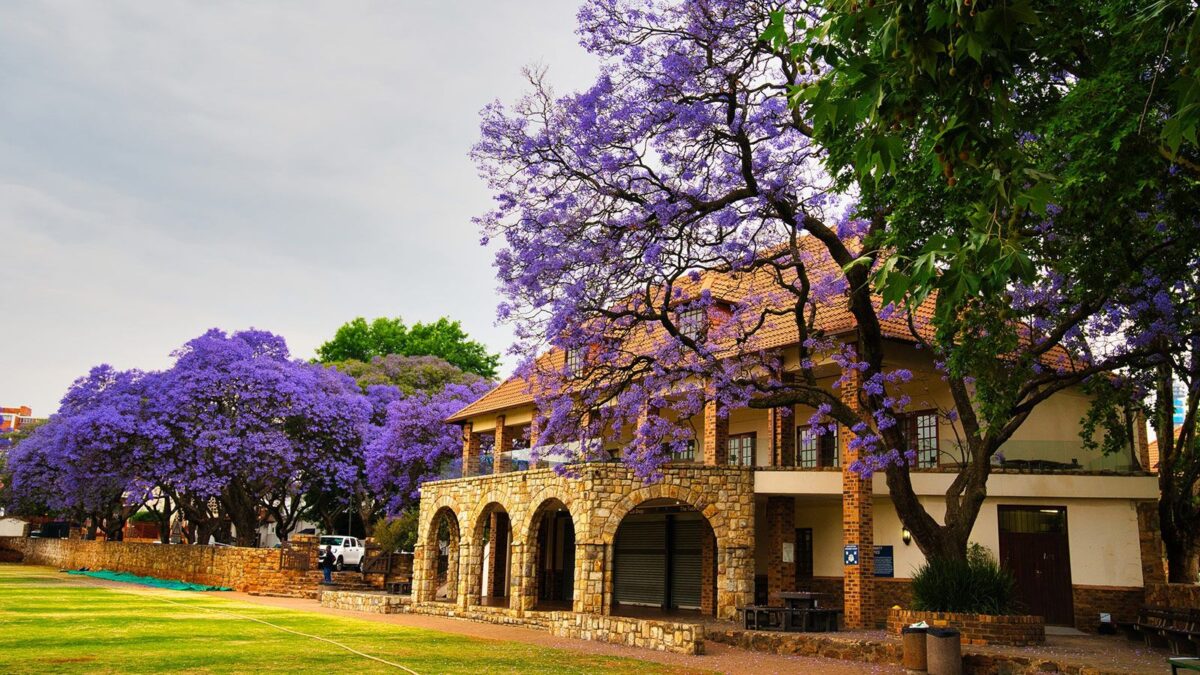
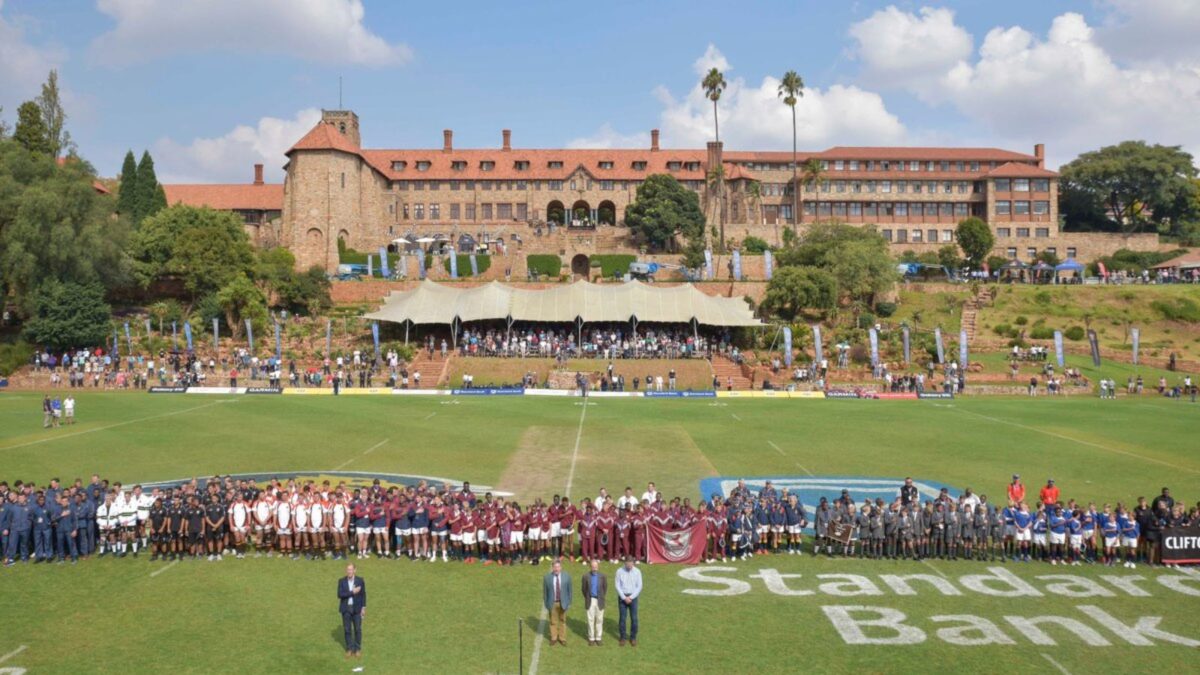
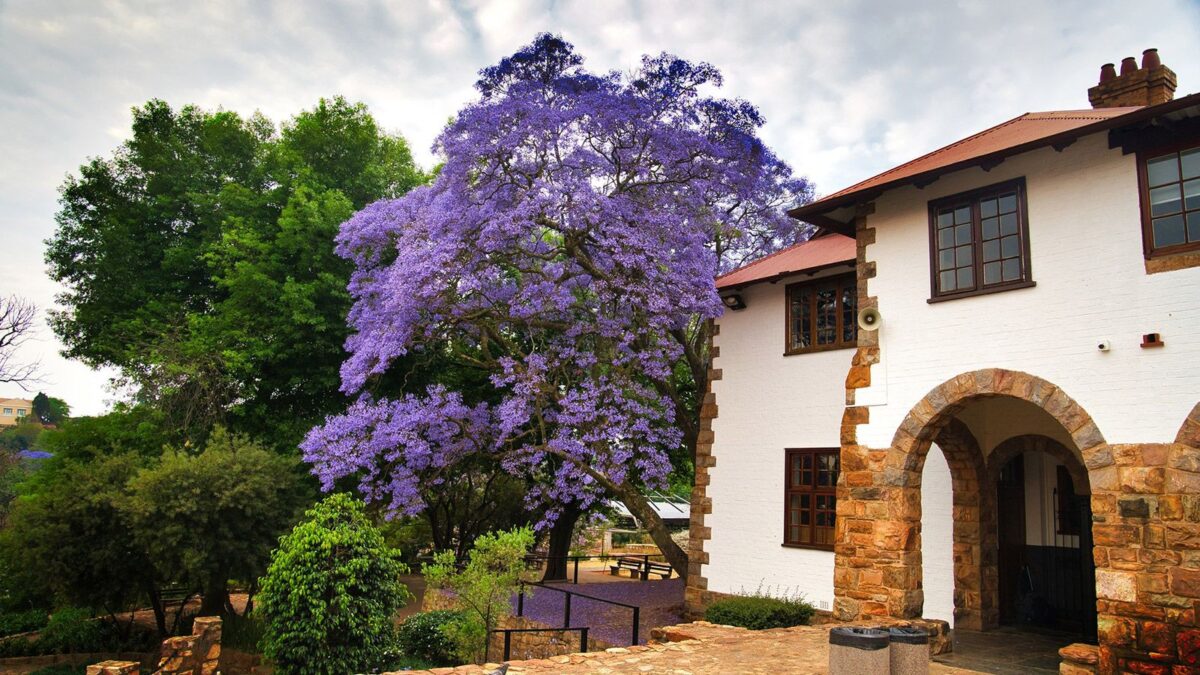
It is also regarded as one of the most beautiful schools in the world, often compared to the mythical Hogwarts for its grandeur.
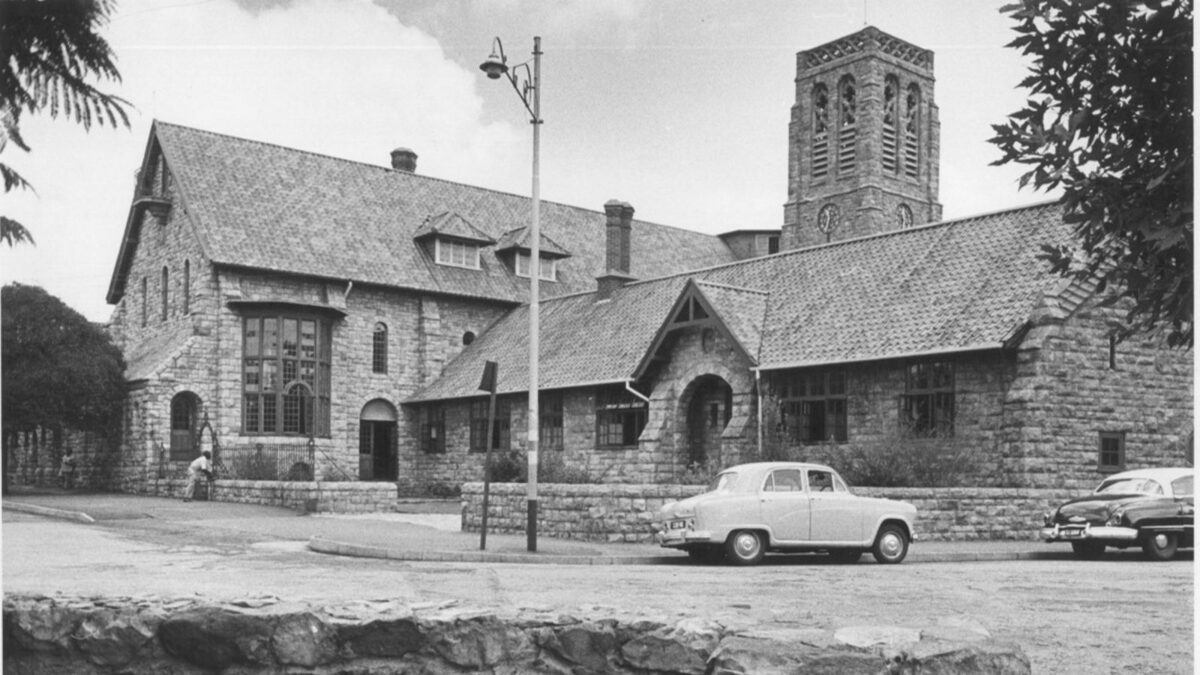
The iconic northern facade designed by Sir Herbert Baker looks down from Houghton Ridge towards northern Johannesburg and Pretoria.
Baker, who designed the Union Buildings, Groote Schuur, and Rhodes Memorial, did not complete the school, passing it to his protege Frank Fleming to finish.
However, St John’s was not always located atop Houghton Ridge with domineering views of the city, as it was founded in the heart of Johannesburg in a Villa on Plein Street.
Opened first as a parish school of St Mary’s Anglican Church on Eloff Street, St John’s was intended to be a choir school, producing boys to work in the famous church choirs of England.
Founded by the Rev John Darragh, who was rector of St Mary’s Church, the school was built in the Anglican tradition. Its first headmaster was the Rev Joseph Hodgson.
On its first day, six boys enrolled in the school on Plein Street. Growing rapidly, it had over a hundred students at the end of the first term.
Plans to expand were scuppered by the outbreak of the Second Anglo-Boer War, with the school losing most of its students as British sympathisers fled from the Transvaal.
The school temporarily shut its doors in 1900 as there was no one to teach the few boys that remained. The aftermath of the war was almost even worse.
As the school reopened its doors, Lord Milner imposed his education policies, opening English public schools across the Transvaal to give the state control over education and advance the British Empire’s interests.
These state schools, such as King Edward VII School, were deliberately opened close to private schools and were better-resourced as Milner tried to suffocate non-state education.
Once again, maintaining St John’s proved to be beyond the means of the Diocese of Johannesburg, and the school neared its second closure.
However, Archdeacon Michael Furse had a plan. He requested the Community of the Resurrection, an order of missionary priests, to take control of the school.
This would prove to be the school’s crucible moment, making it into the institution it is today both literally and figuratively.
Rising from the ashes
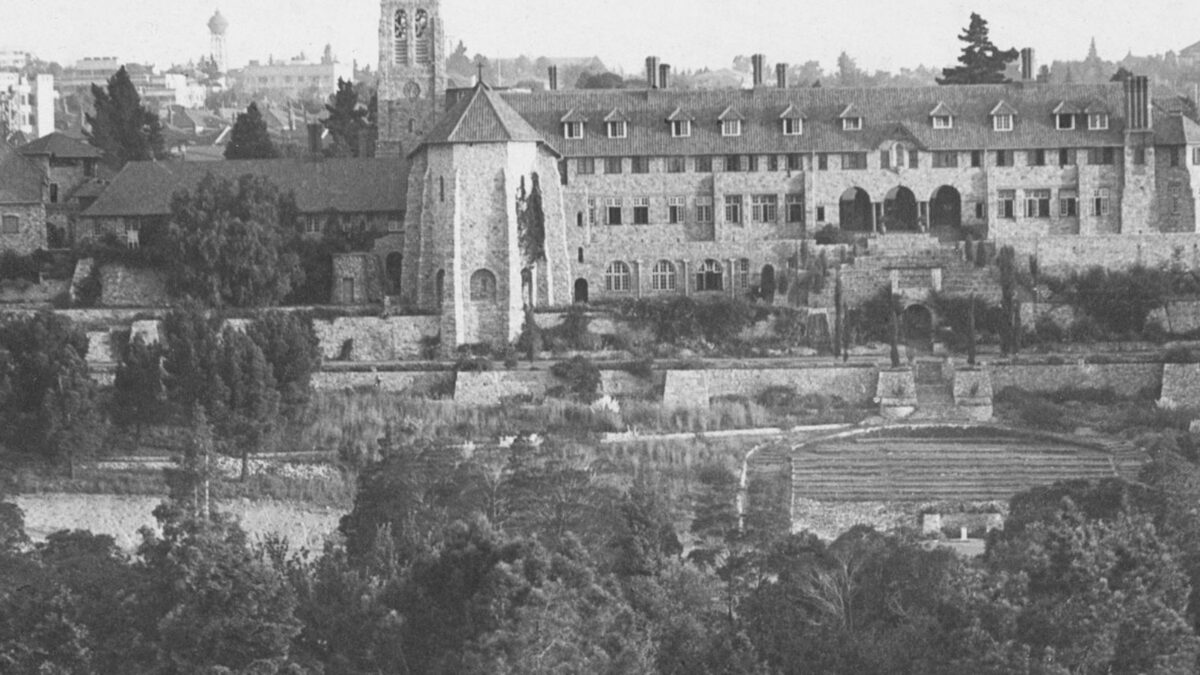
Hodgson resuscitated St John’s and grew the school to 120 boys by the end of 1902. He also moved it to the “Tin Temple” as the villa in Plein Street was inadequate.
St John’s real turning point came with the appointment of the Community’s Father James Okey Nash as its headmaster in 1906.
Nash wanted to build St John’s in the style of the great English public schools, such as Harrow and Eton. Through sheer luck and resilience, the school obtained a £5,000 donation from Sir Thomas Cullinan to develop new facilities.
The college was built on Houghton Ridge, on the northern outskirts of the city, where it is located today. Nash commissioned Baker to design its buildings.
Baker came up with most of the designs for the school, but Fleming did much of the grunt work. The school lacked funds, resulting in piecemeal, slow construction.
Nash and his successors retained faith and, “for the love of God alone, rendered service which made possible the survival and extension of the College”.
The Community of the Resurrection handed back control of the school to the diocese in 1934 after creating the foundations for an English public school in South Africa.
St John’s next transformative phase would come under Deane Yates, who was the first headmaster not to be an ordained priest.
Yates led the school from 1955 to 1970 and expanded its buildings to increase its student body and dominate the ridge.
During Yates’ tenure, the school also adopted the form it takes today, with a Pre-Preparatory, Preparatory, and College all on the same campus.
Today, the school also offers Cambridge A-Levels in its VI Form classes alongside an IEB Matric to around 750 students in the College.
Known for its academics, St John’s regularly ranks as the top boys’ school in South Africa, with a handful of its students gaining access to prestigious universities around the world.
Two members of the Class of 2025, Siza Gule and Menzi Bongwe, secured places at Harvard University through its Early Action Programme.
Gule, who achieved nine distinctions, plans to explore subjects such as law, politics, theatre, and literature. Bongwe, also with nine distinctions, intends to study economics.
They follow several other St John’s alumni who have been accepted to Harvard over the years.
Sazi Bongwe, head boy and dux scholar of the Class of 2021, matriculated with a 95.9% average and is currently studying English Literature and Philosophy at Harvard.
St John’s alumni include Clive Rice, legendary cricketer and the first captain of the modern South African national cricket team after international isolation.
Kai Luke Brümmer, the star of the film Moffie, is another famous St John’s College alumni.
Nhlakanipho Mkhize, as well as scientist Siyabulela Xuza and others linked to the school now form part of Harvard’s academic community.
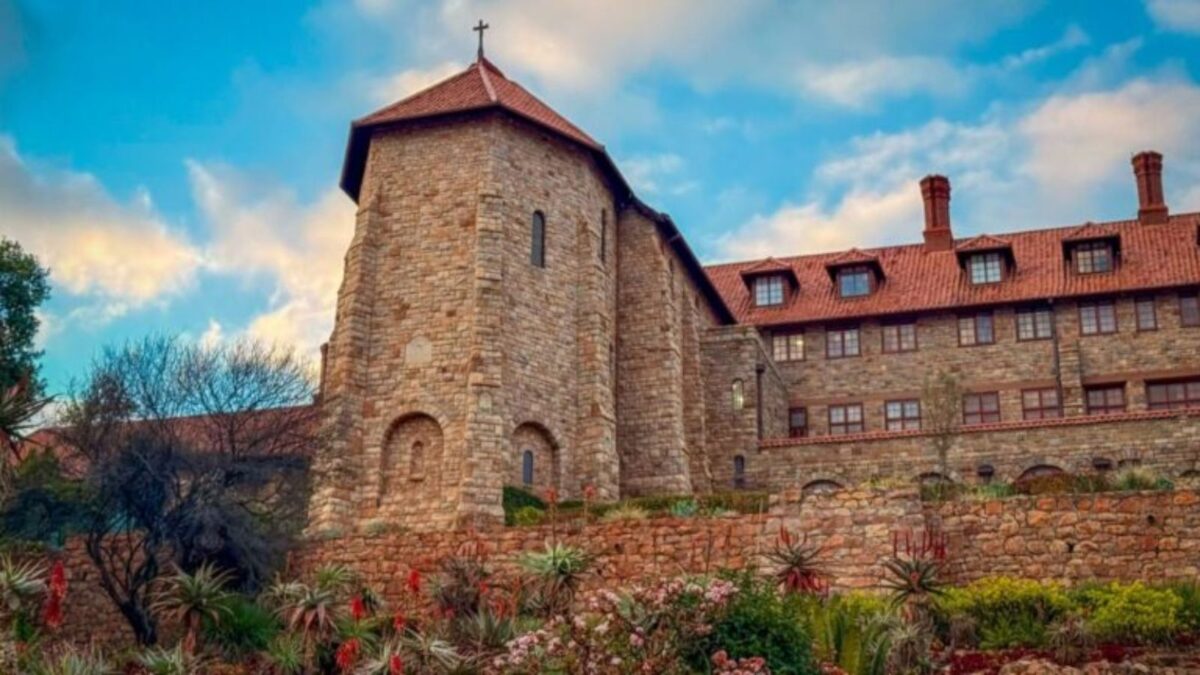
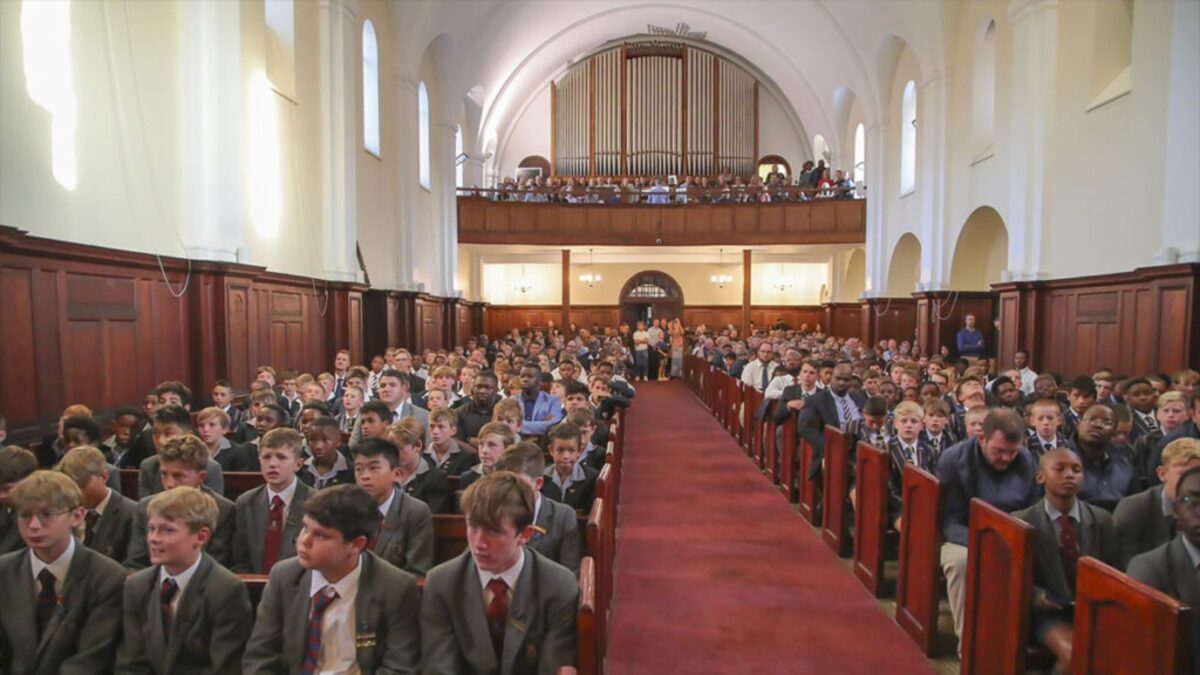
The school’s facilities remain world-class and historic, with it having the tallest working bell tower in South Africa, a large Memorial Chapel, and cloisters that rival ancient European cathedrals.
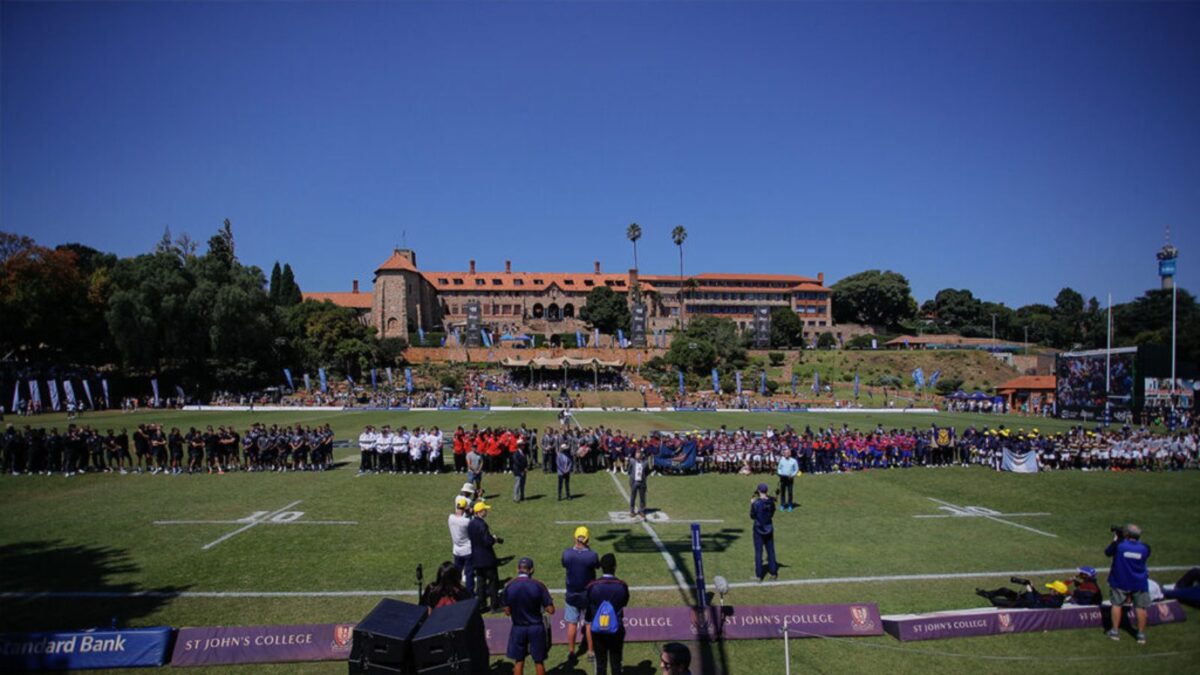
Photos of St John’s College






 Loading ...