
Cape Town’s new plan to protect itself from droughts



Cape Town has announced infrastructure plans for several new water sources to protect itself from future droughts.
The plans aim to increase the city’s water resilience following severe drought over the past decade.
In the space of five years, water levels in the dams surrounding Cape Town reduced from 90% in 2014 to under 20% at the start of 2018.
This drop was caused by historically dry winters, which are typically the region’s rainy season.
The lack of rainfall lasted for three consecutive years, continuing to put pressure on the city’s water infrastructure.
This led to the threat of “day zero” in Cape Town, the day where the city would be forced to switch off the municipal water grid.
The municipality said this would happen if dam levels reached 13.5%, meaning residents would have to use communal taps with a daily limit.
This limit was proposed at 25 litres per person per day, with only 200 communal taps operational for the city’s approximately 4 million residents.
The city prevented this outcome through strict water rationing and by significantly reducing water pressure in municipal systems.
Cape Town implemented daily restrictions of 50 litres per person and shifted large volumes of water from agricultural regions to populated areas. The city ultimately cut its water usage by 50%, averting a major crisis.
Although the city never reached “day zero”, the severe water restrictions impacted many residents and businesses.
The Western Cape’s agricultural sector was severely affected, incurring approximately R6 billion in losses in the 2018 financial year.
The sector had its irrigation water allocations slashed by up to 85%, forcing farmers to adopt emergency measures.
Ever since these drought conditions, Cape Town residents have remained fearful of another “day zero” situation.
Planning for the future
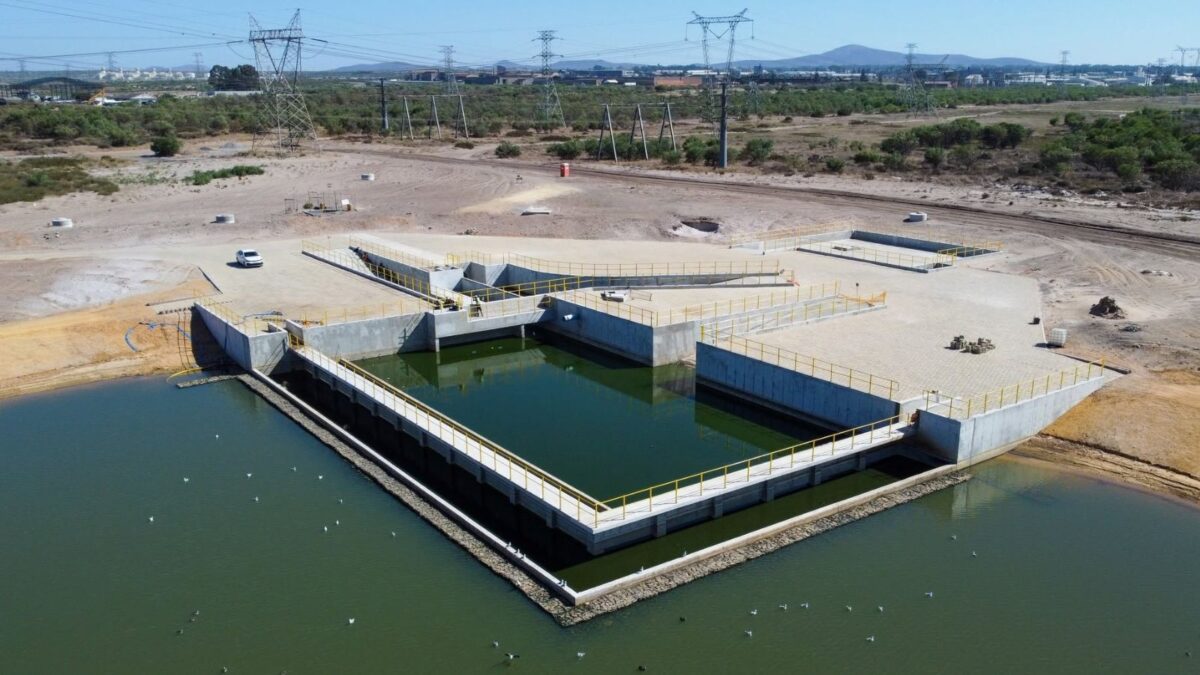
Cape Town has increased its efforts to create water resilience by announcing the construction and renovation of several water supply plants.
This includes a R5.9 million investment into the design and site planning of a permanent desalination plant.
Desalination plants purify seawater and remove salt, making it safe to drink and creating a drought-resistant water source.
This process is not widely used due to its high costs compared to traditional water supply methods, such as freshwater purification systems.
The system protects Cape Town from drought conditions because it does not rely on rainfall or other environmental factors.
During the city’s previous drought crisis, a temporary desalination plant was built, but it was removed in 2020 as dam levels improved.
The city has previously discussed the construction of a desalination plant, and said it is expected to become operational in 2031.
Along with the desalination plant, Cape Town announced roughly R570 million in water supply investments.
The city is investing heavily in protecting its groundwater supply, as these reserves can be damaged by saltwater intrusion.
Water recycling is another part of the drought resistance campaign, which involves re-treating water that has passed through municipal systems.
The recycling process can prevent unnecessary water losses if drought conditions return in Cape Town.
One of the city’s largest investments is in infrastructure upgrades, with roughly R1.1 billion going towards replacing damaged pipes.
In South Africa, deteriorating infrastructure is a major contributor to water losses, incurring high costs for municipalities and creating service delivery problems.
Water losses in Cape Town are even more serious, as unnecessary losses could exacerbate drought conditions.
The city said protecting its current and future water supply is a vital task that must be a focus of its investment.
“We are building a more reliable and water-resilient city that is equipped to meet both current and future demand,” it said.









 Loading ...
Simple..build more dams