
End of an era for Eskom


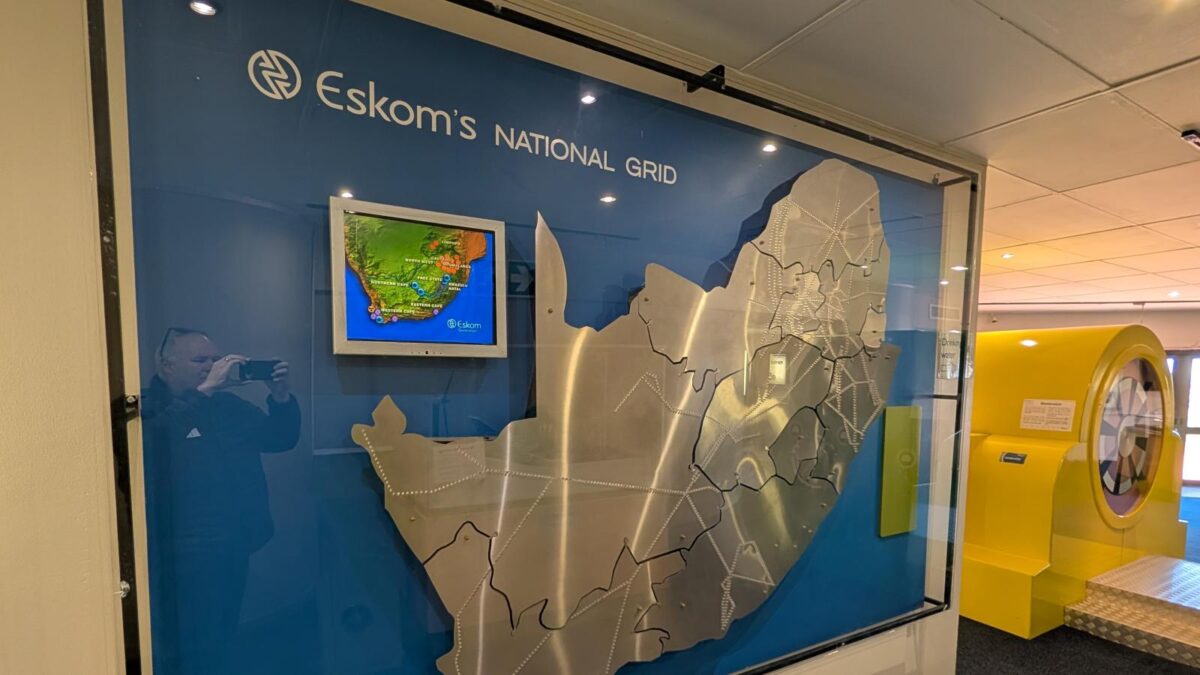
President Cyril Ramaphosa has approved a plan to establish an independent state-owned Transmission System Operator (TSO), separate from Eskom.
Last week, the Presidency announced that Ramaphosa had endorsed the Phase I report of the Eskom Restructuring Task Team (ERTT).
“This report shows how government can ensure that the architecture of the electricity sector can change as the sector continues to evolve,” Ramaphosa said.
“It creates the foundation for South Africa’s growth, and it is welcomed that all the key stakeholders are aligned on this objective.”
This set the stage for restructuring South Africa’s electricity sector to create competition, unlock investment, and reduce electricity prices.
This is a blow to Energy Minister Kgosientsho Ramokgopa and Eskom, who have fought to maintain the state-owned power utility’s vertical integration.
However, the Eskom Restructuring Task Team found it was feasible to strip the utility’s transmission assets and transfer them to an independent entity.
The team determined that the restructuring aligned with international best practice and could be done without compromising Eskom’s financial sustainability.
In simple terms, this means that Eskom as people knew it would no longer exist. It would now be split into different companies.
The traditional Eskom would essentially become a generation company with its power station fleet under it.
The new company will deliver electricity through the transmission network to clients, including municipalities and other direct customers.
As Eskom would have no control over the new Transmission System Operator, this would ensure a level playing field.
New power plant operators, including green energy providers, will deal directly with the Transmission System Operator to carry electricity to their clients.
Business Leadership South Africa welcomes the development
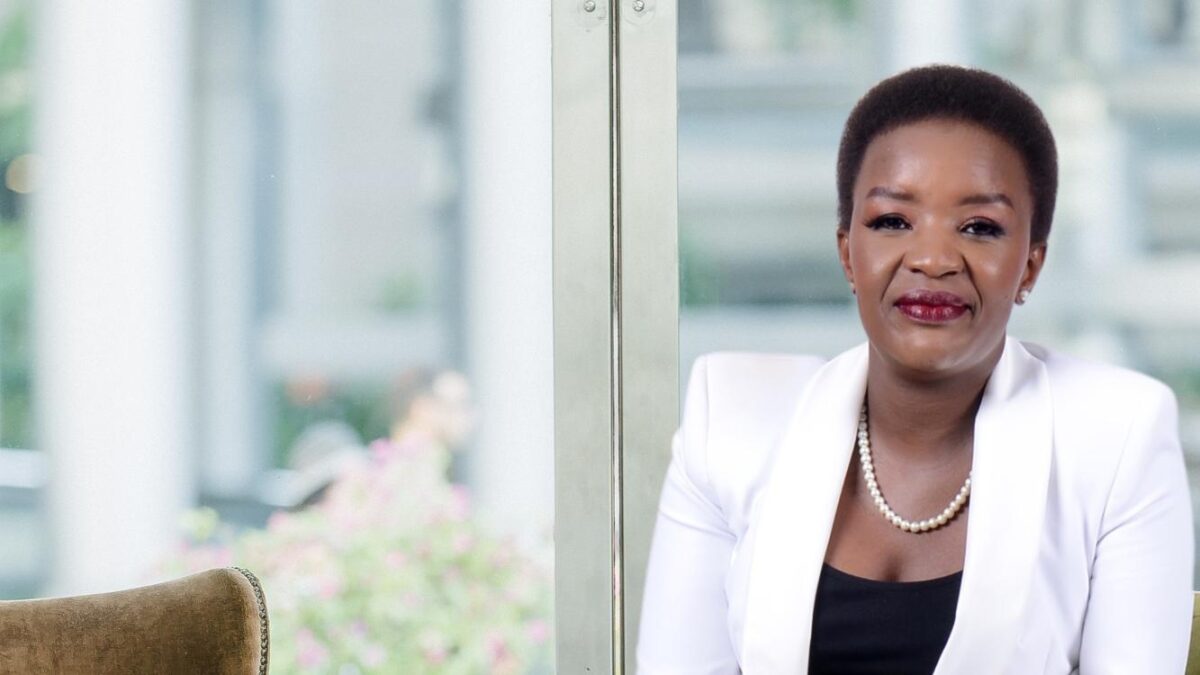
Business Leadership South Africa (BLSA) CEO Busisiwe Mavuso welcomed the development as a positive step toward creating a competitive electricity market.
“Ramaphosa’s endorsement provides a vision for an independent transmission system operator, the foundation of a competitive electricity market,” she said.
“Eskom must now align with the recommendations and approach the next report, due in three months, as a constructive participant.”
BLSA has argued, despite resistance from Eskom itself, that an independent grid operator is the only way to build a truly competitive electricity market.
Such an independent grid operator will treat all electricity generators equally, bring prices down over time and give investors the certainty they need to commit capital.
“The President has now made that policy unambiguous, and there cannot be any further debate,” Mavuso said.
She explained that an independent Transmission System Operator is the foundation of a competitive electricity market.
“Without it, Eskom controls both generation and the grid, the equivalent of letting one airline also control the airports,” she said.
“Private generators cannot compete on fair terms, new investment is constrained, and the promise of lower electricity prices remains out of reach.”
The task team’s Phase 1 report proposes important interim steps while the full unbundling is concluded.
It recommends strengthening the independence of the National Transmission Company SA (NTCSA), the entity being created through the Eskom unbundling process.
This is done through independent boards with no cross-directorships with Eskom, and with the NTCSA board responsible for appointing its own CEO and senior management.
Eskom must delegate to the NTCSA all decision-making related to the electricity market, with the NTCSA’s finances and operations ring-fenced.
“These are the right recommendations. They build the institutional muscle that the Transmission System Operator will eventually inherit,” she said.

 Loading ...
The concept of having an independent Transmission System Operator (TSO), separate from Eskom, is a good idea, but not if it is run by the government.
Not one State Owned Industry is successfu.
32 years of failure yet so many still vote ANC. .