
One South African CEO has such a high-risk profile that his company spent R7.7 million to keep him safe


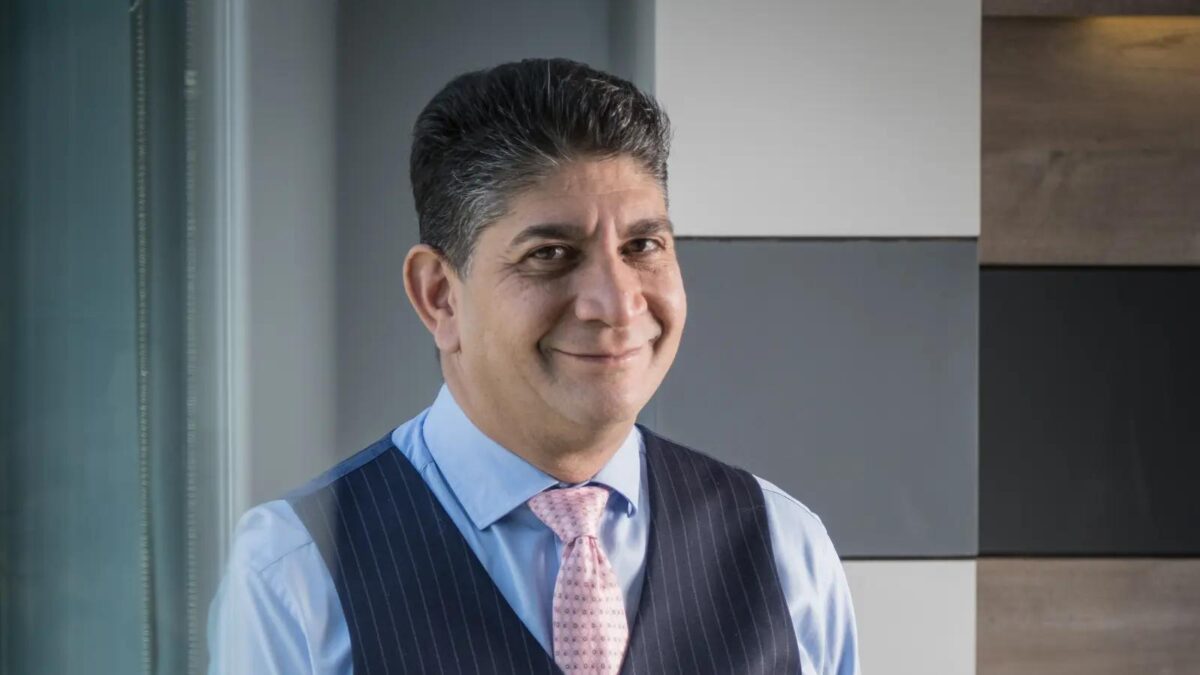
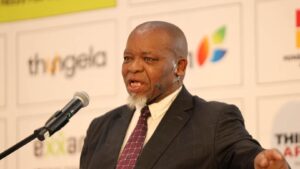
Vodacom’s 2026 annual report shows that it spent R7.7 million on security arrangements for its CEO, Shameel Joosub.
Vodacom Group is one of Africa’s biggest telecommunications, digital technology, and financial services companies.
The company has evolved from a South African mobile provider to a large pan-African telecommunications and fintech giant.
Across its African footprint, Vodacom serves 237 million customers, and its networks reach a population of roughly 600 million people.
To run such a large company requires special skills and experience, and Joosub, who has been with Vodacom since 1994, is a perfect fit.
It is also expected that a company will need to remunerate such a person well, given the hard work expected of them.
Over the last financial year, Joosub’s total pay package was R137 million. This was a significant increase over the R78 million in the 2025 financial year.
Part of his pay package included R7.743 million listed under ‘other’, which included ‘security arrangements provided due to the risk profile of the role’.
This line item increased from R7.317 million in the 2025 financial year, which showed that Joosub’s personal security remained a big concern.
Spending millions on Joosub’s security is not surprising. He is one of South Africa’s highest-profile chief executives and a core business leader.
He has been at the helm of Vodacom for 14 years and is an integral part of the company’s success.
Apart from running Vodacom, Joosub serves on the boards of Safaricom and Vodafone Egypt, as well as on subsidiary boards across the group.
He also sits on the board of Business Leadership South Africa and was appointed to the Vodafone Group Exco in April 2020.
Ensuring his and his family’s safety is therefore important to both Vodacom and the African business sector.
Vodacom CEO Shameel Joosub’s safety risks
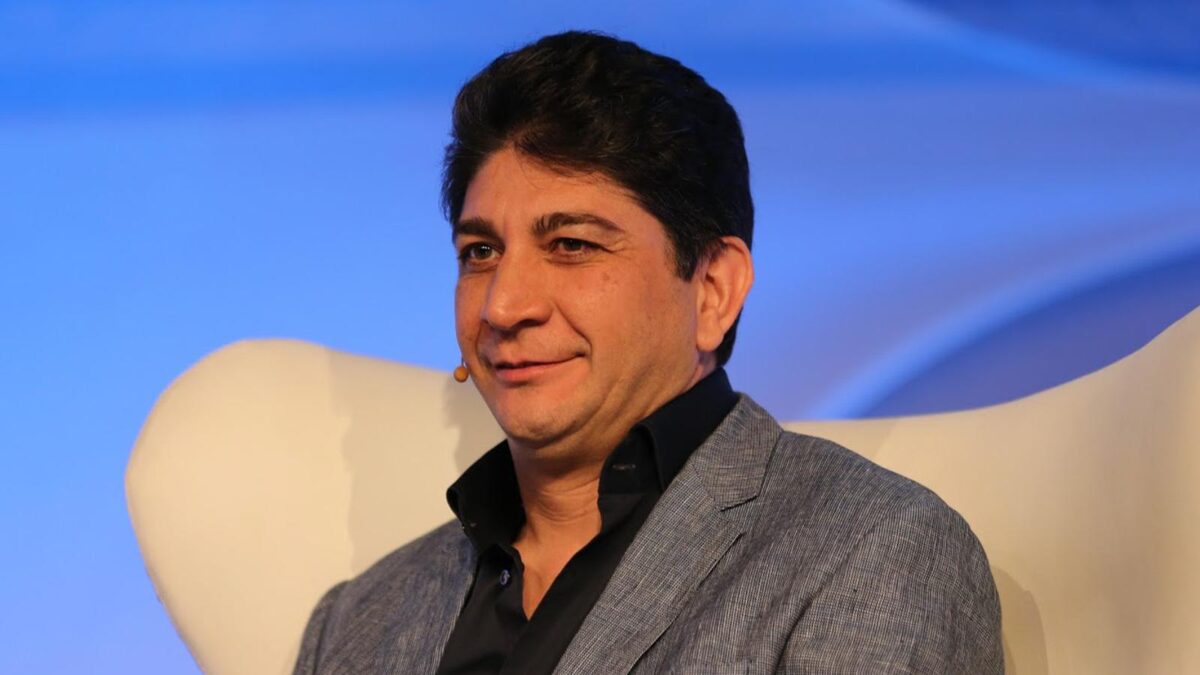
Running a multi-billion-rand enterprise in South Africa presents unique physical and operational security challenges.
South Africa has seen a surge in targeted kidnappings for ransom, increasingly focusing on high-net-worth individuals and top-tier corporate executives.
Joosub falls squarely in the category of people and their families who may be targeted, requiring comprehensive protection.
Telecommunications operators are also targeted by crime syndicates involved in cell tower battery theft and cable theft.
As the face of the company executing countermeasures against these syndicates, a CEO can become a target for retaliatory threats.
Leading a high-profile company like Vodacom also exposes Joosub to public and legal hostility, which has the potential of spilling over into violence.
It is not only local security which is a priority. Vodacom operates in numerous African countries, including the DRC, Lesotho, Mozambique, Tanzania, Egypt, and Ethiopia.
When travelling abroad, high-ranking telecommunications executives are high-value targets for both state-sponsored actors and criminal syndicates.
International countries reduce the effectiveness of standard, home-based security personnel and the systems they use.
Ensuring seamless, vetted transitions from secure airport tarmac zones to localised close-protection teams is necessary to mitigate crime, tracking, or ambushes.
This means that Joosub’s international travel, especially to countries like the DRC and Mozambique, carries significant risks, and it can be costly to ensure his personal safety.




 Loading ...
I salute Shmaeel Joosub, Ceo jobs carry very high risks for their families and friends, especially in a lawless country like South Africa, where there are 100 senior police staff and three commissioners have been guilty of graft and corruption. As a key member of the business world, he has more value than all these useless politicians who have not created jobs but destroyed them in their careers.