
South Africa’s third-oldest town, founded by the Dutch East India Company in 1743, now a hotspot for tourists


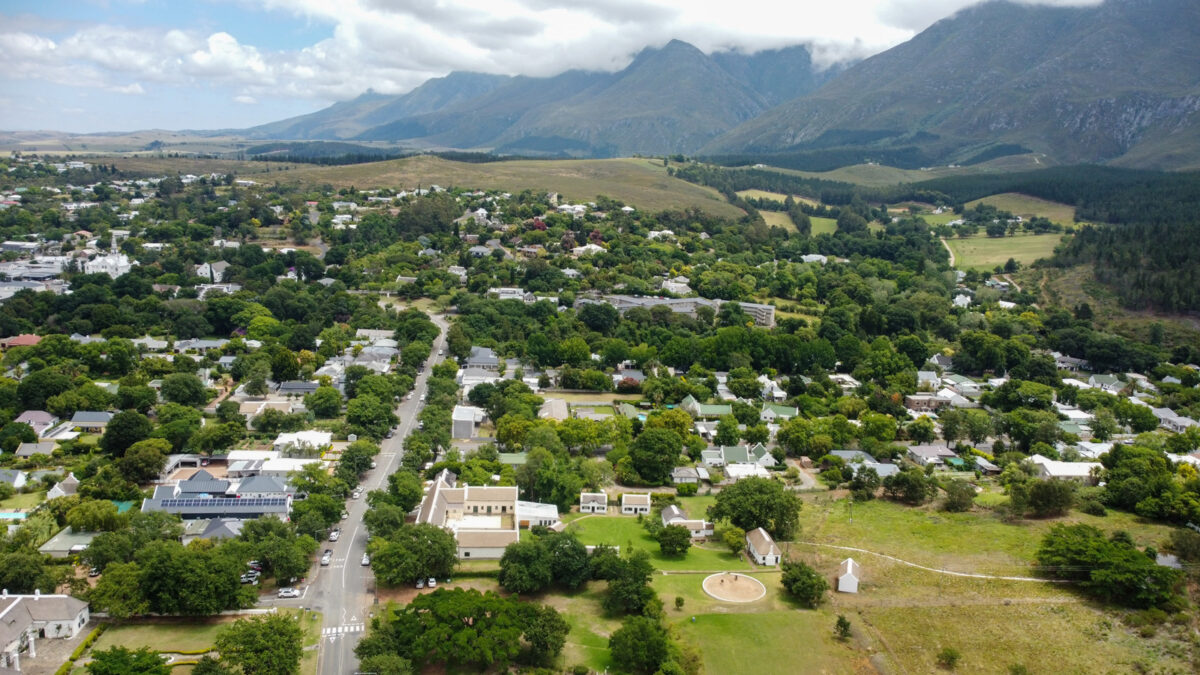
Swellendam is the third-oldest town in South Africa, after Cape Town and Stellenbosch, and it once rebelled against the government.
It is also home to over 50 heritage sites and refuses to get traffic lights in an attempt to maintain its quiet, small-town atmosphere.
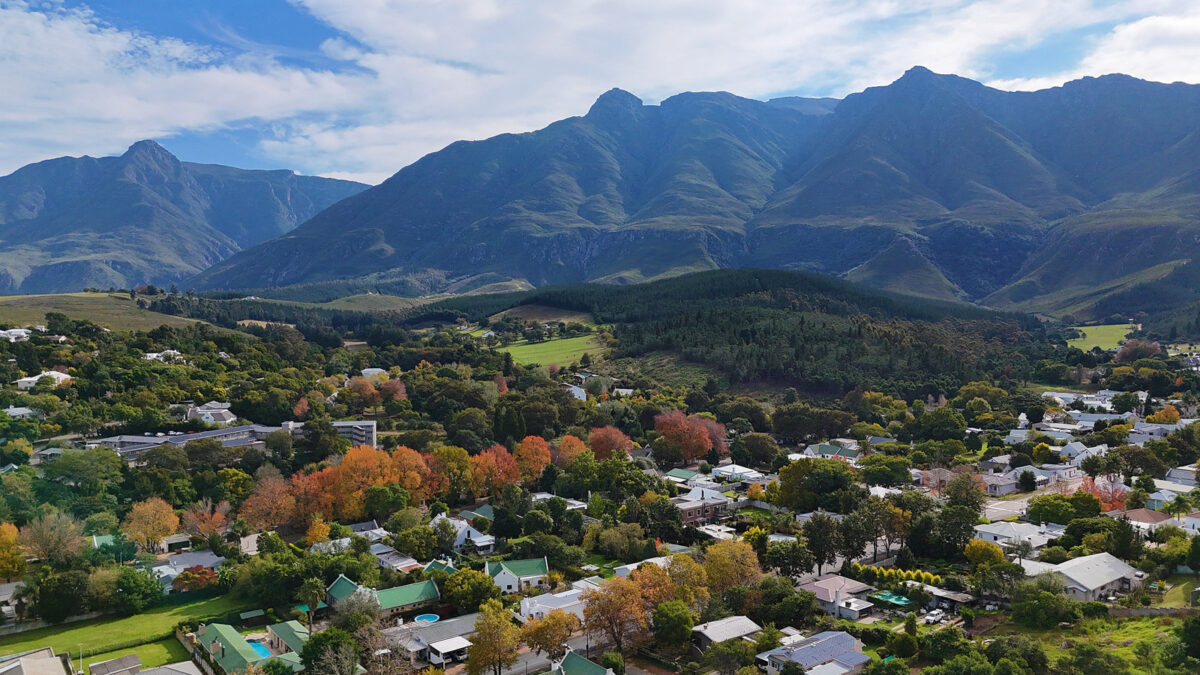
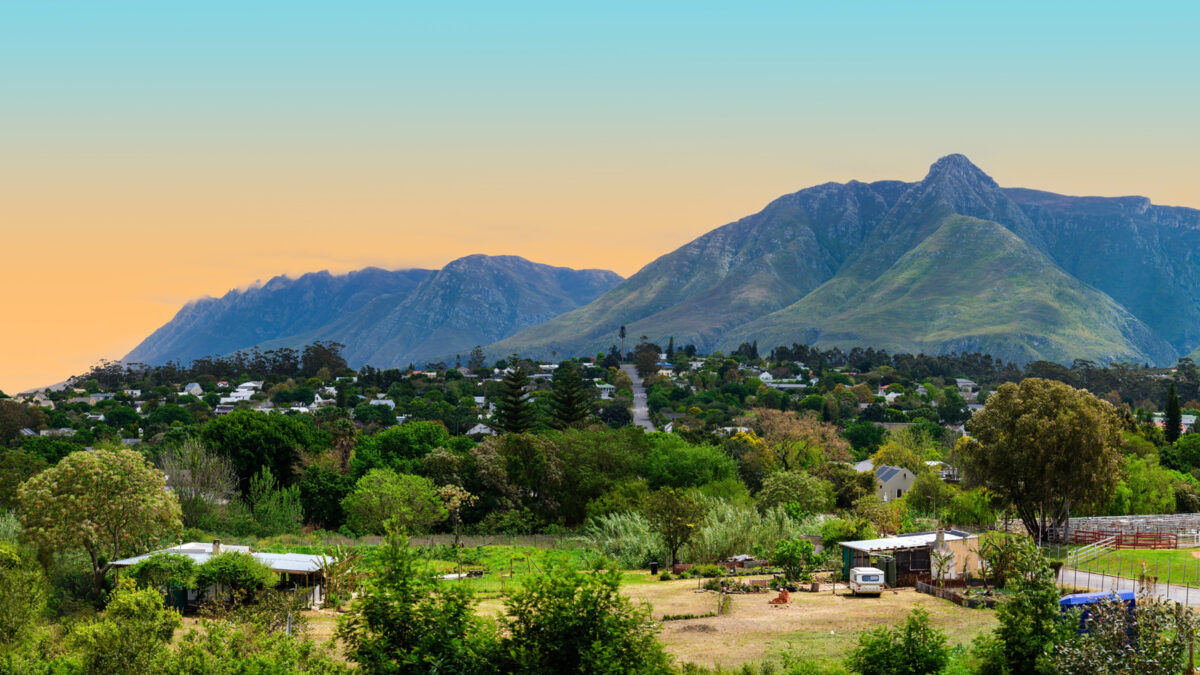
Swellendam lies around 190km from Cape Town, in the Breede River Valley at the foothills of the Langeberg Mountains.
Its close proximity to the Tradouw Pass – which leads to the Little Karoo and R62 – makes it a popular area for tourists.
Swellendam was founded by the Dutch East India Company (DEIC) in 1743, making it 283 years old.
Prior to this, it was inhabited by the Hessequa Khoi – wealthy cattle herders who used the Breede River as a water source for their livestock.
In 1745, it was named after Cape Governor Hendrik Swellengrebel and his wife Helena, whose maiden name was ten Damme.
Notably, Swellengrebel was the first South African-born Governor in the country.
Two years later, the DEIC constructed the Drostdy, a large administrative building that housed the local magistrate’s residence and administrative quarters.
In 1795, the town famously established its own republic in an act of rebellion against Dutch rule, specifically in response to Dutch taxation and monopolies.
They were unhappy that the DEIC forced farmers to sell their goods at fixed, artificially low prices while taxing them heavily and providing little support to protect their livestock and families.
Following the lead of Graaff-Reinet, which expelled its magistrate that same year, a group of 60 armed men took up the title of ‘national burghers’, inspired by the French Revolution.
The rebels rode into Swellendam and forced the magistrate and his officials to resign, and then elected Hermanus Steyn as their President, declaring themselves a free republic.
The Republic of Swellendam came to an abrupt end in the same year it began, when British forces seized the Cape.
The Swellendam Burghers decided that the British invaders were a greater threat than the Dutch, and ultimately joined forces with the Dutch to fight the British.
They eventually surrendered, and the arrival of British settlers in the early 19th century led to a boom in the Overberg area.
The Breede River contributed significantly to this boom, with Swellendam establishing Malgas 40 kilometres away as an inland port.
Ships were able to navigate the Breede River, which made for significantly more efficient transport, as traders could bypass treacherous terrain with ease.
This resulted in significant regional trade and expansion in the area until the 158-ton Scotland-built steamship that had been doing the work, the SS Kadie, wrecked at the Breede River mouth in 1859.
In the 1860s, one of the worst natural disasters in South Africa’s history, the Great Fire, tore through Swellendam, Uitenhage, and Humansdorp.
It destroyed a 400-kilometre stretch of the Cape, permanently altering the landscape of the Garden Route.
This paved the way for the construction of new roads along the Outeniqua Mountains, but devastated the Cape’s timber supply.
In 1899, the arrival of the ‘iron horse’, the first steam train, linked the Overberg Region to Cape Town, renewing trade links between Swellendam and other South African towns.
Until this point, trade had been reliant on ox-wagon journeys over tough mountain passes, but the Cape Central Railway line from Worcester to Mossel Bay changed everything – opening up more efficient and affordable trade for Swellendam.
Ostrich farming became a significant industry for the Swellendam area, with South Africa establishing itself as a world leader.
The industry peaked in 1914, with South Africa holding a monopoly, but the onset of World War I saw fashion fall by the wayside, and the global industry collapsed.
Swellendam today
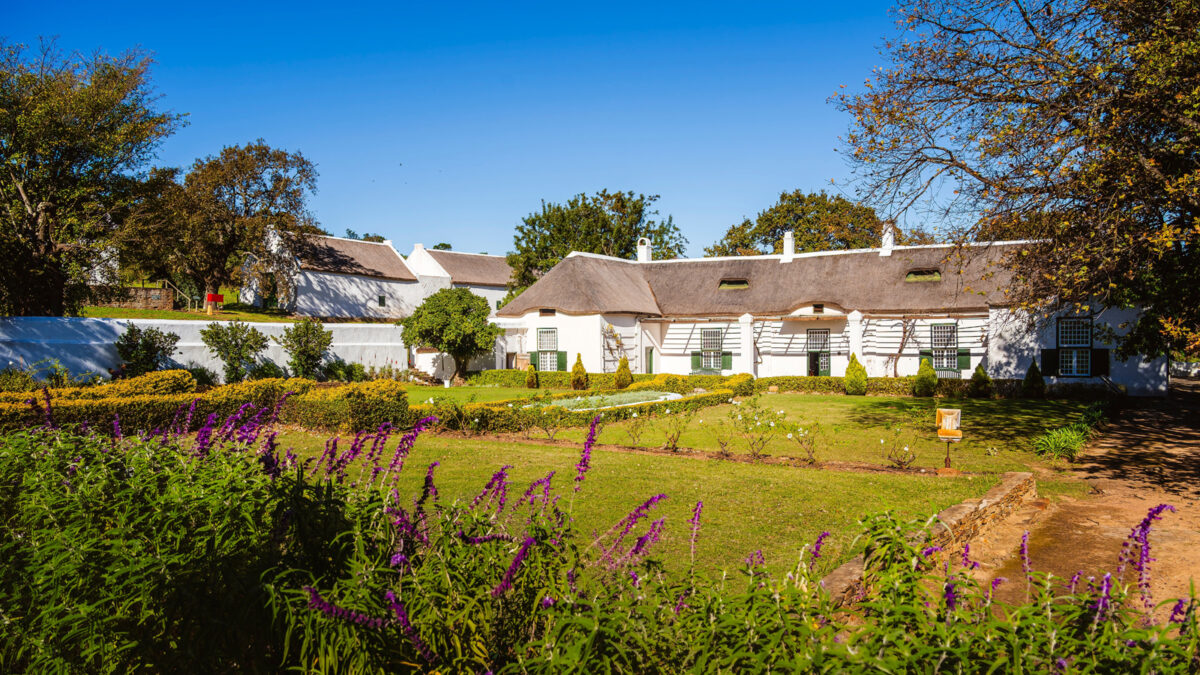
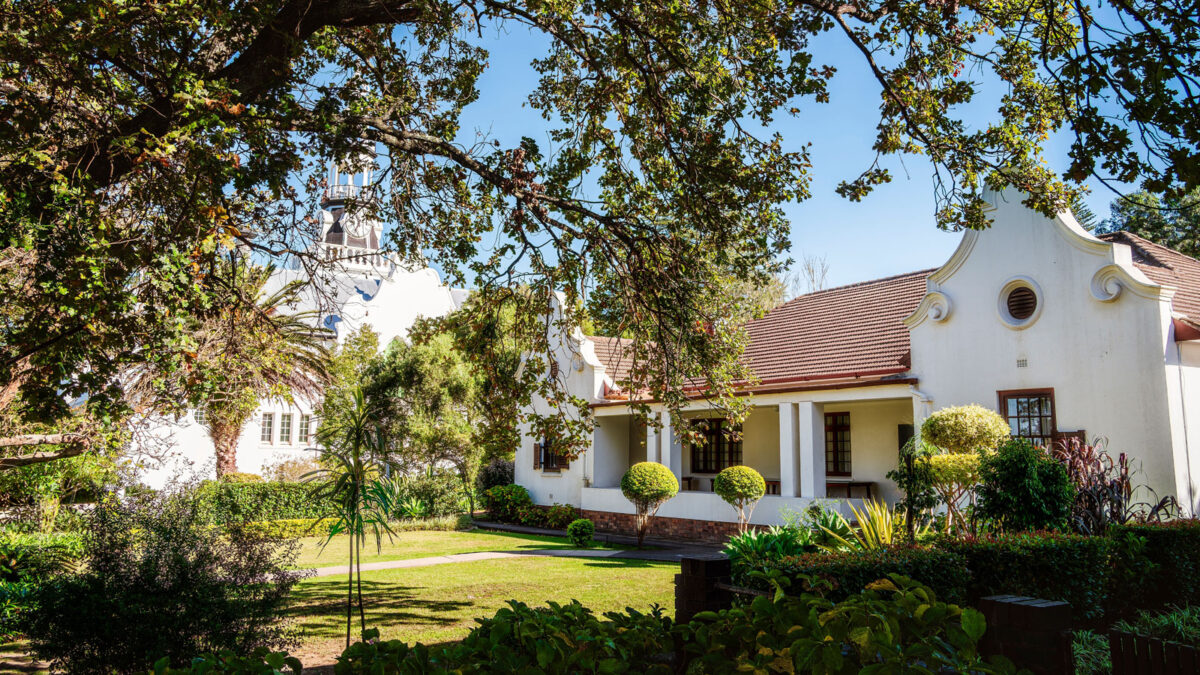
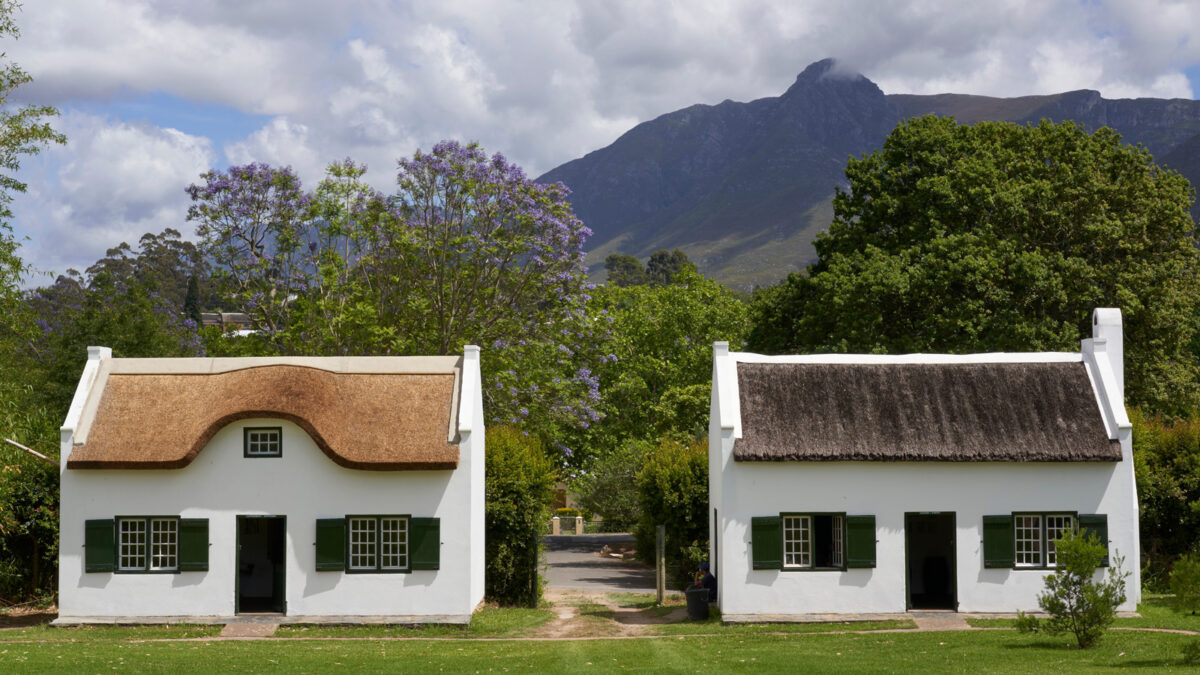
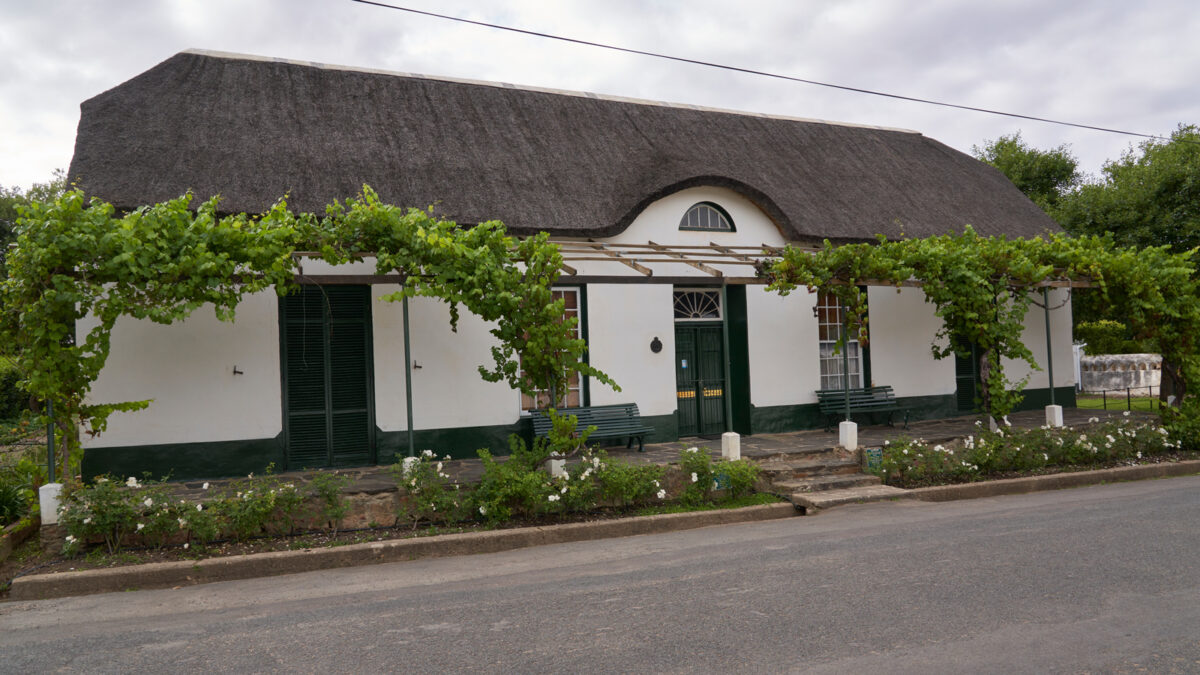
Swellendam’s age and record as South Africa’s third-oldest town have resulted in it having over 50 heritage sites.
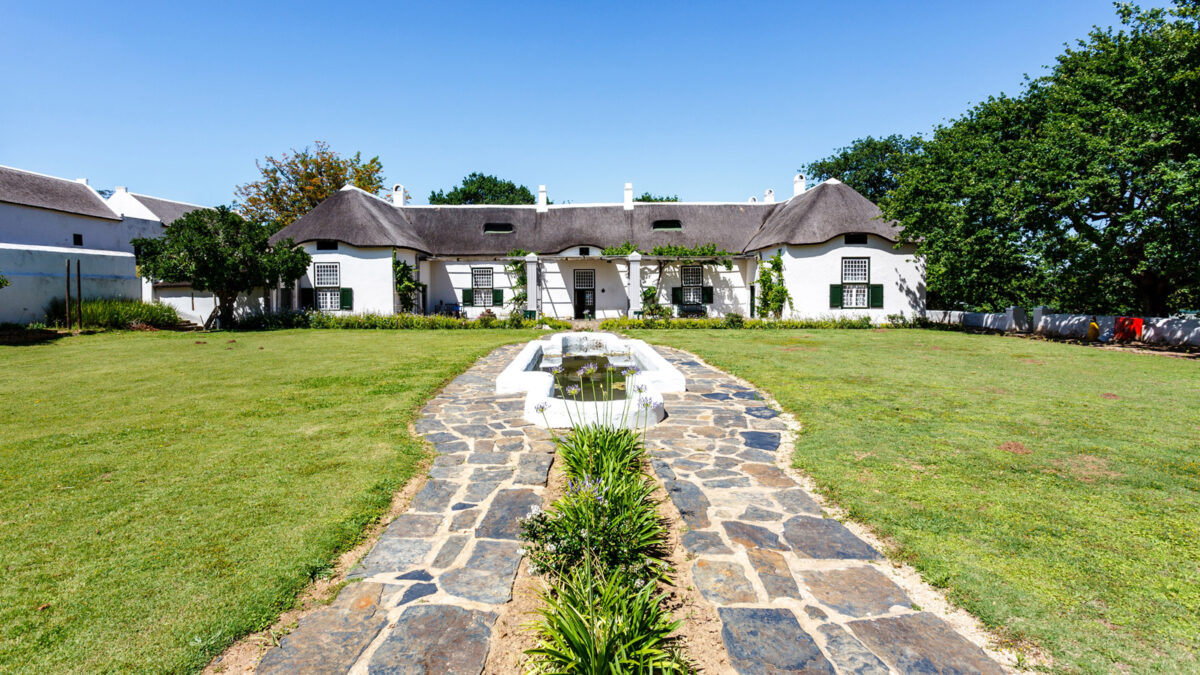
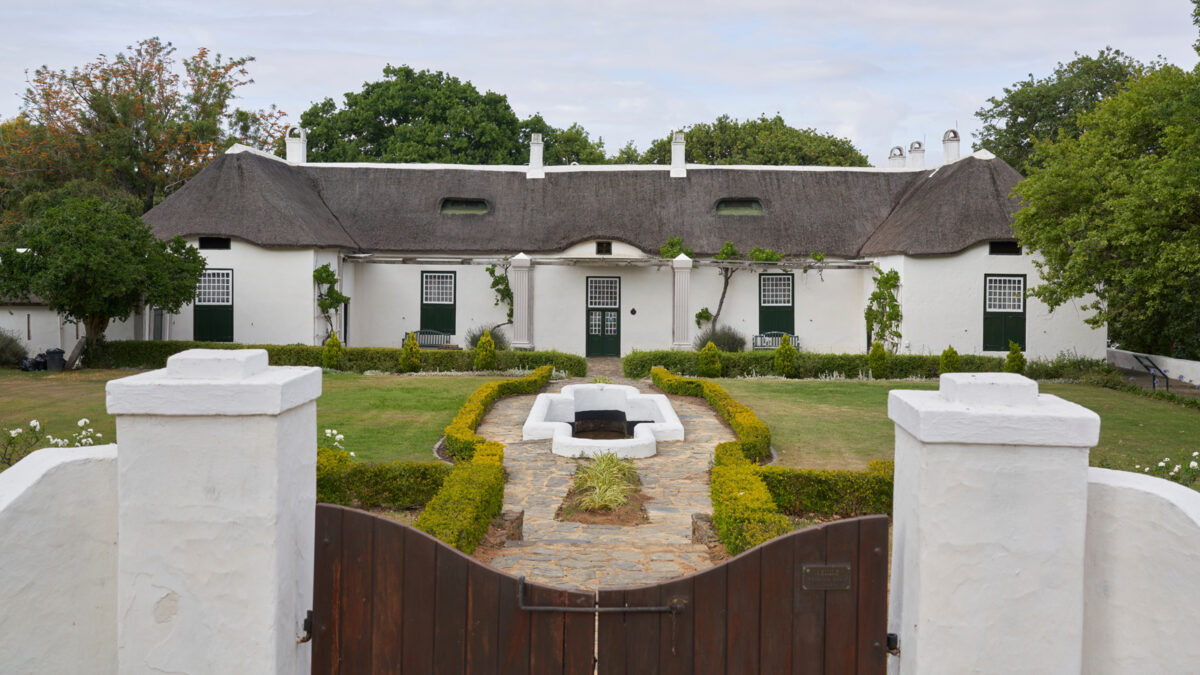
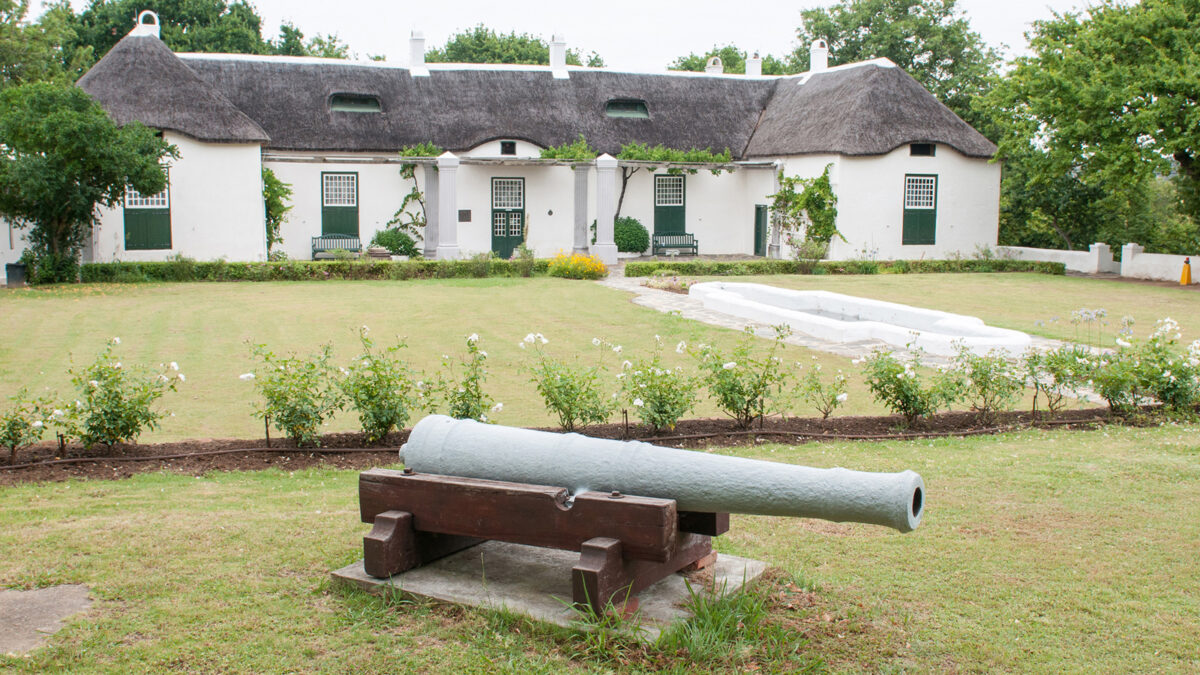
The crown jewel of these is the 279-year-old Drostdy, which now serves as a large museum complex.
Several heritage structures fall under the museum, including the Old Gaol (jail), the Ambagswerf (tradecraft yard), and the Mayville House – all of which now form part of the museum.
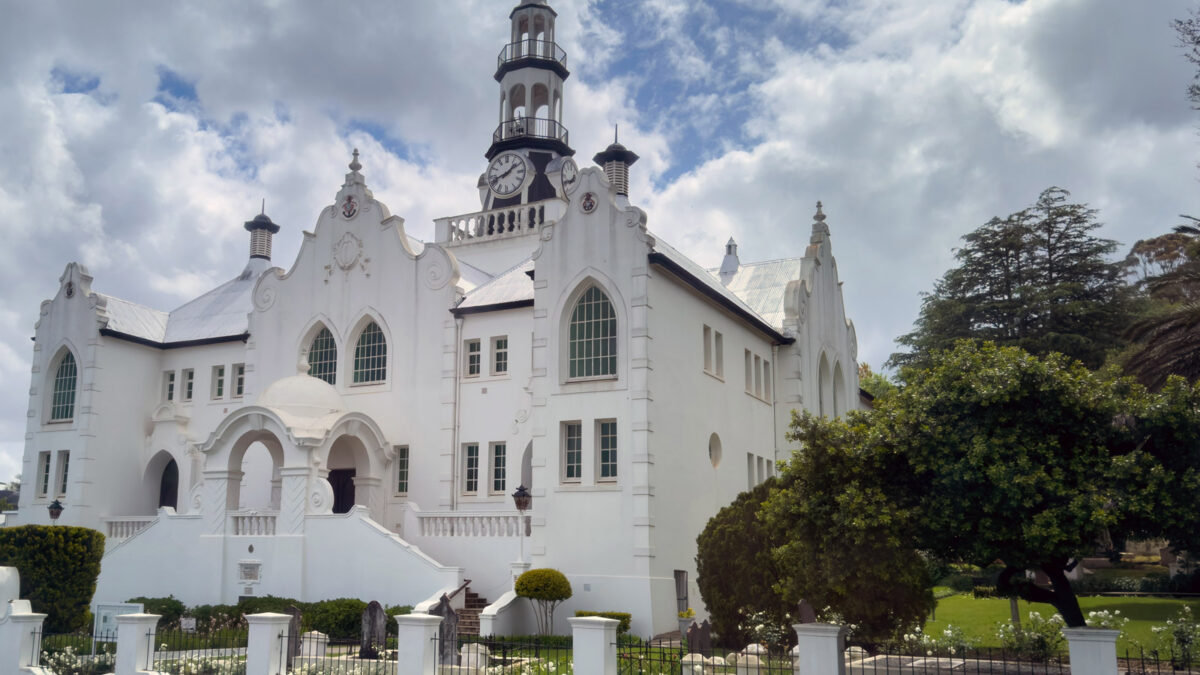
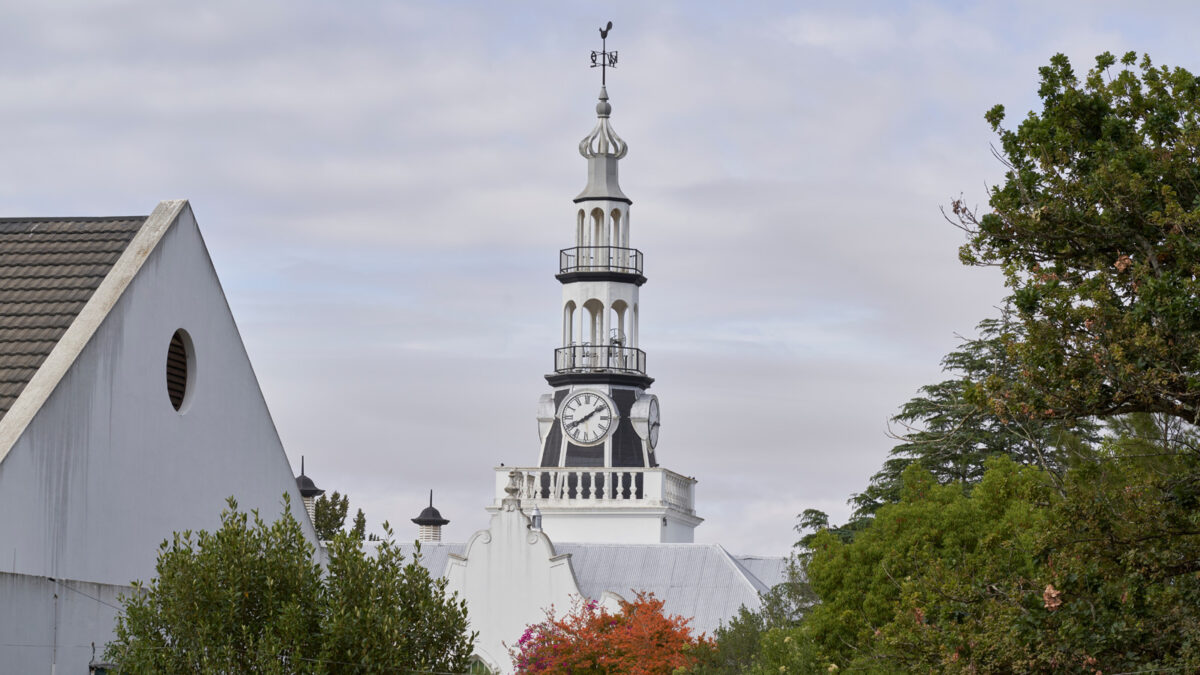
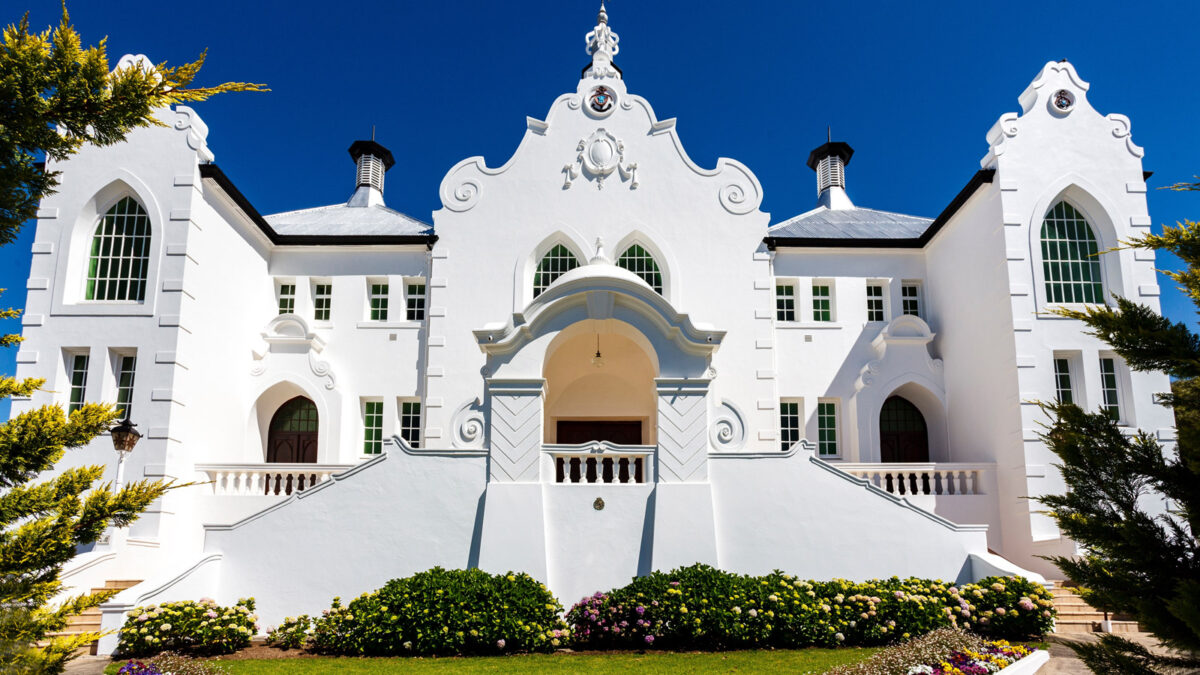
A few other old, noteworthy heritage site structures include Moolmanshof (1798), Oefeningshuis (1838), and Moederkerk (1911).
Swellendam is now also home to the Bontebok National Park, which was first established near Bredasdorp in 1931 and relocated to the Swellendam area in 1961.
The bontebok is endemic to the region and had been hunted to near extinction, with only 17 remaining in the wild.
At less than 28 square kilometres, it is the smallest park in the world dedicated to the conservation of a single species.
The park has proven successful, with the national population now sitting close to 3,000 individuals.
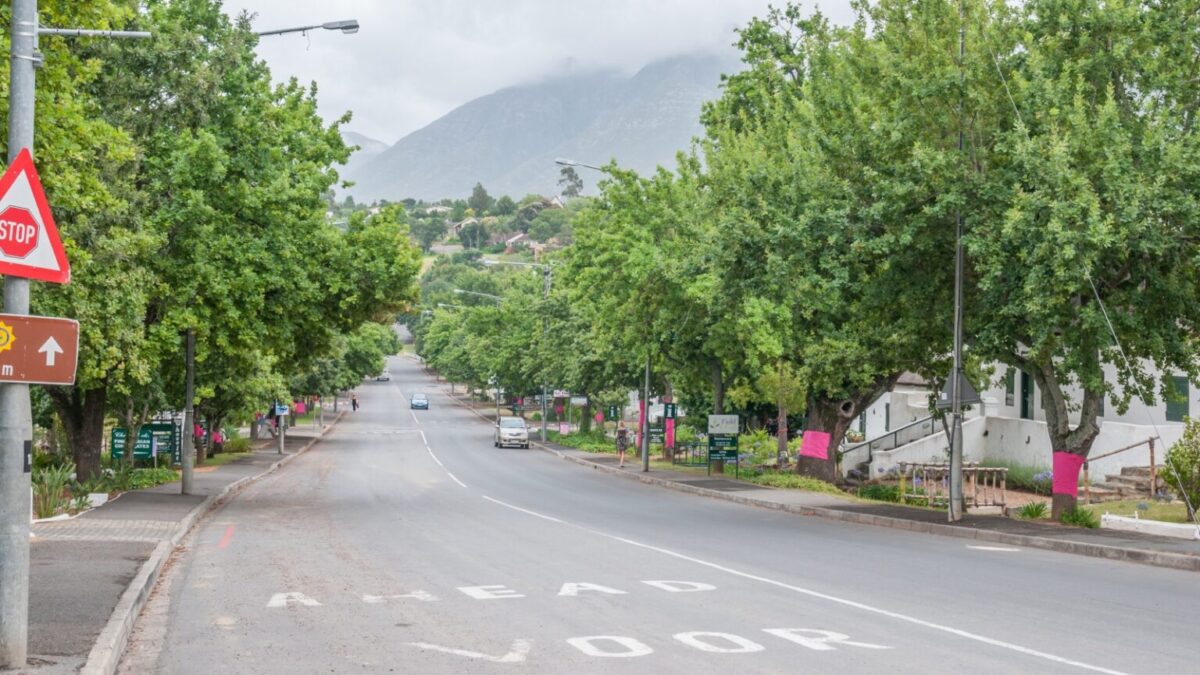
Due to the town’s history and significance, it does not have traffic lights.
While its historical identity is the main reason it does not have traffic lights, there are several others, including the town’s layout, the volume of traffic on its roads, and cost efficiency.
South Africa received its first automatic traffic lights in the 1960s, with many towns quickly adopting the technology.
Swellendam did not see the need, partly because the N2 highway does not run through the town. As a result, it does not need to cater to heavy traffic in the same way other towns do.
Instead, it relies on roundabouts, stop signs, and two- or four-way intersections to manage traffic flow.
Swellendam prefers this zero-tech solution, as it matches its quiet, small-town aesthetic.
Photos of Swellendam






 Loading ...