
South Africa joins forces with Russia for military training and closer collaboration


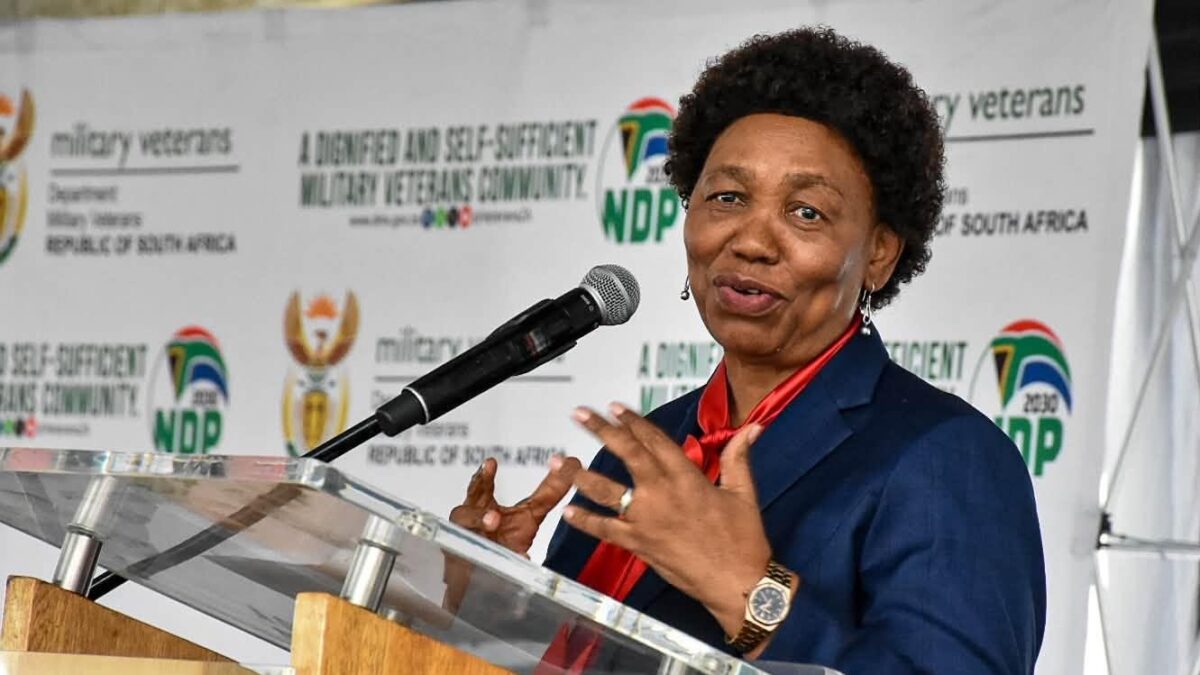
The Minister of Defence and Military Veterans, Angie Motshekga, revealed that South Africa partnered with Russia for military training and closer collaboration.
She shared this information in response to a Parliamentary question from National Assembly member Chris Hattingh.
This agreement was reached following an official visit to Russia by Lieutenant General Lawrence Khulekani Mbatha, Chief of the South African Army.
Mbatha met with the Commander-in-Chief of the Russian Ground Forces, Colonel General Andrey Mordvichev.
They discussed specific areas of defence cooperation and close military collaboration to strengthen current military-to-military cooperation.
“South Africa and Russia reached agreements on future cooperation regarding military-to-military training assistance and exchange of students,” she said.
She said it will result in tangible operational or strategic benefits for the South African National Defence Force (SANDF).
This includes future training for SANDF or SA Army members, which will address professional military competence and draw on the Russian Army’s experience.
The latest agreement will strengthen South Africa’s existing military cooperation agreements with Russia.
South Africa and Russia maintain a Military-Technical Cooperation framework aimed at joint research, defence equipment maintenance, and potential technology sharing.
As part of this agreement, Russia trains officers from South Africa at Russian military academies, which helps sustain the countries’ ties.
South Africa has also hosted joint naval drills with Russia and China, most notably February 2023’s Mosi II exercises and Exercise Will for Peace 2026 this year.
Despite the agreements, active defence hardware sales between the two nations remain minimal, as South Africa relies largely on domestic defence manufacturing.
Military relationship between South Africa and Russia
The military relationship between South Africa and Russia has raised questions about the country’s claim to non-alignment.
The Lady R Controversy in 2022 brought the issue to the fore, with U.S. officials accusing South Africa of supplying weapons to a sanctioned Russian cargo vessel.
In 2023, a sanctioned Russian cargo plane also landed at Waterkloof Air Force Base, raising questions over diplomatic clearances and cargo handling.
South Africa also abstained from voting on UN resolutions condemning Russian military actions in Ukraine.
There were even issues with South African citizens being recruited to fight for Russia in the war in Ukraine.
This, many experts argue, raises questions as to whether South Africa truly maintains a foreign policy of non-alignment.
U.S. lawmakers criticised South Africa for hosting joint naval drills with Russia and China, saying it was evidence of ideological leanings away from Western allies.
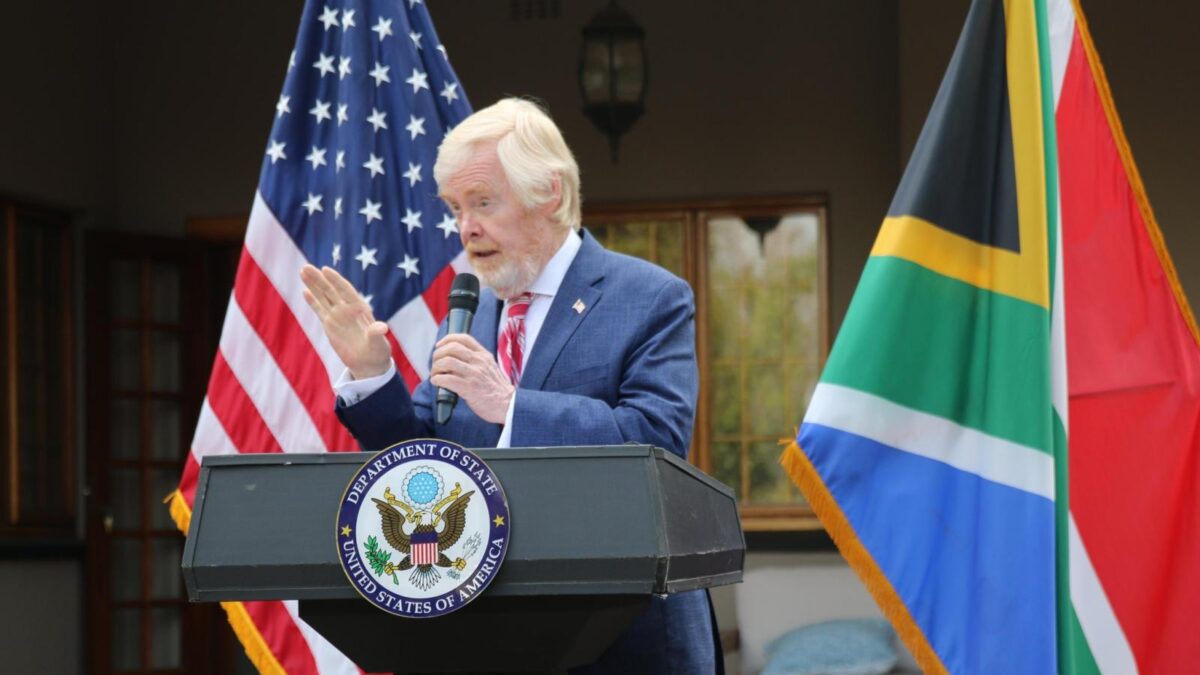
The United States’s Ambassador to South Africa, Leo Brent Bozell III, has also said that South Africa’s claim to maintain a neutral stance on global conflicts is questionable.
Instead of a balanced approach, he argues that Pretoria’s diplomatic choices have increasingly signalled a deliberate drift away from Western partnerships.
South African officials defended their position, saying that non-alignment does not mean staying passive or cutting ties with non-Western nations.
Pretoria said that it maintains the right to pursue sovereign diplomatic, economic, and security relations with all global powers, including Russia.
South Africa also defends its participation in BRICS and trade initiatives with China as vital economic diversification for the Global South.



 Loading ...
Russia has undertaken to provide them on-the-job-training at their Ukraine Traning Facility