
Dark streets, highways with no lights, and traffic lights that don’t work in South Africa’s richest province


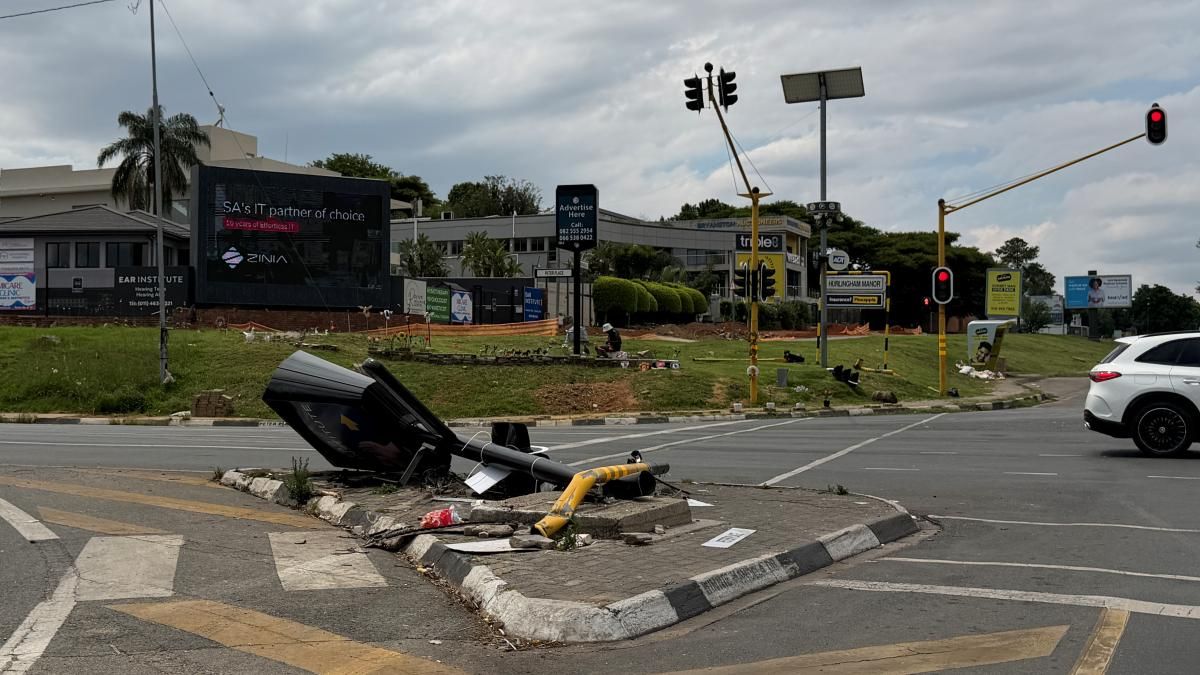
South Africa’s richest province, Gauteng, is falling apart, and one sign is that many streets, highways, and neighbourhoods are without lights.
Many civil society groups, motorist advocacy bodies, and transport analysts have condemned the dark stretches on Gauteng’s highways and arterials.
The Automobile Association (AA) regularly issues safety warnings regarding unlit freeways and broken traffic lights across Gauteng.
It said that dark highways force drivers to put their lights on bright, which, in turn, causes glare conflicts.
The dark highways and streets also cause a surge in collisions at night and increase vulnerability to road-spike incidents and hijackings.
Dark streets and highways are not the only problems. Broken traffic lights across Gauteng are equally problematic.
The traffic light problems stem from cable theft, infrastructure vandalism, budget constraints, and maintenance backlogs.
The Gauteng Department of Roads and Logistics has admitted that it has failed to meet its own minimum standards for traffic signal repairs.
Many traffic lights have been down for months, while the department’s targeted timeframe is 1 to 7 days. This causes traffic jams, which frustrate motorists.
However, it goes beyond the safety of motorists and the delays and inconvenience caused by broken traffic lights.
Organisation Undoing Tax Abuse (Outa) CEO Wayne Duvenage said that street lighting increased visibility, creating safer and more secure environments.
“Reviews show that street lighting interventions are associated with a significant desirable effect on crime and the safety of pedestrians,” he said.
“The consensus is that the more lit-up neighbourhoods are, the safer they are from criminal elements.”
Collapse of services across Gauteng
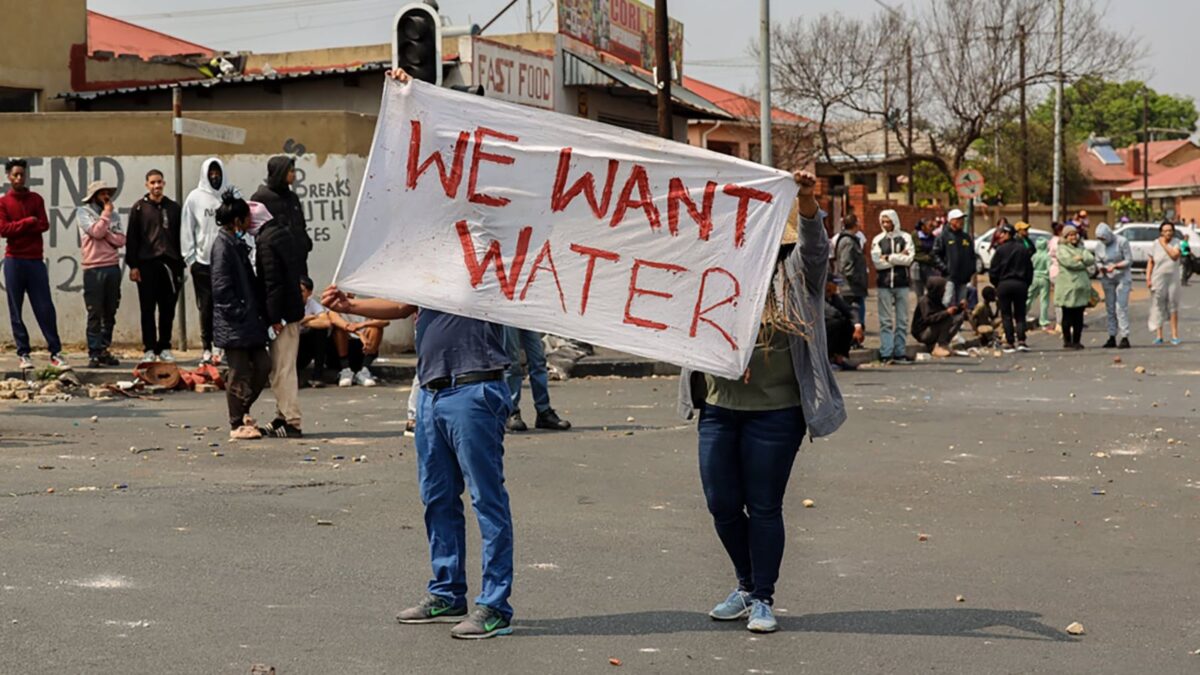
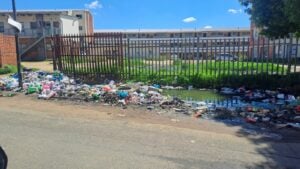
The poor lighting on streets and highways is part of the wider decay and collapse of state and municipal services across Gauteng.
These problems have been driven by systemic governance failures, critical infrastructure backlogs, and political instability.
The crisis spans multiple key sectors and major metros, including Johannesburg, Tshwane, and Ekurhuleni.
Many neighbourhoods across the province experience regular electricity and water outages due to ageing infrastructure and poor maintenance.
Water utility systems, particularly Johannesburg Water and Rand Water network hubs, face chronic non-revenue water losses.
Unmaintained wastewater treatment plants frequently overflow, spilling untreated sewage into public waterways, including the Vaal River catchment.
The municipal electricity grids are equally vulnerable, suffering frequent transformer explosions, cable theft, and ageing substation equipment.
High debt levels owed by municipalities to Eskom regularly trigger financial impasses and threats of localised power supply cuts.
The same goes for road networks, where deferred maintenance has caused potholes and decaying stormwater drainage systems.
Despite civil action and protests, not much has been done to improve the situation, and the deterioration therefore continues.






 Loading ...