
R1 billion needed to rebuild roads, bridges, fences, and accommodation in the Kruger National Park


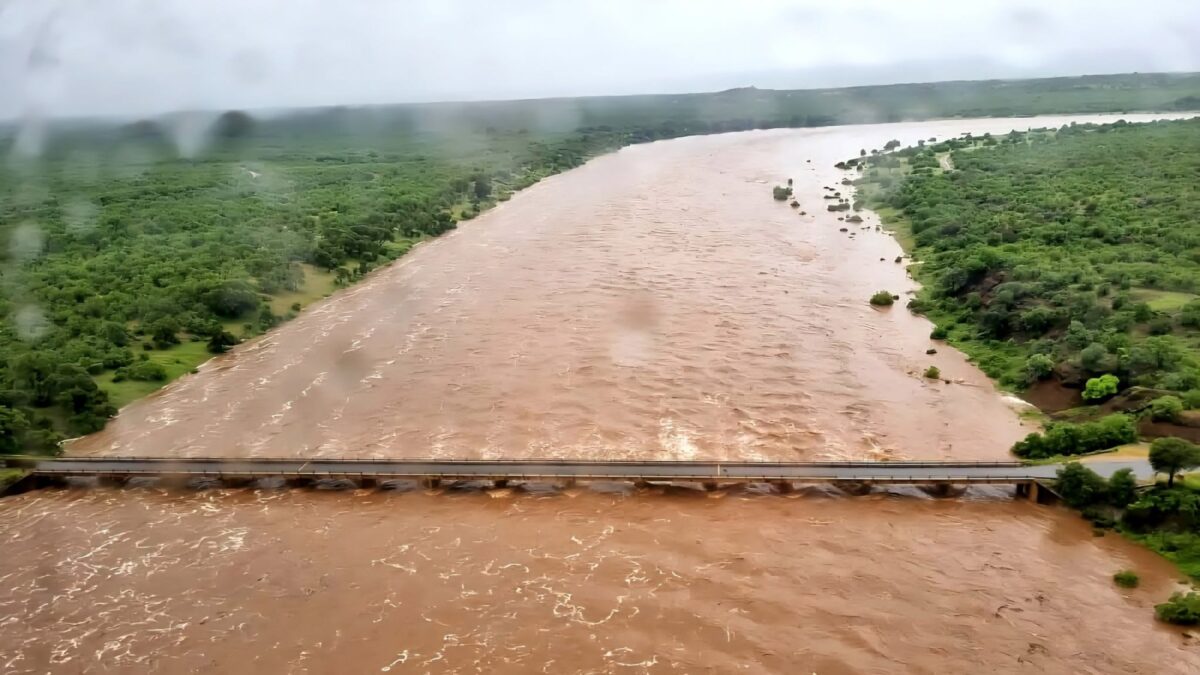
Heavy flooding in the Kruger National Park earlier this year caused widespread damage to the park’s infrastructure, with the scale of the damage calculated at R1 billion.
The Kruger is South Africa’s largest and busiest national park, covering an area of 19,623 square kilometres and welcoming between 1.8 million and 2 million tourists every year.
Heavy rainfall in January caused several rivers in the Kruger to burst their banks, and the park temporarily closed its gates for 24 hours due to the resulting flooding.
Guests were evacuated from several of the park’s camps ahead of the expected thunderstorms, specifically those around the Letaba River.
The flooding damaged vital park infrastructure, including roads, bridges, tourism facilities, staff accommodation, water infrastructure, management roads, and perimeter fencing.
The total cost of the damage was estimated at R1 billion, which is reportedly more than the budget of the park’s managing body, SANParks, can cover in the short term.
This was revealed by the Minister of Forestry, Fisheries and the Environment, David Maynier, in response to a parliamentary question from National Assembly Member Andrew Dirk de Blocq van Scheltinga.
The Minister was asked to disclose details of efforts to rebuild the damaged infrastructure in the park and how the rebuilt infrastructure will be more resilient to future weather conditions.
“SANParks put in an insurance claim for R50 million for loss of revenue and R150 million for insured built structures,” Maynier said. “Management roads and gravel roads are not insured.”
Maynier revealed that the R50 million claimed for loss of revenue had already been received by the park from its insurers.
The Kruger Recovery Fund was set up shortly after the flooding to support the recovery effort, which was managed and audited by two independent auditing firms.
Maynier said the Fund had strong governance and oversight structures to ensure the money was spent responsibly, transparently, and in line with the requirements of the park.
A long and costly restoration
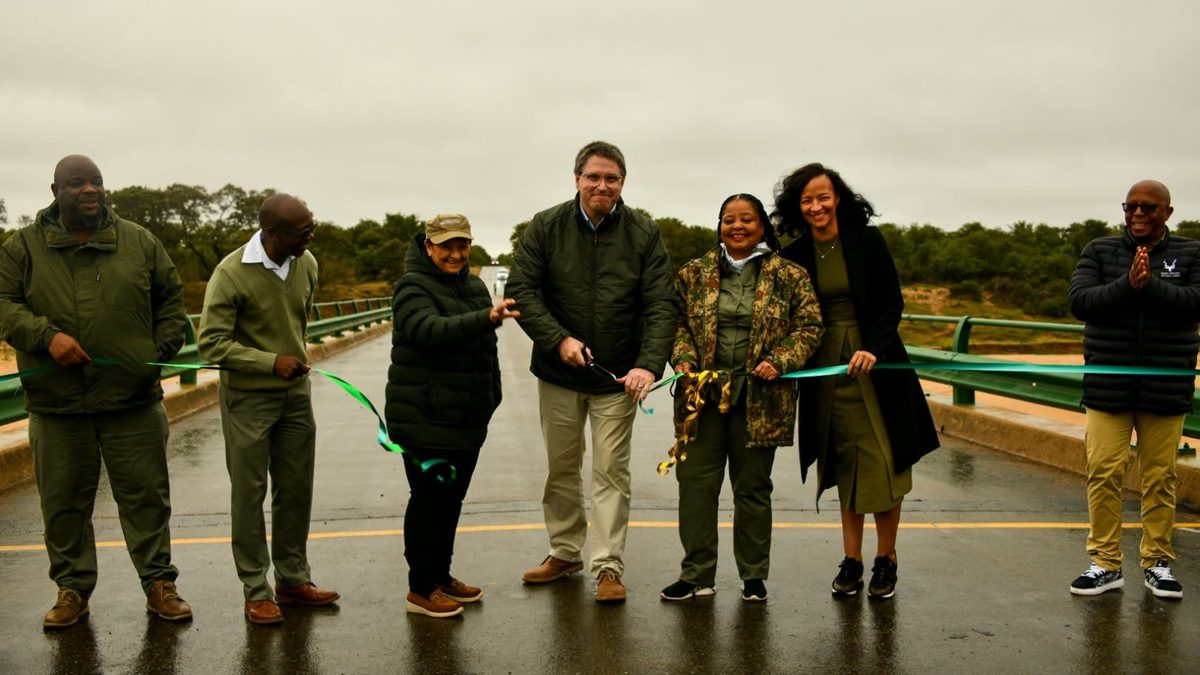
While the Minister said the full recovery would take several years and substantial additional funding to complete, he said several key restoration projects had already been completed.
These include repairs to the Letaba High-Level Bridge, as well as Phase 1 of the Letaba Rest Camp restoration, allowing for partial re-opening of the camp to visitors.
Further restorations included the Balule Satellite Camp, the Tsendzeleka Bridge, the Shingwedzi Camp’s perimeter fence, the Satara Camp’s staff accommodation, and the Mathikithi Trails Camp.
In addition, three large culverts along the park’s H1-4 route were restored, ensuring safe access along the road between the Skukuza and Lower Sabie rest camps.
Maynier also revealed that SANParks had conducted a Climate Change Infrastructure Assessment to develop a Climate Resilience and Adaptation Plan for National Parks.
The findings of this assessment will be incorporated into the design and rebuilding of roads, bridges, and other infrastructure damaged by the flooding.
“The recovery programme in the KNP adopts a ‘build back better’ approach, focusing not only on restoring damaged infrastructure,” Maynier said.
“It also focuses on improving its resilience, safety and long-term sustainability, taking climate change realities into consideration.”
Maynier said the park’s recovery programme aligned with its broader climate change adaptation plans, with its infrastructure designed to reflect this.
This, the Minister said, included the addition of stronger drainage, improved erosion protection, and more resilient bridge designs where necessary.
He said vulnerable culverts, low-level crossings, water systems, sanitation and wastewater infrastructure, electrical and other essential services may need to be upgraded rather than simply repaired.
“The Department has, on behalf of SANParks, submitted a funding proposal to the Green Climate Fund to the value of $20 million,” Maynier said.
“The programme focuses on climate-resilient recovery through infrastructure and ecosystem restoration, community livelihood recovery, governance, and climate preparedness and risk planning.”



 Loading ...