
Large South African farm kisses Eskom goodbye


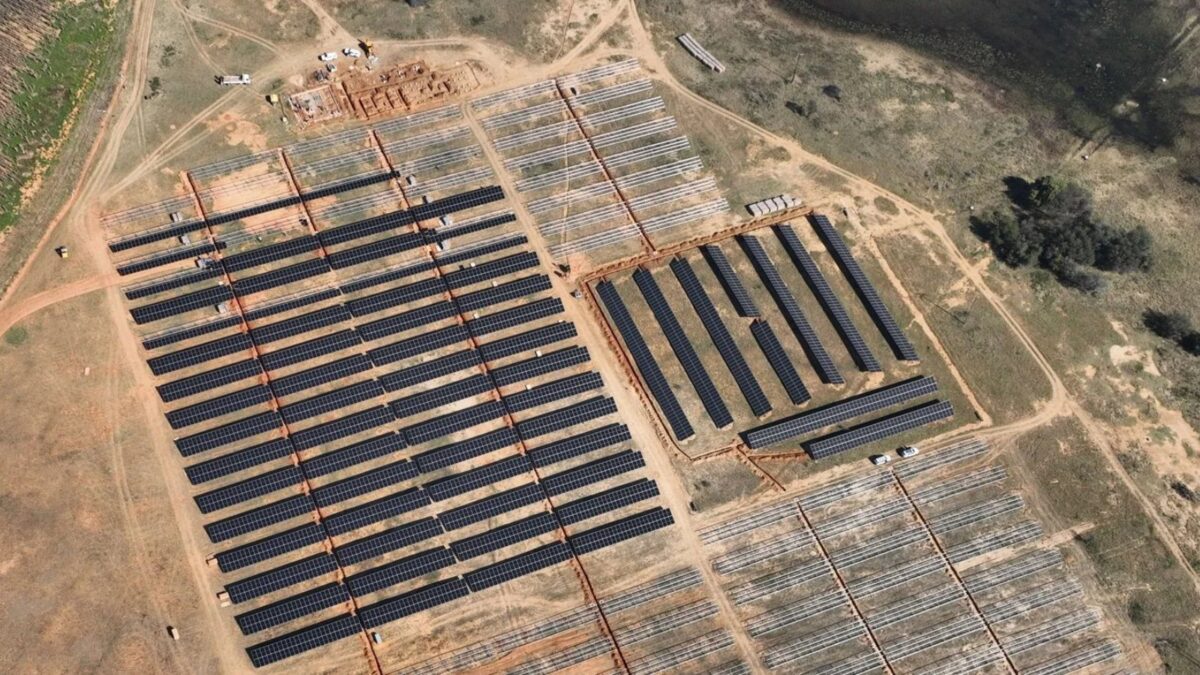
The De Beer family’s Belle Rive Farm on the banks of the Vaal River could be South Africa’s largest commercial off-grid farm from next month.
The farm is set to get nearly all its power from a large solar power plant, supported by an extensive battery energy storage system.
The project is being developed by RenEnergy South Africa, which told Engineering News the system was 67% complete and due to be commissioned in October.
The plant’s PV mounting structures and module installations are close to completion.
The company said it was also making good progress on direct current and alternating current electrical work, the battery storage installation, and medium-voltage reticulation.
The farm will get most of its power from a ground-mounted solar plant with a peak capacity of 4,890 kilowatts, or 4.89 megawatts.
To put that into perspective, an entry-level 6-panel home rooftop solar power system typically has a peak capacity of roughly 3 kilowatts.
It would take around 1,630 of these systems to deliver the same amount of power as the farm’s plant.
The batteries boast a combined capacity of 20 megawatt-hours, meaning they can provide 1,000 kilowatts of power over 20 hours.
They would be able to run around 278 high-power electrical geysers consistently for 24 hours without any sunshine.
The capacity is also equal to roughly 1,481 of Tesla’s premium Powerwall home and business battery systems.
The farm’s owner — Stanley de Beer — explained that the property could not afford unreliable electricity supply.
“Our operations run across a large area of farmland. There’s no room for power interruptions when you’re managing cold storage and irrigation at this scale,” he said.
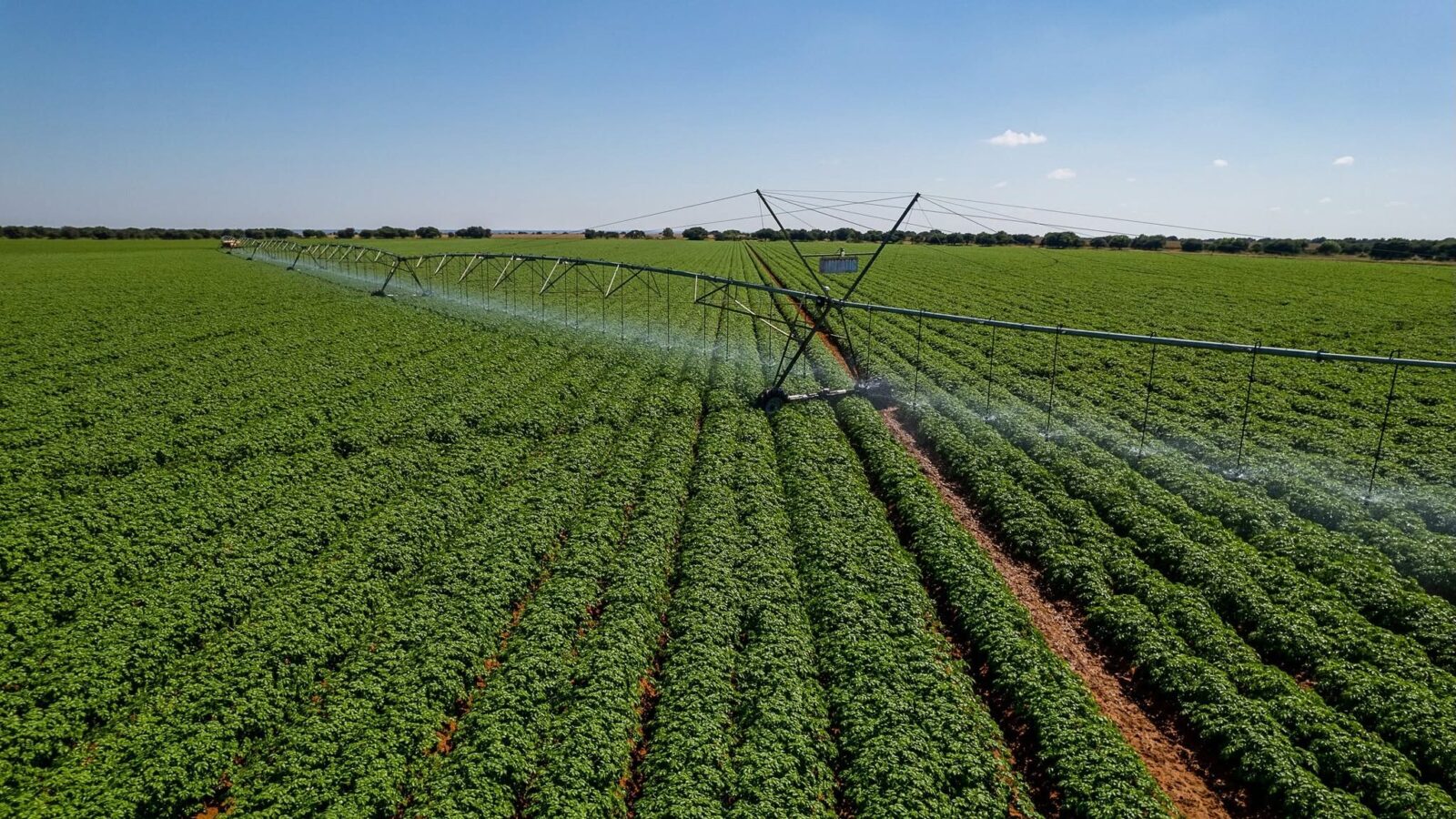
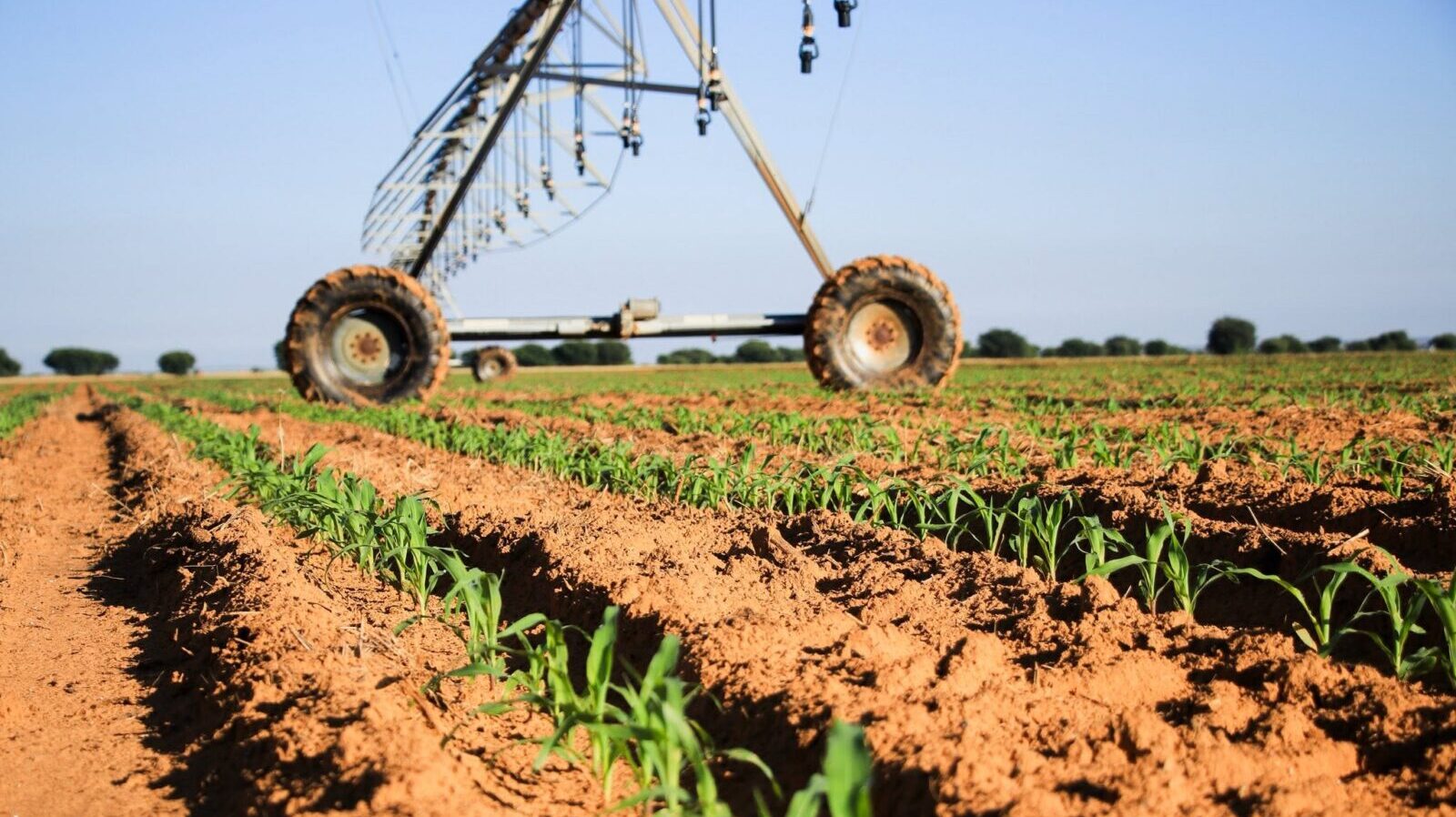
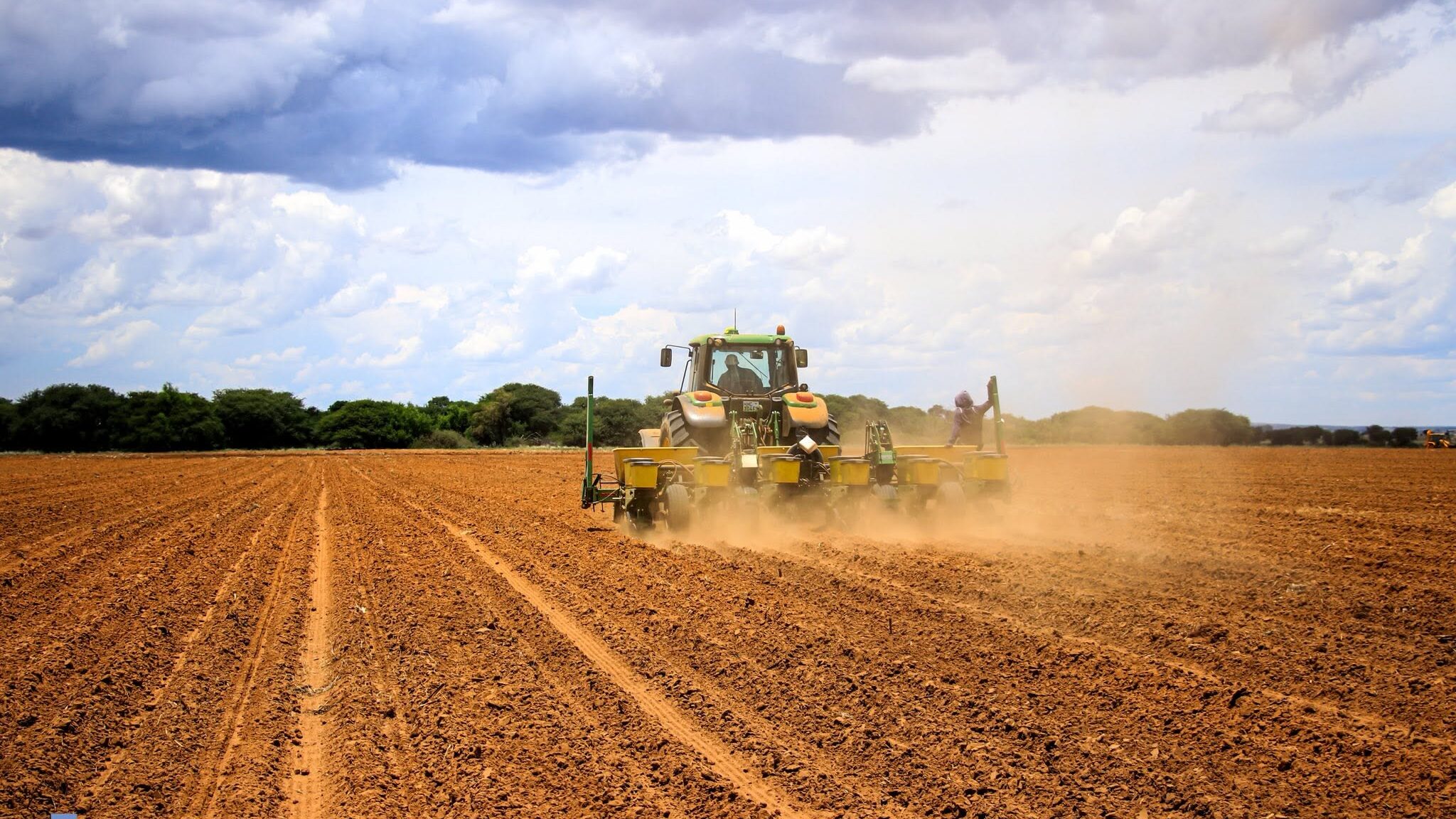
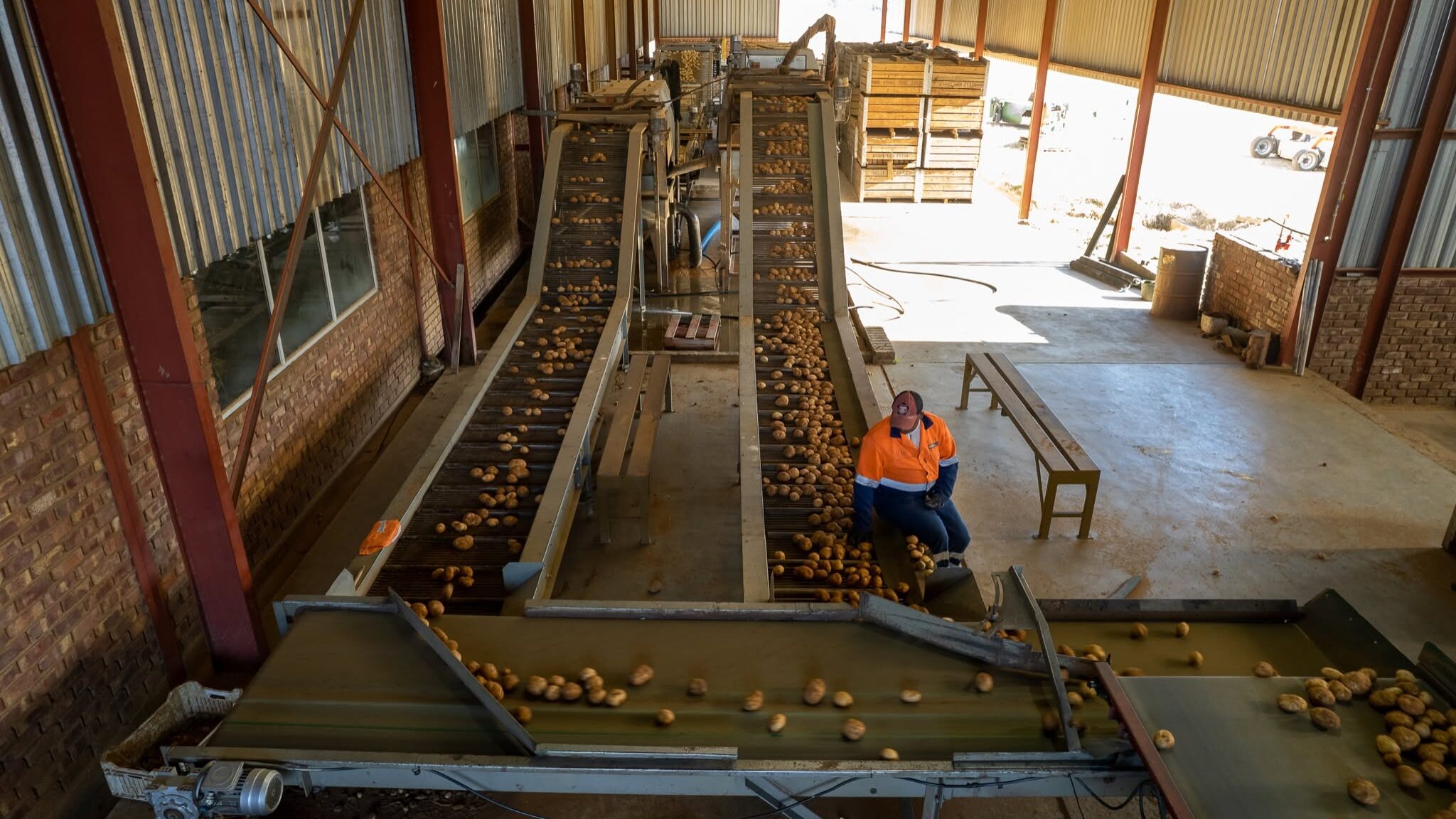
Belle Rive produces seed potatoes, onions, maize, and pecan nuts, which means it is dependent on energy continuity throughout seasonal cycles.
Its multi-production calendar and 20km2 operational footprint presented a significant engineering challenge.
More farms giving Eskom the boot
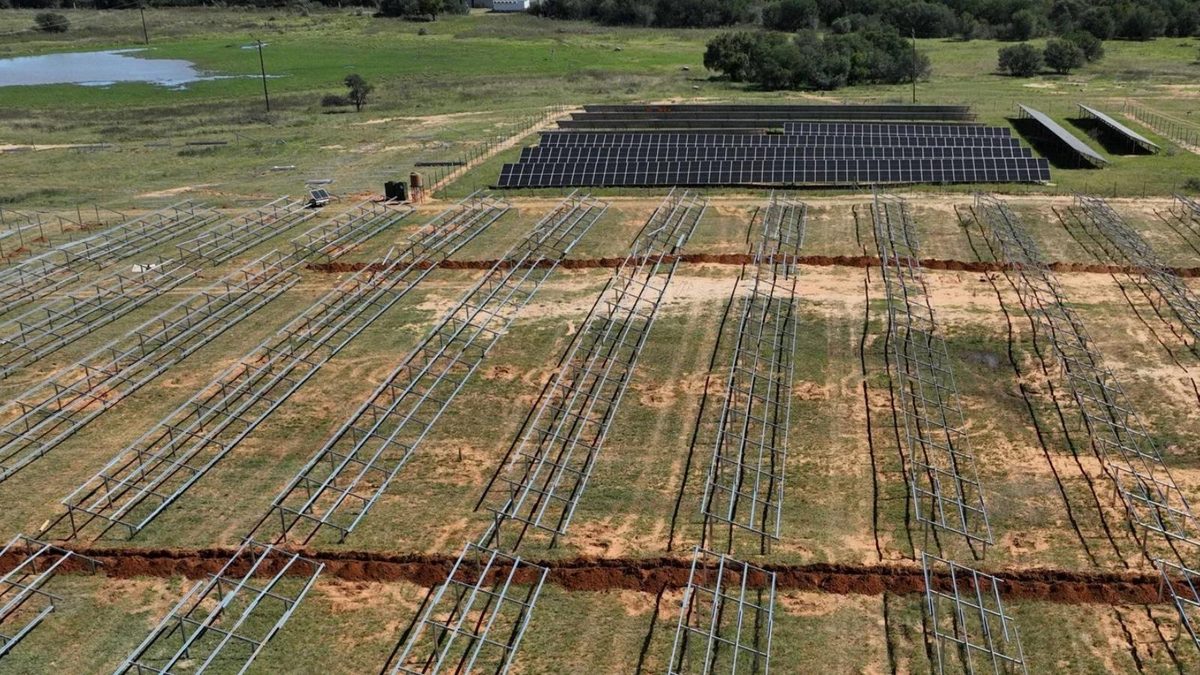
The power plant had to support seamless operations and include a reliable distribution network for irrigation systems, cold rooms, packhouses, and processing infrastructure.
RenEnergy explained that the project required a fundamentally different system architecture than a compact C&I or logistics installation.
“The Belle Rive system was designed to deliver energy continuity at an agricultural scale, across the distances and load variability that commercial farming actually demands,” the firm said.
“As with all RenEnergy projects, the system design was informed by detailed load analysis rather than a standard commercial template.”
RenEnergy’s business development head, Juandré Pitout, said the farm was a showcase for genuine energy independence in South African agriculture.
The company said it had observed an emerging pattern of self-generation uptake across South Africa’s larger commercial farming operations.
“Electricity contributes approximately 6% to total agricultural production input costs nationally. That figure rises materially with significant cold chain and irrigation,” it said.
Belle Rive Farm, in particular, has had to deal with a cumulative increase in electricity tariffs of 45% over the last three years.
Commercial farms can no longer manage energy as an operating cost to be managed incrementally.
Instead, they regard it as a capital investment with a defined return, a long asset life, and a direct bearing on competitive viability.
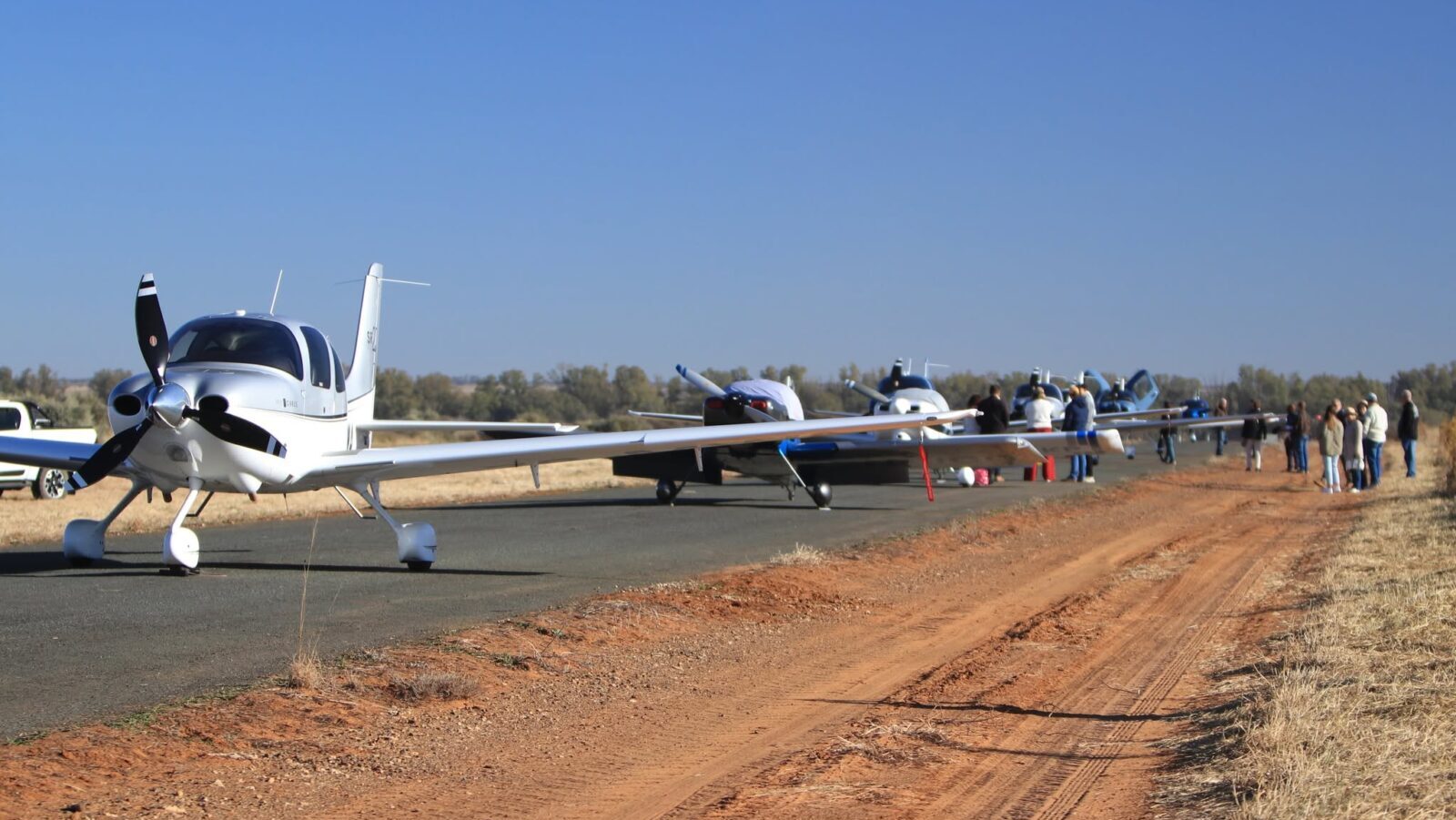
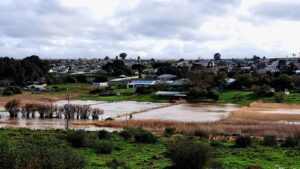
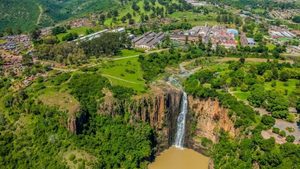
Photos of Belle Rive Farm, Free State






 Loading ...
Hopefully you’ll have good security for the solar panels,,..??