
Good news for people with Green ID books in South Africa


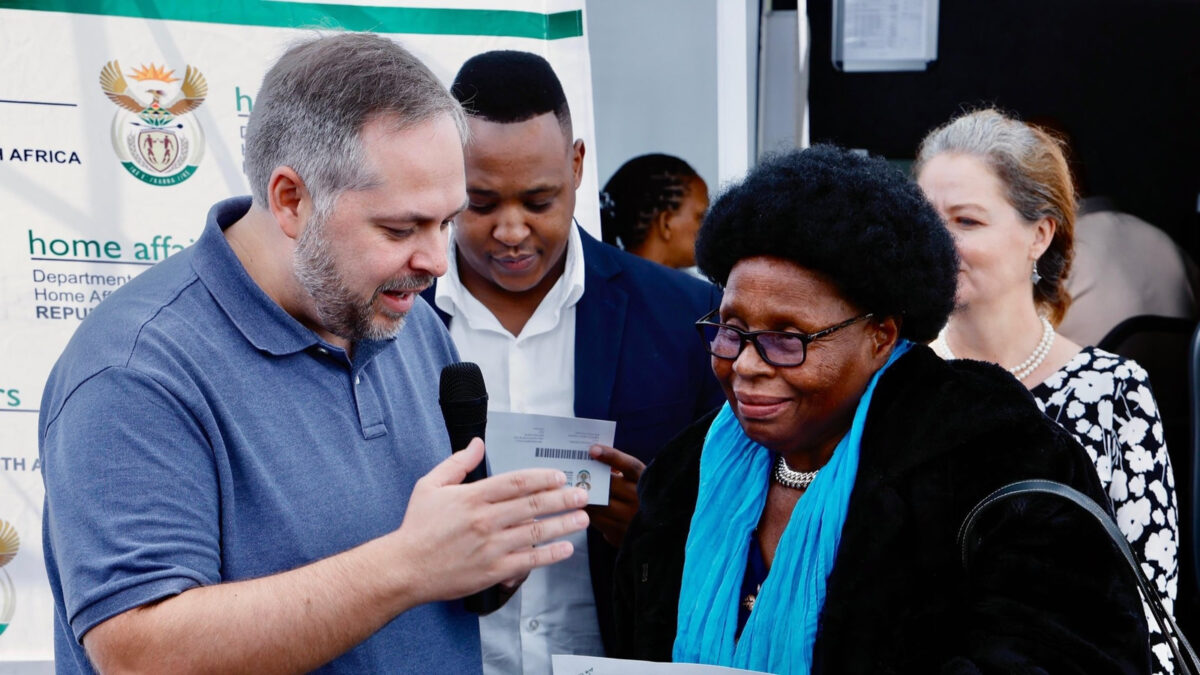
Home affairs minister Leon Schreiber said that over the past five months, more than 400 bank branches across South Africa have launched fully digitised replacement smart ID services.
“Over that same period, more than half a million South Africans have already used this service to replace a lost ID card or the fraud-prone green ID book,” he said.
“They have done this without filling in any paperwork, without any prior bookings, without queues, and without any scope for fraud or manipulation.”
At the same time, Schreiber announced that by the end of 2026, banks will add first-time smart ID applications, passports, and home delivery to this system.
Home Affairs launched its new digital partnership programme with Capitec in March 2026, which immediately rolled out the functionality to dozens of its branches.
As of the end of July 2026, Capitec said it offered walk-in smart ID card applications for existing ID holders at more than 200 branches across South Africa.
Unlike the old eHomeAffairs system, the new digital partnership programme does not allow smart ID applications for people who do not already have a green ID book or passports.
eHomeAffairs is only available at 30-odd bank branches around the country and excludes Capitec, the country’s biggest bank customers.
The goal for Schreiber is to add hundreds more branches and home delivery with eHomeAffairs by the end of 2026.
The aim is to eventually end South Africa’s antiquated green ID book, which is vulnerable to identity theft and fraud.
The first version of the green barcoded ID book was introduced in 1980 as an alternative to South Africa’s original blue “Book of Life” ID.
The development and general availability of modern printing and labelling solutions have contributed to rampant fraud and forgery involving the green ID book in the last two decades.
Smile ID’s 2025 Digital Identity Fraud in Africa report found that fraud rates for South Africa’s green ID book were 500% higher than for smart IDs.
Smart ID card created to replace Green ID books
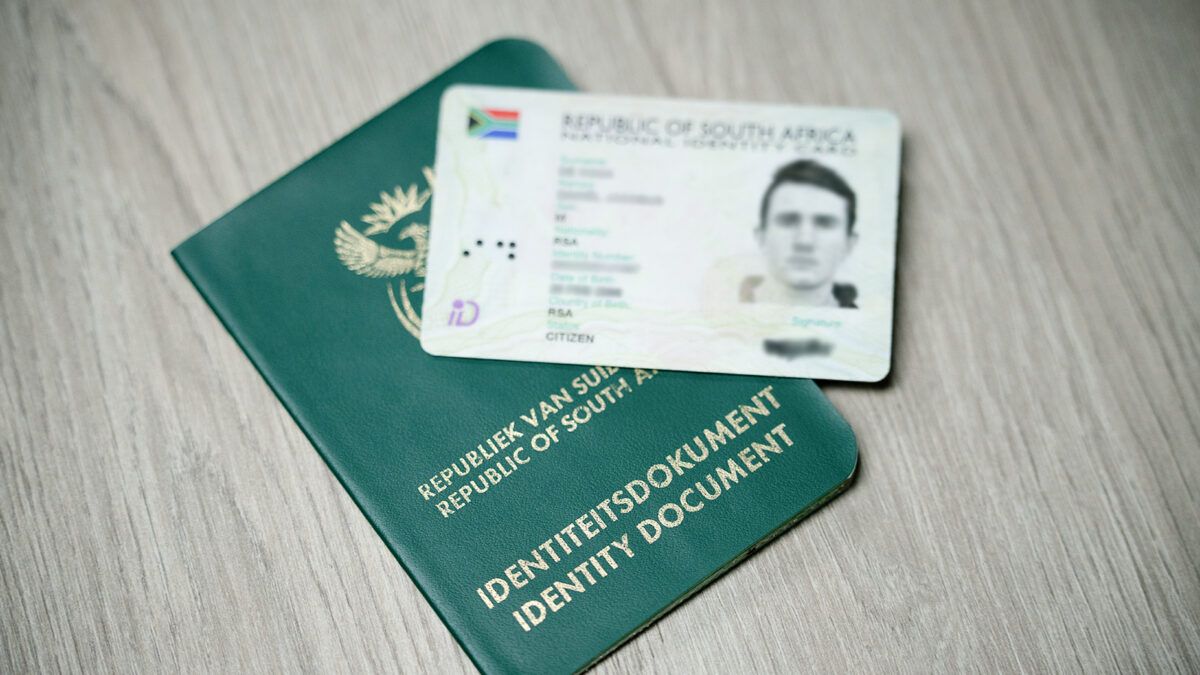
In response to the green ID book’s problems, Home Affairs launched the smart ID card in 2013. In addition to being far more difficult to alter physically, it boasts several digital security features.
Unfortunately, the card’s rollout dragged along at a snail’s pace due to Home Affairs’ slow expansion of live-capture equipment at its own branches, which was needed to capture applicants’ details.
In 2016, it launched a pilot programme with several banks, enabling the department to deploy its staff and equipment in select branches to expand smart ID services.
While the service was popular, it only ever reached 32 branches, as there was little incentive and high risk for the banks to expand it.
“Just over two years ago, we set out to fundamentally reform Home Affairs through our vision to harness technology in order to deliver Home Affairs @ home,” Schreiber said.
“The central idea of our reform programme is simple: In the digital age, you should not have to go to just a handful of physical locations and fill in paperwork to access Home Affairs services.”
Following years of negotiations through the Banking Association of South Africa, Home Affairs established a new digital partnership with the banking sector.
Thanks to its success, Home Affairs director-general Thulani Mavuso said earlier this year the department would be ready to stop printing green ID books before the end of 2026.
Mavuso said Schreiber would confirm any suspension of printing, as well as the date by which the green ID book would no longer be recognised as a legal means of identification.










 Loading ...
The question remains: what happens to your marriage certificate that was pasted into the green identity book? Is that now replaced by another card or certificate, or is it invalid too?