
Small South African town set to be destroyed


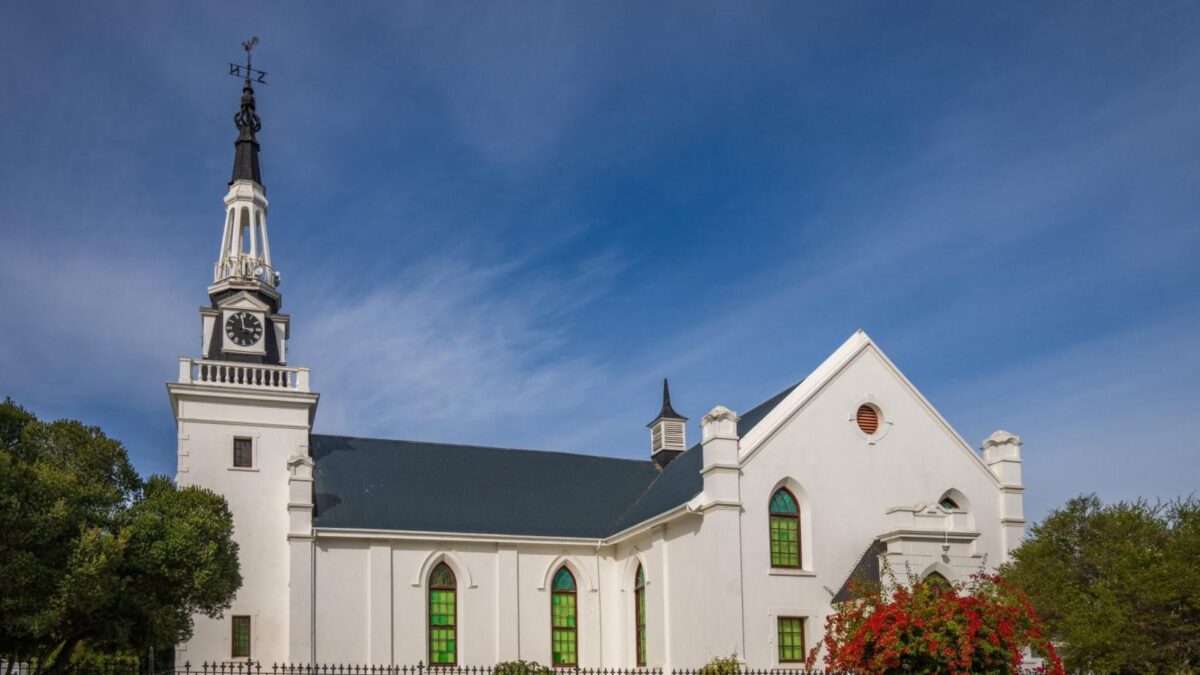
Residents of Hopefield in the Western Cape have raised concerns that the town will be destroyed by a new green hydrogen plant planned for the area.
The project in question is the Phelan Green Group’s R47 billion Saldanha Hydrogen Project in the Western Cape.
The Saldanha Hydrogen Project will produce commercial-scale Green Hydrogen, eMethanol, and Electro-Sustainable Aviation Fuel (eSAF).
The project has been granted Strategic Integrated Project (SIP) status by the South African government.
The project is expected to generate 2,500 jobs during construction and support 500 permanent, high-skilled roles during plant operations.
The plant is projected to generate R6 billion in annual export earnings by shipping green fuels into European and global markets.
The Western Cape Government has welcomed the project and sees it as a key driver for foreign direct investment, job creation, and its green energy transition.
However, not everybody shares this enthusiasm. Hopefield resident and journalist, Marie-Louise Antoni, said the project will destroy the town they love.
She pointed to the project’s 2.6 million photovoltaic panels over 3,200 hectares and the 73-hectare green hydrogen plant as devastating developments.
She said that these developments risk fires, explosions, and asphyxiant releases, leading to a likely classification as a Major Hazard Installation (MHI).
Another concern is the biomass boiler that would require trucking in and burning 1,000 tonnes of dry woodchips or agricultural waste daily.
This, Antoni said, raised concerns about air pollution and required an Atmospheric Emissions Licence.
The developments straddle protected agricultural land and sensitive water ecosystems that drain into Ramsar-protected wetlands.
She complained that the government did not consult the community during the years the project was under development.
Antoni accused local politicians and officials of brokering the town’s destiny without residents’ input, leaving them feeling betrayed.
Details about Hopefield
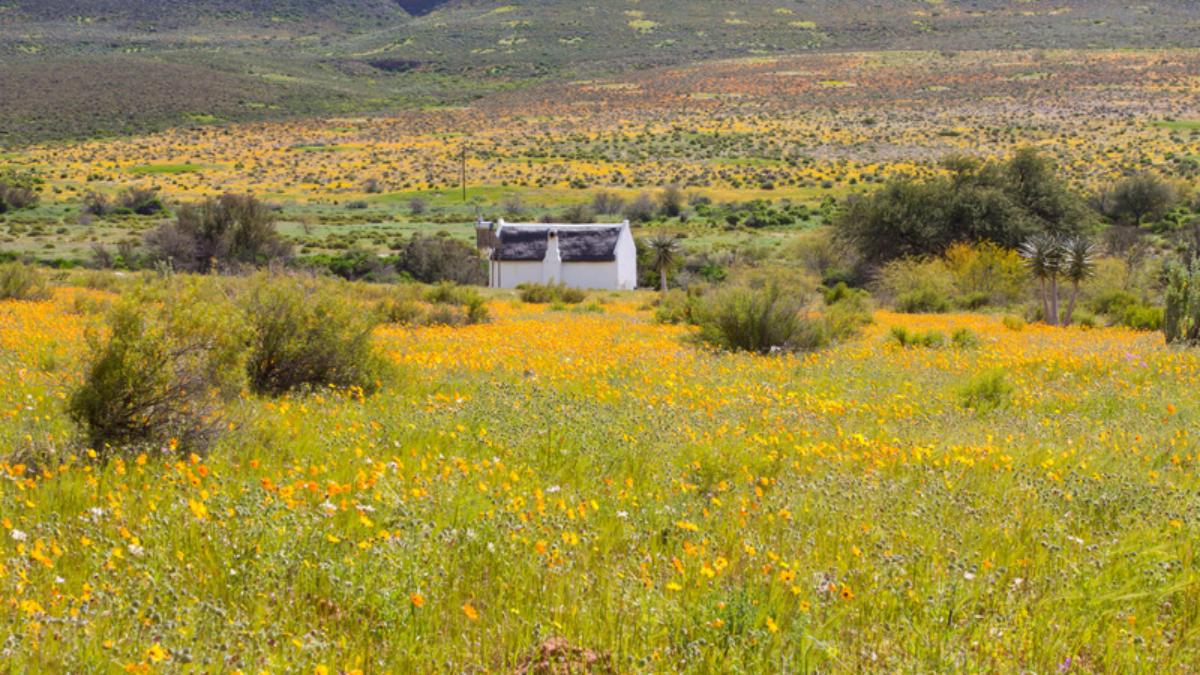
Hopefield is the oldest town on South Africa’s West Coast, established in 1851 on the farm Langekuil.
Located roughly 120 kilometres north of Cape Town, it serves as an agricultural and historical hub midway between Malmesbury and Saldanha Bay.
The town is situated within the Hopefield Sandveld, and the surrounding area is rich in endemic fynbos species.
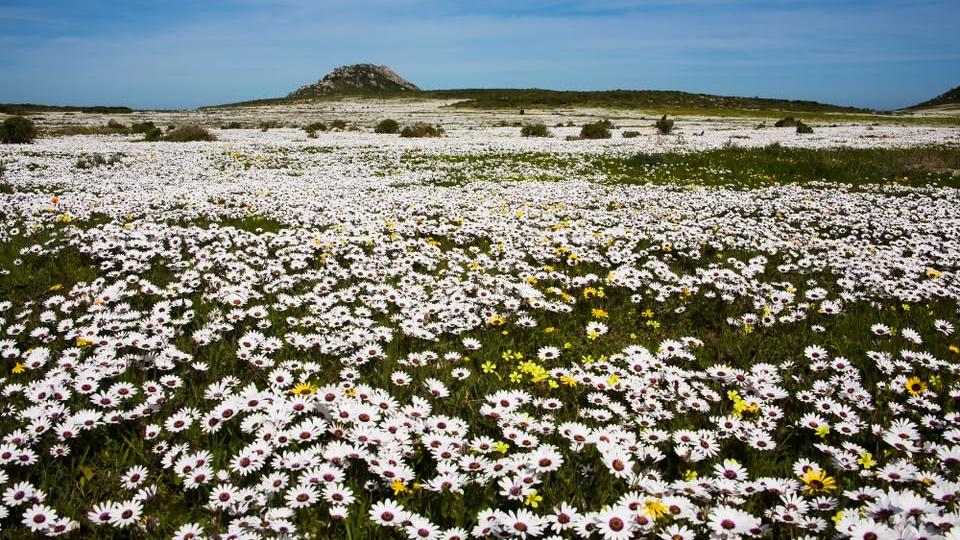
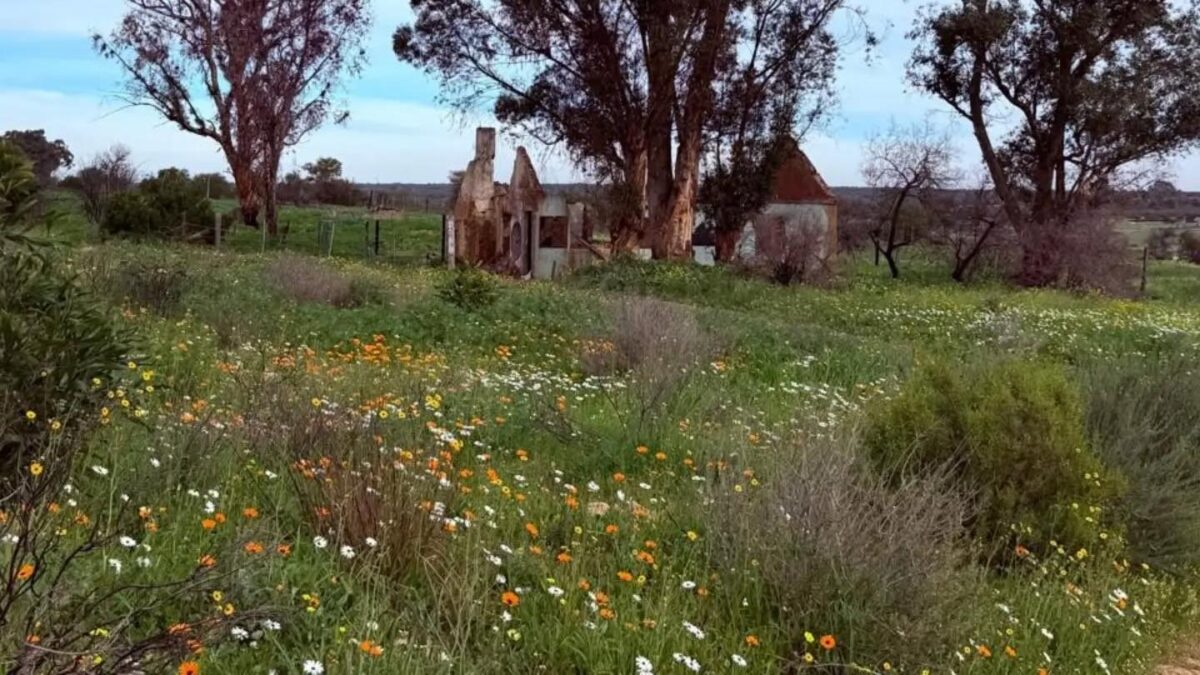
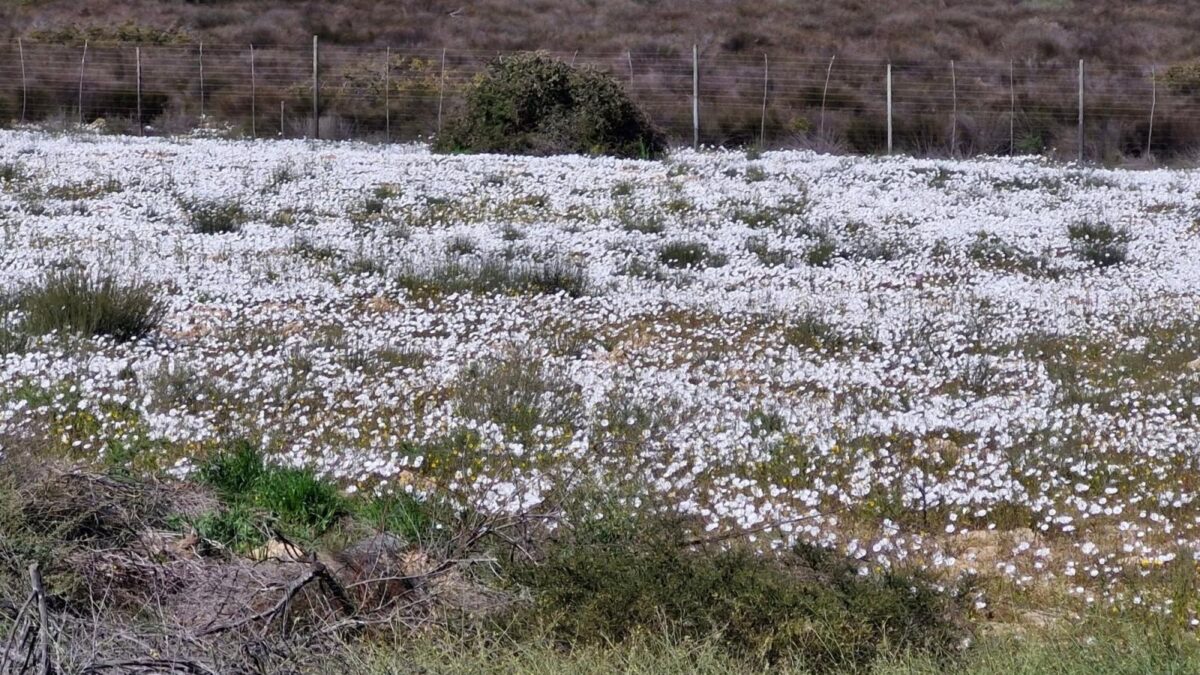
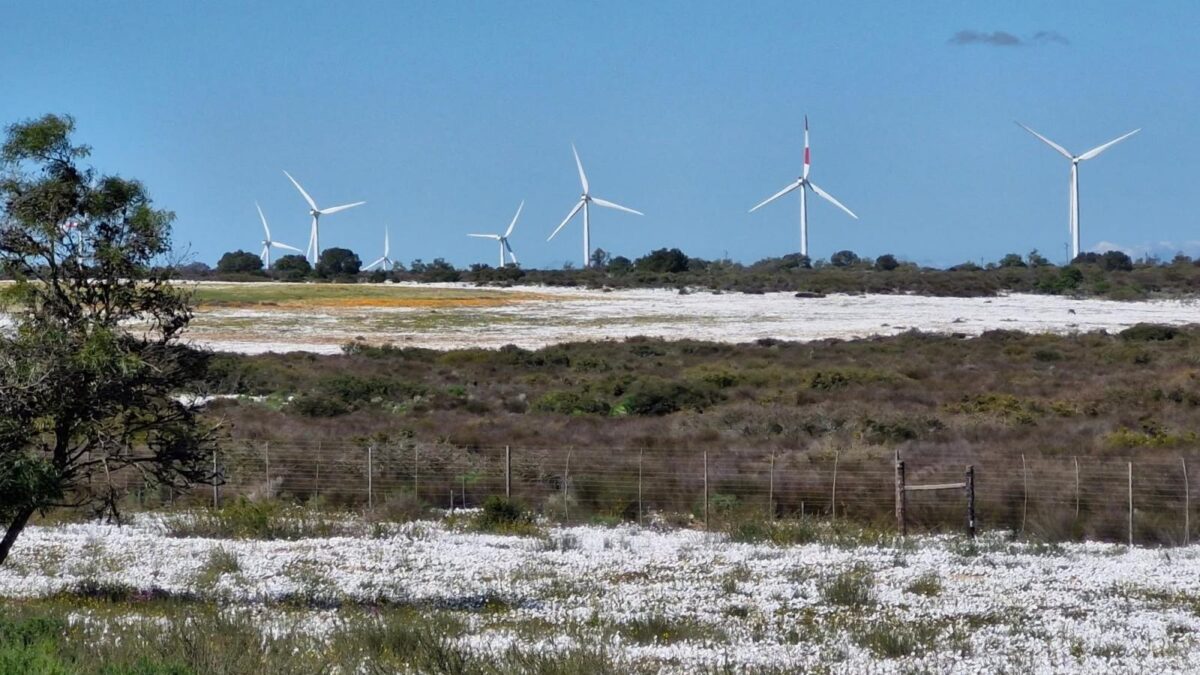
During the spring bloom, the landscape transforms into vibrant flower carpets, drawing botanical tourism across the region.
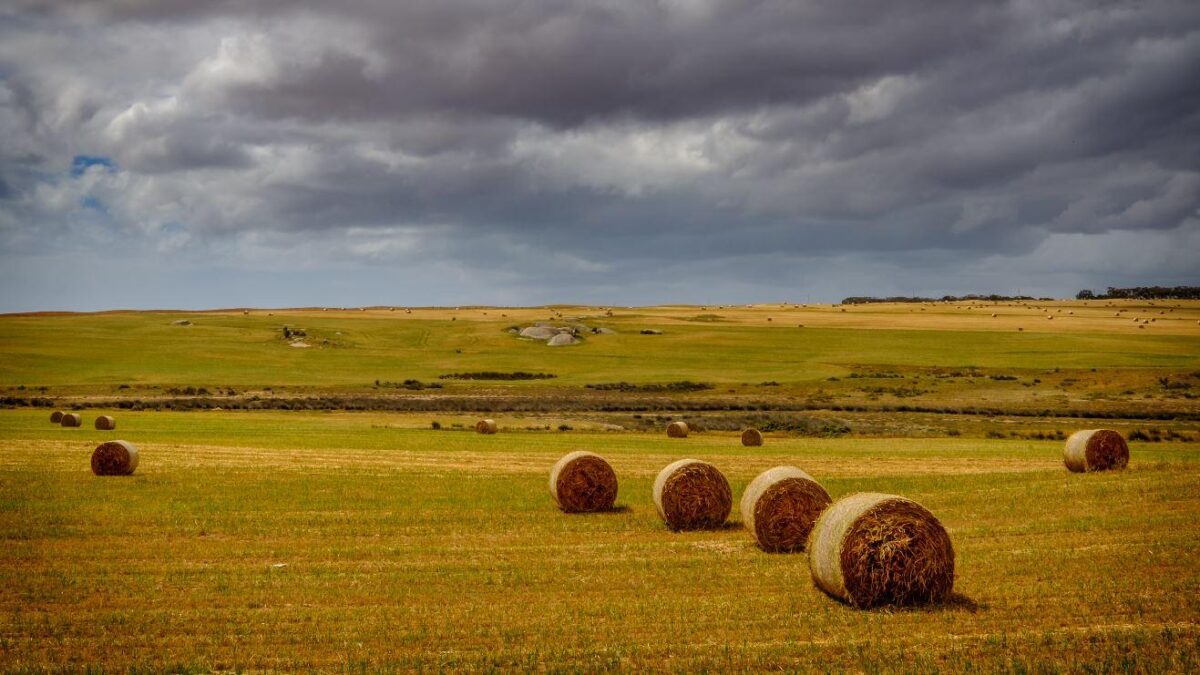
The local economy is driven by sheep, cattle, and grain farming, as well as a long-standing reputation for high-quality fynbos honey production.
Hopefield is also renowned among archaeologists for the discovery of ‘Saldanha Man’ in 1953 at the nearby Elandsfontein site.
The hominin fossil skull cap is estimated to be between 200,000 and 500,000 years old, dating back to the Middle Stone Age alongside fossils of extinct megafauna.
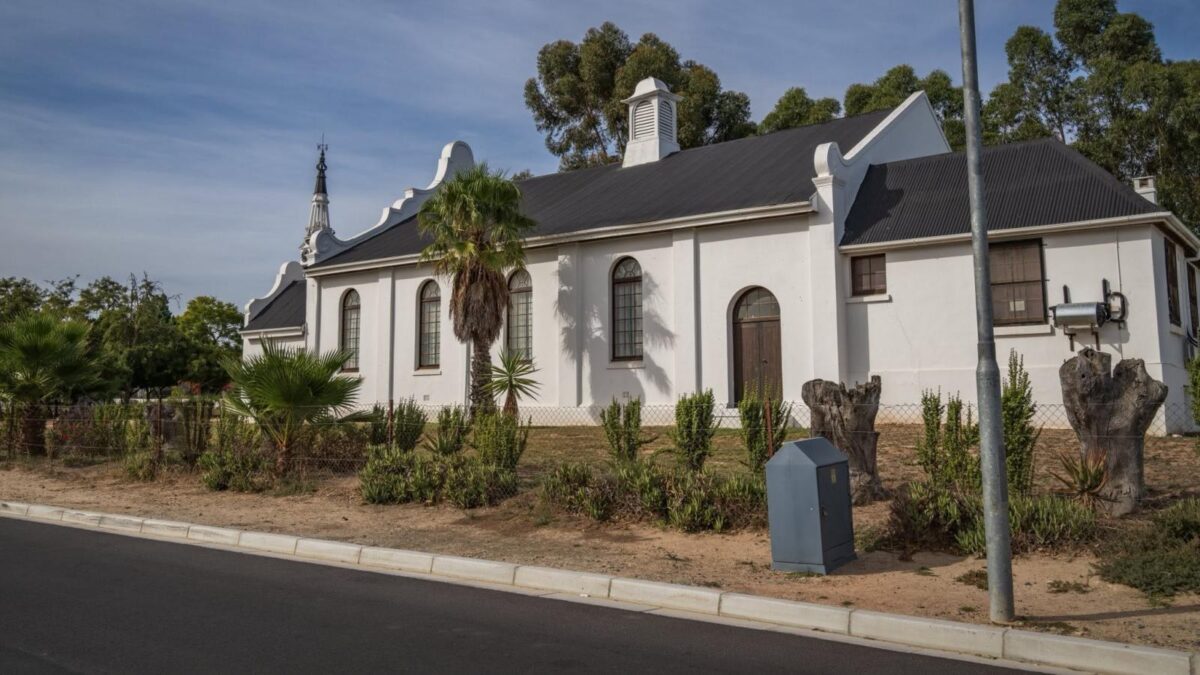
The town maintains a quiet, historic atmosphere anchored by its prominent Dutch Reformed Church, built in 1879, and classic West Coast Victorian architecture.
Residents fear that replacing farmland with the large industrial energy complex will destroy the town’s unique character and serene environment.
They are also concerned that the mega-project will threaten local biodiversity, protected agricultural areas, and critical biodiversity zones.
This, in turn, can harm Hopefield’s vision as a green eco-settlement and gateway between nature reserves.
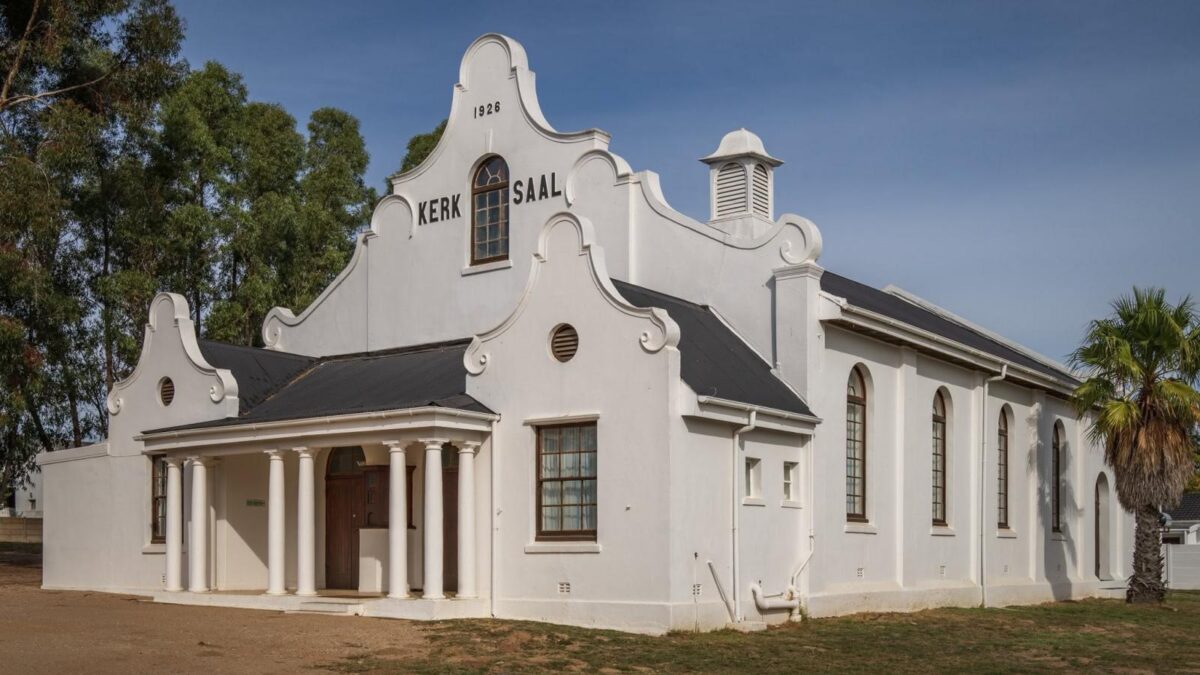
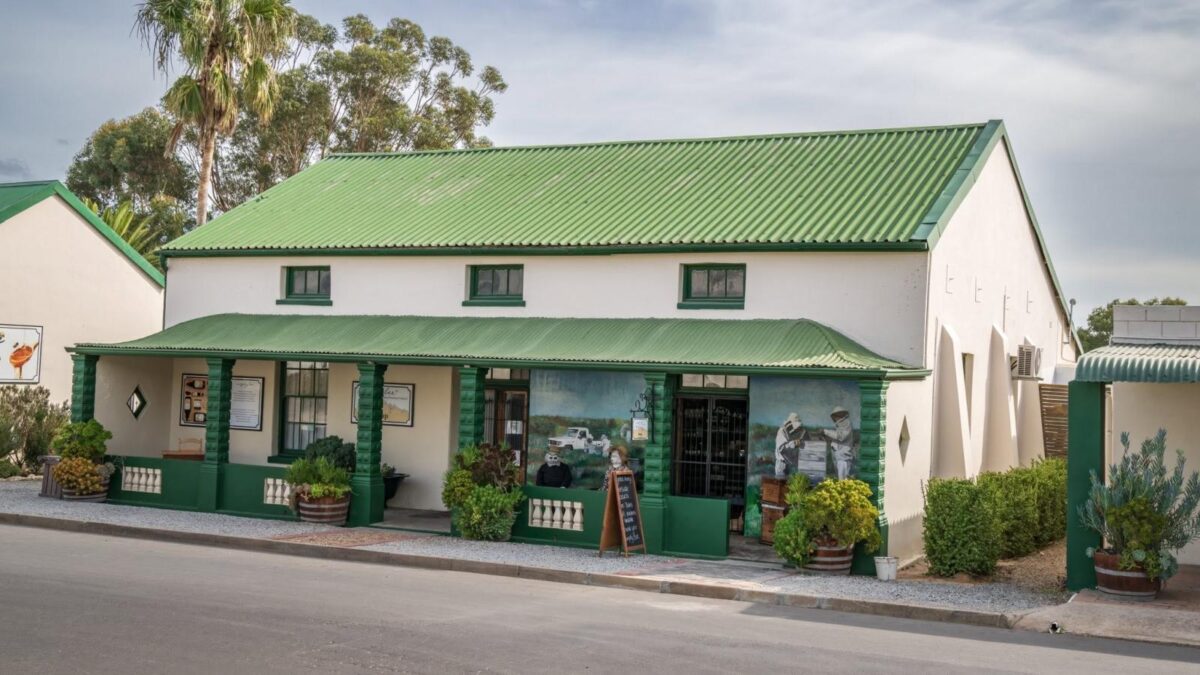
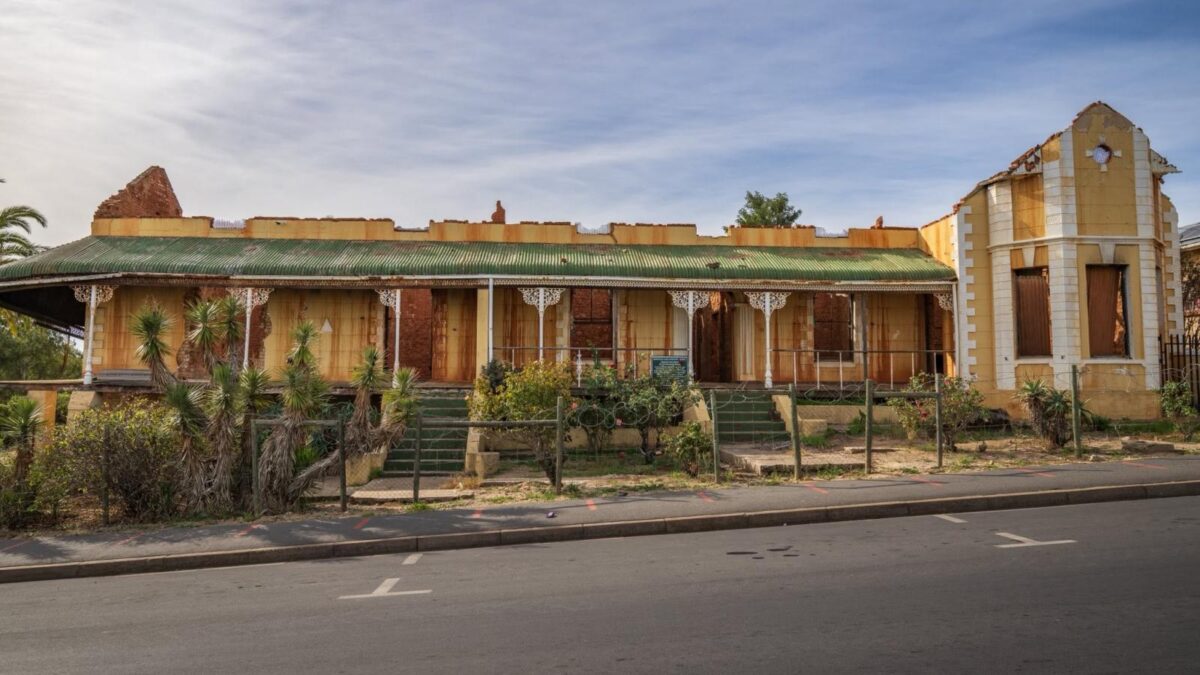
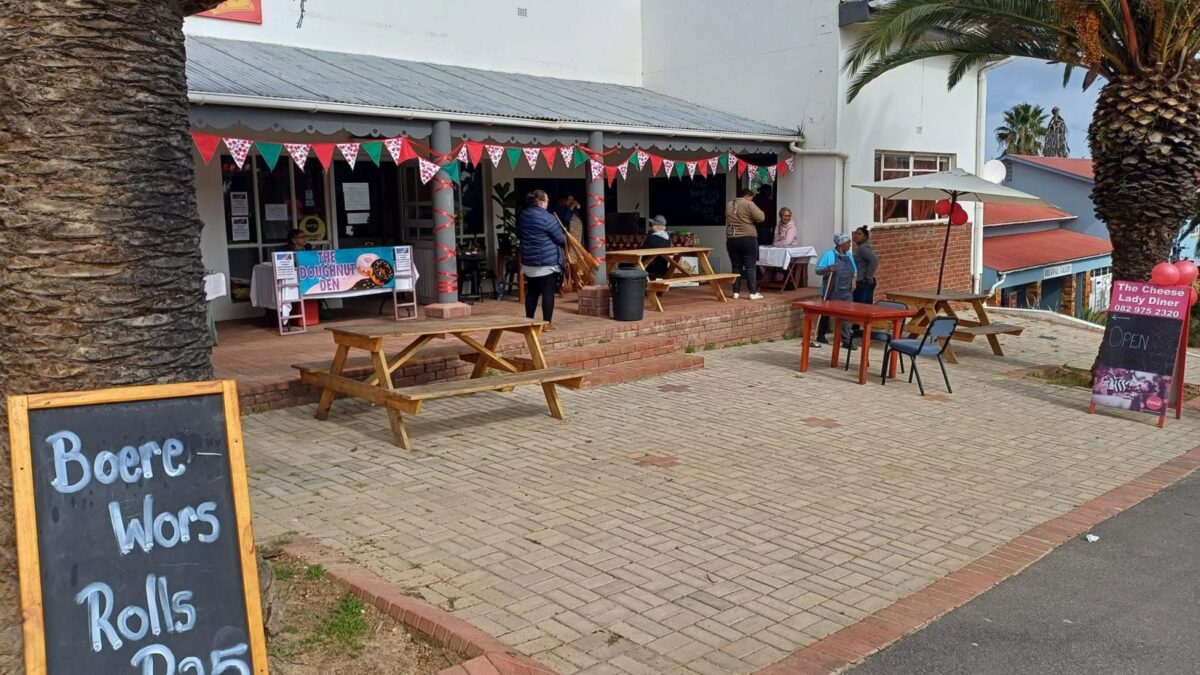
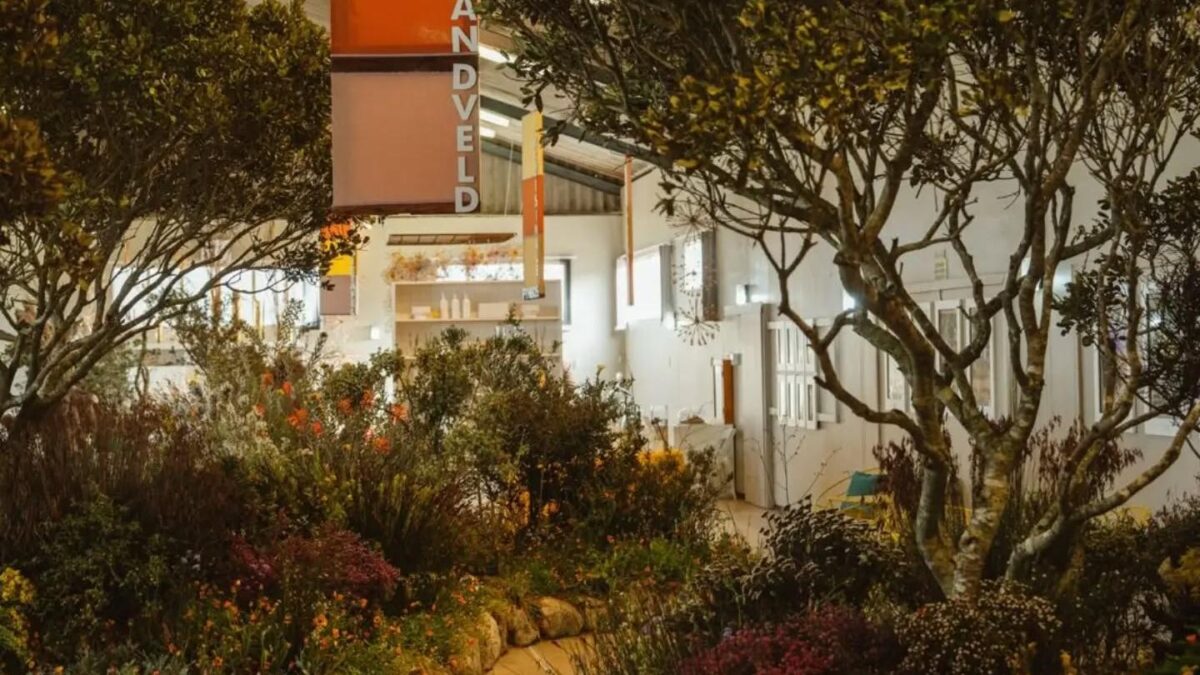
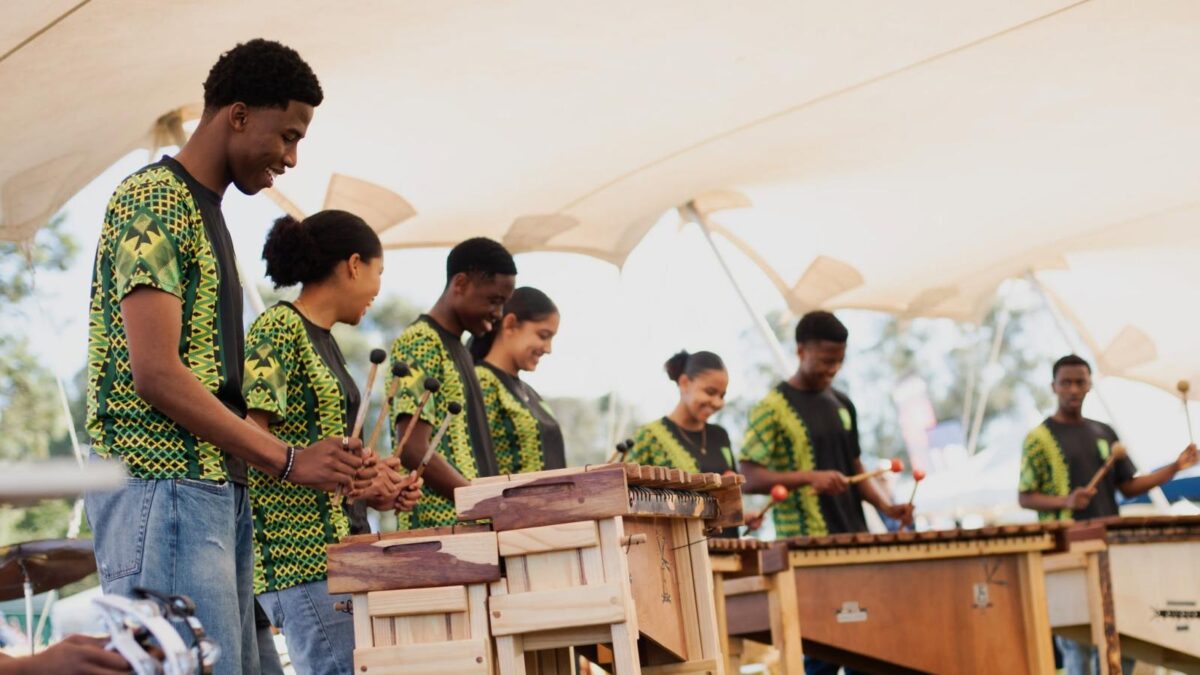
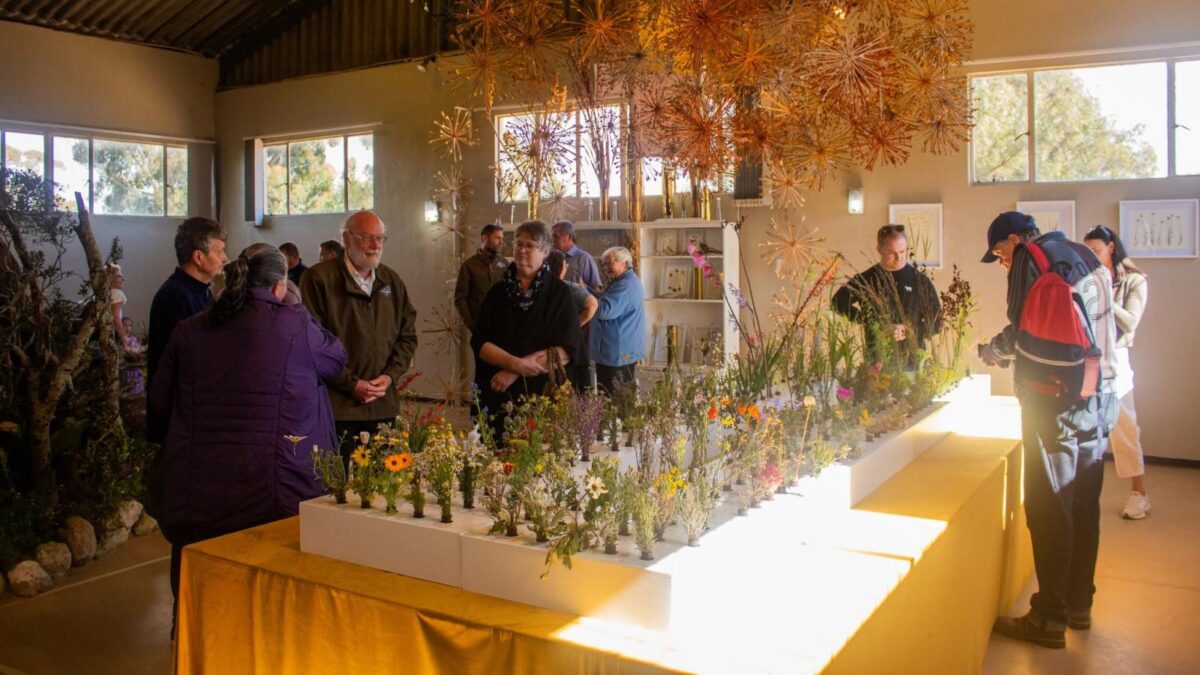
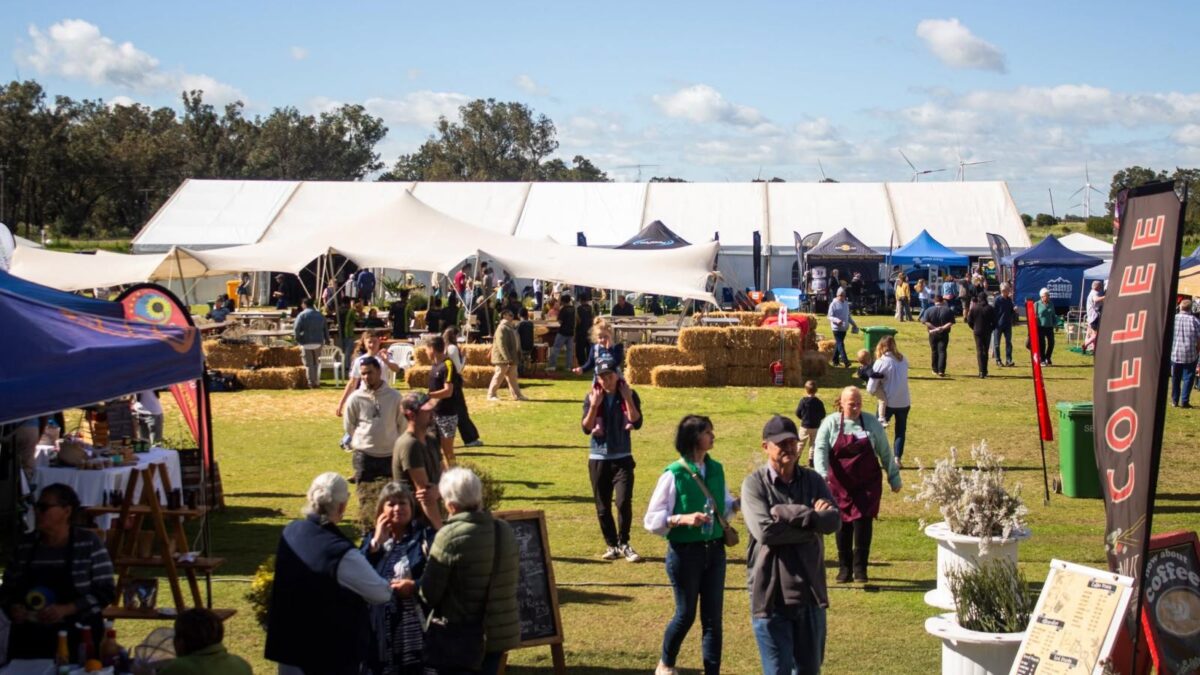
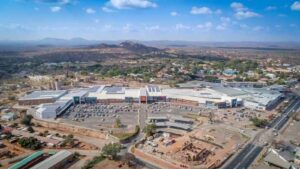
Hopefield photos (photo credit: Sias Karsten from Small Town in South Africa and Hopefield Fynbosskou)





 Loading ...
She definitely does not know what she is talking about this subject. Ignorant. Prehistoric.