
The Springbok legend who built two South African coffee chains


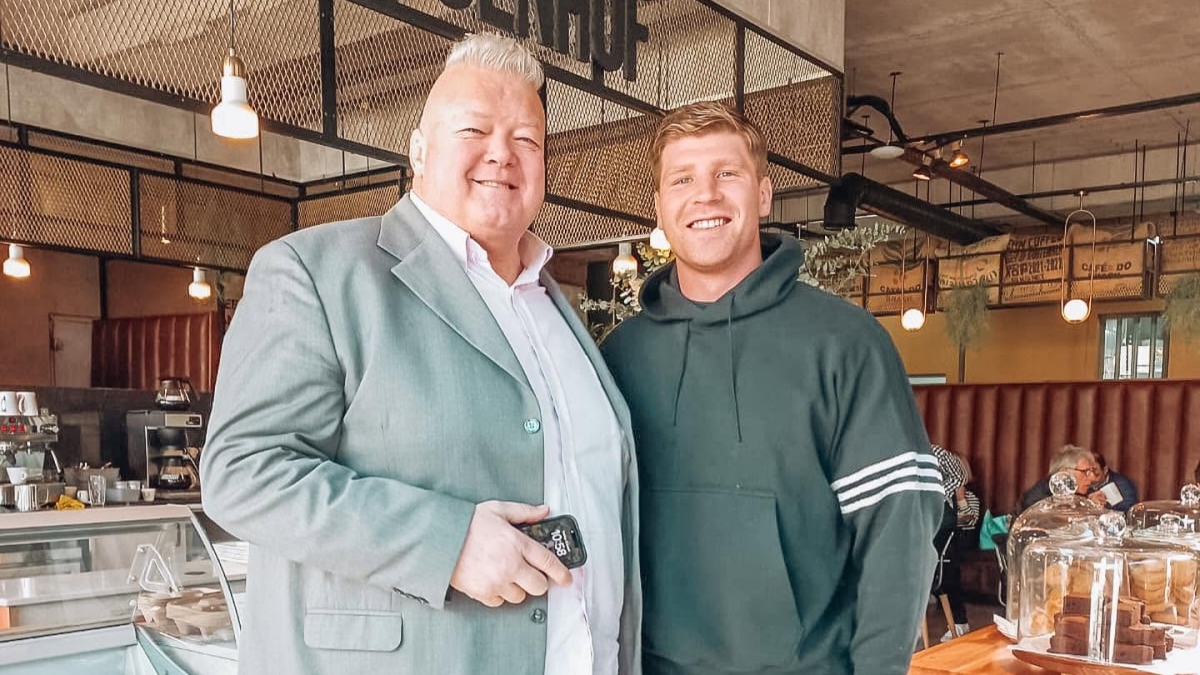
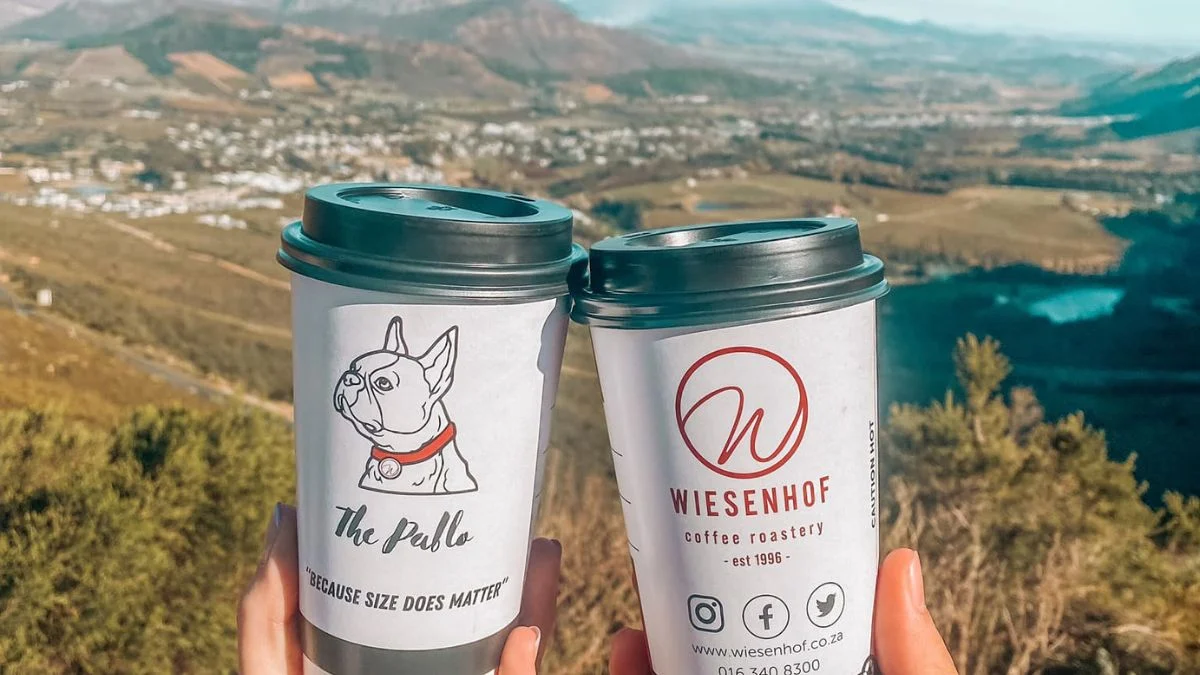
Legendary Springbok lock forward Kobus Wiese has built a successful career away from rugby through his two world-class restaurant chains, Wiesenhof Coffees and Dulce Café.
Wiese, who was born Jakobus Johannes Wiese on 16 May 1964, matriculated from Paarl Gimnasium, a prolific Springbok factory, before studying to become a teacher at Onderwyskollege Paarl.
During his professional rugby career, Wiese played for Boland, Western Transvaal, and Transvaal before earning his place in the Springbok team and making his test debut in a 20-20 draw against France in 1993.
He was also part of the 1995 Rugby World Cup-winning side that lifted the trophy on home soil.
He played his final test match for South Africa against Wales in 1996, retiring with the unique record of never being on the losing side when starting for the Springboks.
Despite playing until 1996, Wiese’s journey in the coffee industry began while he was still an active player following a tour to Italy.
He admitted to falling in love with Italian food culture while playing in the north of Venice, especially the focus on shared family meals, noting that he thought of eating as an experience and that he loved having friends over and cooking.
Wiese returned to South Africa with a dream of owning a coffee shop with his wife, Belinda. They bought a small coffee shop in Johannesburg, despite having no experience.
The pair ploughed everything they had into the coffee shop on “a gut feel”, which prompted his father to question whether he even knew how many cups of coffee he’d have to sell to make a living.
Despite the warnings and lack of experience, the couple was determined to make the coffee business a success, throwing themselves into the business and learning everything they needed to know from the ground up.
Wiese once said that if you cannot perform the tasks in your restaurant better than the people working for you, you have a problem.
Strong nationwide growth
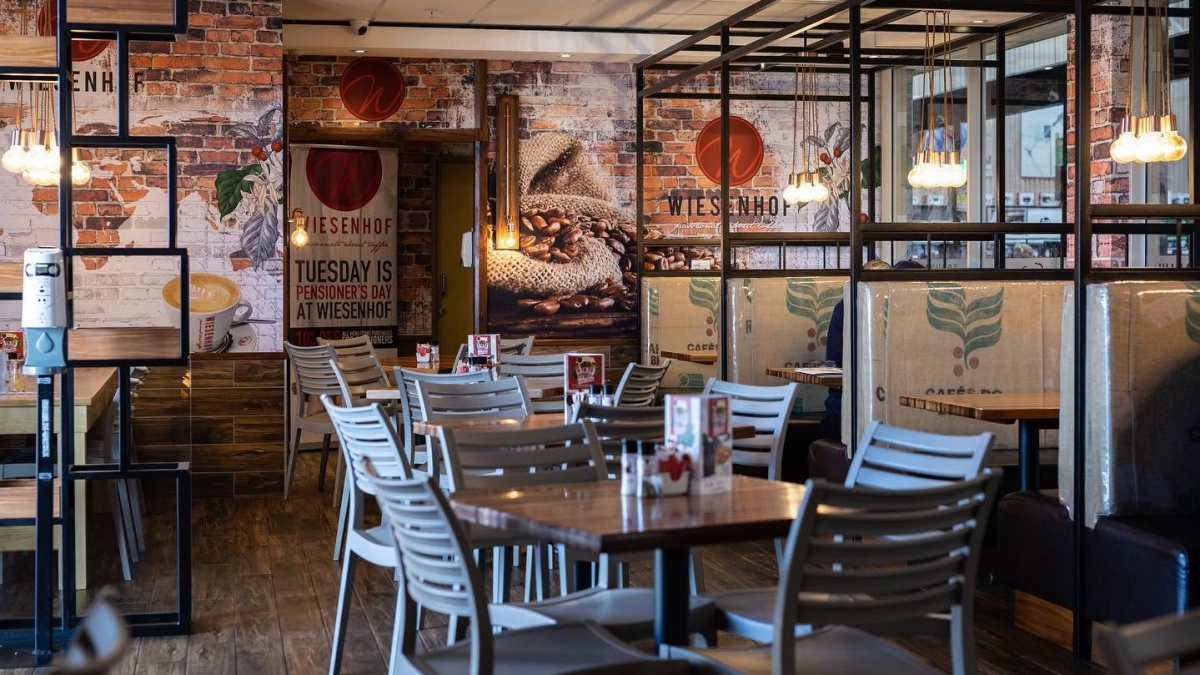
The Wieses’ first coffee shop in Johannesburg’s East Rand soon became popular, which prompted the expansion of the shop to include more seating and an expanded menu.
In 1998, they officially founded Wiesenhof Coffee Shop, with Wiese remaining hands-on throughout the brand’s growth, roasting his own beans and experimenting with blends.
Wiese has said that his favourite part was always testing different roasting methods and beans from different countries, which led to the development of the coffee company’s signature blends, recipes, and methods, which are still guarded as trade secrets today.
One of the ways Wiesenhof Coffee Shop developed its signature flavour is through experimentation, which includes importing green beans from top coffee-growing countries like Guatemala, Costa Rica, Brazil, and Ethiopia.
Wiese has called Wiesenhof a truly South African brand, adding that he believes, in his “unbiased opinion”, that the best coffee can be found in Africa.
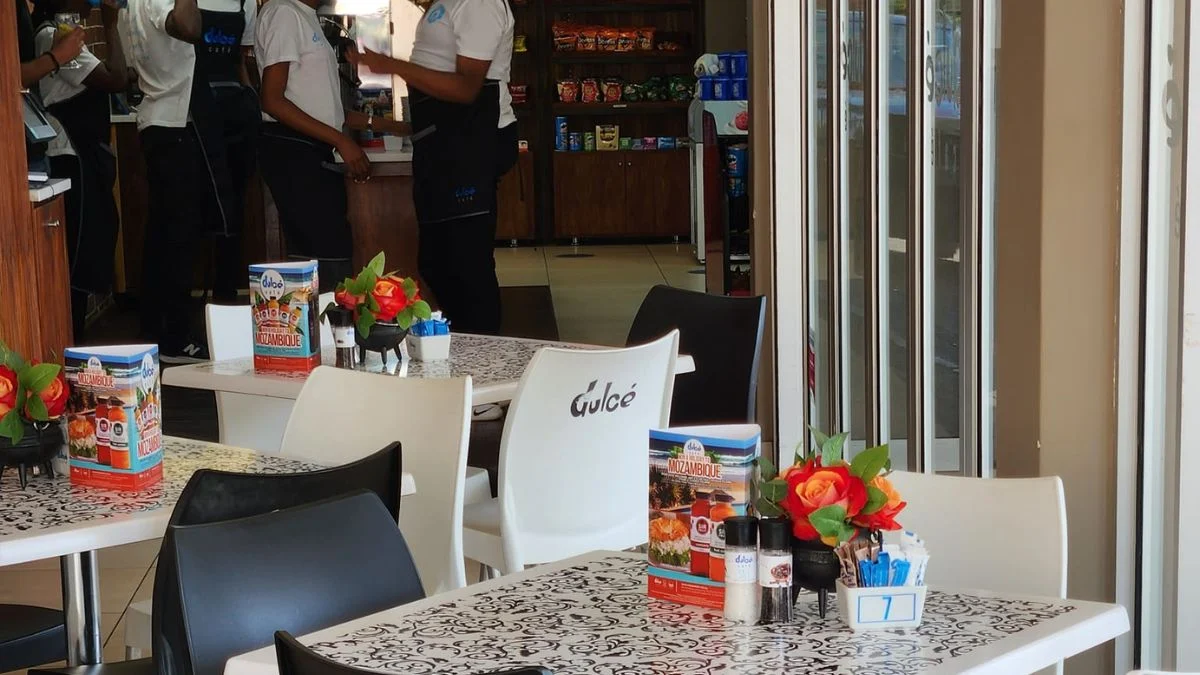
Thanks to the expansion experienced by the Wiesenhof Coffee Shops, Kobus and Belinda launched Dulce Café as an alternative franchise option to complement Wiesenhof.
Today, the two brands form part of the Wiese Coffee Holdings (WCH) family, which includes the company’s original Roastery.
Wiese Coffee Holdings is operated from the pair’s former family home near Heidelberg, Gauteng, and has since grown into a key player in the South African coffee industry.
In recent years, the family has expanded their operations to Paarl in the Western Cape, where Wiese is originally from and established a satellite office to support store and distribution growth throughout the region.
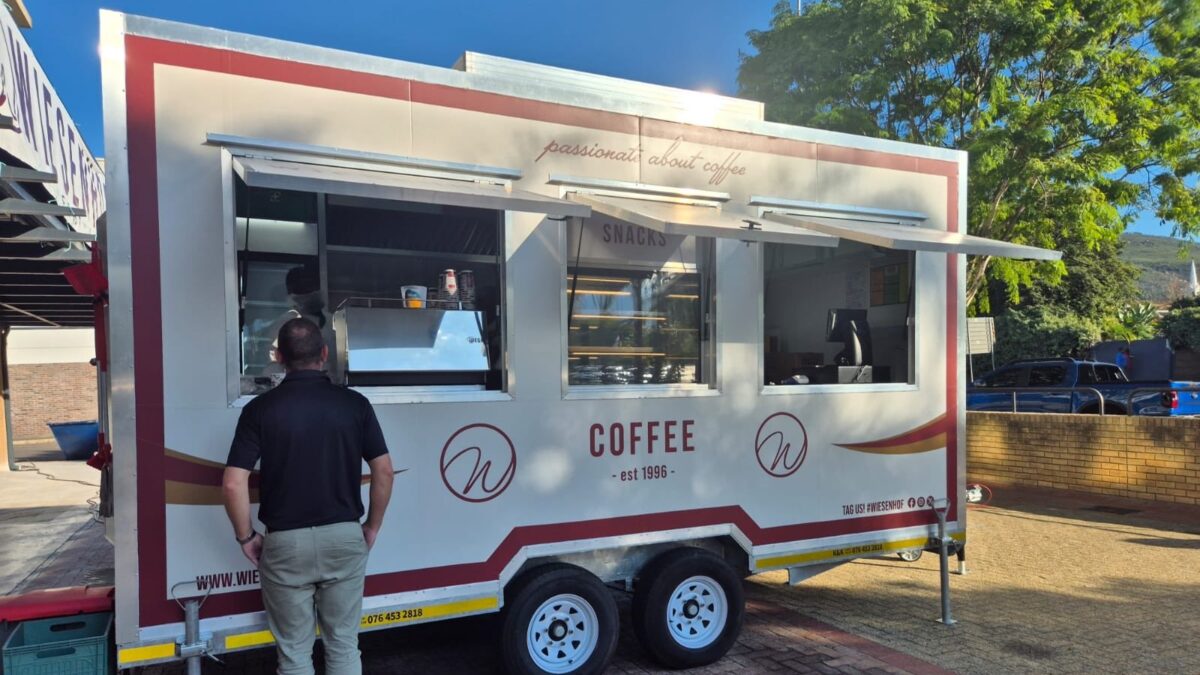
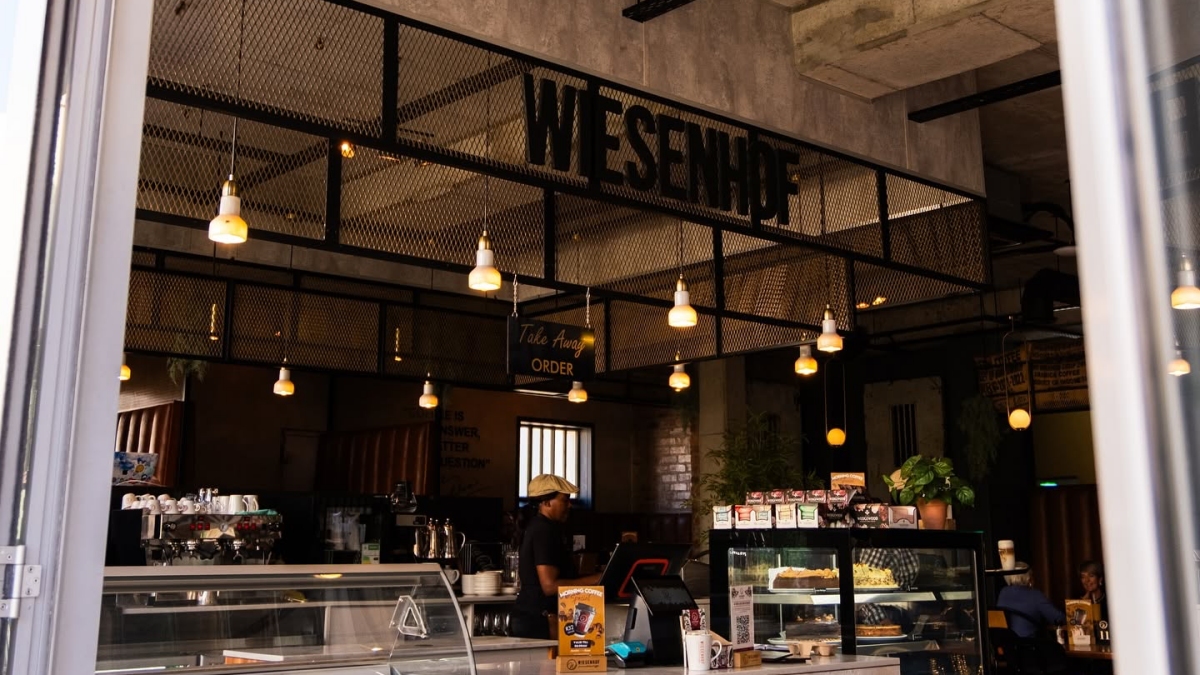
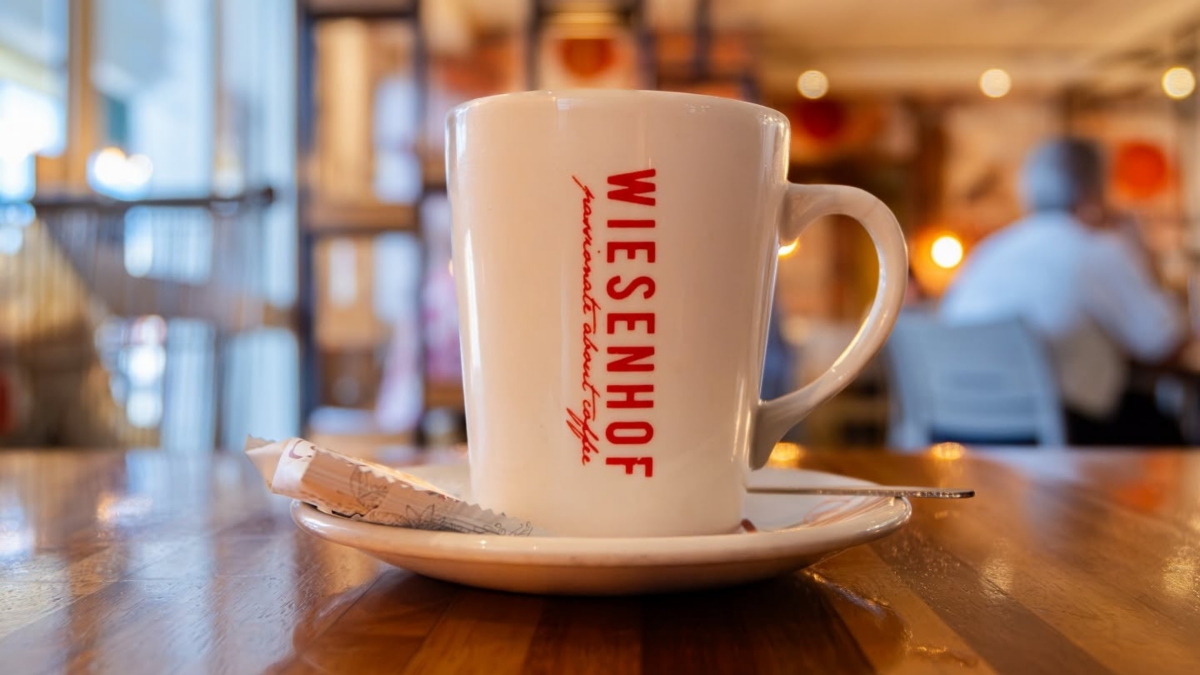
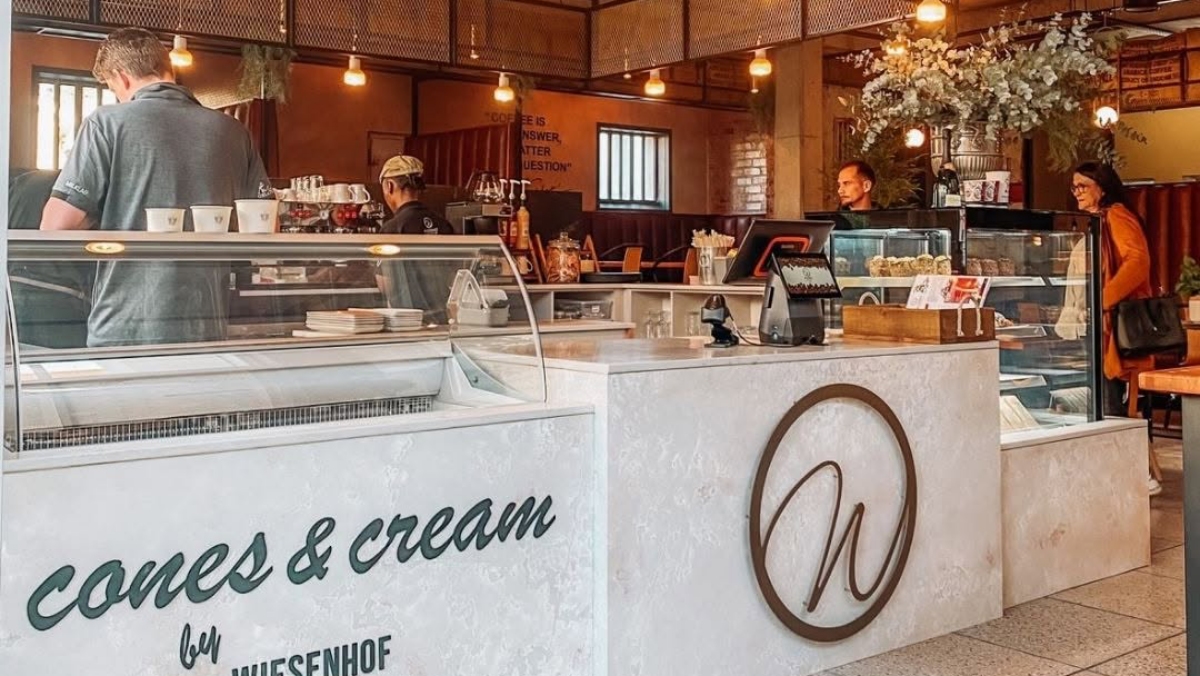
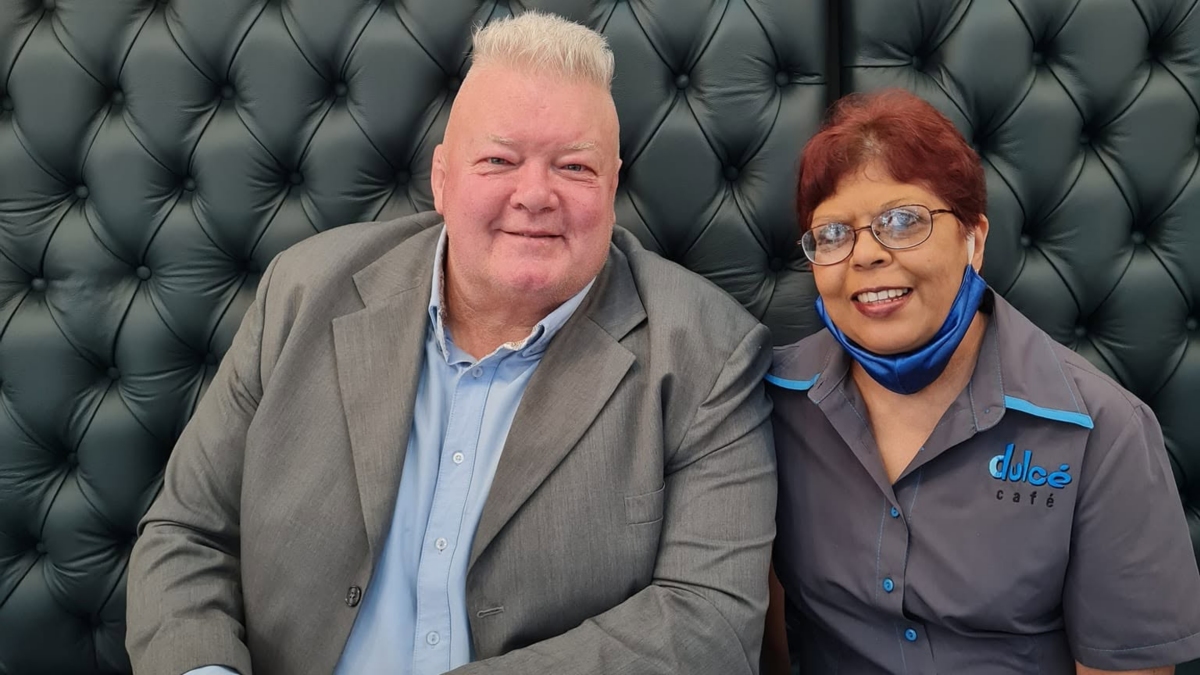
Kobus Wiese and his coffee companies







 Loading ...
I had a cup of Coffee n Eggs on toast at Wiesenhof lanseria airport. The range of coffees on offer took me back to another outlet where they offered a variety of Coffees. Im from Durban waiting for Wiesenhof to Launch.