
Well-known South African national park collapsing in front of everyone’s eyes


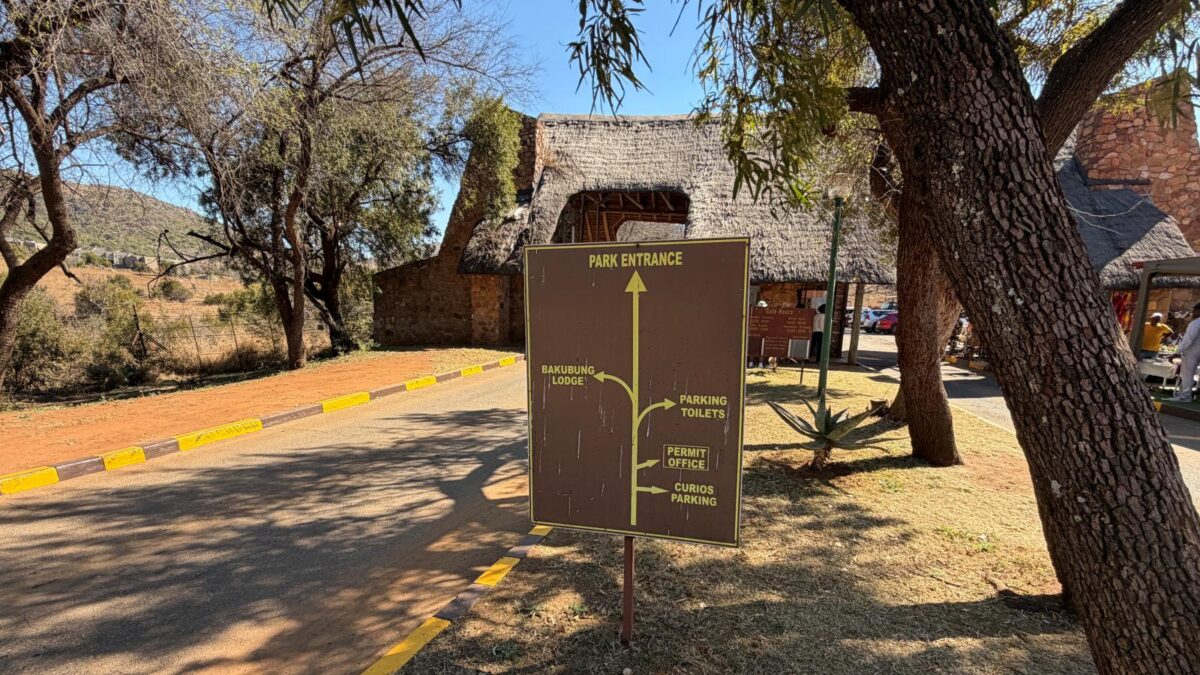
The Pilanesberg National Park in the North West Province is deteriorating, with poor service levels and collapsing road infrastructure.
The Pilanesberg National Park is a provincial game reserve northwest of Johannesburg set in an extinct volcanic crater, with grasslands and wooded valleys.
It covers 550 square kilometres, making it the fourth-largest park in South Africa. It has over 7,000 animals, 360 bird species, and more than 200 kilometres of roads.
It is home to the Big 5: elephants, lions, buffalo, leopards, and rhinos, along with an abundance of zebra, kudu, giraffes, and other antelopes.
The Pilanesberg National Park features numerous lodges, including the Tshukudu Bush Lodge, Ivory Tree Game Lodge, and Bakubung Bush Lodge.
Its proximity to Johannesburg and location next to Sun City make it a popular destination for local and international travellers.
However, in recent years, the game reserve has come under fire for the rapid increase in fees, poor service levels, and deteriorating roads infrastructure.
The entrance fees for South African citizens increased from R80 per person to R160 per person. The price per car increased from R40 to R160.
The price for international visitors increased from R110 to R680 per person, and buses now have to pay R400 instead of the previous R140.
When Newsday visited the game reserve in July 2026, the entrance fee was R504 for two adults in one car.
Equally frustrating were the poor service levels and long wait times to pay and gain access to the game reserve.
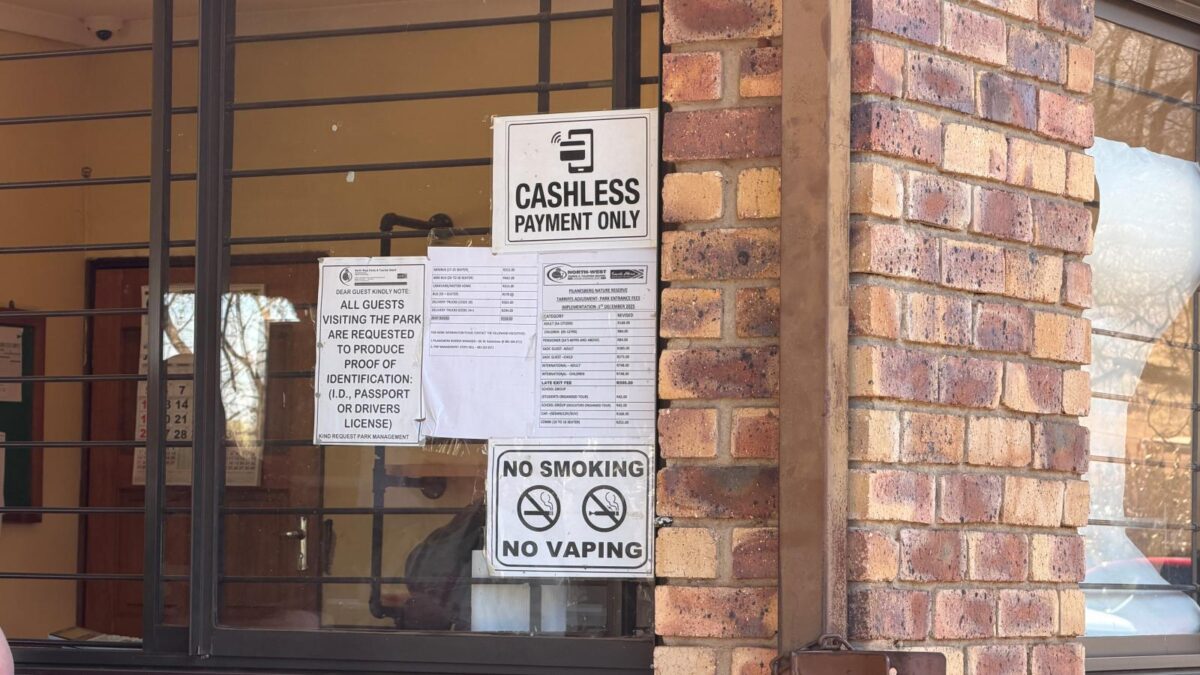
To enter, all guests need to present their IDs, which most people do not know about. This delays the process for many people.
Another challenge was that only cashless payments were accepted. However, connectivity problems slowed down this part.
During our visit, it took 15 minutes to pay and gain access, and others expressed frustration with the process and the long wait.
Pilanesberg National Park road infrastructure deteriorating
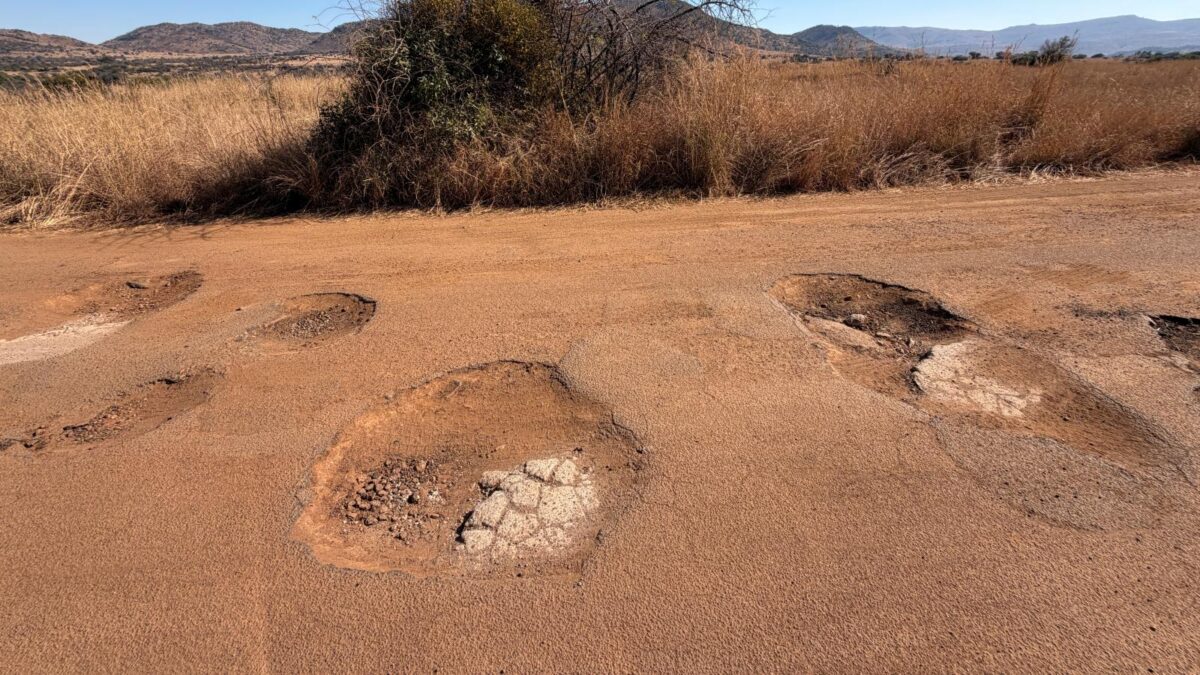
Numerous reports have noted that Pilanesberg National Park has struggled with poor maintenance, particularly of the road network.
The North West Parks and Tourism Board admitted that large parts of the park’s infrastructure have deteriorated significantly due to a lack of maintenance.
In October 2025, acting North West Tourism Board CEO Jonathan Denga said the Pilanesberg National Park faced closure due to unsustainable funding models.
He said fixing the park, including roads, fencing, toilets, and tourism infrastructure, could reach R1.8 billion to R2.2 billion.
Denga said that he was leading an eight-point strategy to address the problems and drive the maintenance initiative.
Newsday travelled through the Pilanesberg National Park to assess the state of the roads and found them worse than ever.
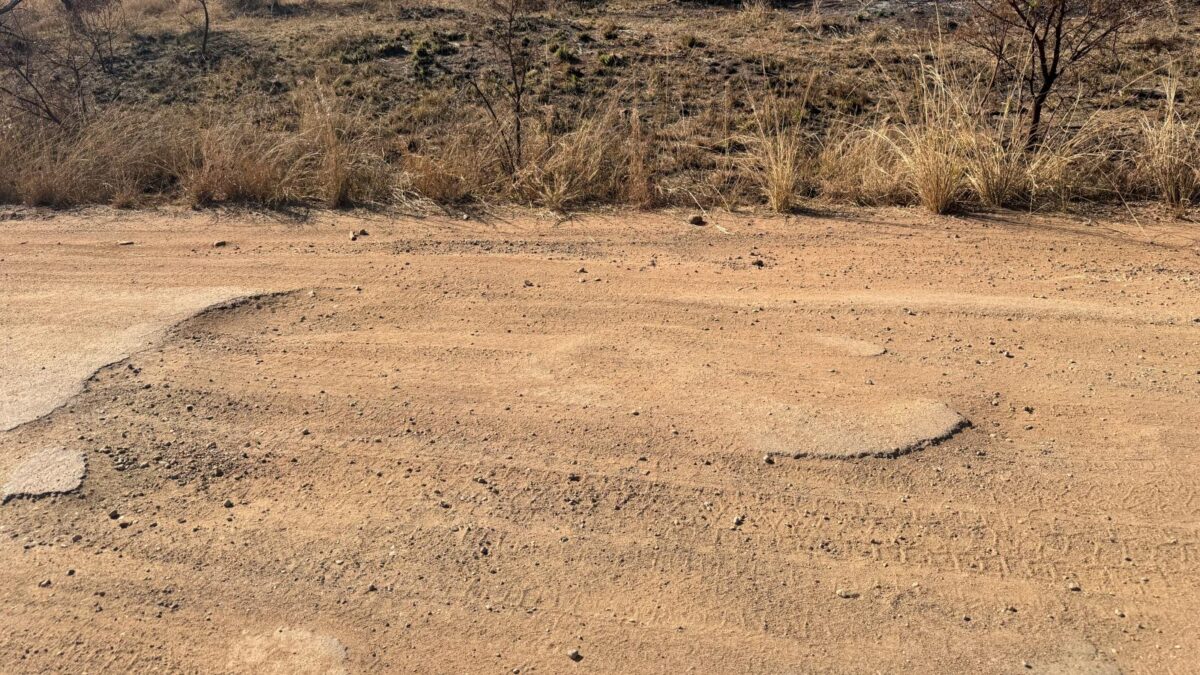
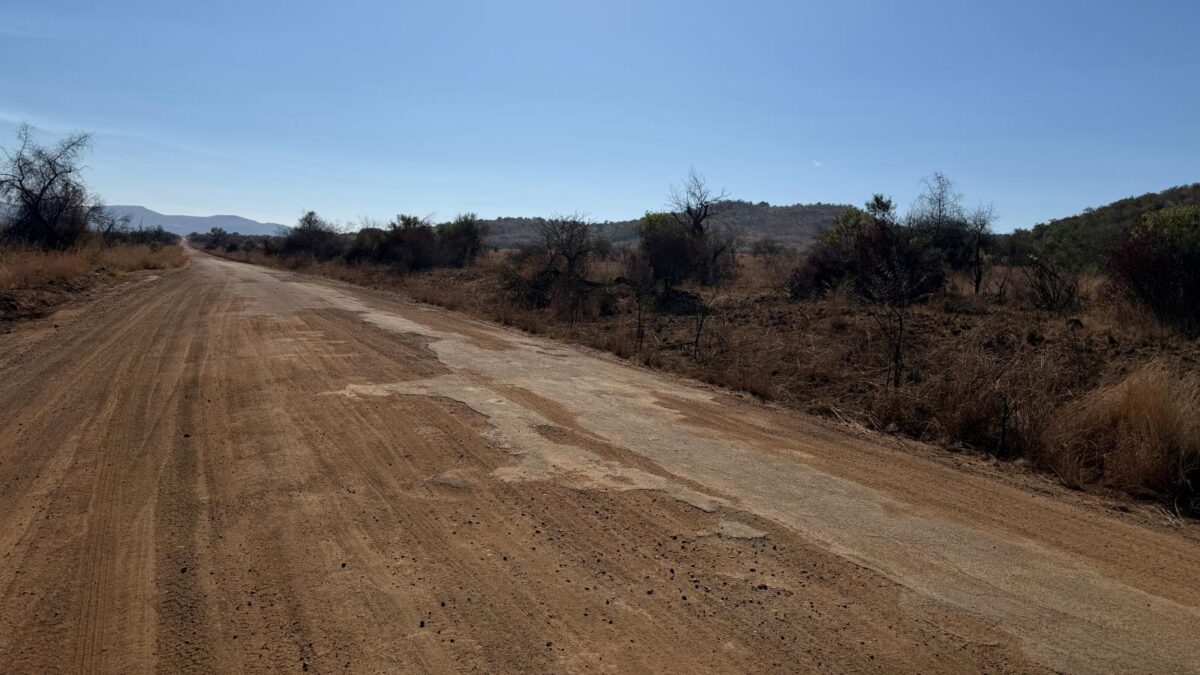
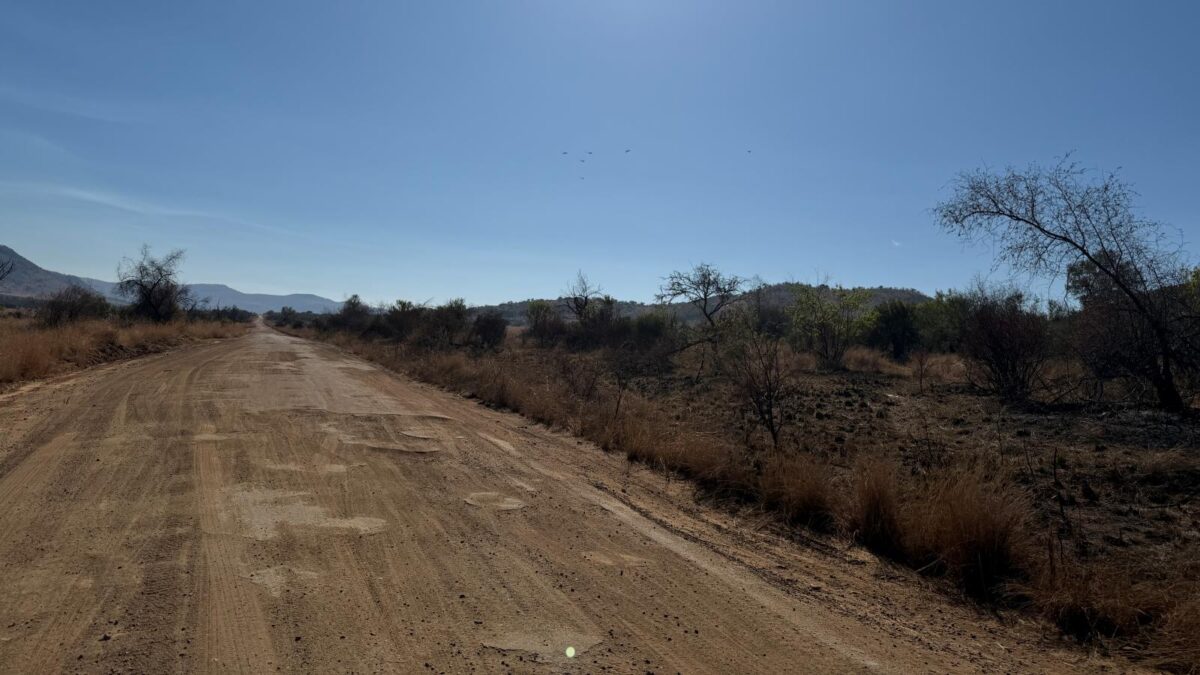
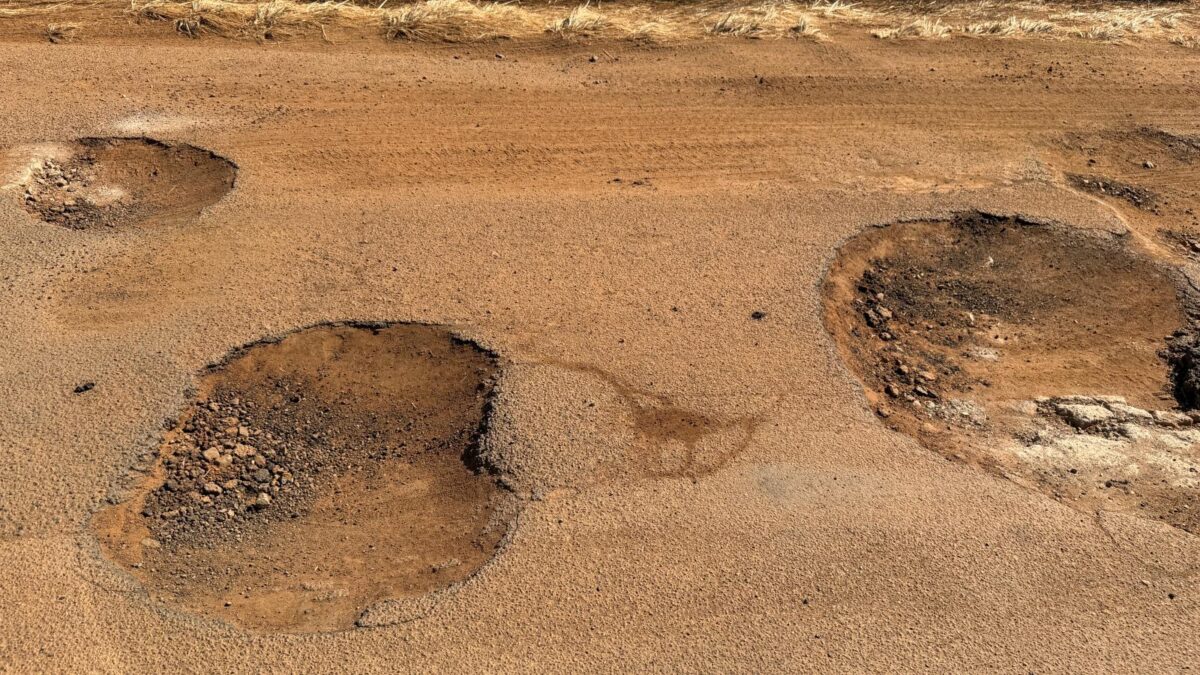
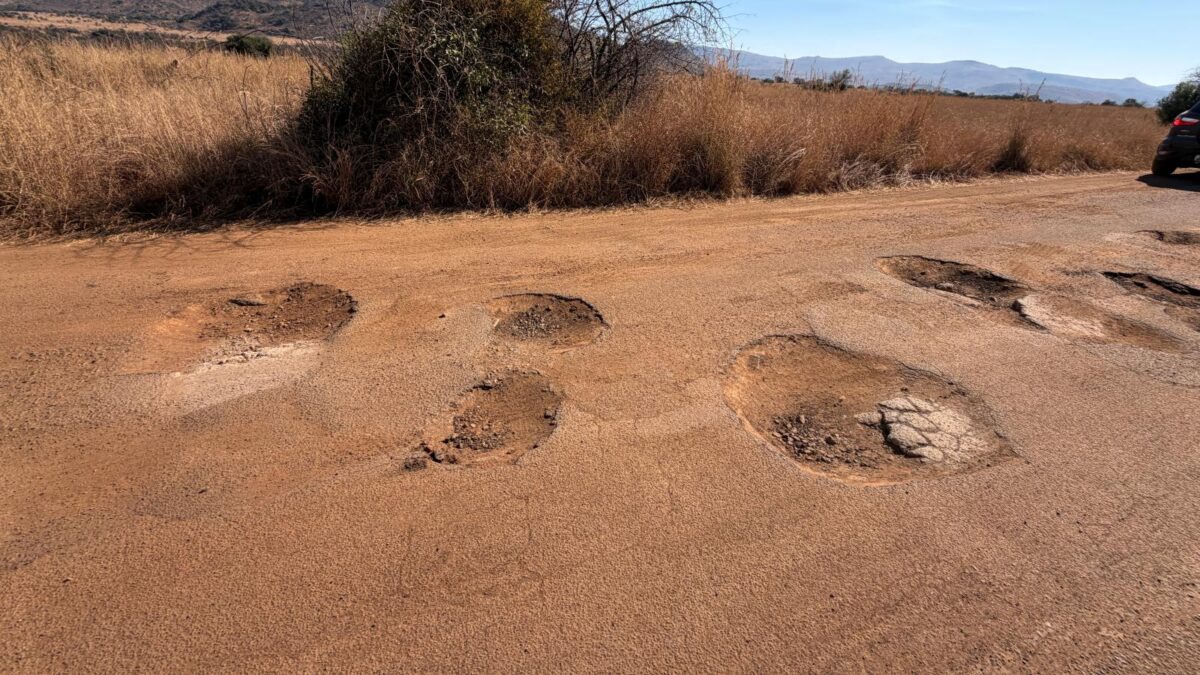
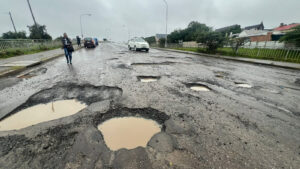
The tarred roads were riddled with potholes large enough to cause damage to any vehicle. Cars weaved across the road to avoid the potholes.
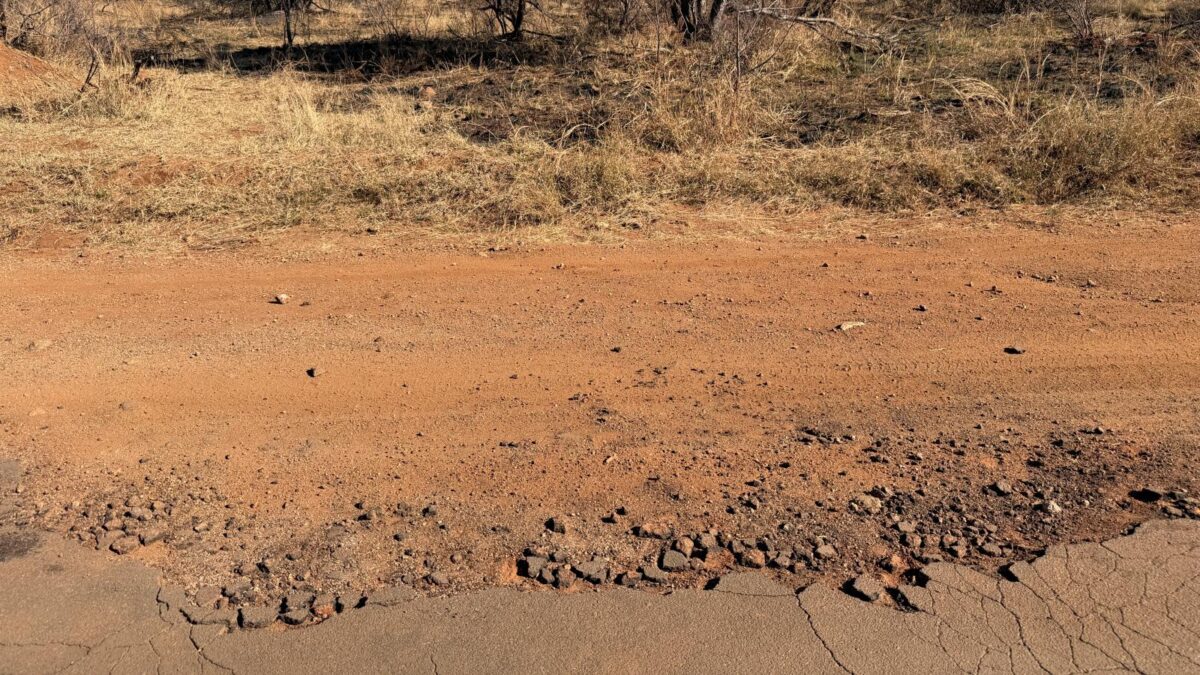
In many areas, the road has completely disintegrated, and it was essentially a mix between gravel and tar.
There were no visible signs that the growing potholes were being addressed or that the road infrastructure was being upgraded.
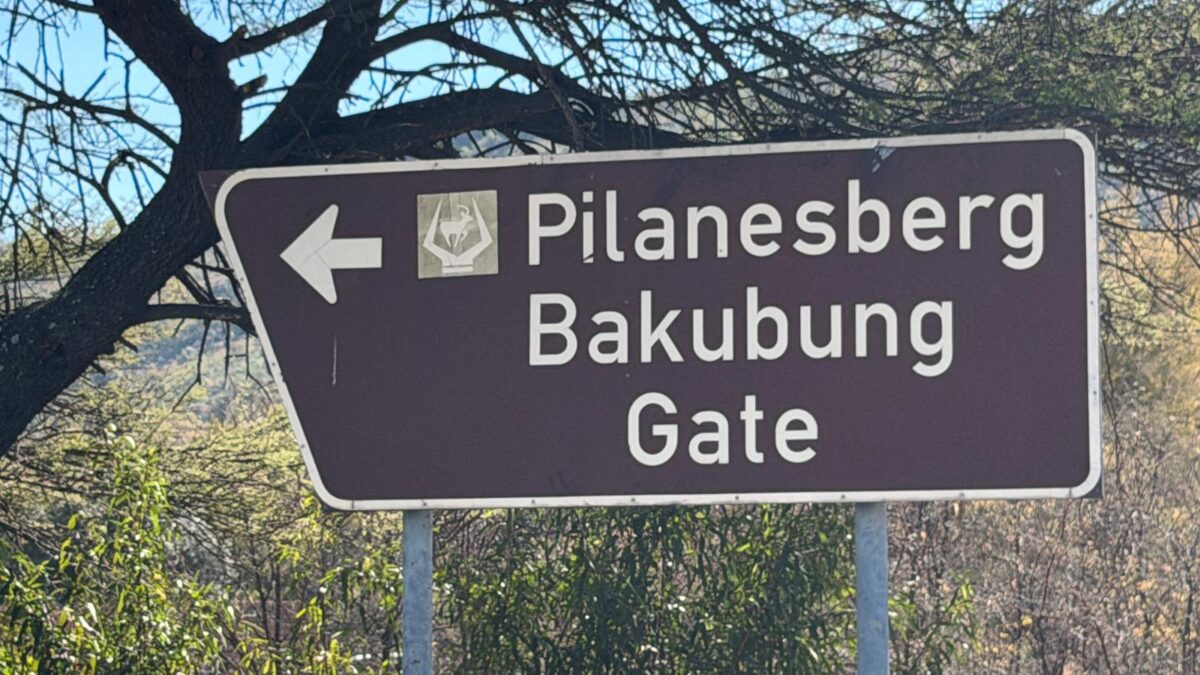
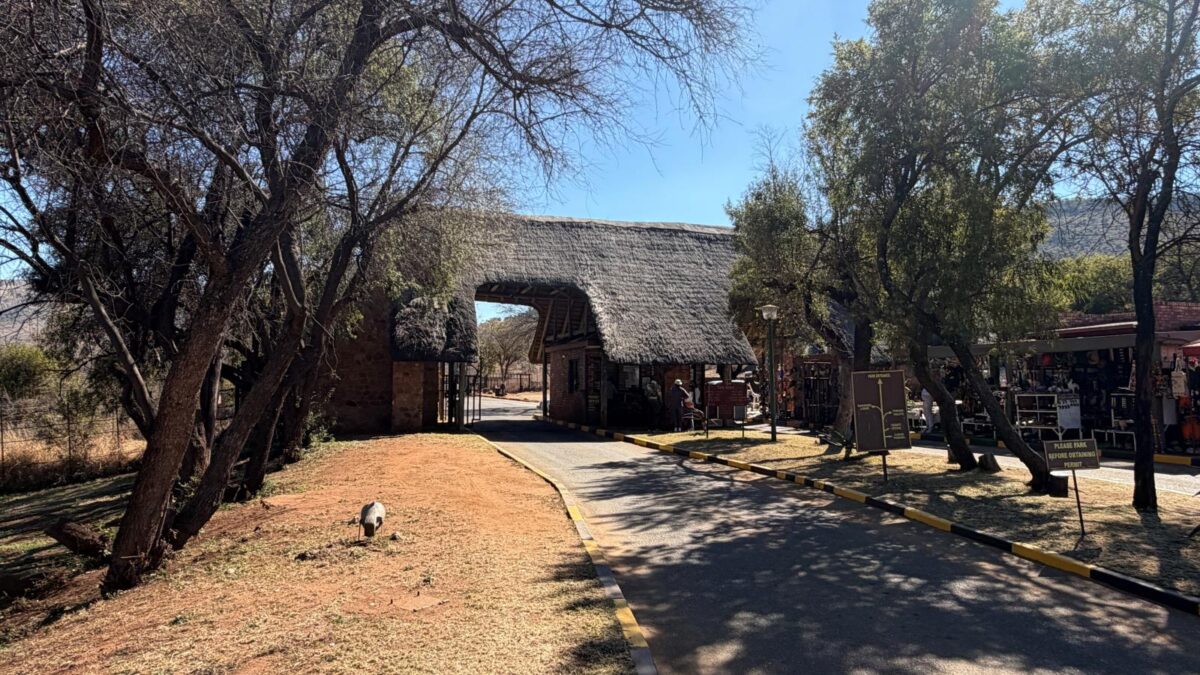
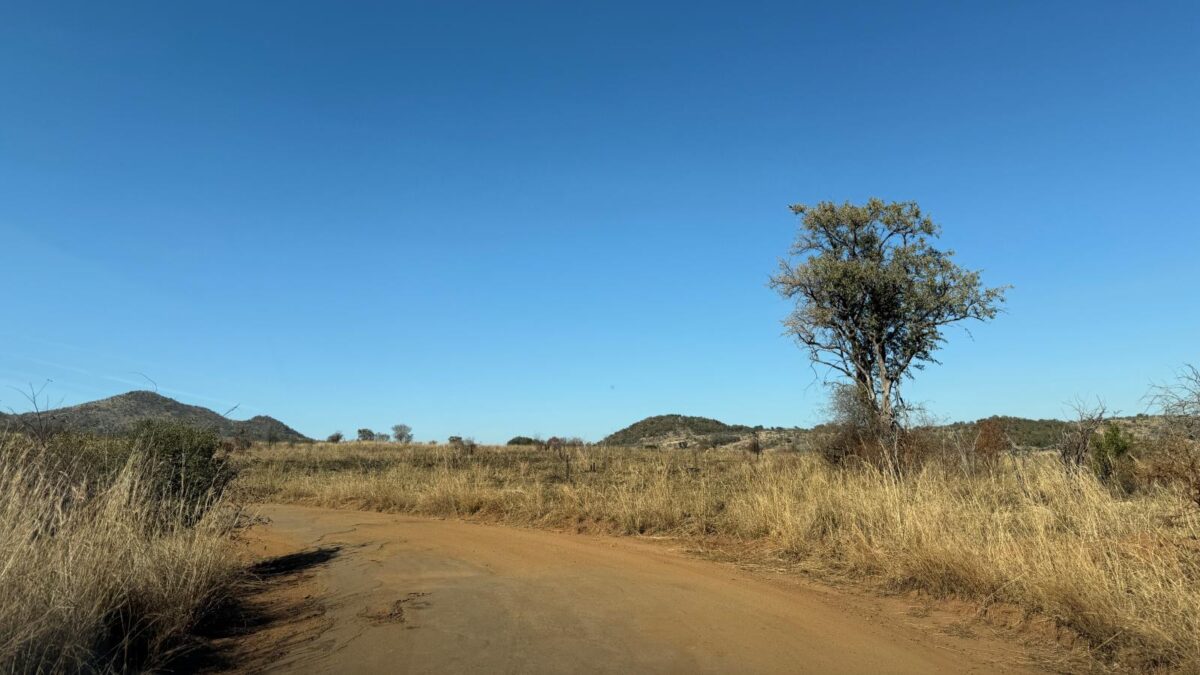
The photos below come from Newsday’s visit to the Pilanesberg Game Reserve in July 2026.
Pilanesberg National Park photos




 Loading ...
The ANC has messed up the entire North-West province, making the citizens to start missing Lucas Mangope. This national park is therefore one of the many casualties in the ANC’s path of destruction. It is up to the people to stand up and says “enough is enough”, but will they do so at the ballot box?