
R35 billion plan to change Durban forever


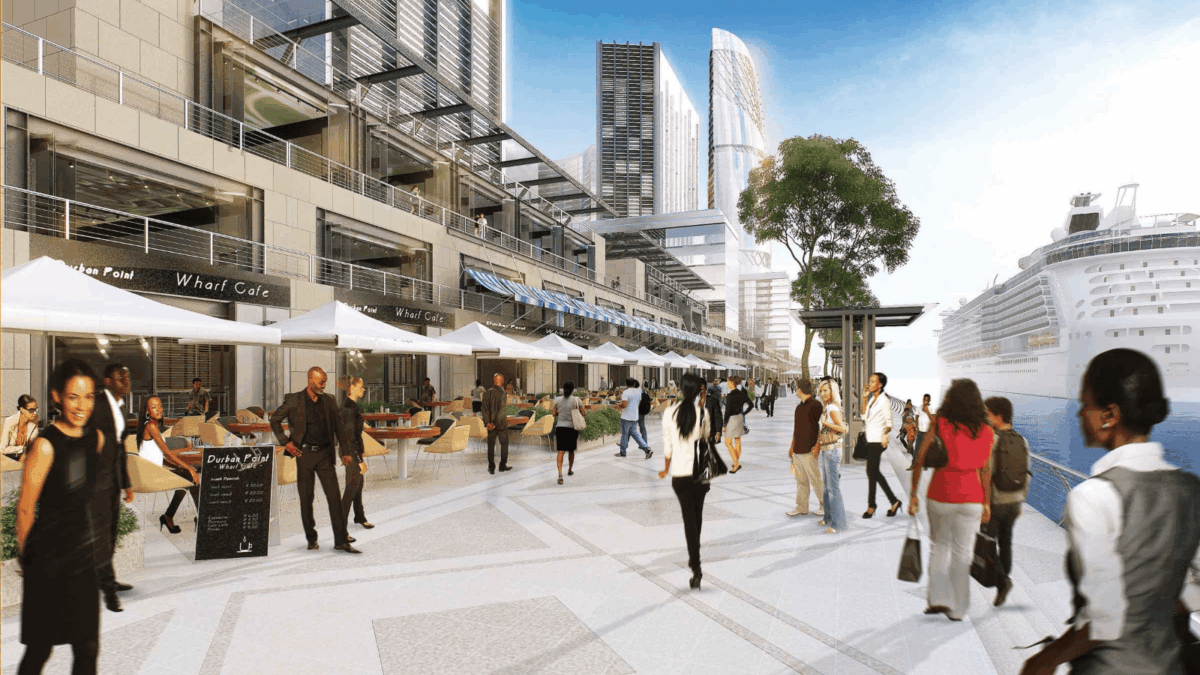
A R35 billion development planned for Durban’s Point Waterfront has been in the pipeline for a decade, and construction may finally start by the end of 2026.
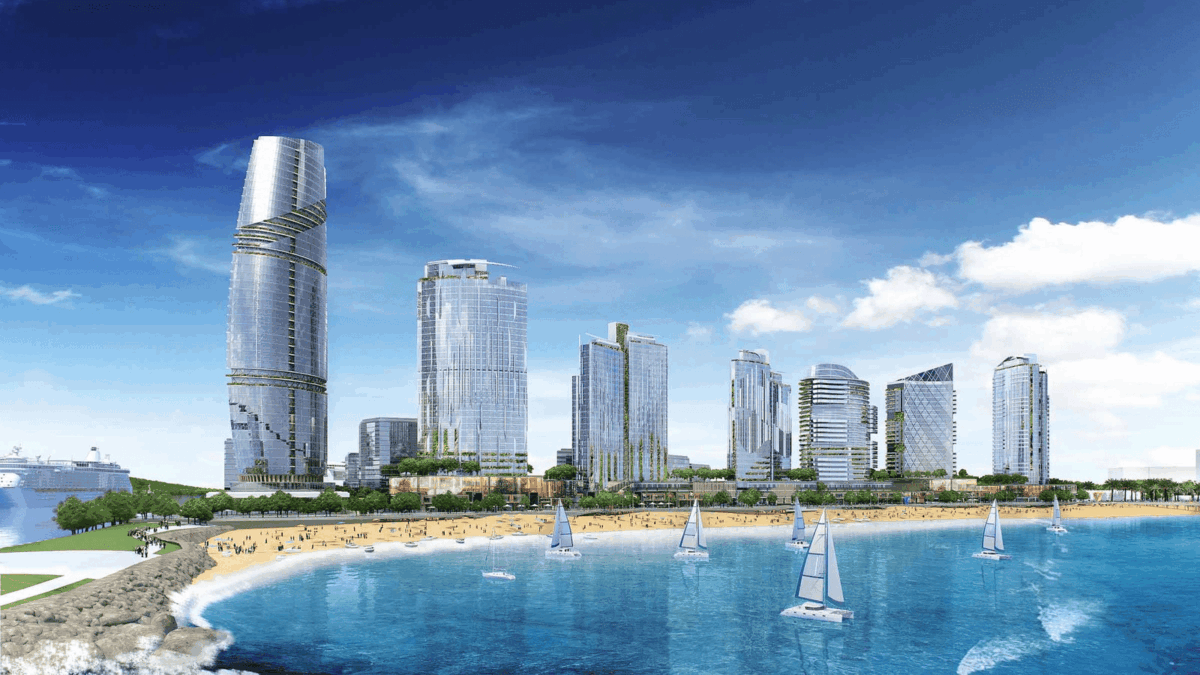
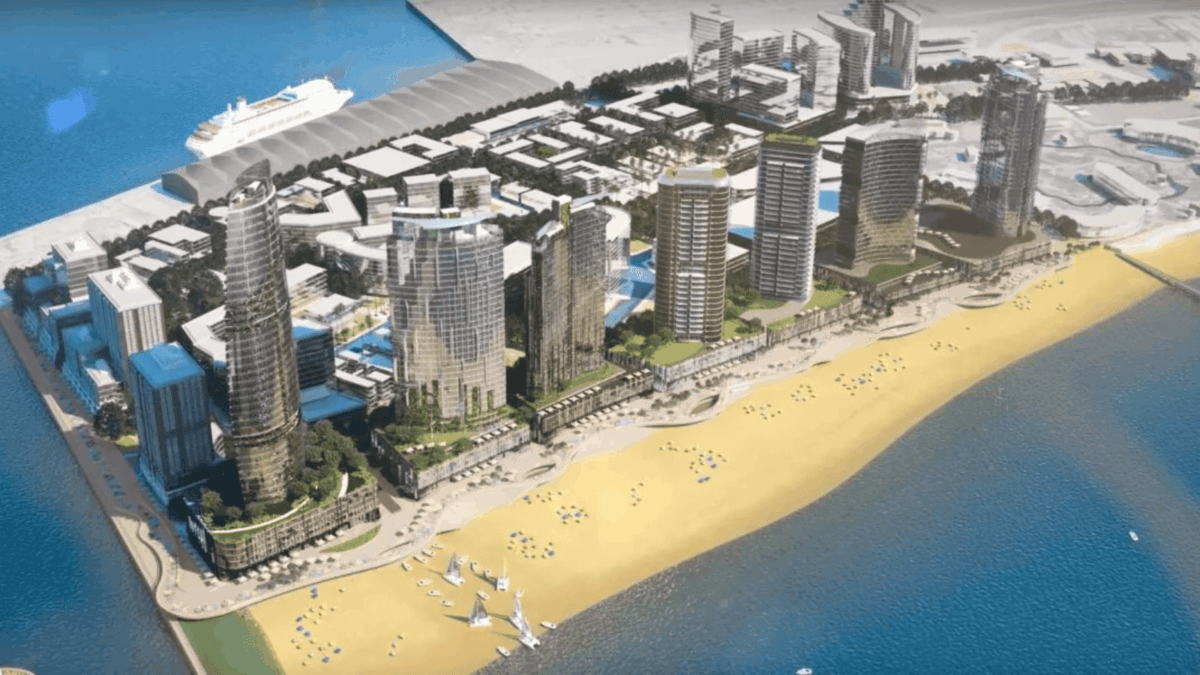
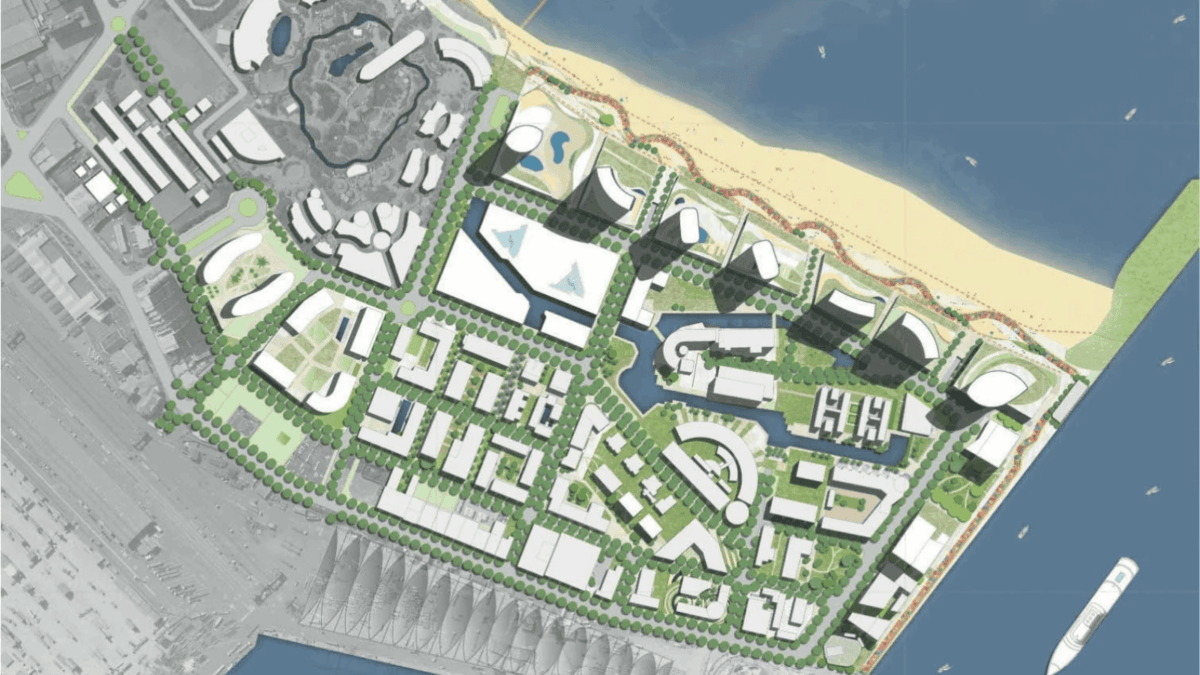
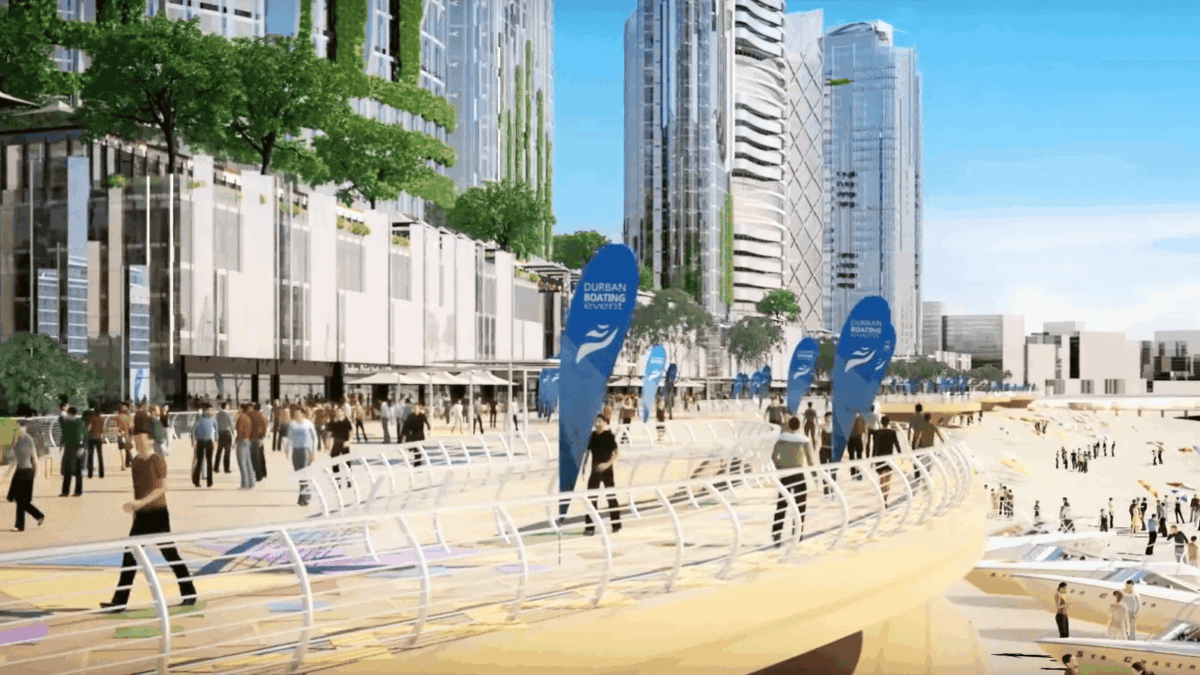
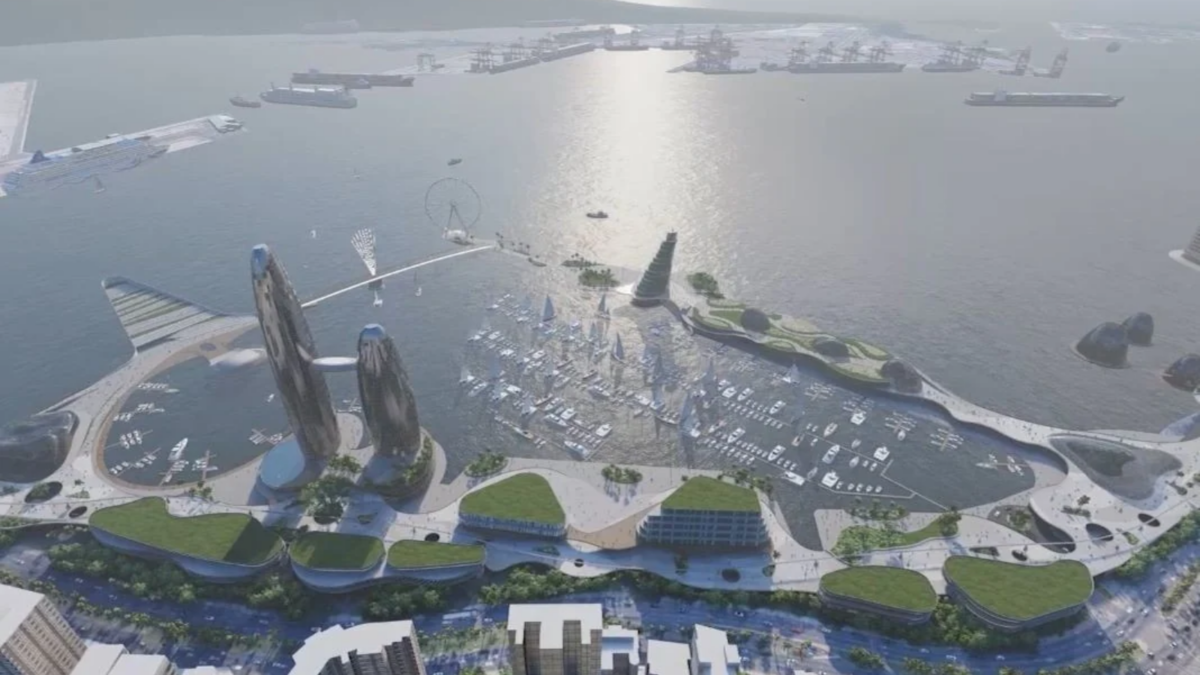
The project aims to transform the Point area into a mixed-use waterfront precinct with residential, commercial, retail and leisure facilities.
However, despite infrastructure upgrades and years of planning, large parts of the site remain undeveloped.
The Durban Point Development Company (DPDC), a partnership between UEM Sunrise and the eThekwini Municipality, is responsible for the development.
The revised Point Precinct Framework Plan was approved in 2015 and provides for 750,000 m² of mixed-use development.
Plans include high-end residential properties, offices, hotels, retail space and leisure facilities, alongside public spaces and waterfront amenities.
Some of the proposed buildings would exceed 55 storeys, creating a new neighbourhood next to Durban’s central business district.
The completed development is expected to create 6,750 permanent jobs and 11,000 construction jobs. It could also generate an estimated R200 million in annual rates revenue for the municipality.
However, the project has made limited progress towards its broader ambitions, with much of the planned residential and commercial development still outstanding.
The first phase of the project began in 2017, focusing on bulk infrastructure upgrades and the development of the Point Promenade. The main infrastructure and underground water pipe upgrades have been completed.
The extended promenade, connecting the area towards uShaka Marine World and Vetch’s Pier, opened to the public in November 2019. The new MSC Passenger Cruise Terminal has also been completed.
These projects were intended to establish the infrastructure needed to attract further private investment. However, they represent only part of the broader development plan.
Earlier plans envisaged a 10- to 15-year programme of public and private investment. The remaining phases were expected to deliver much of the residential, commercial and leisure space.
The municipality has previously acknowledged that economic conditions affected the original business model, prompting the developer to reconsider options to attract investors.
The project is now dependent on securing sufficient funding before the next phase can proceed.
eThekwini’s Marketing and Communications Director, Mandla Nsele, said the development remained a priority for the city and its development partner, Malaysian property company UEM Sunrise.
He said the developer was working with potential investors, while preparatory work was underway.
“Based on the ongoing due diligence assessments, UEM Sunrise is targeting development to commence by the end of 2026, subject to the conclusion of funding arrangements,” Nsele said.
UEM Sunrise is also conducting feasibility assessments, concept planning, design refinements and funding viability assessments.
This means the proposed end-2026 start remains dependent on the conclusion of funding arrangements, rather than a confirmed construction date.
Funding problems
The development’s delays have also revealed the challenges of attracting private investment to the Point and surrounding inner-city areas.
The municipality has acknowledged that infrastructure readiness, public environment management and broader inner-city conditions are important considerations for potential investors.
Durban has faced repeated beach closures linked to sewage pollution. Concerns about crime and deteriorating infrastructure have also affected the central business district.
The project has additionally faced legal challenges over public access to the beachfront.
A settlement reached in 2017 helped resolve a dispute over concerns that the development would restrict beach access. This allowed the promenade extension to proceed.
However, the completion of the public infrastructure has not yet translated into the large-scale private development originally envisaged.
Mkhongi Circle founder and director Eric Apelgren, who is involved in organising a property summit in the precinct, said stronger cooperation between public and private stakeholders was needed.
“We need all critical stakeholders around the table – property buyers and sellers, Transnet Property division, the city, national and provincial finance institutions, and private investors.”
Apelgren also called for an Urban Improvement Precinct plan to coordinate efforts to revitalise the area.
The municipality views the Point Waterfront development as important to retaining and growing Durban’s tourism industry, stimulating economic activity and creating jobs.
For now, however, the project remains largely a long-term plan. Its next phase depends on whether UEM Sunrise can secure the funding and investment needed to move beyond infrastructure upgrades and begin the main development.
Photos of the Durban Point Waterfront
You have read 2 out of 5 free articles. Log in or register for unlimited access.








 Loading ...
A total waste of money in the wrong place, and knowing how they work the contractor will walk away with the money long before work can commence.
Alternatively, it will only take a month or two for this area to become home to the hooligans currently sleeping all over Durban streets. Durban, from what I saw last time I had to drive through the city center to get to the Madiba stadium for a cycle race start, looked like one massive hoar house. Nobody with young children would want to go near the place.